
คู่มือผู้มีข้อจำกัดด้านอาหาร
ดาชิเป็นวีแกนไหม? อธิบายน้ำสต๊อกรากฐานของญี่ปุ่น
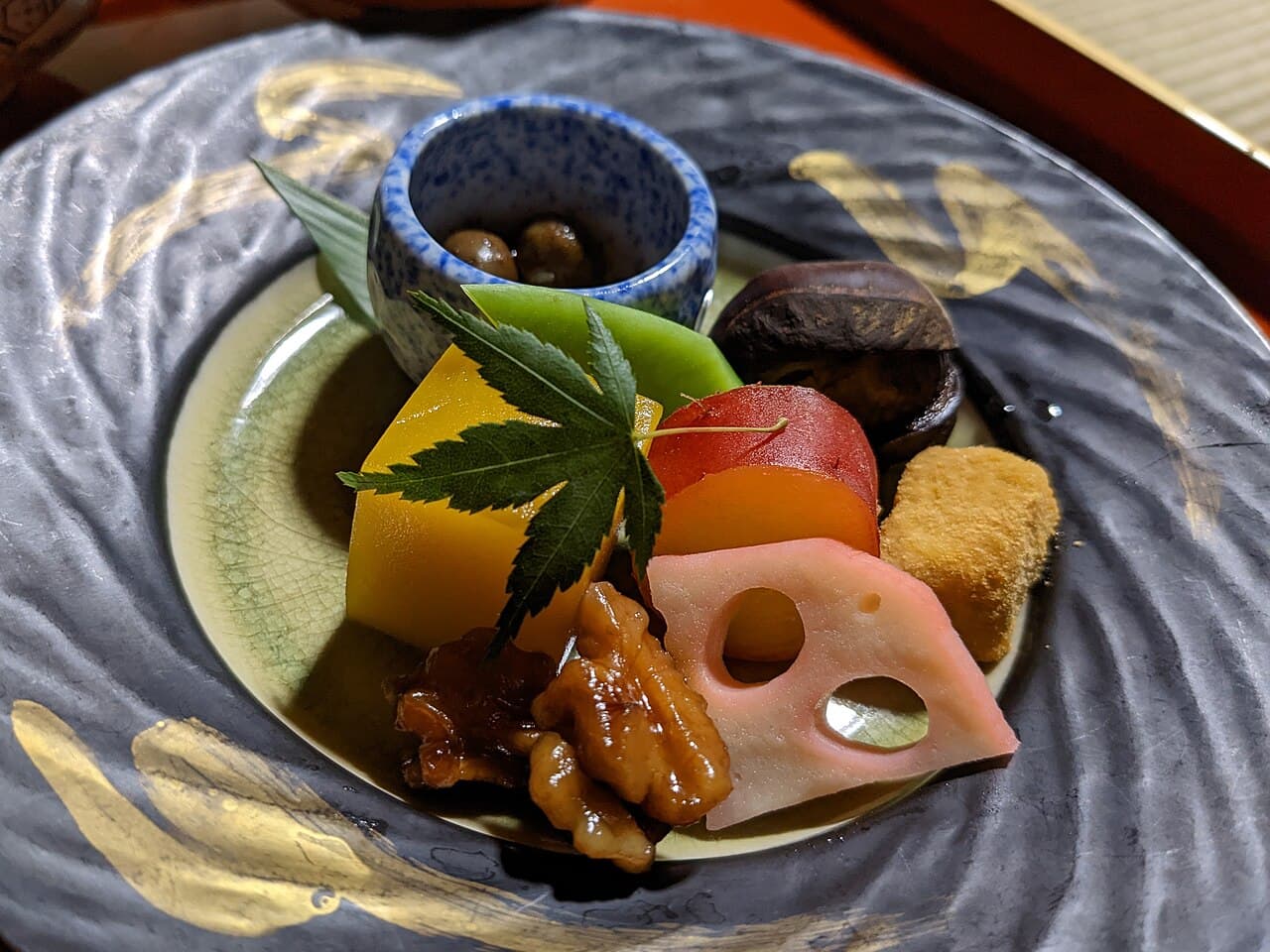
คำตอบสั้น ๆ
ดาชิ — น้ำสต๊อกรสกลมกล่อมที่เป็นหัวใจของอาหารญี่ปุ่นแทบทุกจาน — มักจะ ไม่เป็นวีแกน เวอร์ชันที่ใช้ในชีวิตประจำวันคือ อาวาเสะดาชิ ทำจาก คัตสึโอะบุชิ (ปลาโบนิโตะที่ตากแห้ง รมควัน และหมัก แล้วไสเป็นแผ่นบาง) บน คมบุ (สาหร่าย) ขณะที่หลายบ้านและครัวราคาประหยัดพึ่งพา นิโบชิ (ลูกปลาซาร์ดีนตากแห้ง) กลิ่นรสปลาโบนิโตะและซาร์ดีนเหล่านั้นคือปลา ดังนั้นชาม 'ผักล้วน' ที่ตุ๋นในดาชิจึงไม่ใช่ plant-based
ทำไมมันจึงซ่อนอยู่ทุกหนแห่ง
ดาชิเป็นแกนหลักของซุปมิโซะ ผักตุ๋น (นิโมโนะ) ทามาโกะยากิ น้ำซุปของอุด้งและโซบะ และซอสจิ้มกับน้ำสลัดนับไม่ถ้วน เม็ดสำเร็จรูปในขวดสีน้ำตาลชื่อดังก็ทำจากปลาโบนิโตะเช่นกัน และมิโซะเพสต์แบบ 'ใส่ดาชิ' (dashi-iri) ก็ผสมน้ำสต๊อกปลาเข้าไปตรง ๆ นี่คือกับดักที่ใหญ่ที่สุดเพียงหนึ่งเดียวสำหรับวีแกนในญี่ปุ่น — ผลิตภัณฑ์จากสัตว์ที่ซ่อนอยู่ในอาหารที่ดูเหมือนไม่มีเนื้อ คู่มือหลักของเรา วีแกนกินในญี่ปุ่นได้ไหม? ปูแผนที่ส่วนที่เหลือไว้
เวอร์ชันวีแกนที่มีอยู่จริง
ที่นี่มีประเพณี plant-based อันลึกซึ้ง ดาชิคมบุ (สาหร่ายแช่ในน้ำเย็น) และ ดาชิชิตาเกะ (จากเห็ดชิตาเกะแห้ง) ให้รสอูมามิอันล้ำลึกโดยไม่มีปลาเลย ทั้งสองอย่างรวมกันเป็นรากฐานของ โชจินเรียวริ อาหารวัดแบบพุทธของญี่ปุ่น (คู่มือโชจิน) และของคลื่นลูกใหม่ของร้านราเมงวีแกนที่สร้างน้ำซุปจากสาหร่าย เห็ด และผักย่าง
กินอย่างไรให้ดี
ที่ร้านอาหารทั่วไป ให้ถามว่าน้ำสต๊อกเป็น ดาชิคมบุ (สาหร่าย) หรือมี คัตสึโอะ / นิโบชิ (ปลา) อาหารวัดและร้านวีแกนเฉพาะทาง — อย่างที่อยู่ด้านล่าง — คือตัวเลือกที่เชื่อถือได้ สูตรแตกต่างกันไปตามแต่ละครัว ดังนั้นเมื่อมันสำคัญ การถามพนักงานสั้น ๆ ว่า "คมบุ ดาชิ เดส กะ?" (เป็นดาชิคมบุไหม?) ก็คุ้มเสมอ พวกเขาจะยินดีที่ได้รับการบอกล่วงหน้า
ร้านที่เรายืนยันแล้ว
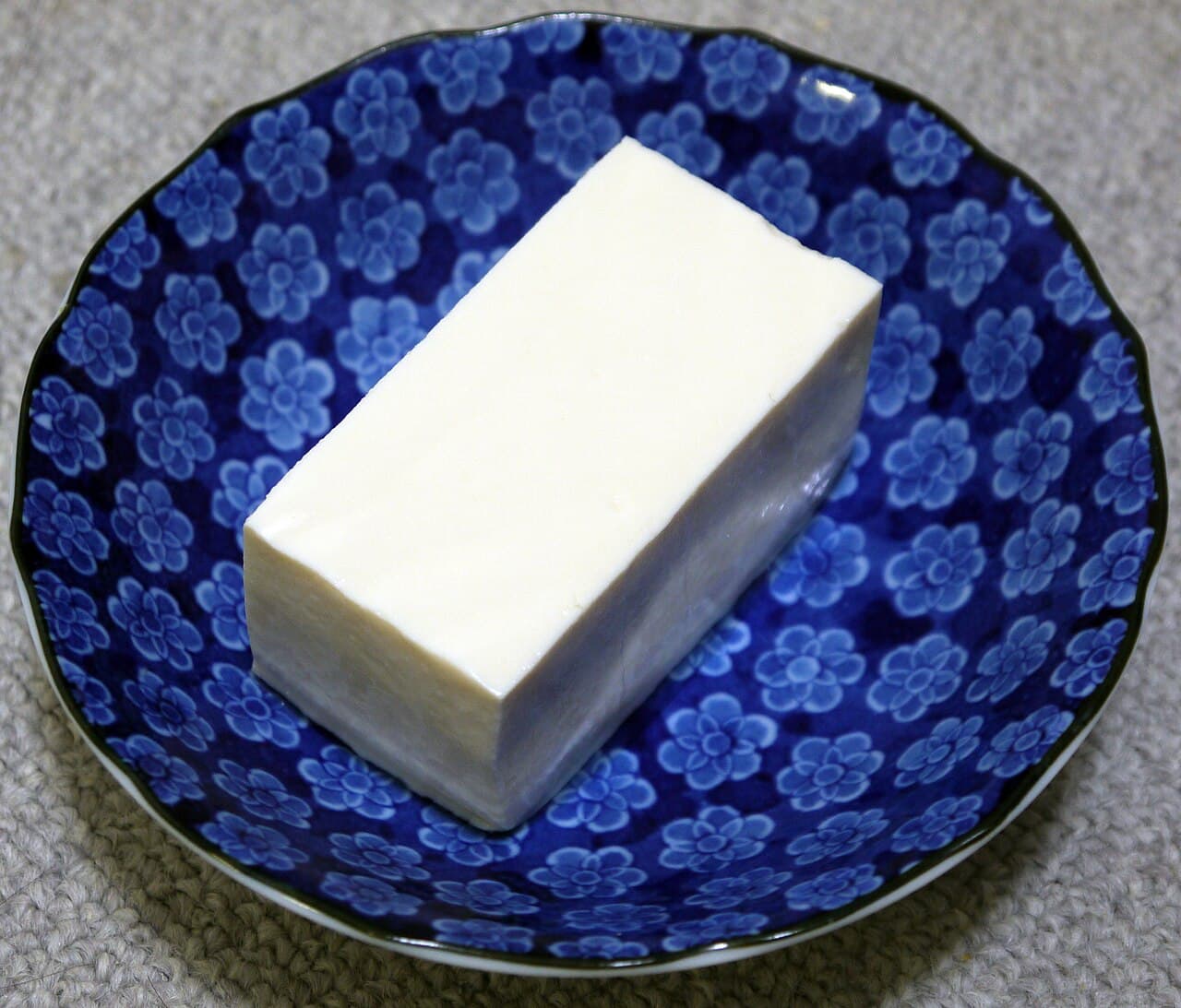
Komaki Shokudo
เซ็ตคุจิฟุกุ — กับข้าววีแกนตามฤดูกาล 9 อย่าง พร้อมข้าวและซุปมิโซะ
โรงอาหารวีแกนราคาย่อมเยาบรรยากาศสบายๆ ดำเนินการโดยสายวัดจากคามาคุระ ใต้รางรถไฟอากิฮาบาระ ที่งดแม้กระทั่งกระเทียมและหัวหอมตามแบบโชจินแท้ๆ
- มังสวิรัติ
- วีแกน
- มาคนเดียว
- สบายๆ
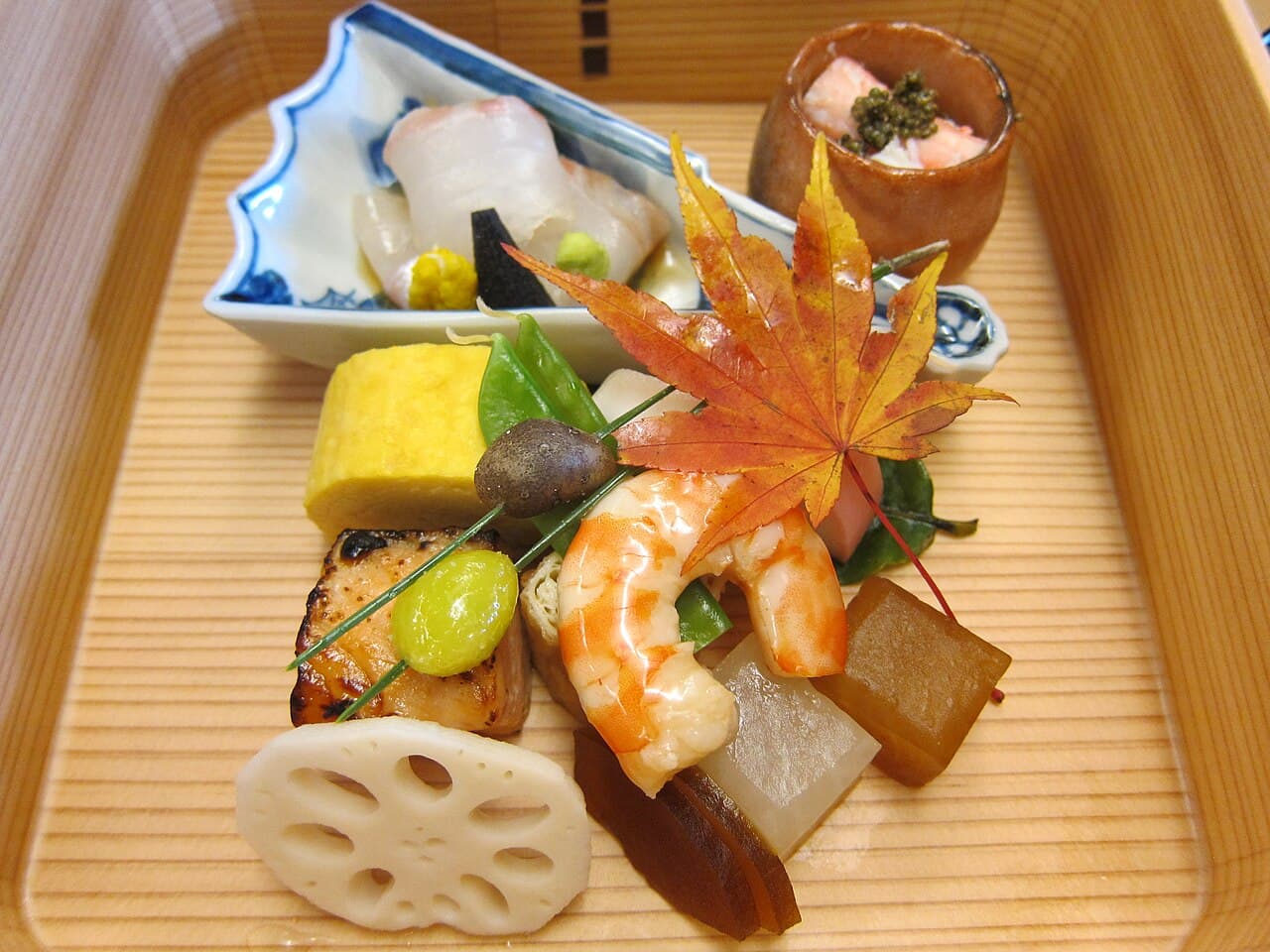
Sougo
โชจินไคเซกิตามฤดูกาล จับคู่กับสาเกและไวน์ เปลี่ยนเมนูทุกสามสัปดาห์
ร้านโชจินเรียวริสุดประณีตในร็อปปงงิ นำโดยเชฟไดสุเกะ โนมุระ อดีตเชฟจากร้านไดโกะระดับสองดาวมิชลิน จับคู่อาหารเซนแบบ plant-based กับสาเกและไวน์ที่คัดสรรอย่างพิถีพิถัน
- มังสวิรัติ
- วีแกน
- วันครบรอบ
- ธุรกิจ
- เดท
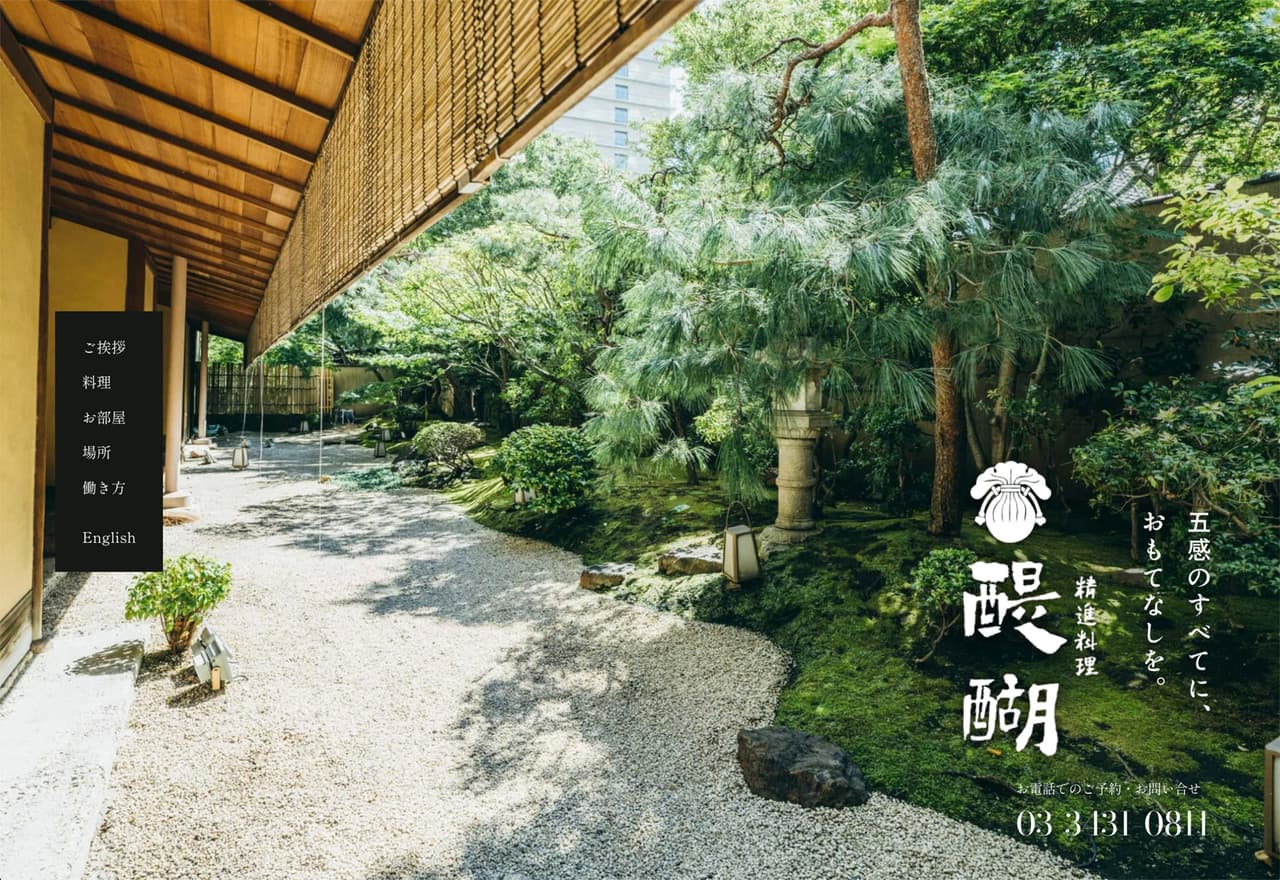
Shojin Ryori Daigo
โชจินไคเซกิตามฤดูกาล ของผัก เต้าหู้ และยูบะ
ร้านไคเซกิเจแบบพุทธระดับหนึ่งดาวมิชลิน ณ เชิงเขาอาตาโกะ เสิร์ฟคอร์ส plant-based ตามฤดูกาลที่มองเห็นสวน ตั้งแต่ปี 1950
- มังสวิรัติ
- วีแกน
- วันครบรอบ
- ธุรกิจ
คำถามที่พบบ่อย
- ดาชิคมบุเป็นวีแกนไหม?
- ใช่ ดาชิคมบุ (สาหร่าย) และดาชิเห็ดชิตาเกะไม่มีผลิตภัณฑ์จากสัตว์เลย และเป็นน้ำสต๊อกวีแกนดั้งเดิมที่ใช้ในอาหารวัดโชจิน
- ผงดาชิสำเร็จรูปเป็นวีแกนไหม?
- โดยปกติไม่ — ดาชิแบบเม็ดและแบบน้ำที่พบทั่วไปทำจากปลาโบนิโตะหรือปลาซาร์ดีน มีผงบางชนิดที่ทำจากคมบุล้วนหรือมีฉลากวีแกนอยู่บ้าง ให้ตรวจดูบรรจุภัณฑ์หรือสอบถาม