
Dietary guide
Gluten Free Japan: The Plan-Before-You-Fly Travel Guide
Japan feels intimidating for coeliacs at first, but the logic is simple once you see it: the danger isn't the food, it's the seasoning. This is the hub above our Tokyo city guide — read it before you fly, then drill down.
Is Japan gluten-free friendly? The honest answer
Friendly, not certified. Awareness is genuinely lower than in Australia or the UK, and "no gluten" can be misheard as "no wheat noodles" while a wheat-based sauce sits on the same plate. But the base of the cuisine — rice, fish, vegetables, soybeans — is naturally gluten-free, so you're building on solid ground.
The one thing that trips everyone up: soy sauce
Standard Japanese soy sauce (shōyu) is brewed with roughly equal parts wheat and soybean. It's in teriyaki, most dipping sauces, marinades and dashi blends. Swap it for gluten-free tamari — but read the label, because even some tamari contains a little wheat. We go deep on this in is soy sauce gluten free in Japan.
Safe by default vs. risky by default
Usually safe: sashimi, plain steamed rice, onigiri (check fillings), grilled fish without sauce, and rice-based wagashi. Sushi is mostly fine if you bring your own tamari and skip imitation crab.
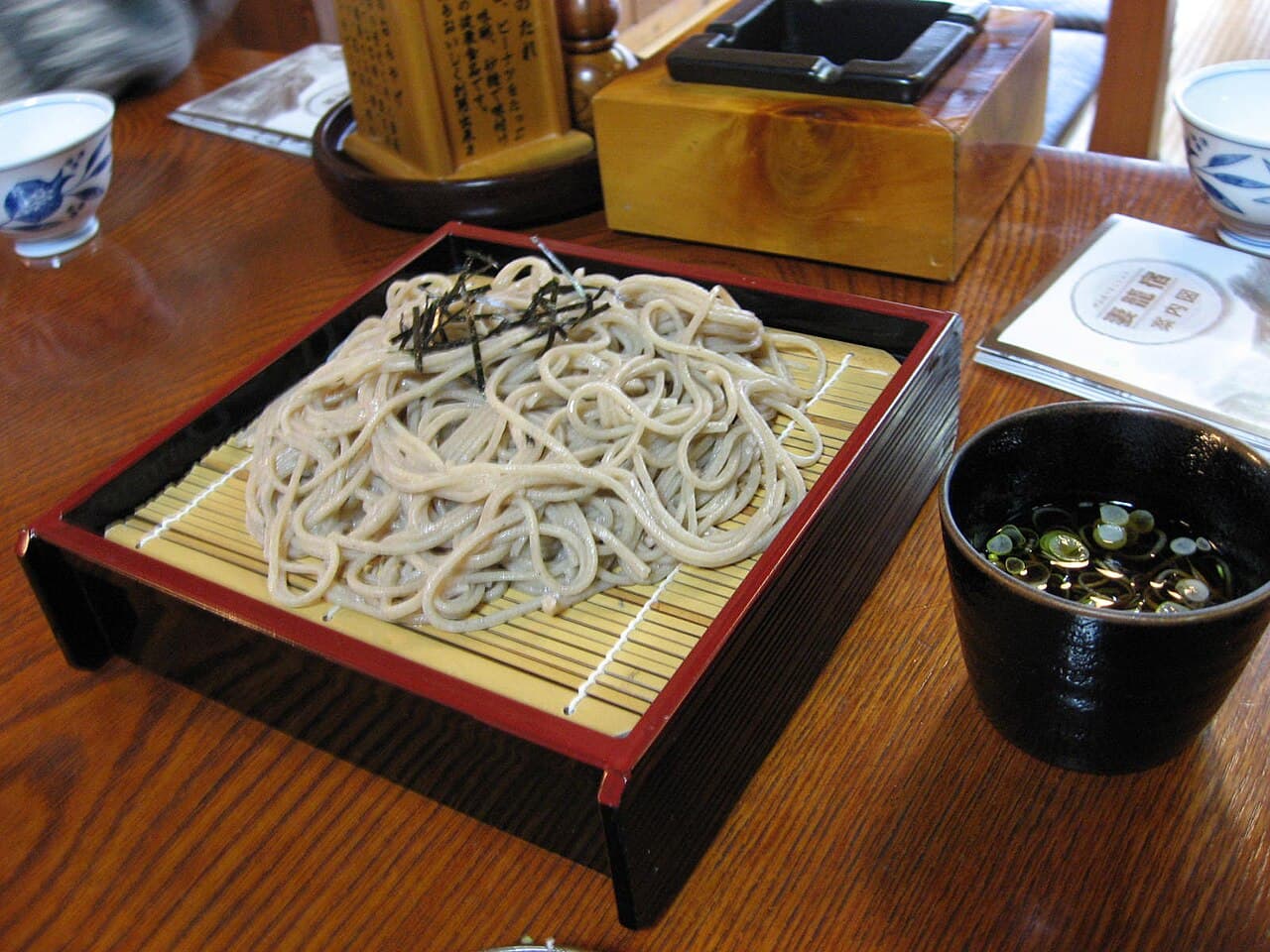
Risky: anything battered or fried in a shared fryer, udon, and — the sneaky one — soba. Even juwari (100% buckwheat) soba is naturally gluten-free flour, yet most shops boil it in water shared with wheat noodles. A dedicated GF kitchen is a different promise than a GF option.
Your trip kit
Carry a printed Japanese allergy card, a small bottle of GF tamari, and the phrase "komugi (wheat) arerugī desu." Ask two questions: does the sauce contain wheat, and is the fryer or pot shared? See the full gluten-free dietary page.
Where to eat in Tokyo
For a dedicated kitchen, Pizzakaya Roppongi does gluten-free pizza with an English menu. Mr. Farmer Omotesando flags vegan and GF options clearly. NO OHAGI in Daikanyama makes gluten-free, plant-based wagashi — a rare safe sweet. Craving noodles? Juwari Soba Tokyo Basso serves 100% buckwheat soba (confirm the water situation on the day). For dedicated GF ramen, start with gluten-free ramen in Tokyo.
Eat well
Japan rewards the prepared traveller. Learn the soy-sauce trap, carry your kit, ask the two questions, and lean on rice. Do that and this becomes one of the easier cuisines to navigate — not despite being different, but because its foundation was gluten-free all along.
Fukuoka & Sapporo
Outside Tokyo, both cities have real gluten-free options worth planning around: gluten-free restaurants in Fukuoka and gluten-free restaurants in Sapporo.
Places we’ve confirmed
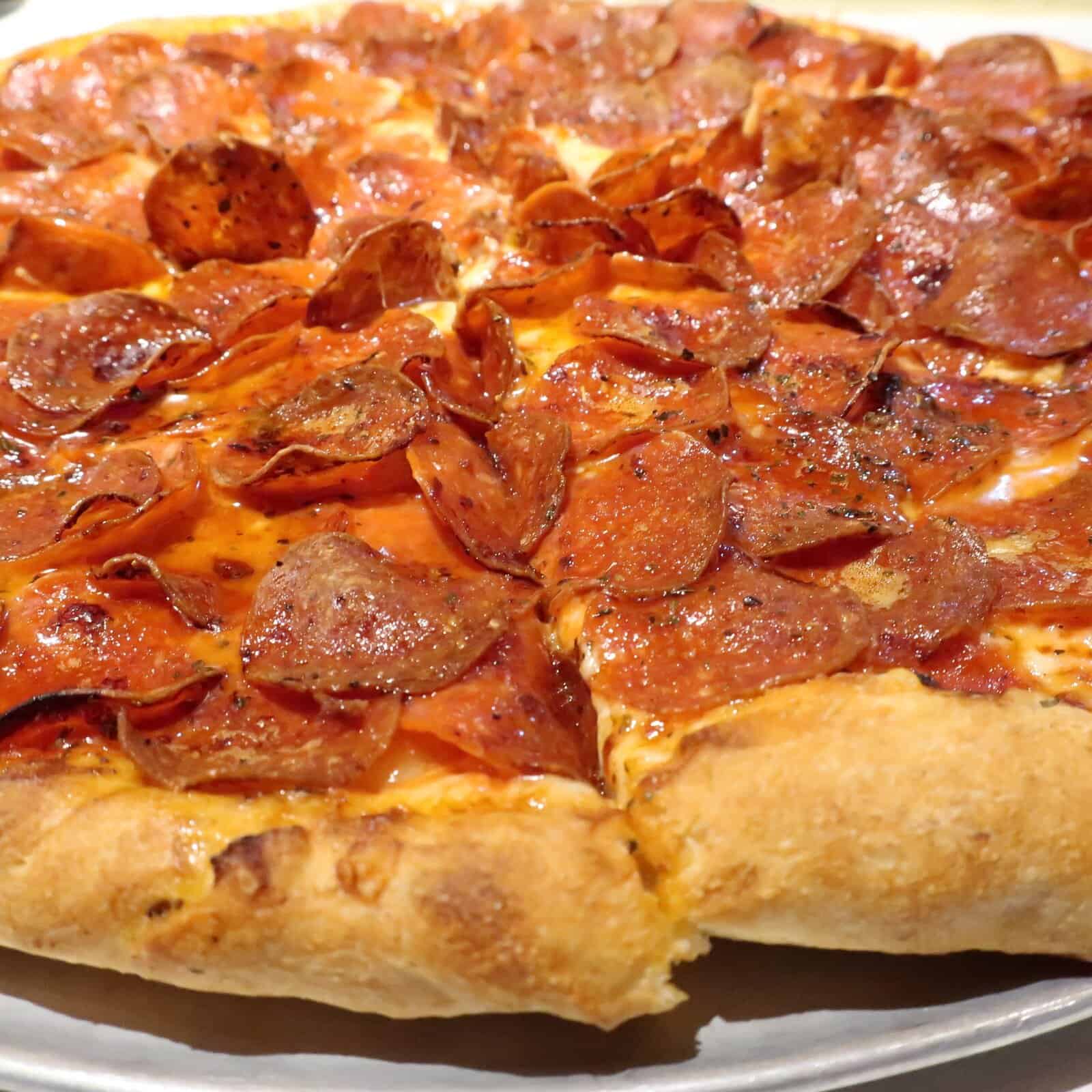
Pizzakaya Roppongi
Gluten-free crust California pizza (vegan cheese option)
A Roppongi institution since 1996 where homesick Americans and coeliac travellers alike crowd the bar for craft beer and proper gluten-free crust pizza topped with vegan cheese.
- Gluten-free
- Vegan
- Vegetarian
- Dairy-free
- Casual
- Solo
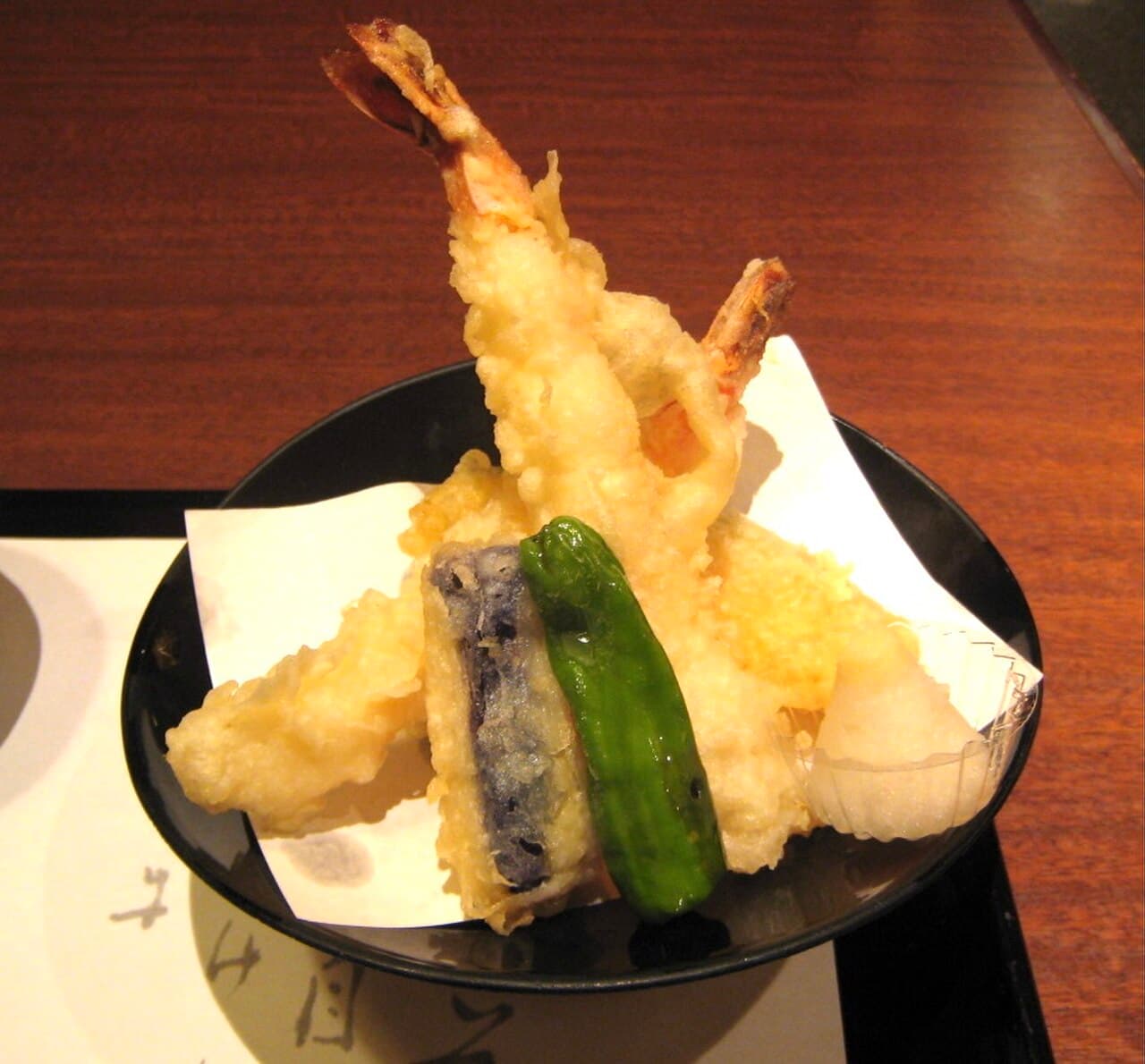
Mr. Farmer Omotesando
Farmer's vegan salad & vegetable omelette
A bright Omotesando flagship where a 'field evangelist' sources produce from 100 farms, plated into vivid vegan, gluten-free and athlete bowls.
- Vegetarian
- Vegan
- Gluten-free
- Casual
- Date
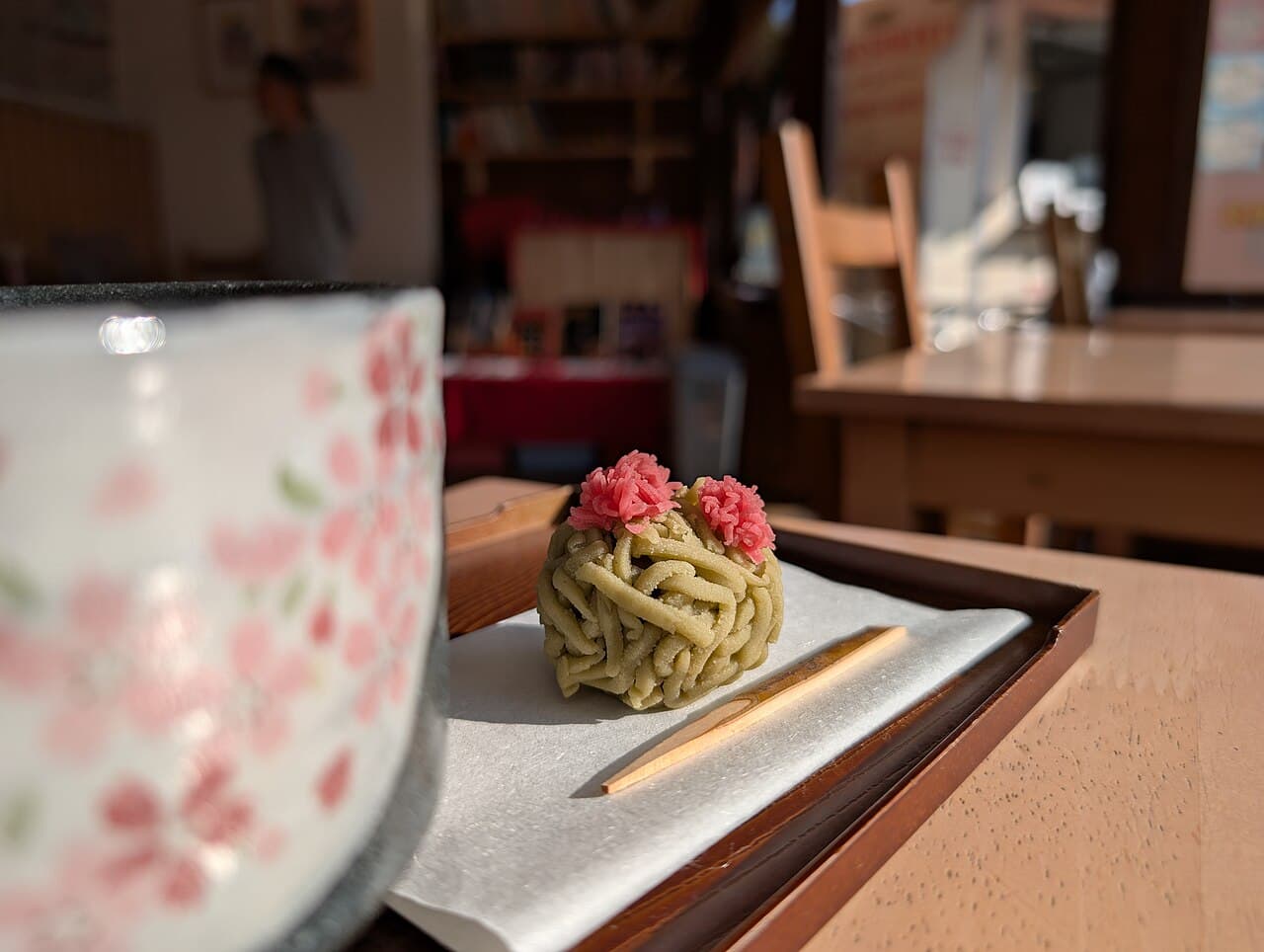
NO OHAGI
Seasonal ohagi & kuzumochi soy-milk shakes
A stylish little Daikanyama ohagi cafe where the rice-and-bean sweets and kuzumochi shakes are all gluten-free, vegan, dairy-free and free of white sugar.
- Gluten-free
- Vegan
- Dairy-free
- Casual
- Solo
Juwari Soba Tokyo Basso
Three styles of juwari soba (inaka, sarashina, dattan)
A specialist serving juwari (100% buckwheat) soba with no wheat flour, so the noodles themselves are naturally gluten-free. Note the standard dipping sauce/soba-yu and a shared kitchen mean it is not certified celiac-safe; confirm the tsuyu if you are highly sensitive.
- Gluten-free
- Casual
- Solo
Sources
FAQ
- Is soy sauce gluten free in Japan?
- No. Standard Japanese soy sauce is brewed with wheat and appears in most sauces, marinades and dashi. Carry a small bottle of gluten-free tamari, and still check the label, since some tamari contains a little wheat.
- Can coeliacs eat sushi and sashimi?
- Sashimi is naturally safe. Sushi rice, seasoned with vinegar, is usually fine, but the dipping soy sauce is the real risk and imitation crab often contains wheat — bring your own gluten-free tamari.
- Is juwari soba safe for coeliacs?
- Juwari means 100% buckwheat, so the flour itself has no wheat. The catch is that most soba shops boil their noodles in water shared with wheat noodles, so ask about cross-contamination before ordering.