
Is sushi gluten-free? The fish is — the soy sauce isn't
The short answer
Mostly yes — but not automatically. Plain raw fish and rice are naturally gluten-free, so sashimi and simple nigiri are usually fine. The problem is everything around them: the soy sauce is brewed with wheat, and several common sushi-bar items hide gluten. Knowing the short list of culprits is the whole game.
This is part of our coeliac coverage. For the bigger picture — what 'gluten-free' can and can't mean in Japan, and certified kitchens — read the gluten-free Tokyo guide.
What's naturally safe
- Sashimi — just fish, no rice, no sauce. The safest order, as long as it is plated and cut on clean surfaces.
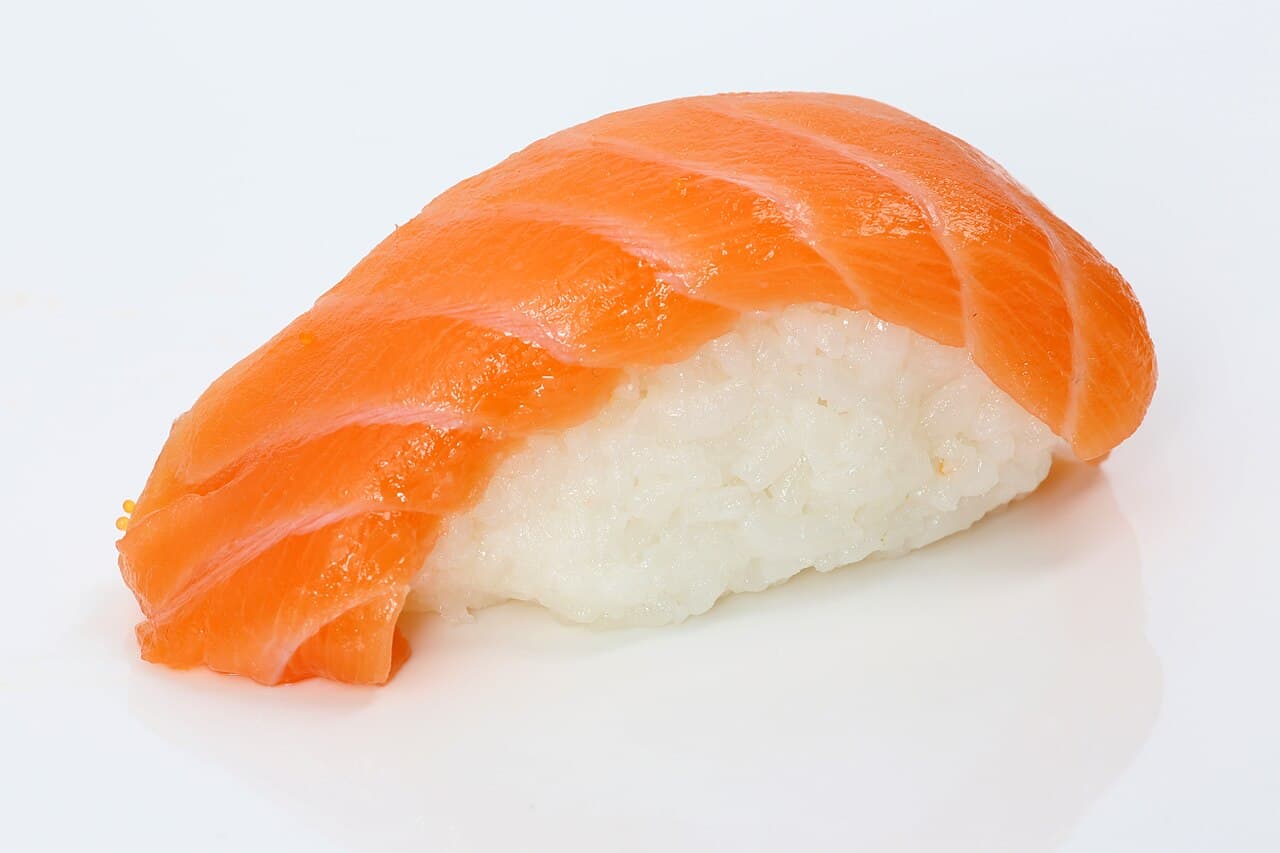
- Plain nigiri — fish over vinegared rice. Rice is gluten-free; see the rice-vinegar caveat below.
- Simple maki with fish and vegetables (tuna, cucumber, salmon) — no tempura, no imitation crab, no sauce.
The hidden gluten to avoid
- Soy sauce. Ordinary Japanese soy sauce is fermented with wheat — it is the single biggest source of gluten in a sushi meal, both in your dipping dish and inside marinades and glazes (Beyond Celiac: is sushi gluten-free?).
- Imitation crab (surimi). The 'crab' in a California roll is usually pulverised white fish bound with wheat starch — not gluten-free.
- Eel and 'unagi' sauce, teriyaki and spicy-mayo drizzles — soy-sauce- and sometimes wheat-thickened.
- Anything tempura (shrimp tempura rolls, tempura flakes/tenkasu) — wheat batter.
- Rice vinegar. Sushi rice is seasoned with vinegar; most is fine, but some seasoned rice vinegars or rice wines can contain gluten, so it is worth confirming at a strict-needs meal.
- Cross-contamination — shared soy-sauce brushes, the same water for tempura and noodles, and crumbs on the counter. A normal sushi bar is not a coeliac-controlled kitchen.
How to order safely: tamari
The fix for the soy-sauce problem is tamari — a soy sauce traditionally made with little or no wheat. Crucially, not all tamari is gluten-free, so it must be the version labelled wheat-free/gluten-free (Kikkoman: tamari vs soy sauce). Many coeliac travellers carry a small bottle of certified gluten-free tamari and use it instead of the table soy sauce. Ask whether the rice vinegar and any glazes are wheat-free, and stick to sashimi or plain nigiri when unsure.
Say it: "Komugi arerugī ga arimasu" — I have a wheat allergy. "Shōyu wa tsukaemasen" — I can't use soy sauce. The full set is in our Japanese dietary phrases guide, and for severe allergies see allergy-aware dining in Tokyo.
Where to eat it
A conveyor-belt or market sushi counter is easy to navigate once you stick to sashimi and plain fish — our Tokyo market sushi guide and how to eat sushi cover the etiquette. For adjacent fish-forward diets, pescatarians have it easiest of all in Tokyo — see the pescatarian Tokyo guide.
The bottom line
Is sushi gluten-free? The fish and rice are; the soy sauce, imitation crab, tempura and some sauces are not. Order sashimi or plain nigiri, bring or ask for gluten-free tamari, and check the rice vinegar — and sushi becomes one of the easiest gluten-free meals in Japan.
FAQ
- Does sushi have gluten?
- The fish and rice do not — but ordinary Japanese soy sauce is brewed with wheat, which makes it the single biggest source of gluten at a sushi meal. Imitation crab, anything tempura and eel or teriyaki glazes also contain wheat.
- Which sushi is safe if you avoid gluten?
- Sashimi (just fish, no rice and no sauce), plain nigiri, and simple maki with fish or vegetables such as tuna, cucumber or salmon — with no tempura, no imitation crab and no sauce.
- Is tamari a safe substitute for soy sauce?
- Tamari is traditionally made with little or no wheat, but not all tamari is gluten-free — use only a bottle labelled wheat-free or gluten-free. Many coeliac travellers carry their own small bottle.
- Why is imitation crab not gluten-free?
- The 'crab' in a California roll is usually pulverised white fish (surimi) bound with wheat starch.