
Dietary guide
Is Soy Sauce Gluten-Free in Japan? What Celiacs Need to Know
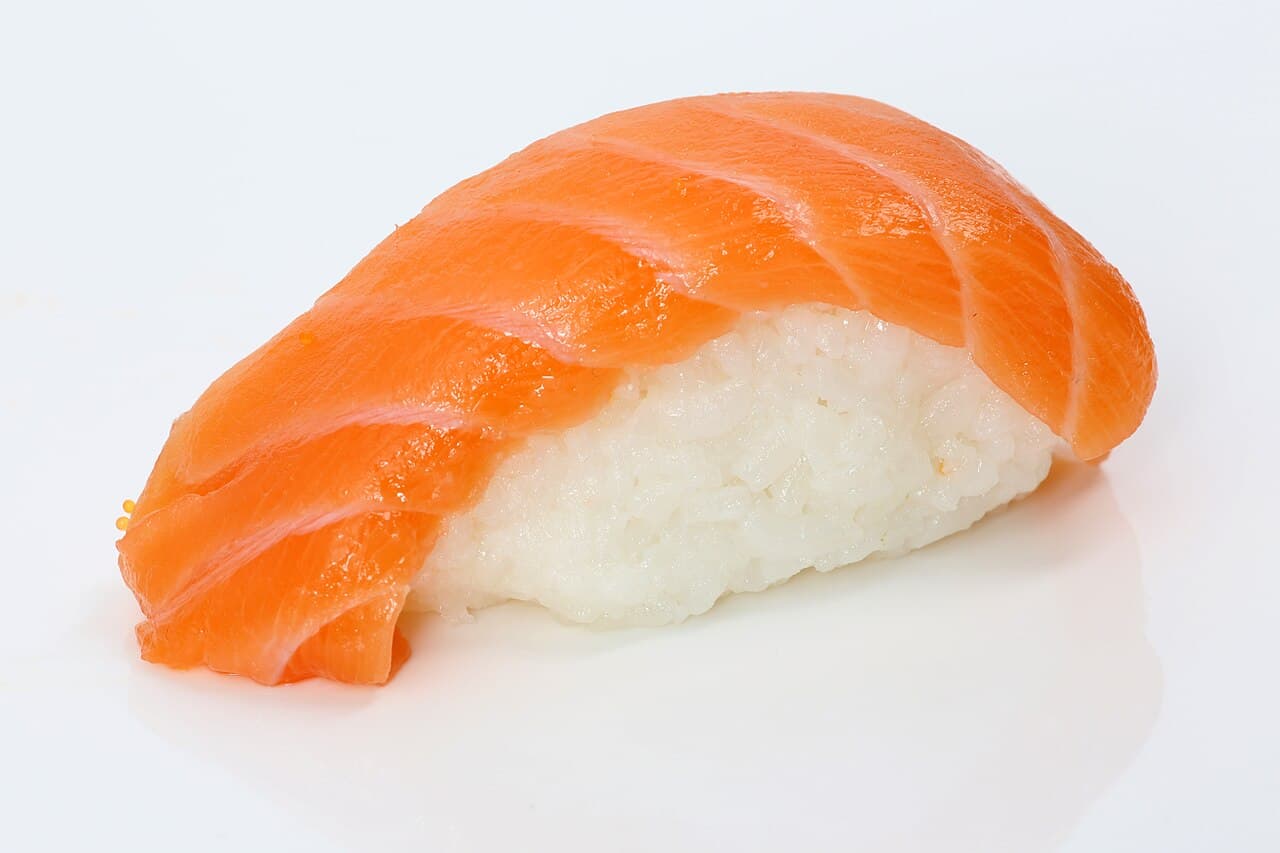
The short answer: regular shoyu contains wheat
Standard Japanese soy sauce — koikuchi shoyu, the dark bottle on every table — is fermented from soybeans and wheat in roughly equal measure. The wheat isn't a trace additive; it's a core ingredient that feeds the fermentation and gives shoyu its aroma. So no, it is not gluten-free, and there is no reliable way to "cook the gluten out."
What makes this genuinely hard in Japan is how invisible soy sauce is. It's not just the little dish at a sushi counter. It's in teriyaki glaze, tonkatsu sauce, ponzu, most salad dressings, simmered dishes (nimono), tamagoyaki, gyoza filling, and the broth under your ramen and udon. Even a plate of pristine sashimi is fish that's safe — until it meets the shared soy dish.
Tamari: the alternative, with a caveat
Tamari is the traditional answer. Made as a byproduct of miso, it uses little or no wheat, which is why it's the go-to for gluten-free eating. But "tamari" on a label is not a guarantee — many commercial tamari still include some wheat. If you have celiac disease, only a bottle marked gluten-free (グルテンフリー) or wheat-free (小麦不使用) counts. When in doubt, ask, or better, carry your own single-serve GF tamari packets and use them at the counter. It's completely normal here and no one will blink.
Certified kitchen vs. "gluten-free option"
There's a real difference between a restaurant with a dedicated gluten-free kitchen and one offering a GF option. The second kind may still share a fryer, a noodle pot, or a cutting board — cross-contamination that matters for celiacs even when the recipe itself is clean. Ask specifically: separate oil? separate boiling water? A friendly answer is a good sign; a confused one is your cue to be cautious. This is exactly why dedicated spots are worth seeking out — see our gluten-free Tokyo guide and the full gluten-free dining page.
A note on soba and sushi
Two classic traps. Soba is buckwheat — naturally gluten-free — but most restaurant soba is cut with wheat flour, and the dipping tsuyu is soy-based. And plenty of sushi rice is seasoned fine, yet the soy for dipping isn't; read our deep dives on whether sushi is gluten-free and teriyaki.
How to eat well anyway
Tokyo has grown a real cluster of dedicated gluten-free kitchens. Keep GF tamari in your bag, learn the phrase shoyu wa mugi ga haitte imasu ka? ("does the soy sauce contain wheat?"), and lean on the certified places below. You can eat superbly here — you just eat with your eyes open.
Places we’ve confirmed
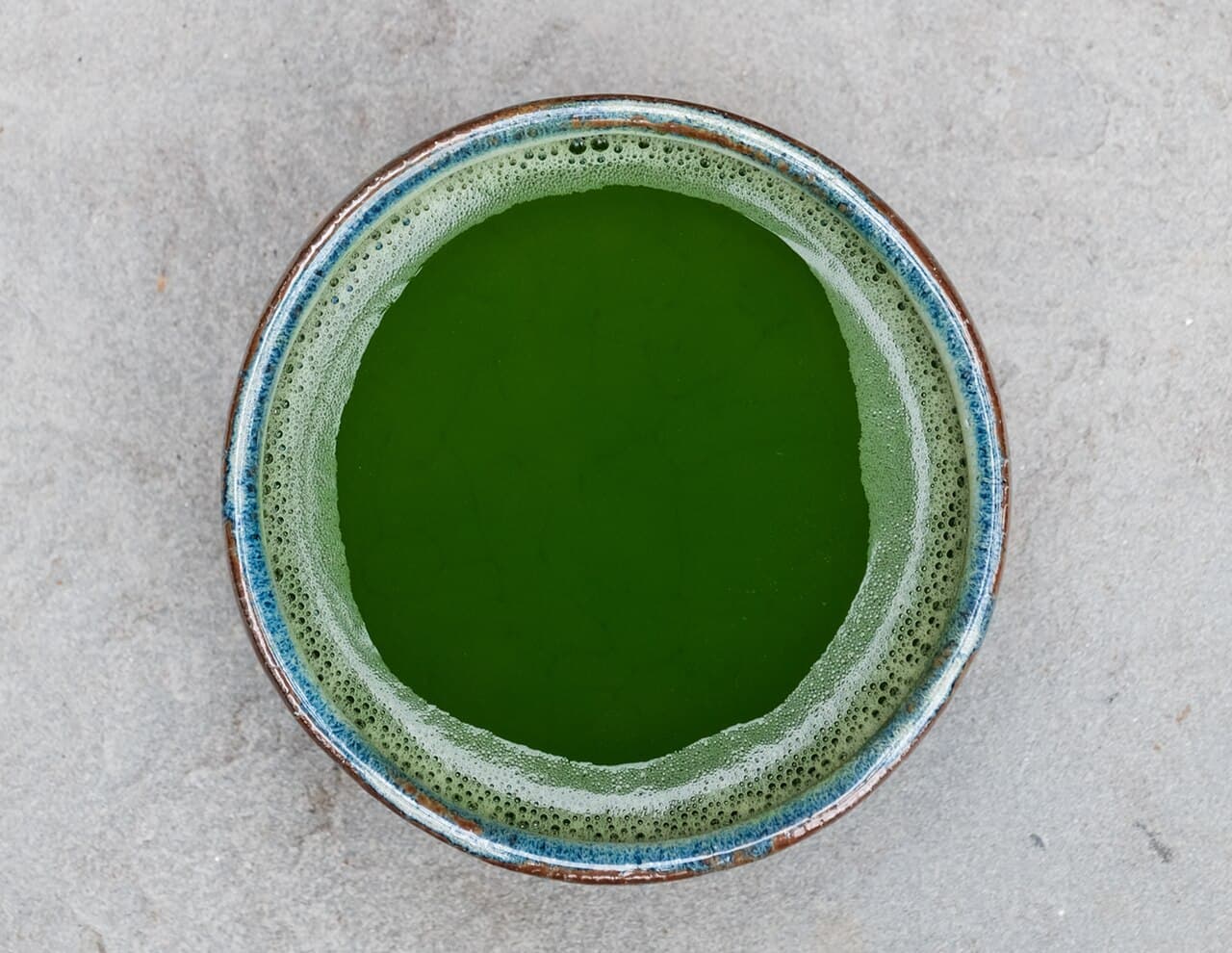
Cafe Komaya
Gluten-free cheesecake & matcha roll cake
A tiny 100% gluten-free cafe near Roppongi-itchome with English-speaking staff, chewy gluten-free lunches and a celebrated matcha roll cake.
- Gluten-free
- Casual
- Solo
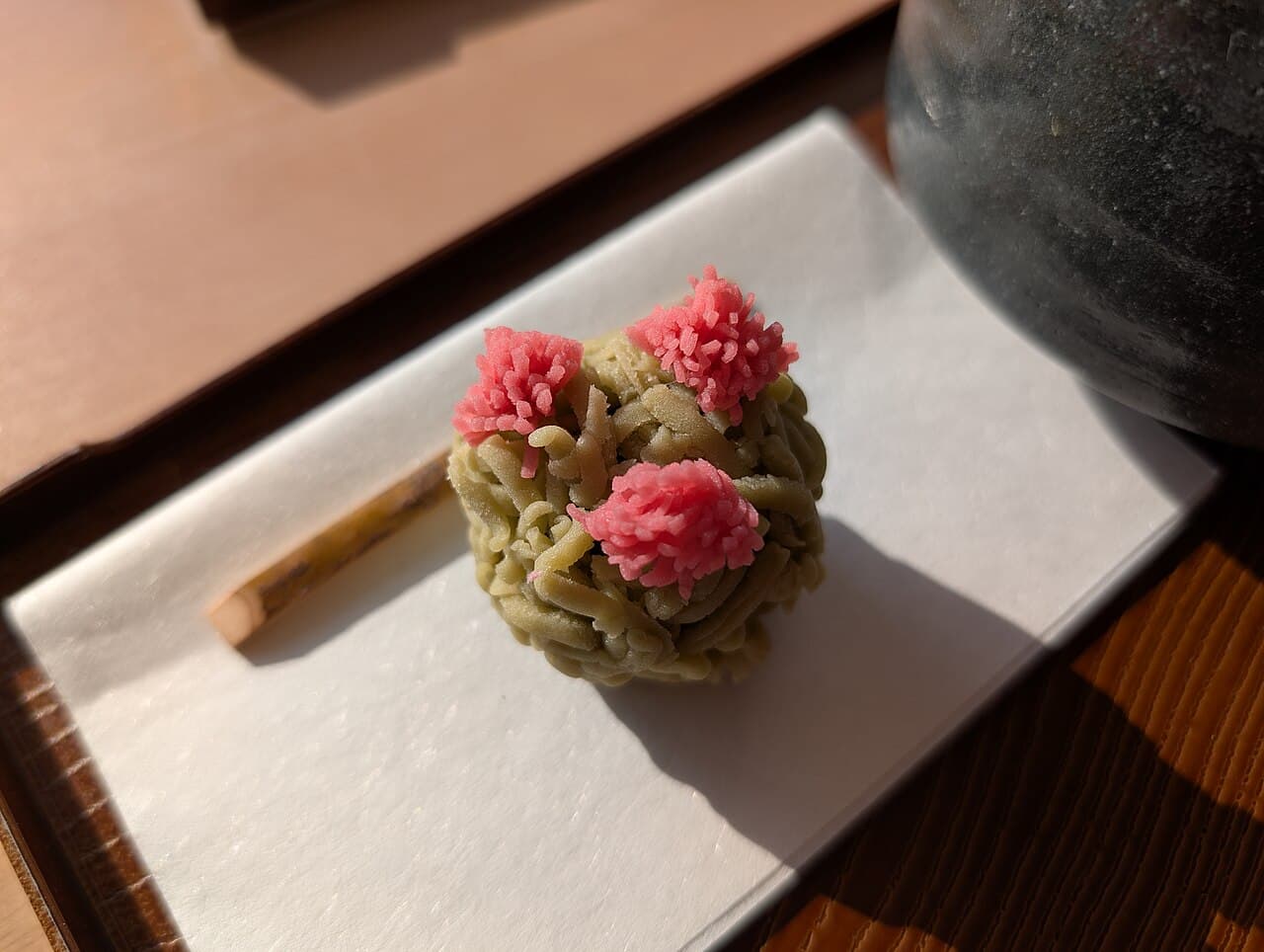
GEN-TEN Gluten-free Bakery
Brown-rice (genmai) bread and gluten-free taiyaki
A dedicated gluten-free, rice-flour bakery counter in the basement of Shibuya Scramble Square, making breads, taiyaki and sweets with no wheat, additives or white sugar, and many items are vegan and dairy-free. It is a grab-and-go bakery rather than a sit-down meal, and as a dedicated GF facility cross-contamination risk is low though not certified celiac-safe.
- Gluten-free
- Vegan
- Dairy-free
- Casual
- Solo
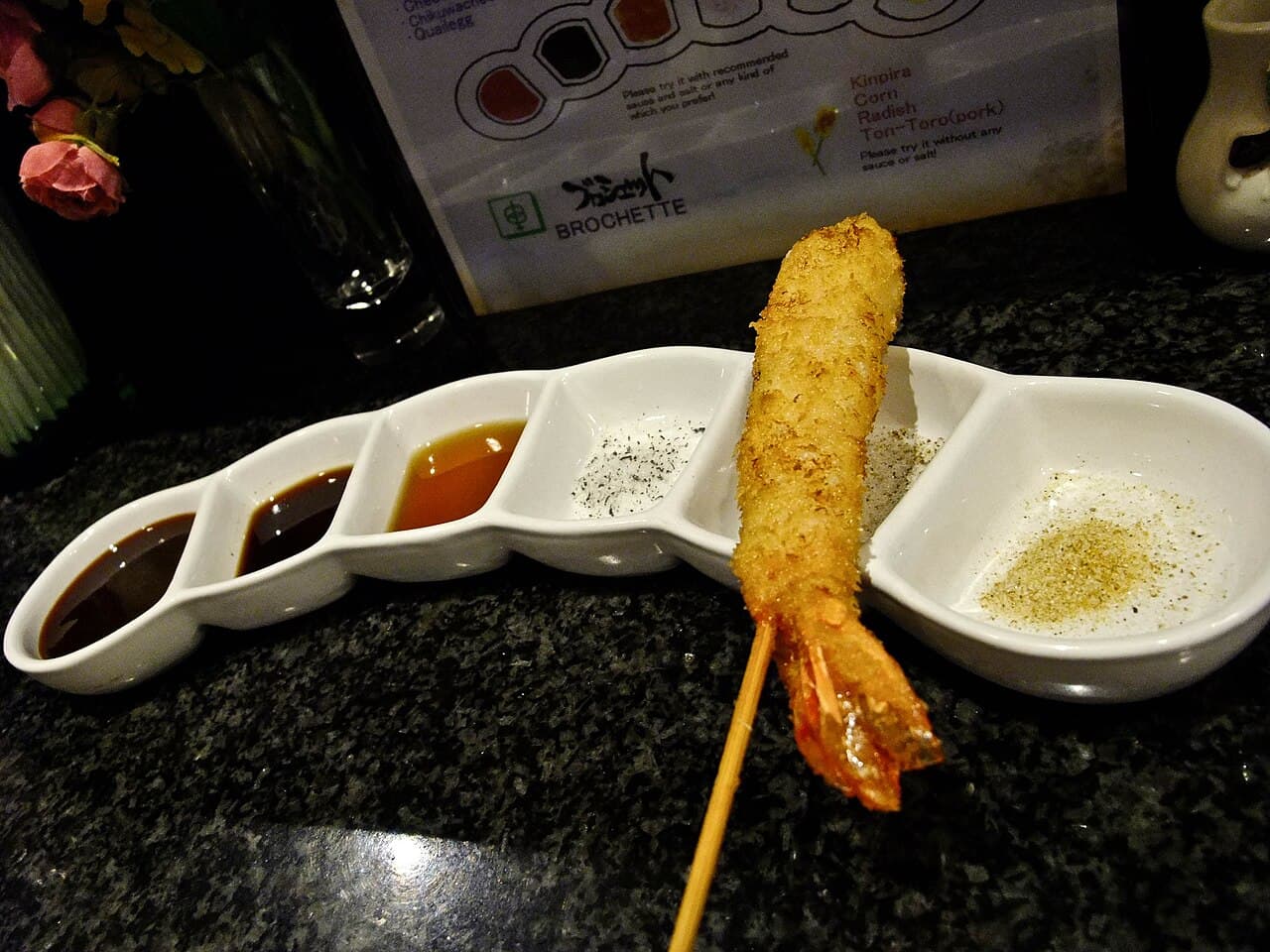
Gluten-Free Kushiage Su
Rice-flour kushiage omakase course
A reservation-only Ginza counter where an entirely gluten-free kushiage omakase is fried in rice oil with rice-flour breadcrumbs — a rare safe haven for coeliacs.
- Gluten-free
- Date
- Anniversary
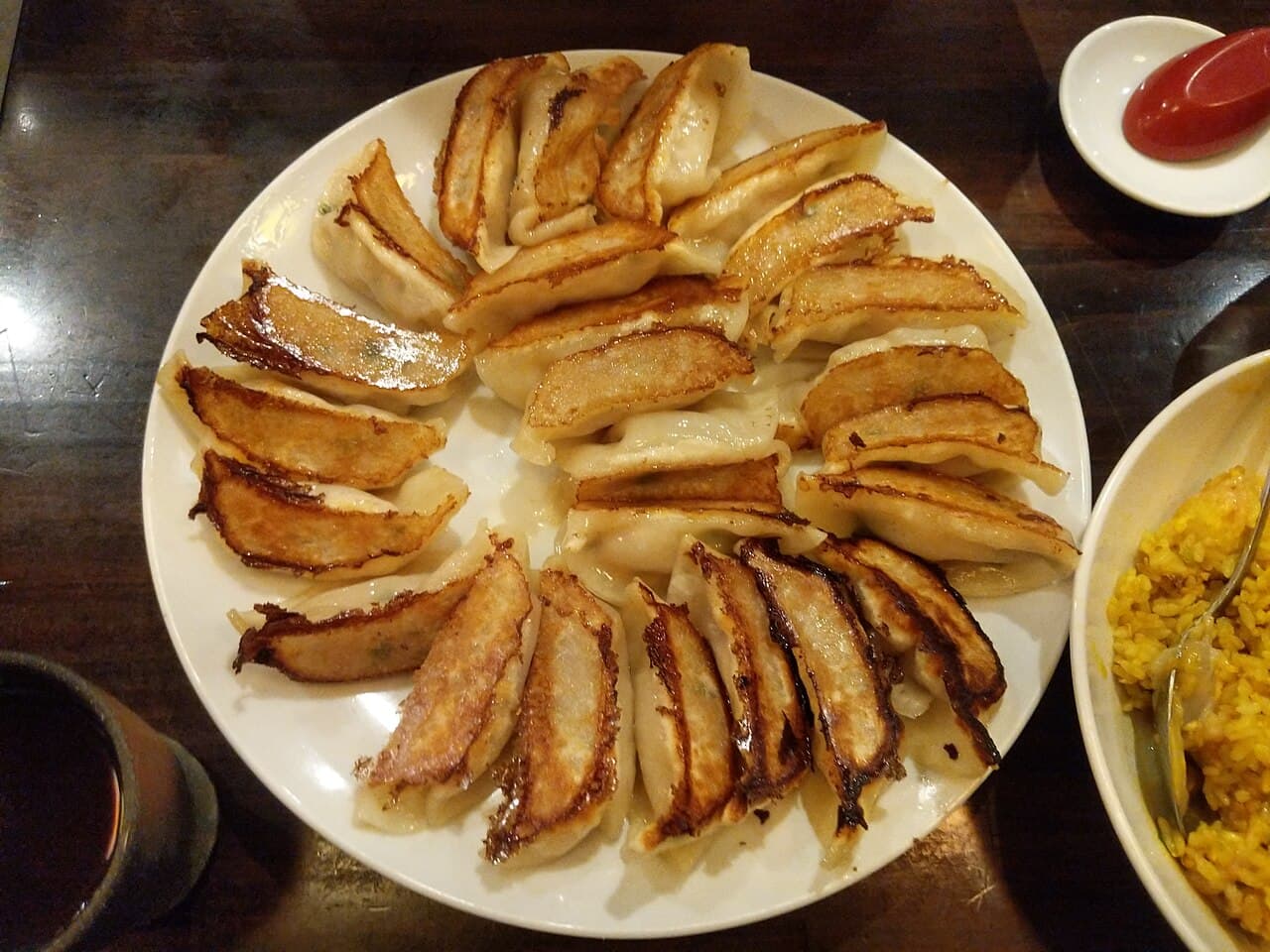
Gluten Free Cafe Little Bird
Gluten-free gyoza, karaage and yakisoba
A dedicated gluten-free cafe whose entire kitchen is wheat-free, serving GF Japanese comfort food such as gyoza, karaage, ramen and yakisoba with English-marked menus. Its Tabelog listing is currently status-undetermined, so confirm hours via its Instagram before visiting.
- Gluten-free
- Vegetarian
- Dairy-free
- Casual
- Solo
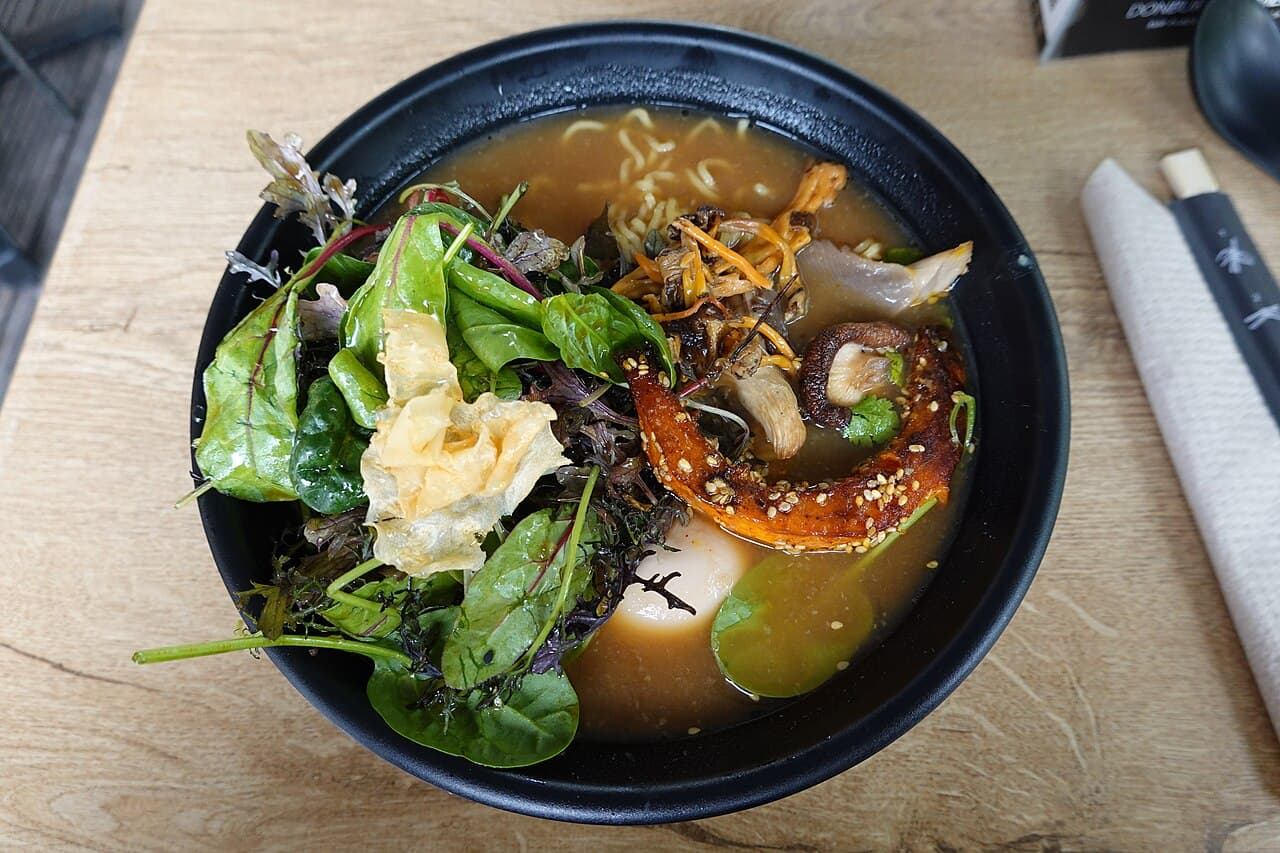
Gluten Free T's Kitchen
Rice-flour gyoza and miso-butter corn ramen
Asia's first GIG-certified gluten-free kitchen, where every dish — from rice-flour gyoza to miso-butter ramen — is safe for coeliac diners.
- Gluten-free
- Vegan
- Vegetarian
- Dairy-free
- Nut-free
- Casual
- Solo
Sources
FAQ
- Is tamari always gluten-free?
- No. Tamari traditionally uses little or no wheat, but many commercial tamari still contain some. If you're celiac, only trust a bottle explicitly labeled gluten-free (グルテンフリー) or wheat-free (小麦不使用), or carry your own certified GF tamari packets.
- Can I ask for soy sauce to be left off my dish?
- Yes, and it helps, but remember soy sauce is often already inside marinades, broths and sauces before the plate reaches you. Ask whether the dish is cooked with shoyu at all, not just whether it's served on the side.
- Is sashimi safe for celiacs?
- The raw fish itself is naturally gluten-free, but the soy sauce you dip it in usually isn't. Bring a GF tamari packet and use that instead of the shared soy dish.