
Dietary guide
Is Tonkatsu Gluten-Free? The Honest Answer (and Where to Eat GF Katsu in Tokyo)
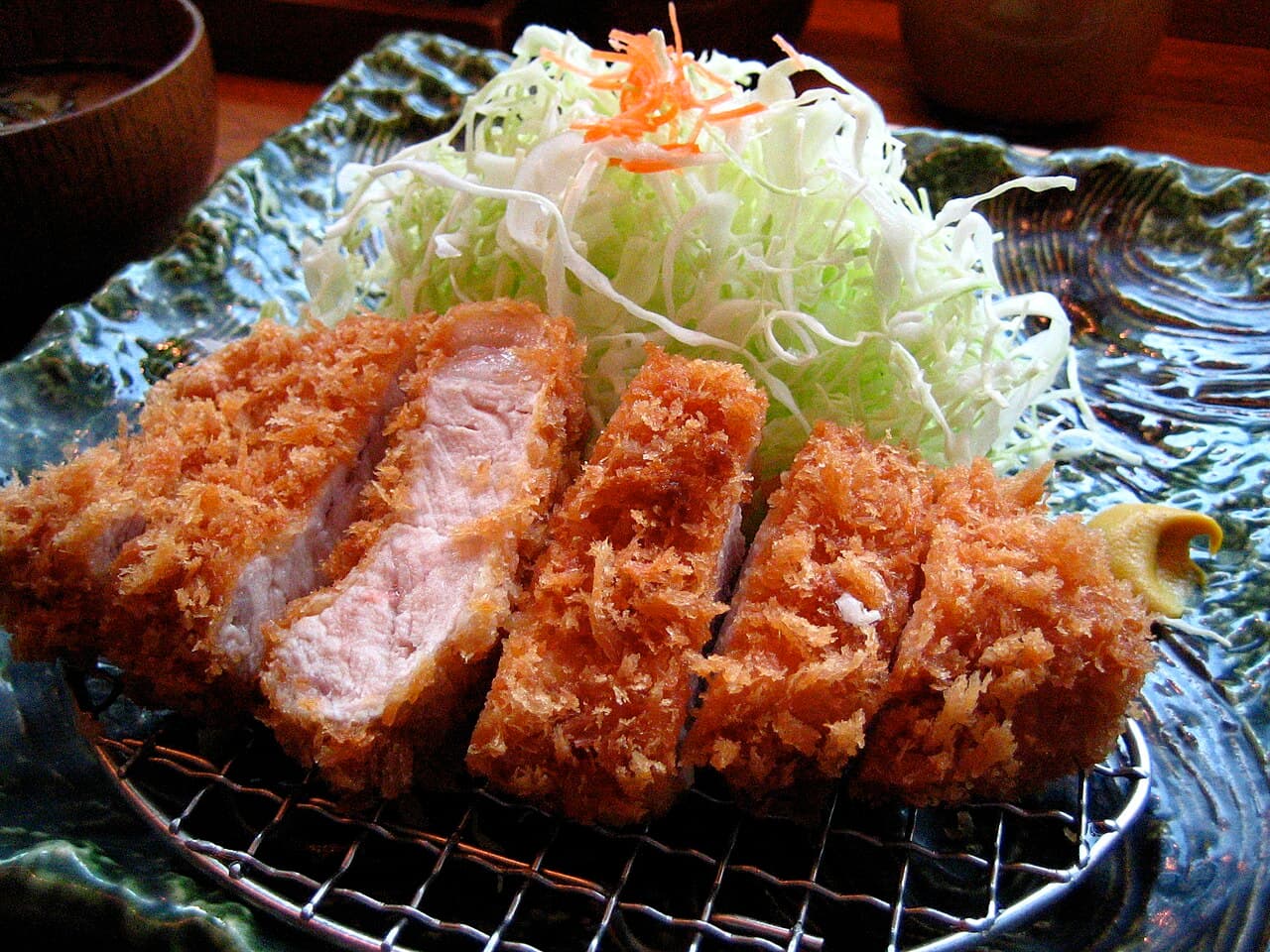
Short answer: no. A classic tonkatsu is one of the most gluten-heavy dishes in the Japanese repertoire — three wheat sources stacked on one plate. If you're strict about gluten, the good news is that Tokyo now has real dedicated gluten-free kitchens that make katsu the way you'd want it, with a rice-flour crumb and clean oil.
Why standard tonkatsu isn't gluten-free
The problem is baked into the technique. The pork loin or fillet is first dusted in wheat flour, dipped in egg, then pressed into panko — Japanese breadcrumbs made from wheat bread. That's two sources before it hits the pan. Then it's deep-fried, almost always in oil shared with other breaded items (tempura, croquettes, karaage dusted in flour), so even a theoretical crumb swap wouldn't clear the fryer.
Finally, the sauce. Tonkatsu sauce is wheat-based (it's a thick Worcestershire-style sauce), and the shredded-cabbage dressing and the miso soup beside it often contain wheat too. The same applies to katsudon, where the cutlet is simmered in a soy-and-dashi broth — and regular soy sauce contains wheat.
The soy-sauce trap
This catches a lot of travelers. Ordinary Japanese soy sauce (shoyu) is brewed with wheat, so "just sauce, no breading" doesn't make katsu safe. Even tamari, the darker soy usually made without wheat, isn't guaranteed — some brands add a little, so a truly sensitive eater should confirm the specific bottle. Rice-based seasonings are your safer default. For the full framework, see our gluten-free Tokyo guide and the gluten-free dietary page.
Where to eat gluten-free katsu (and fried food) in Tokyo
These are dedicated or near-dedicated GF kitchens, which sidesteps the shared-fryer problem:
- Gluten-Free Kushiage Su (Ginza) — kushiage, deep-fried skewers, done entirely gluten-free. The closest thing to a proper crunchy katsu experience without the wheat, English menu in hand.
- Gluten Free T's Kitchen (Roppongi) — gluten-free comfort food, the category katsu belongs to.
- Cafe Komaya (Roppongi) — a 100% gluten-free cafe for lunch and sweets.
- Gluten Free Cafe Little Bird (Yoyogi-Hachiman) — a dedicated GF Japanese cafe doing things like gyoza.
- GEN-TEN Gluten-free Bakery (Shibuya) — brown-rice bakery, if you want a GF panko or crumb to cook at home.
A word on honesty: "dedicated kitchen" is far stronger than "GF option." At a normal tonkatsu counter, a GF cutlet fried in the same oil and plated with the same sauce is cross-contaminated — fine for a preference, not for celiac disease. I won't call any of these celiac-certified unless the restaurant states it; ask about the fryer and the tamari when you sit down.
How to eat well anyway
Go to a place built for you rather than negotiating at one that isn't. Order rice-flour katsu or gluten-free kushiage, ask for tamari or ponzu on the side, and you'll get the shattering-crisp bite that makes this dish worth chasing — minus the wheat. Related reading: is sushi gluten-free?
Places we’ve confirmed
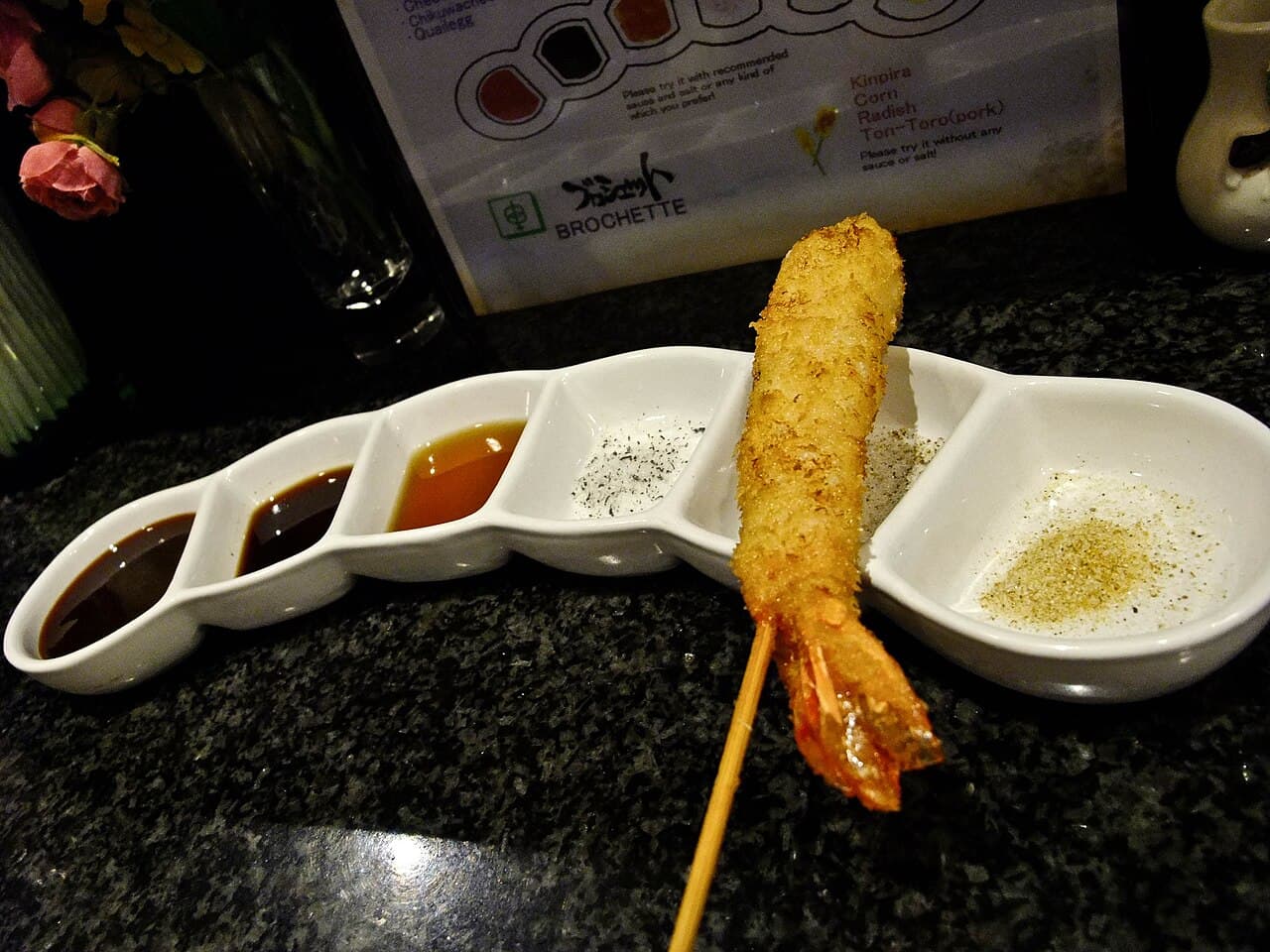
Gluten-Free Kushiage Su
Rice-flour kushiage omakase course
A reservation-only Ginza counter where an entirely gluten-free kushiage omakase is fried in rice oil with rice-flour breadcrumbs — a rare safe haven for coeliacs.
- Gluten-free
- Date
- Anniversary
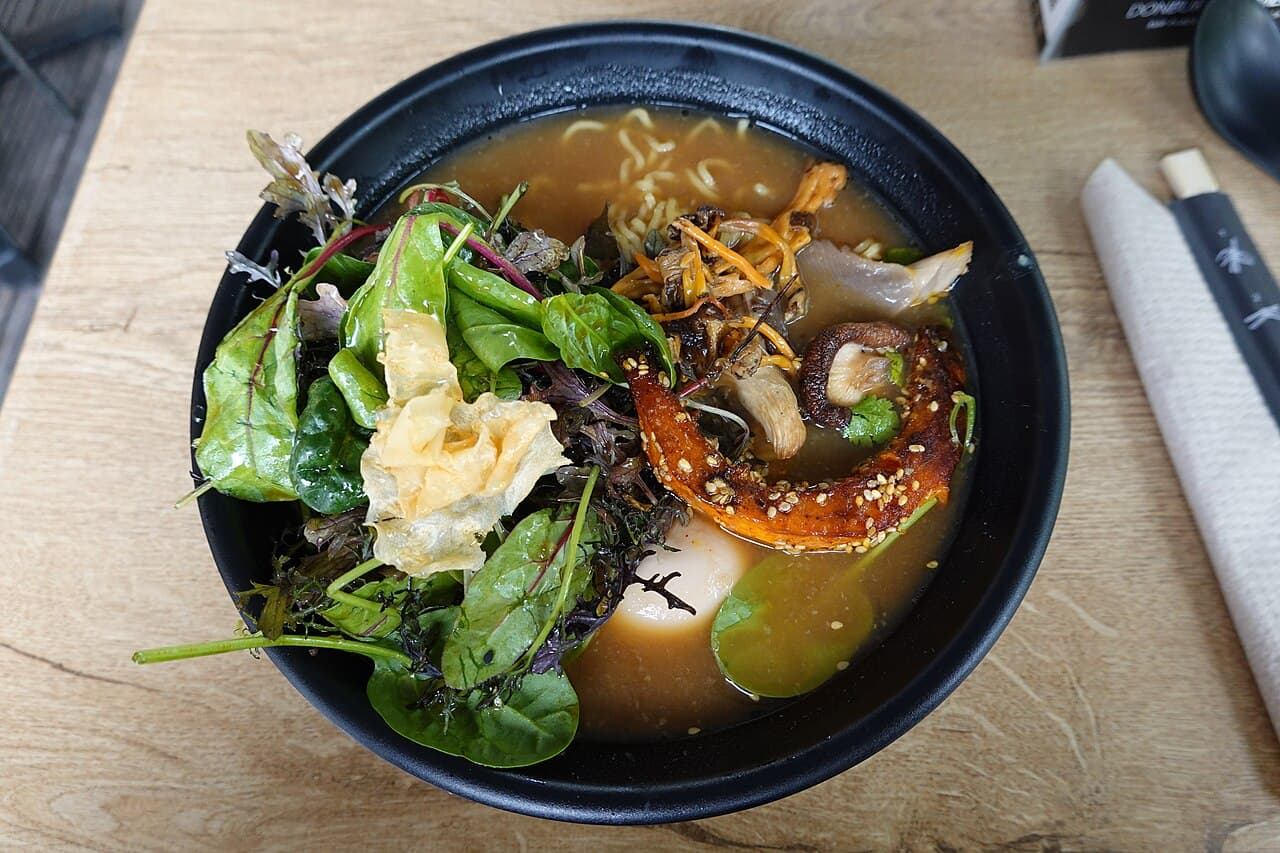
Gluten Free T's Kitchen
Rice-flour gyoza and miso-butter corn ramen
Asia's first GIG-certified gluten-free kitchen, where every dish — from rice-flour gyoza to miso-butter ramen — is safe for coeliac diners.
- Gluten-free
- Vegan
- Vegetarian
- Dairy-free
- Nut-free
- Casual
- Solo
Cafe Komaya
Gluten-free cheesecake & matcha roll cake
A tiny 100% gluten-free cafe near Roppongi-itchome with English-speaking staff, chewy gluten-free lunches and a celebrated matcha roll cake.
- Gluten-free
- Casual
- Solo
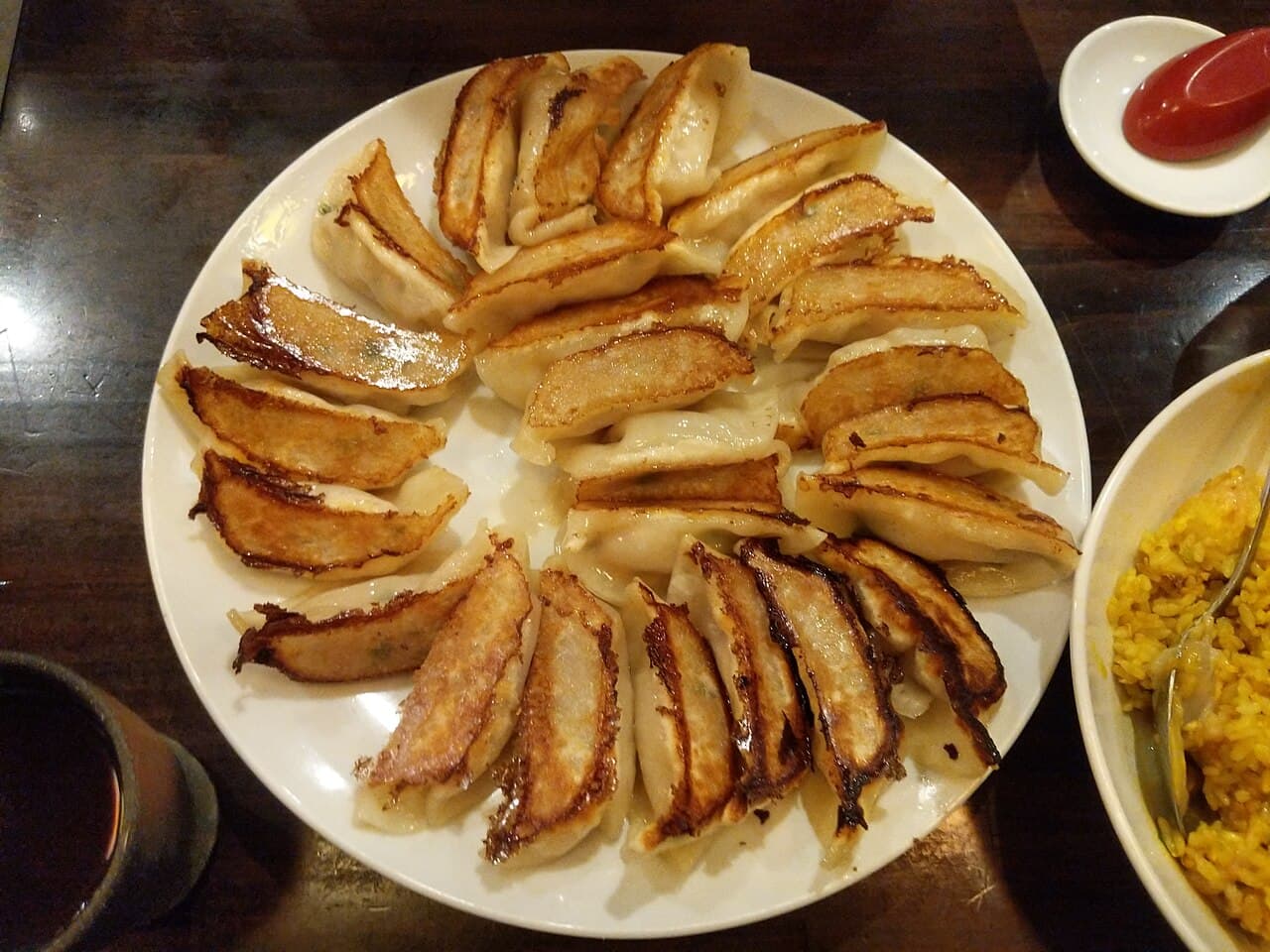
Gluten Free Cafe Little Bird
Gluten-free gyoza, karaage and yakisoba
A dedicated gluten-free cafe whose entire kitchen is wheat-free, serving GF Japanese comfort food such as gyoza, karaage, ramen and yakisoba with English-marked menus. Its Tabelog listing is currently status-undetermined, so confirm hours via its Instagram before visiting.
- Gluten-free
- Vegetarian
- Dairy-free
- Casual
- Solo
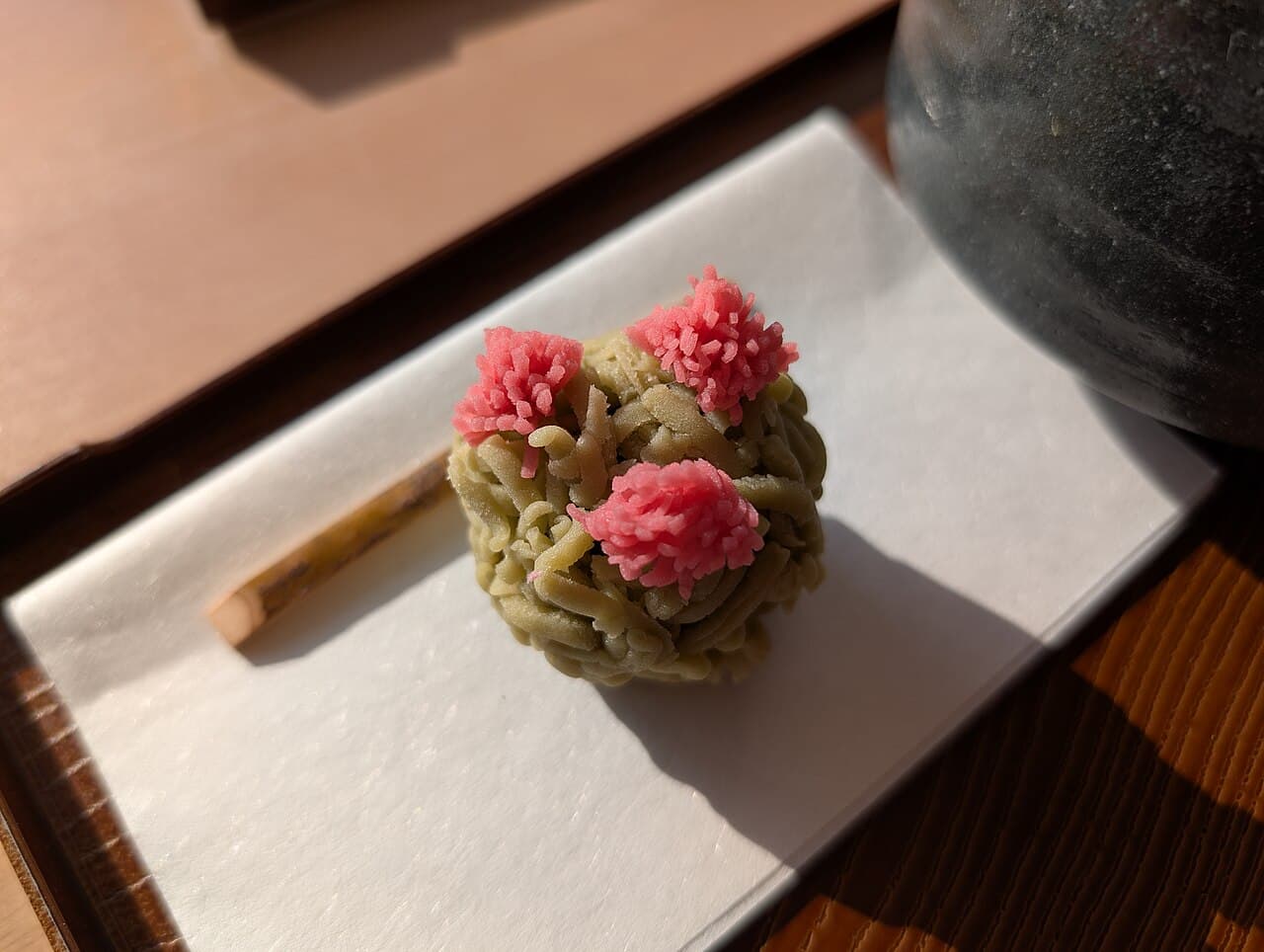
GEN-TEN Gluten-free Bakery
Brown-rice (genmai) bread and gluten-free taiyaki
A dedicated gluten-free, rice-flour bakery counter in the basement of Shibuya Scramble Square, making breads, taiyaki and sweets with no wheat, additives or white sugar, and many items are vegan and dairy-free. It is a grab-and-go bakery rather than a sit-down meal, and as a dedicated GF facility cross-contamination risk is low though not certified celiac-safe.
- Gluten-free
- Vegan
- Dairy-free
- Casual
- Solo
Sources
FAQ
- Is tonkatsu sauce gluten-free?
- No. Standard tonkatsu sauce is a thick, Worcestershire-style sauce made with wheat. Ask for tamari or ponzu on the side instead, and confirm the tamari is wheat-free if you're strict.
- Can I ask a tonkatsu restaurant to fry my cutlet without flour?
- You can, but it usually won't make it safe. The cutlet still needs a crumb (normally wheat panko), and it's fried in oil shared with other breaded items, so cross-contamination remains. A dedicated gluten-free kitchen is the reliable choice.
- Is katsudon gluten-free?
- No. Katsudon uses a breaded, wheat-coated cutlet simmered in a broth of dashi and regular soy sauce, which contains wheat — so it stacks the same gluten sources as tonkatsu.