
Area guide
Gluten-Free Restaurants in Fukuoka: A Local Editor's Guide
The Short Answer
Fukuoka is not a gluten-free desert. It's a smaller scene than Tokyo or Osaka, but it has a genuine cluster of places worth planning a meal around — a dedicated non-gluten tempura restaurant, an all-day gluten-free cafe, a fully vegan cafe with GF desserts, and even one tonkotsu ramen shop that will swap your noodles. None of it is accidental: these are kitchens that specifically market themselves on rice flour (米粉) or "non-gluten" (ノングルテン, a Japanese term some shops use to mean a stricter, more controlled standard than casual "gluten-free").
Nishijin: Fukuoka's Rice-Flour Tempura Counter
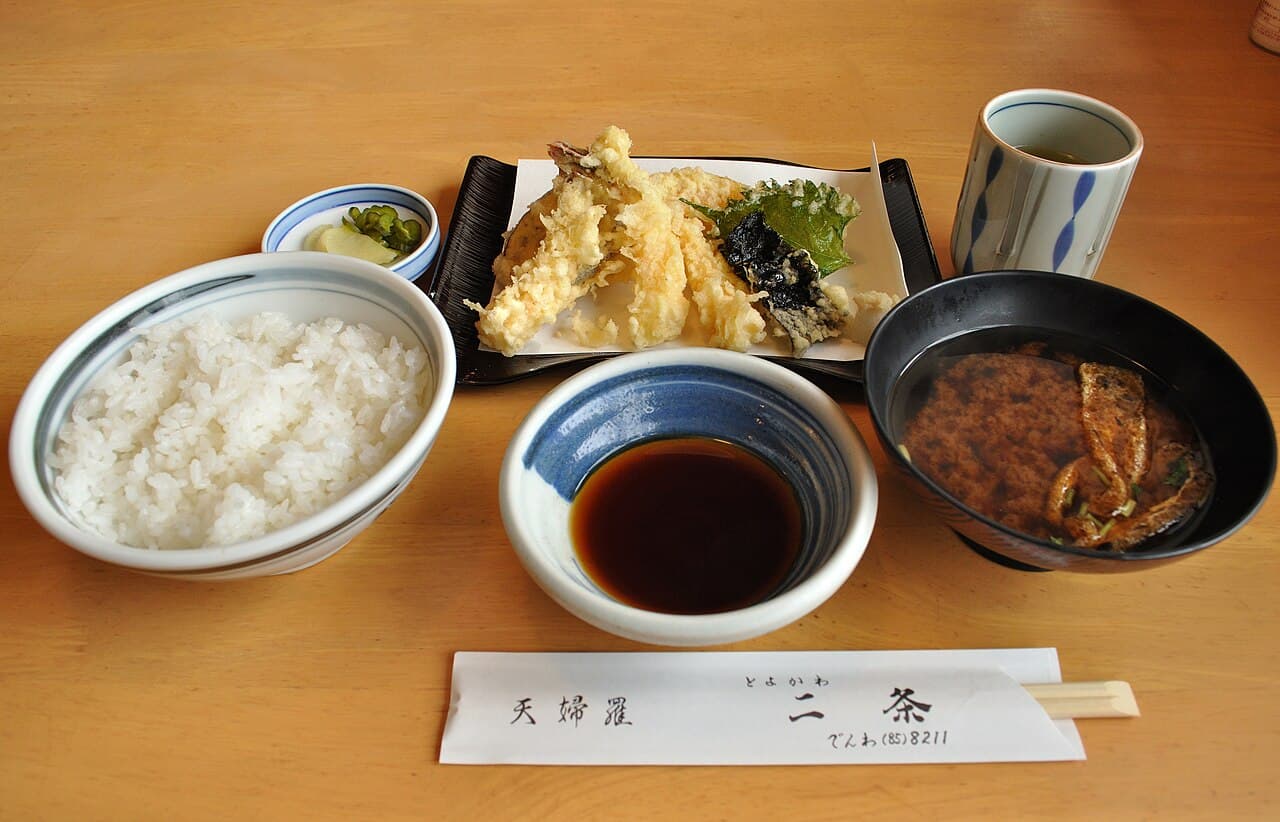
Komeko Tenpura Koubou Ten (米粉てんぷら工房 天) — 4-7-21 Nishijin, Sawara-ku, about a 3-minute walk from Nishijin Station (exit 4, Airport Line). Every item on the menu is made with a certified non-gluten rice flour — gluten content of 1ppm or below, one of the stricter standards used in Japan — instead of wheat batter. It's a full izakaya-style menu, not just tempura — lunch runs roughly ¥1,000–1,500, dinner roughly ¥2,000–3,000, plus a ¥300 table charge. Hours: weekdays 11:30–15:00 and 18:00–23:00, weekends/holidays 11:30–15:00 and 17:00–22:30; closed Mondays.
Minami-ku: A Dedicated Gluten-Free Cafe
NONGLUTEN CAFE 8302 — 2-2-2 Shiobara, Minami-ku (Umezaki Building 1F), about a 7-minute walk from JR Takeshita Station. Opened January 2024, this cafe is built around galettes and cakes made with rice flour, and also pours gluten-free beer. Its Tabelog listing gives hours as daily 8:00–18:00 (food last order 17:30), though at least one other listing implies later hours — worth a same-day check either way. This is one of the few Fukuoka spots where the entire kitchen is oriented around gluten-free baking rather than offering a token substitution.
Chuo-ku: Vegan Meets Gluten-Free
Rota Cafe — 1-3-25 Hirao, Chuo-ku, a few minutes' walk from Yakuin Station. The cafe relocated here from its original Daimyo location in 2023; several older directory listings (and a few still-live ones) haven't caught up and show the former Daimyo address, so trust the current official site over those. Fully vegan menu, no refined white sugar or dairy, with gluten-free dessert options alongside the regular menu. Open 11:00–18:00 (last order 17:00), closed Sundays and holidays. An English menu is available. Because it's vegan-first rather than GF-first, ask specifically which savory dishes are wheat-free — not everything on a vegan menu is automatically gluten-free in Japan (soy sauce and miso are common wheat carriers).
When Ramen Calls: Hidechan's Noodle Swap
Hidechan Ramen Tonbo-ten (秀ちゃんラーメン とんぼ店) — 2-13-11 Keigo, Chuo-ku, walkable from Akasaka Station. For an extra ¥250 you can swap the standard wheat noodles for gluten-free noodles, and a GF kaedama (noodle refill) is also ¥250. Read the fine print, though: the broth and toppings are shared with the regular kitchen, so this is a noodle swap, not a dedicated gluten-free bowl — cross-contamination risk is real, and tonkotsu broths in Japan sometimes carry wheat-based seasoning. If you're strictly celiac rather than gluten-sensitive, treat this as an option to ask about carefully, not a guaranteed-safe meal.
Sawara-ku Family Table: Washoku
Washoku (笑食), at 3-9-23 Hara, Sawara-ku, describes its entire menu as free of egg, dairy, and wheat — a rarity for a casual family-style restaurant rather than a specialty cafe. Hours are roughly 11:00–14:00 and 17:30–22:00, with irregular closures. Confirm the exact building on a map app before heading over, since it's a small, family-run spot a fair way from the nearest train station.
Traps to Avoid
- Soy sauce is wheat. Standard Japanese shoyu is brewed with wheat; only bottles labeled tamari (or explicitly gluten-free shoyu) are reliably wheat-free, and even tamari can contain trace wheat depending on the brand.
- Tonkotsu and other broths can hide wheat-based seasoning in the tare (flavoring base), even when the noodles themselves are swapped out, as Hidechan's own listing acknowledges.
- "Vegan" does not mean gluten-free in Japan, and vice versa — always ask about the two separately.
- Tempura batter is wheat by default. The rice-flour tempura shop above is an exception precisely because it advertises it; ordinary tempura counters use wheat flour.
Practical Tips
Useful phrase: "グルテンフリーの物はありますか?" (Guruten-furī no mono wa arimasu ka? — "Do you have gluten-free options?") or, for a stricter ask, "小麦アレルギーがあります" (Komugi arerugī ga arimasu — "I have a wheat allergy"), which Japanese staff tend to take more seriously as a medical statement than "gluten-free" alone. Nishijin Station (Kūkō Line) gets you to Komeko Tenpura Koubou Ten; Keigo and Hirao are both walkable from Yakuin or Akasaka stations for the Chuo-ku spots; Takeshita Station (JR Kagoshima Line) gets you to NONGLUTEN CAFE 8302; Washoku, out in Hara (Sawara-ku), is easiest reached by bus or taxi from Nishijin Station. Confirm hours same-day — several of these are small, independently run kitchens with irregular closures.
Sources
FAQ
- Are there any restaurants in Fukuoka with a fully dedicated gluten-free kitchen?
- Yes. Komeko Tenpura Koubou Ten in Nishijin and NONGLUTEN CAFE 8302 in Minami-ku both build their entire menus around non-gluten rice flour rather than offering a token gluten-free item, which makes them the safest bets for strict avoidance in the city.
- Can I get gluten-free ramen in Fukuoka?
- At Hidechan Ramen Tonbo-ten you can pay an extra ¥250 to swap in gluten-free noodles, but the broth and toppings are shared with the regular kitchen, so it's a partial fix rather than a fully gluten-free bowl — worth asking about directly if you have celiac disease rather than general sensitivity.
- Is Japanese soy sauce gluten-free?
- Usually not. Standard shoyu is brewed with wheat; look for tamari or a bottle explicitly labeled gluten-free, and even then check the brand, since some tamari still contains trace wheat.