
Area guide
Vegan Restaurants in Fukuoka: A Real, Checked-Before-You-Go Guide
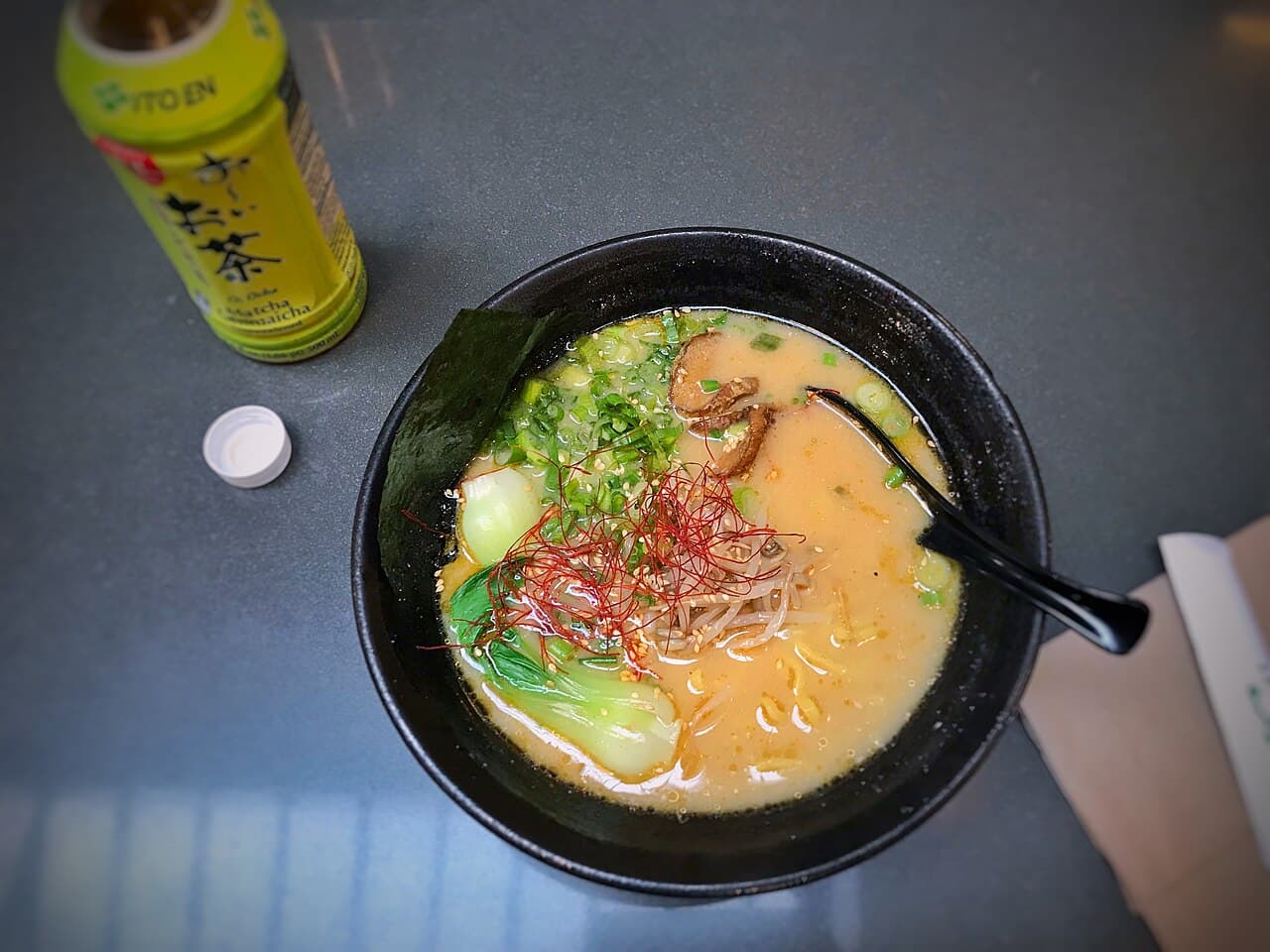
Short answer: Fukuoka has a small but genuine vegan scene, concentrated around Hakata and Tenjin, with a modern tasting-counter option near Ohori Park and one standout day-trip destination in nearby Dazaifu. None of these are "accidentally vegan" izakaya — they're places that built their menus around plant-based cooking, which matters in a country where dashi (fish stock) hides in almost everything labeled "vegetable."
Hakata: an all-vegan ramen bar and a sushi shop's secret vegan lunch
Bugoro (All Vegan), on the 2nd floor at 5-26 Gokushomachi in Hakata-ku (a 4-minute walk from Gion Station), is a tiny, walk-in-only shop run by a chef with more than 20 years of vegan cooking experience. The menu centers on Hakata-style ramen and creamy dandan noodles built without any animal products, plus gyoza and desserts. It keeps irregular, evening-only hours — recent listings put it around 6pm–9pm, closed Mondays and Tuesdays — so check their Instagram for the current schedule before you go; this is a place to build an evening around, not a guaranteed lunch stop.
A more unusual find is Sushi Shima, a sushi restaurant at 2-10-3 Minato, Chuo-ku that serves a dedicated vegan lunch set (around ¥3,850, reservation required) — plant-based tonkotsu-style ramen made with kombu-and-dried-shiitake dashi and soy milk, alongside vegetable hosomaki, inari, seasonal sides, and dessert. It's lunch-only, and you should mention you want the vegan option when booking, but the proprietress speaks English, which is genuinely useful here since the concept (vegan ramen from a sushi shop) doesn't show up on a normal English-language menu search.
A note on Evah Dining: this well-known Fukuoka macrobiotic brand no longer runs a sit-down restaurant at Hakata Riverain Mall — that location has closed and doesn't appear in the mall's own shop directory or on Evah's current locations list. The brand continues as a handful of takeaway-only delis around the city (including one a few minutes from Hakata Station, on Hakata Ippin-dori), selling macrobiotic bento boxes and baked goods — useful for a grab-and-go vegan lunch, but not the sit-down meal some older guides describe.
Tenjin: cafés built for plant-based casual dining
Rota Cafe, now at 1-3-25 Hirao in Chuo-ku (it relocated from its earlier Daimyo address — confirm you're heading to the current Hirao location, not an old listing), is open 11am–6pm, closed Sundays and holidays. The café states outright that it uses no animal-derived ingredients, dairy, or refined sugar, with a rotating lunch plate (protein, rice, miso soup, salad) and gluten-free dessert options.
Around Tenjin proper, Sonu Sonu (a plant-based café open since 2021, about a 7-minute walk from Tenjin Station, order by QR code) and Plant-based Cafe NICE (tucked in the quieter Kego neighborhood just outside Tenjin) both lean into Western-style comfort food done plant-based — chickpea-patty burgers, loaded fries, soy-milk-based "nice cream." NICE's burgers run around ¥1,100; treat pricing elsewhere as approximate (roughly ¥1,000–¥1,500 for a burger meal) and confirm current menus before visiting, since casual cafés like these change offerings more often than set-meal restaurants.
Near Ohori Park: a modern shojin-cuisine splurge
If you want to go further upscale, Shojin Cuisine Suzuna (3-7-19 Otemon, Chuo-ku, a 4-minute walk from Ohori Park/Fukuoka Art Museum Station) is a small counter restaurant run single-handedly by chef Yuki Kizaki, who trained in Kyoto ryotei kitchens and at Kajitsu, the Michelin-starred shojin restaurant in New York. It serves one monthly-changing, fully plant-based chef's course (around ¥8,000) to just eight guests a night across 10 counter seats and two tables — book ahead, seating really is that limited.
Day trip: Dazaifu's vegan kaiseki
If you're combining Dazaifu Tenmangu shrine with a meal, Umenohana Dazaifu Bessou Shizen'an serves a vegan kaiseki centered on tofu and yuba (tofu skin) — dishes like yuba sashimi-style plates and yudofu simmered in a kombu broth — in a traditional Japanese house with a garden and pond, including private, garden-facing rooms. Lunch runs roughly 11am–4:30pm; reservations are required, though same-day booking is sometimes possible, so this is worth planning around rather than walking in.
Traps to avoid
- The dashi trap. "Vegetable" or "vegetarian" on a Japanese menu does not mean vegan — dashi made from katsuobushi (bonito flakes) or niboshi (dried sardines) is the default base for miso soup, simmered dishes, and many sauces. Only order set meals explicitly labeled vegan, or ask directly: "Kono ryouri wa katsuo dashi wo tsukatte imasu ka?" ("Does this dish use bonito stock?")
- Soy sauce and mirin. Standard soy sauce is fine for vegans (it's wheat/soy-based, not an animal product), but confirm mirin hasn't been substituted with something containing fish extract in cheaper blends — rare, but worth a glance at ingredient labels if you're strict.
- Honey and gelatin in desserts. Japanese desserts often use honey or gelatin even when the base looks plant-based (mochi and agar-based sweets are generally safe; custard-style or glazed items often aren't). Places that build their desserts from scratch without dairy or refined sugar — like Suzuna's course or NICE's soy-based "nice cream" — are the safer bet.
Practical tips
Reserve ahead where noted — Sushi Shima's vegan lunch set and Suzuna's tasting course require booking, and Umenohana in Dazaifu is lunch-only and appointment-based. Bugoro, by contrast, is walk-in only but keeps irregular hours, so it rewards flexibility over rigid planning. Hours and prices above are drawn from restaurant sites and the official FUKUOKA CITY Tourist Guide as of mid-2026, but menus and locations do shift — Rota Cafe's move from Daimyo to Hirao, and Evah Dining's closure of its Riverain Mall restaurant, are good reminders — so a quick check of the restaurant's own site or a recent Google Maps listing before you go is worth the two minutes.
Sources
- Three restaurants where you can enjoy vegan cuisine in Fukuoka — VISIT FUKUOKA (official Fukuoka Prefecture travel guide)
- Fukuoka's vegetarian-friendly fare for every type of diner 2026 — FUKUOKA CITY Official Tourist Guide
- Macrobiotic Cafe Evah Dining — Fukuoka Now
- Suzuna Opens in Otemon: A New, Quiet Benchmark for Modern Shojin Cuisine — Fukuoka Now
- Rota Cafe official site
- マクロビオティックカフェ エヴァダイニング (Evah Dining official site — current locations)
FAQ
- Is Fukuoka good for vegan travelers?
- It has a small but real scene — roughly half a dozen dedicated vegan/plant-based spots across Hakata, Tenjin, and Ohori Park, plus one vegan kaiseki restaurant in nearby Dazaifu — but it's far more limited than Tokyo or Kyoto, so plan meals ahead rather than expecting to find options while walking around.
- What is the biggest hidden non-vegan ingredient in Japanese food?
- Dashi — the fish-based stock made from bonito flakes (katsuobushi) or dried sardines (niboshi) — is used as the default base in miso soup, simmered dishes, and many sauces, even ones labeled "vegetable" or "vegetarian." Confirm a dish is explicitly vegan rather than assuming.
- Do I need reservations for vegan restaurants in Fukuoka?
- For several of the best options, yes — Sushi Shima's vegan lunch set, Shojin Cuisine Suzuna's tasting course, and Umenohana's vegan kaiseki in Dazaifu are all reservation-based (same-day is sometimes possible for Umenohana). Bugoro, the all-vegan ramen shop, is walk-in only but keeps irregular hours, while casual cafés like Rota Cafe, Sonu Sonu, and NICE are more walk-in friendly.