Hiroshima has no third-party certified fully-halal restaurant yet, but four verified, currently-operating spots — halal wagyu ramen, Turkish cooking, Indian curry with a prayer space, and a self-branded "Halal Restaurant" — cluster along the Hiroden tram line downtown. This guide gives exact addresses, hours, prices, and honest caveats, including which venues serve alcohol despite halal branding.
Hiroshima has a genuine dedicated gluten-free kitchen on Miyajima island, plus an okonomiyaki shop that will fire up a separate pan for celiac guests if you reserve ahead. Two more spots offer real gluten-free options with real cross-contact caveats. Here's exactly where to go, what to ask, and what to avoid.
Hiroshima has one fully vegan restaurant (JoGeSaYu, near Hiroshima City Hall), one shojin-ryori restaurant that's vegetarian but not fully vegan (Saishoku-Kenbi), and one mixed-menu cafe with a genuinely vegan lunch set (Kissa Saeki). All three sit in or near central Hiroshima, making a one-day plan realistic — just confirm dashi and dairy before ordering anywhere outside JoGeSaYu.
Nagoya has a small but real halal dining scene: five verified restaurants across Osu, Minato, Showa, and Higashi wards. Only one — Mega Kebab in Osu — carries genuine third-party certification, from the Kyoto Halal Council. The other four are Muslim-owned or Muslim-friendly with self-described halal cooking and no alcohol. Here's exactly where to go, what makes each one halal, and the traps to avoid.
Nagoya has a small but real gluten-free scene, anchored by Michinori-tei, a teishoku restaurant built entirely around wheat-free cooking that recreates local specialties like tebasaki and misokatsu in rice-flour form. This guide covers six verified spots — a dedicated gluten-free cafe, a rice-flour bakery, and a cafe-bar with a genuinely gluten-free mazesoba — with exact addresses, hours, prices, and honest cross-contamination caveats.
Nagoya's vegan scene is small but real: two macrobiotic cafés with genuinely animal-free menus, one organic café whose "fully vegan" claim is more modest than it sounds, and a century-old miso nikomi udon shop with a dedicated mushroom-dashi vegan menu. This guide gives exact addresses, station walk times, prices, hours, and the caveats worth knowing before you go.
From a 100% wheat-free udon shop to an allergy-friendly bakery-cafe, here's where gluten-free travelers can actually relax and eat well in Sapporo — plus the hidden-wheat traps to watch for.
Sapporo's vegan scene is small but real: four verified restaurants, concentrated around Maruyama, plus the dashi trap every traveler needs to know before eating "vegetable" dishes in Japan.
Fukuoka is not Tokyo or Kyoto for vegan dining, but it has a real, growing handful of places — from an all-vegan Hakata ramen bar to a modern shojin-cuisine tasting counter near Ohori Park — worth building a day around.
Yes — Sapporo has real, verifiable halal dining now, from a certified wagyu ramen shop with its own prayer room to a Muslim-owned Indian café. Here are 4 currently-operating venues with confirmed hours, prices, and certification status, plus the traps (dashi, mirin) to watch for.
Yes — Fukuoka has real halal dining, though it's small and concentrated. Certified motsunabe and wagyu, a long-running halal Pakistani-Indian kitchen, and a Muslim-run Turkish café make it workable, provided you know which places are certified and which are simply careful.
Yes — Fukuoka has real, dedicated gluten-free options, from a rice-flour tempura counter in Nishijin to a Minami-ku cafe serving galettes and GF beer. Here's exactly where to eat, what to order, and where the hidden-wheat traps are, verified venue by venue.
Yes — Kyoto has third-party halal-certified restaurants, not just pork-free ones. We've verified three: a certified chicken-ramen counter near Karasuma, a certified wagyu kaiseki hall in Arashiyama with its own prayer room, and a certified wagyu ramen shop in Gion. Here's exactly where, plus why 'halal-certified' and 'Muslim-friendly' are not the same thing.
Yes — Kyoto has dedicated gluten-free kitchens, not just gluten-free-friendly ones. We've verified three: a gluten-free vegan ramen shop in Gion, a fully gluten-free vegan restaurant near Sanjo, and a dedicated gluten-free wagashi bakery near Nijo Castle. Here's exactly where to eat, plus the soy-sauce trap that catches almost every celiac traveller in Japan.
Yes — Kyoto is the easiest city in Japan to eat vegan, because shojin ryori (Buddhist temple cuisine) built plant-based cooking into its food culture centuries ago. We've verified four spots that serve genuinely vegan food: a Michelin Bib Gourmand temple hall, two dedicated vegan ramen shops, and a riverside tofu-kaiseki house with a named vegan course — plus the one dashi trap that still catches people out.
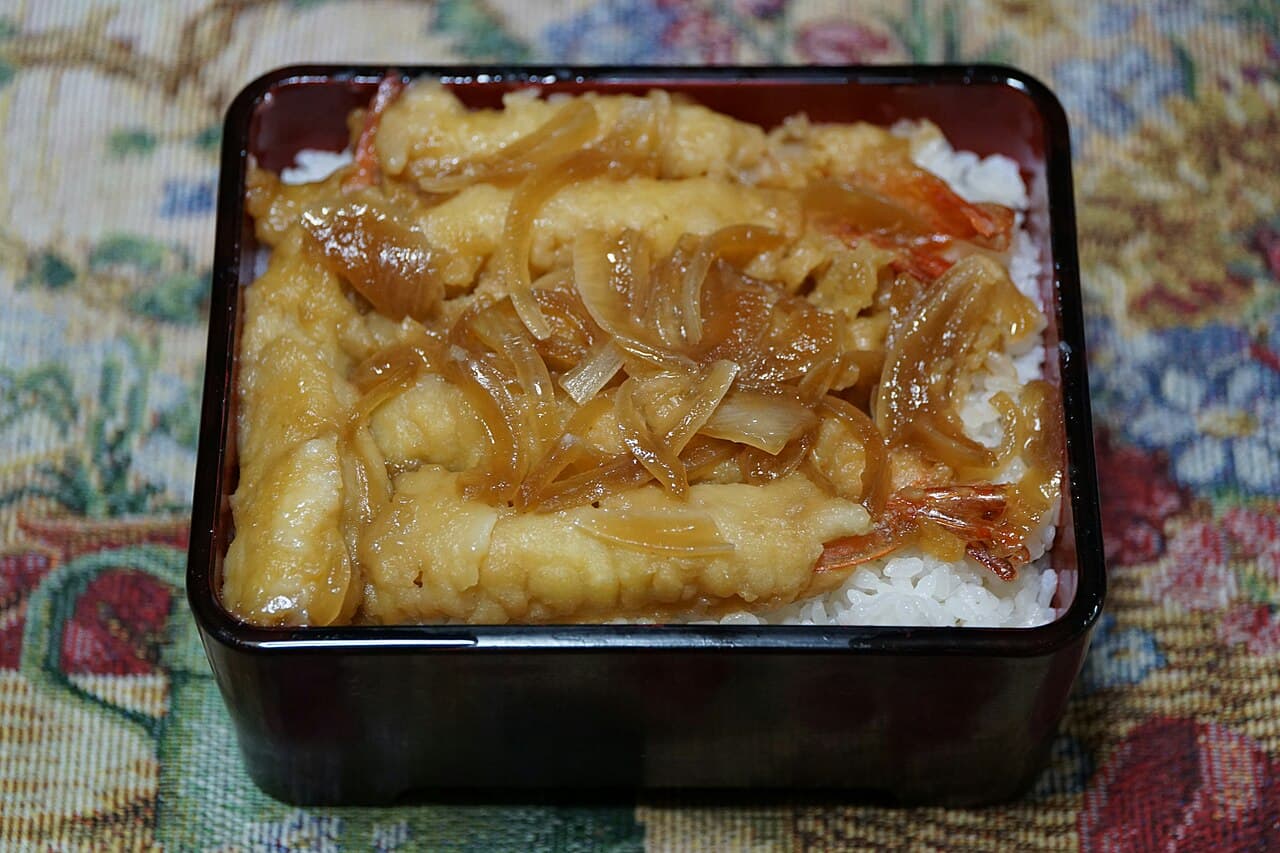
This Nihonbashi & Ningyocho food guide walks you through Edo's original merchant district and its old shitamachi neighbour: think tendon and tempura, sukiyaki in century-old rooms, Kanto-style oden, and department-store depachika. It's refined, unhurried old-Tokyo eating — savoured slowly, on foot, one dish at a time.
This Akihabara food guide is built for travellers with dietary needs. Between the arcades and gadget floors, you can eat shojin (Buddhist) veg-vegan at Komaki Shokudo, halal Sri Lankan curry and mazemen at NikoNiko Mazemen, and halal-certified Japanese curry at a CoCo Ichibanya branch — all near the station, most with English menus.
This Kagurazaka dining guide is built for a special occasion: three destinations on Tokyo's most quietly elegant hill. Book Kagurazaka Ishikawa for three-Michelin kaiseki, Shimakin for charcoal-grilled unagi in an old wooden house, and Kyorakutei for hand-cut soba. Reserve the kaiseki weeks ahead, expect a splurge, and walk the cobblestone lanes between courses.
This Kichijoji food guide walks you from Inokashira Park to Harmonica Yokocho: charcoal yakitori at Iseya (going since 1928), warm omurice at Rasupuru, and a dedicated gluten-free bakery and cafe, Where is a Dog. It's an easy day trip from Shinjuku or Shibuya — retro alleys on one side, greenery on the other, with a few English-friendly stops for diet-aware travellers.
This Ebisu & Nakameguro dining guide covers Tokyo's most design-led corner: polished dining and strong yakiniku in Ebisu, the cherry-blossom canal, cafes and wine bars of Nakameguro, and chic Daikanyama between them. Expect premium Japanese BBQ, a well-loved yuzu-shio ramen, a halal ramen option, and a genuinely useful vegan and gluten-free cluster — upscale but inclusive.
Shimokitazawa is one of Tokyo's easiest neighborhoods for plant-based and gluten-aware travelers — walkable, young, and unhurried. This Shimokitazawa food guide leads with vegan medicinal ramen and soup curry at Chabuzen, a well-loved vegan bakery in nearby Daita, standing vegan soba, and a short hop to Nakano for veg curry. Come for the vintage-shop atmosphere; stay for the food.
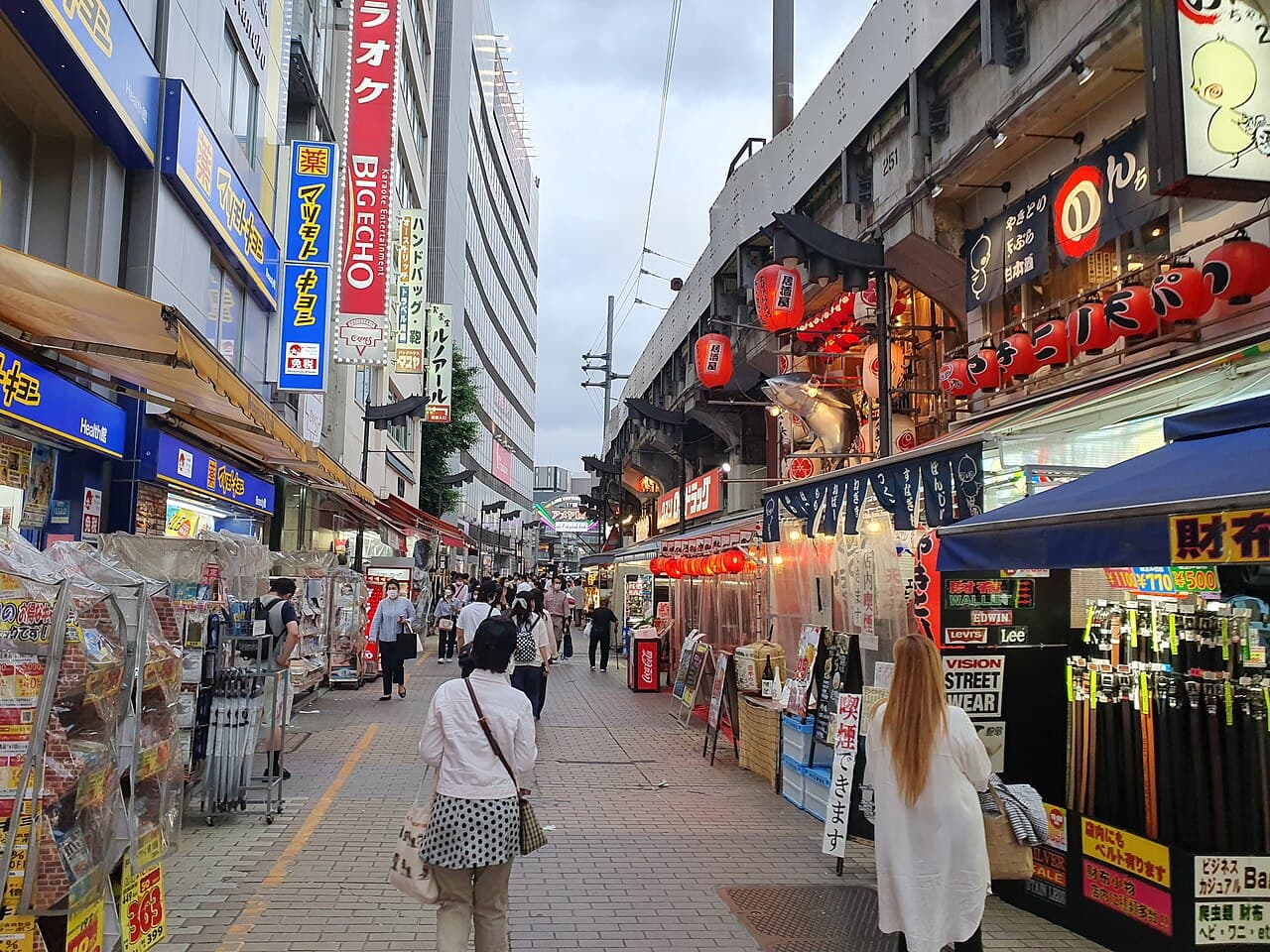
This Ueno & Yanaka food guide pairs two connected shitamachi neighborhoods: bustling Ueno, with Ameyoko market stalls, museums and the park, and quiet retro Yanaka, all wooden lanes and temples. Eat historic unagi, standing-sushi kaisen bowls, Meiji-era anmitsu, halal ramen near Okachimachi, and Yanaka's fluffy kakigori and kushiage — all walkable in a day.
Shinjuku hides more plant-based food than its neon suggests: an all-vegan burger bar by Shinjuku-Sanchome, a 100% vegan CBD cafe inside Marui, vegan patisseries by Shinjuku Gyoen, plus vegan-friendly floors at Isetan and Lumine. Seven verified spots, with English-menu notes and the dashi/egg caveats.
Eating gluten-free in old Tokyo is more possible than you would expect — Asakusa has a fully gluten-free tempura counter (fried in rice flour) and an all-vegan, all-gluten-free kitchen, plus naturally safer choices. Here is where to eat, and the cross-contact question to ask.
Old Tokyo is surprisingly easy for plant-based diners — Asakusa has fully vegan kitchens, a 300-year-old temple-cuisine house, and sweets shops a vegetarian can trust, all within walking distance of Senso-ji.
Asakusa is Tokyo's densest cluster of halal dining — certified ramen, sushi, wagyu yakiniku and curry, several with prayer rooms, all within walking distance of Senso-ji.
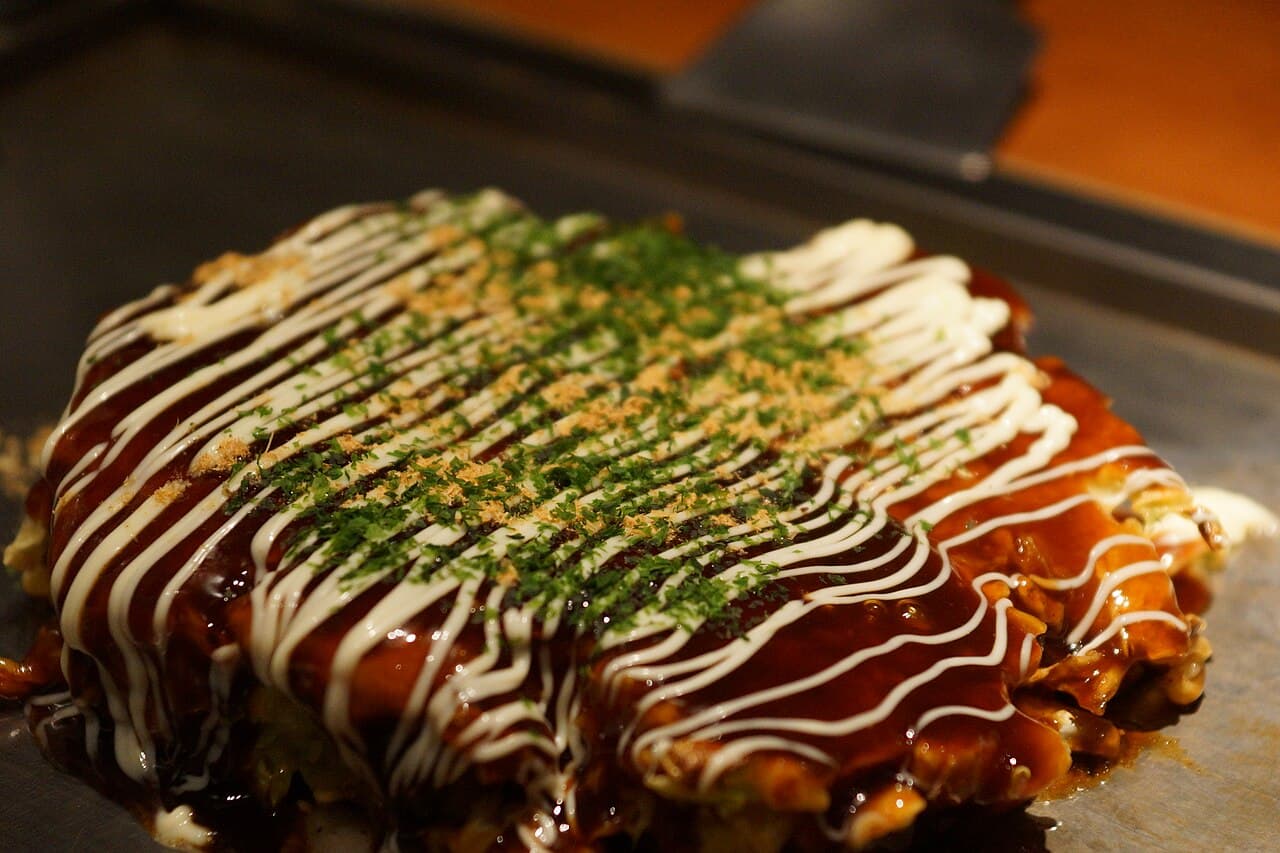
Some of Japan's best eating is a short train ride from the capital — temple kaiseki in Kita-Kamakura, Chinatown in Yokohama, persimmon-leaf sushi in Nara and Hiroshima's layered okonomiyaki. Here is where to eat, and what each diet should know.
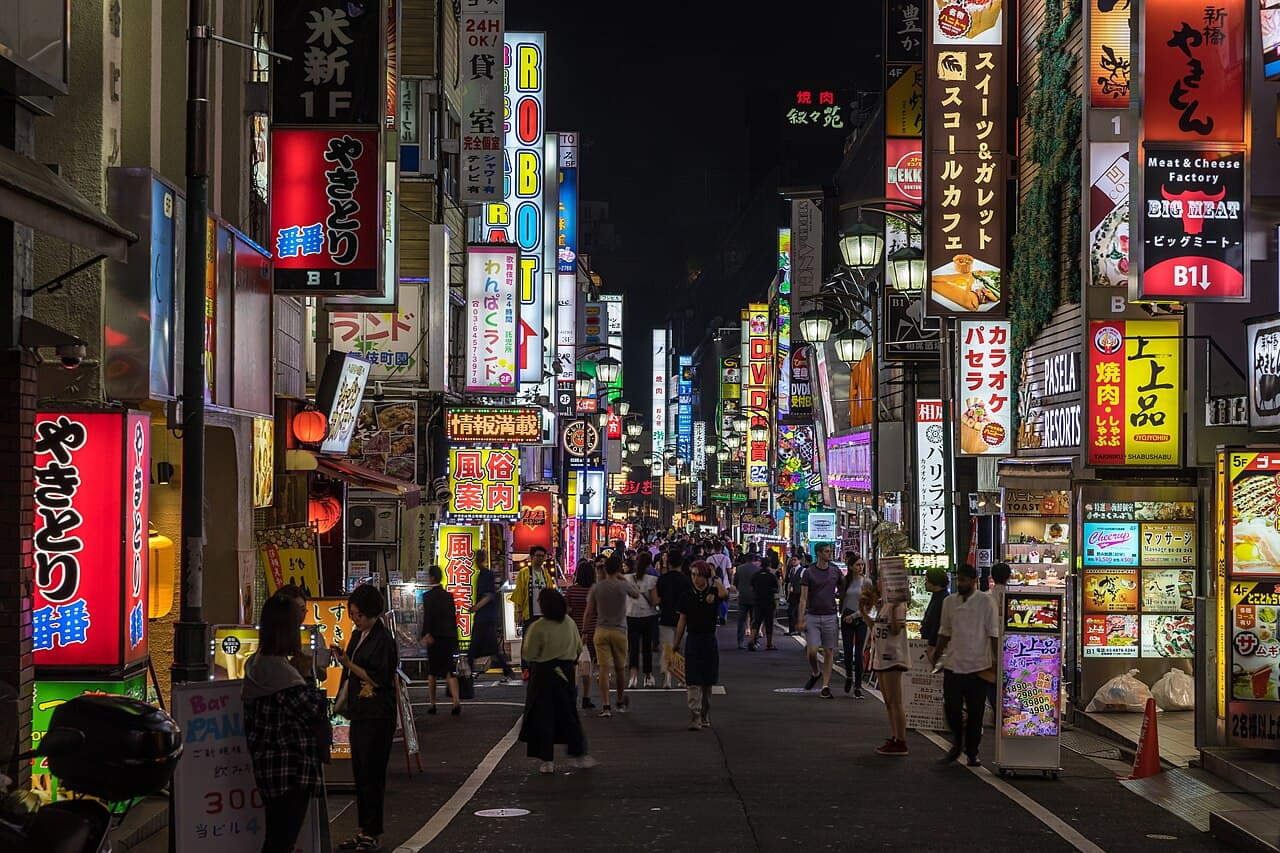
Shinjuku looks overwhelming but eats brilliantly — a Michelin Bib udon, certified-halal ramen, cult vegan pancakes and a halal wagyu bowl, all walkable from one mega-station.
Osaka lives to eat — okonomiyaki, kushikatsu and kitsune udon in Dotonbori and Shinsekai. Here are the institutions to try, plus the one fully plant-based spot if you can't.
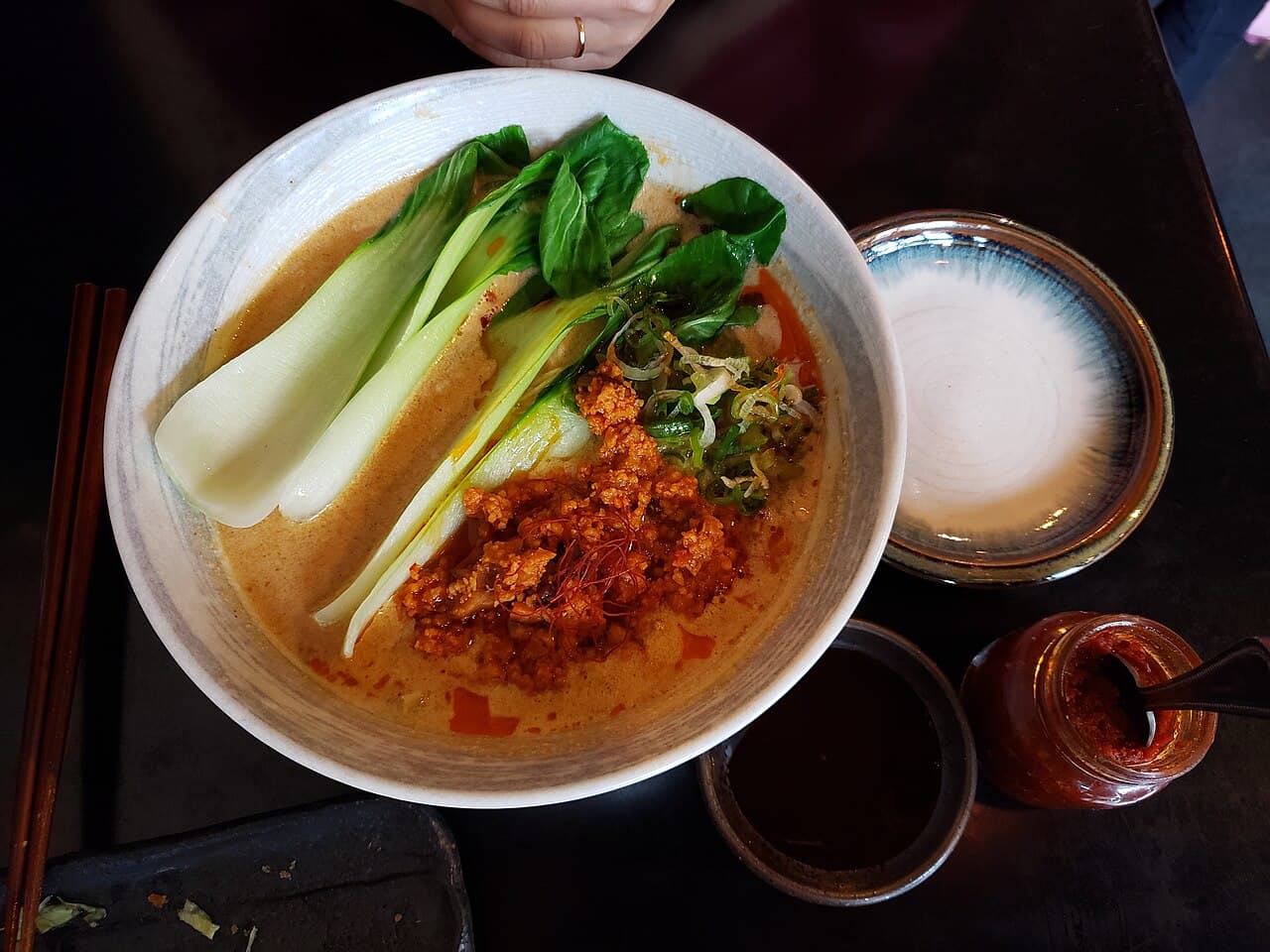
Kyoto is Japan's most naturally vegetarian-friendly city — temple cuisine, tofu kaiseki, soy-milk ramen and certified halal, all in a slower, gentler place than Tokyo.
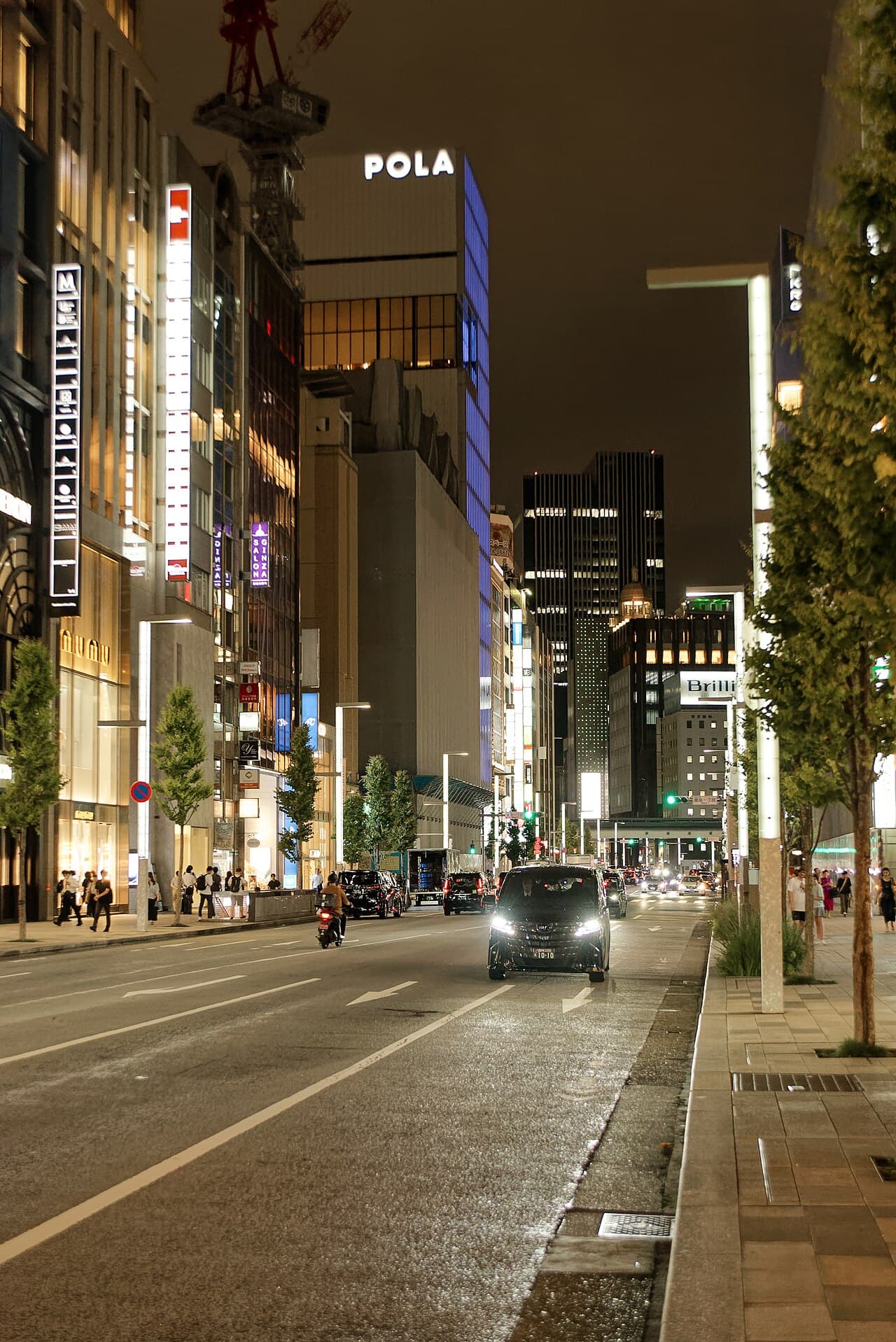
Tokyo's most elegant boulevard hides one of its best clusters of plant-based and produce-led dining — between the flagship stores, eat beautifully whatever your diet.
The fish moves; the ritual stays. A friendly guide to eating sushi where it's landed — the wholesale energy of Toyosu and the street-food sprawl of the Tsukiji Outer Market.
Tokyo's most refined district spans department-store institutions, a katsu-curry birthplace and a two-Michelin-star kaiseki counter — plus elegant vegan dining.
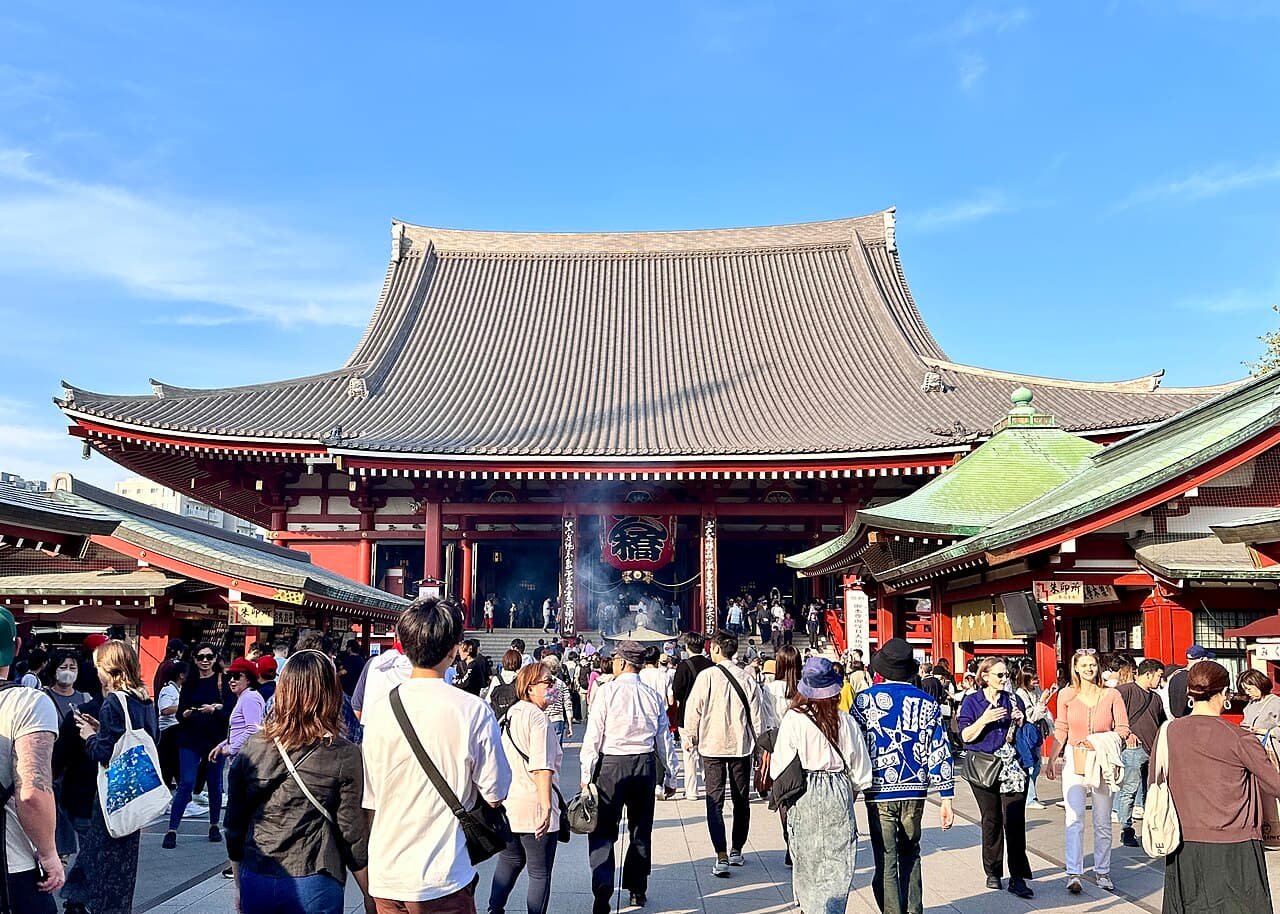
Senso-ji's temple town is the most inclusive food district in Tokyo — halal sushi, gluten-free tempura, vegan temple food and the world's richest matcha gelato.