
Area guide
Nihonbashi & Ningyocho Food Guide: Eating in Old Edo's Merchant Heart
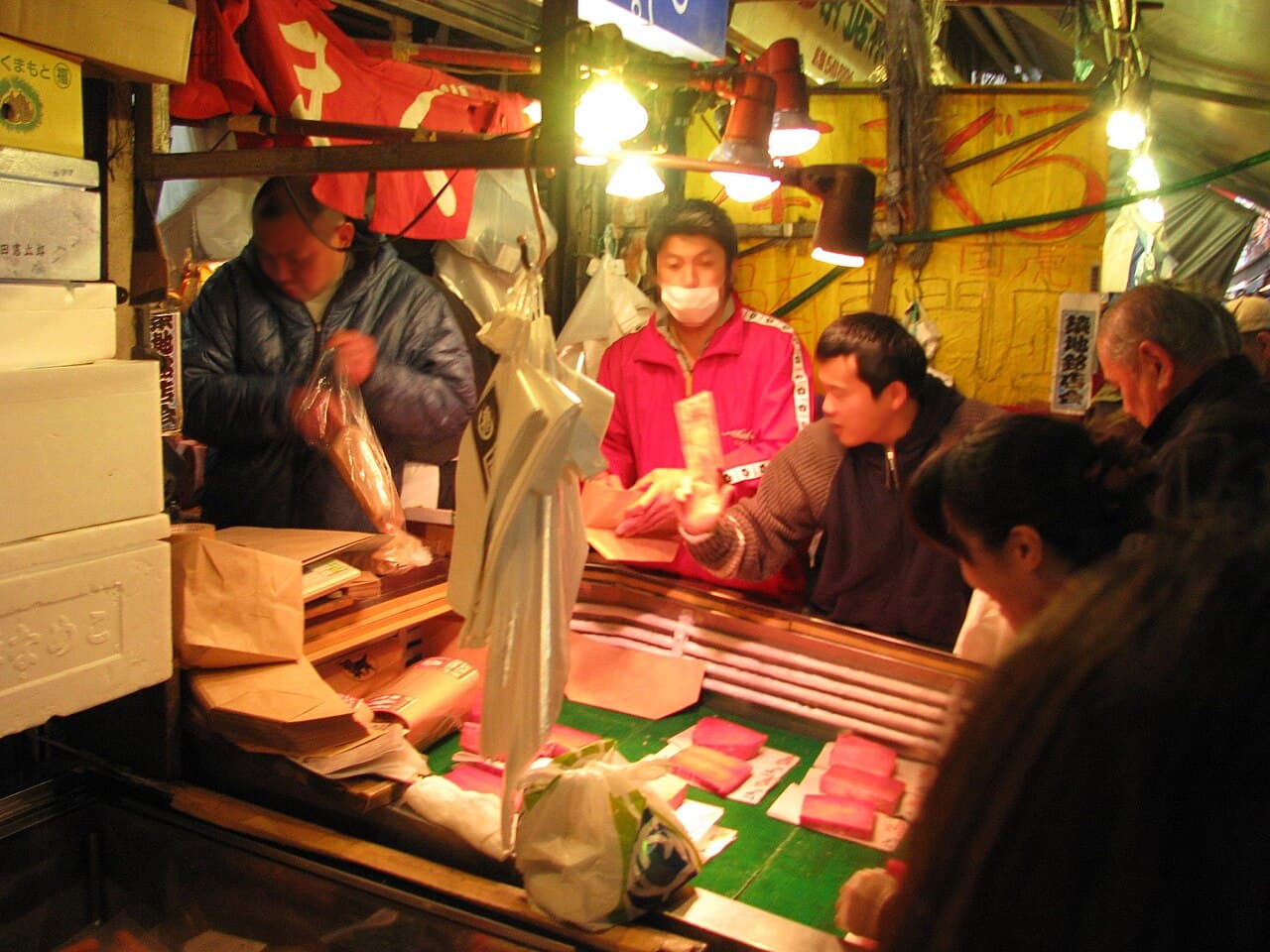
Nihonbashi was the point from which all distances in old Japan were measured — the merchant heart of Edo, where money, rice and appetite met. A short walk east, Ningyocho kept the low-rise, lantern-lit shitamachi feel that Tokyo mostly paved over. Together they make one of the city's most rewarding eating walks: old houses that have been frying, simmering and slicing the same dishes for generations, plus the polished convenience of modern Nihonbashi's food halls.
Start with tendon and tempura
Begin near Nihonbashi station with a bowl of tempura over rice. Kaneko Hannosuke serves a much-loved tendon — crisp seafood and vegetables lacquered in a dark, sweet-savoury sauce — and keeps an English menu, though expect a queue at lunch. It's counter seating and quick turnover, so it suits a solo traveller or a hungry pair more than a big group.
Sit down for sukiyaki
For a slower, ceremonial meal, Ningyocho is sukiyaki country. Ningyocho Imahan Honten has been serving wagyu sukiyaki and shabu-shabu since the Meiji era, with kimono-clad staff cooking tableside and an English menu to guide first-timers. Sukiyaki Hiyama is the quieter, equally serious alternative nearby. Both are splurges — book ahead, and read how to book a restaurant in Tokyo if the phone-only step worries you.
Old-Tokyo simmered and refined
Nihonbashi Otako pours Kanto-style oden — daikon, egg and fish cakes simmered in a dark, soy-forward broth — the kind of unhurried counter that rewards a cold evening. For something lighter, Juwari Soba Tokyo Basso makes 100% buckwheat (juwari) soba, naturally wheat-free noodles, though the dipping sauce and kitchen aren't gluten-free certified. And Nihonbashi Kaisendon Tsujihan builds a glossy seafood rice bowl that draws long lines; if raw fish is your priority, pair it with our Tokyo market sushi guide.
Dessert, depachika and wagashi
Finish sweet. Sembikiya Fruit Parlour, a Nihonbashi institution since the 1800s, turns seasonal fruit into parfaits worth the price. The neighbourhood is also strong on traditional wagashi — ningyoyaki and taiyaki cakes sold warm from the street — and the depachika (basement food halls) of Nihonbashi's department stores are a low-commitment feast for the indecisive.
How to eat well here
Walk it in one loop: Nihonbashi for lunch and depachika, Ningyocho for a booked dinner. Carry cash for the small counters, go early or off-peak to skip queues, and if you love grilled eel, keep unagi on your list — the area's refined tastes suit it. Diet-aware travellers should ask directly: dashi, egg and soy are everywhere, so confirm rather than assume. For a smarter, dressier evening extension, the neighbouring Ginza dining guide picks up where Nihonbashi leaves off.
Places we’ve confirmed
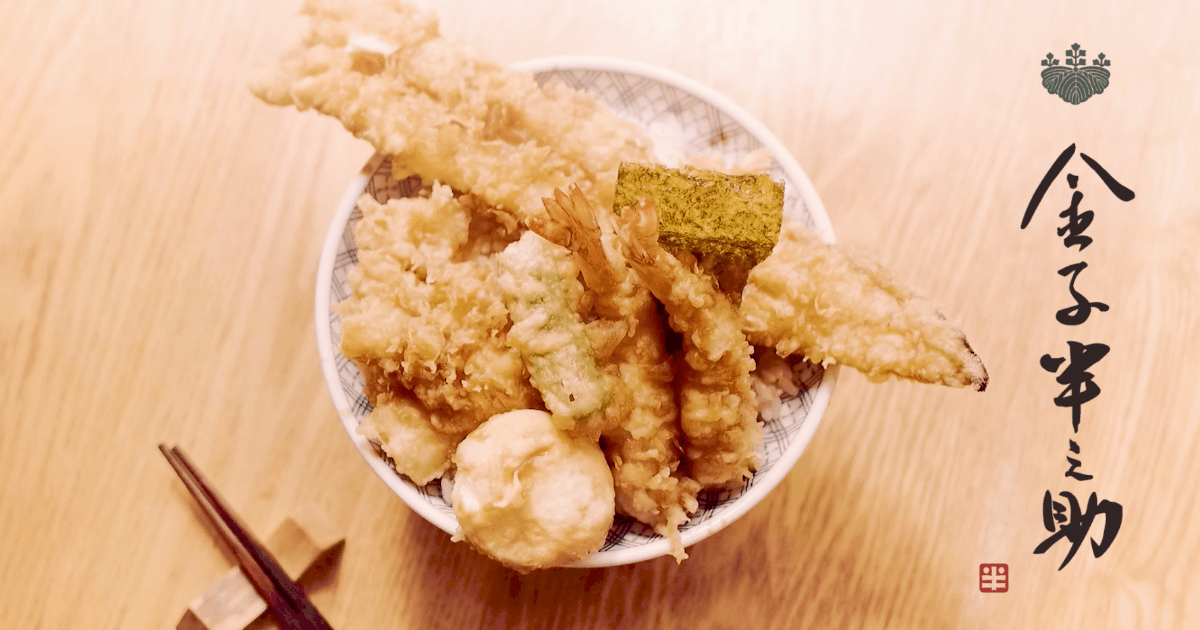
Kaneko Hannosuke
Edomae tendon of conger eel, shrimp, squid & soft-fried egg in a secret sauce
The perpetually-queued Nihonbashi flagship whose overflowing Edomae tendon comes glossed in a closely-guarded family sauce for around ¥1,000.
Last verified Jul 2026- Solo
- Casual
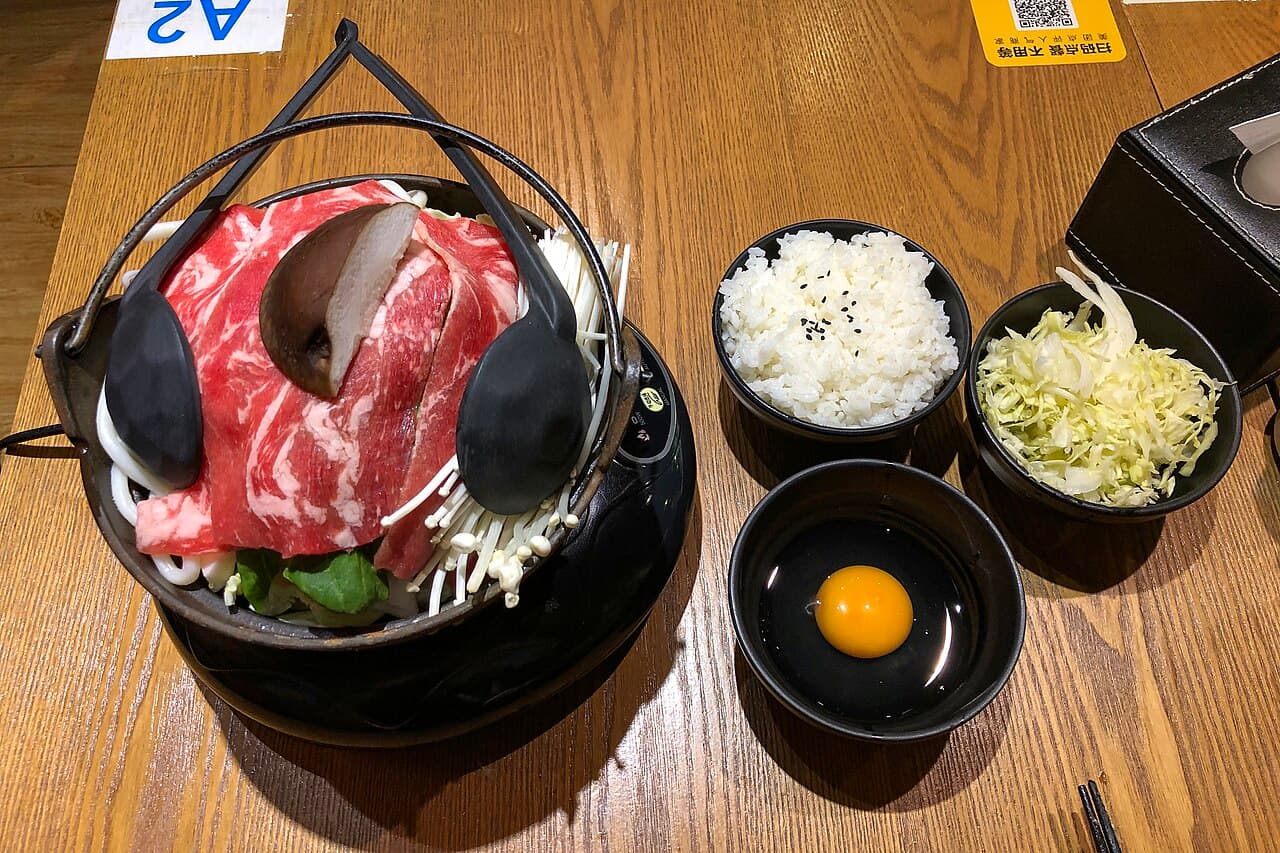
Ningyocho Imahan Honten
Kuroge wagyu sukiyaki, simmered tableside in house warishita
Founded in 1895, this Tabelog Top-100 sukiyaki house simmers exquisitely marbled Kuroge wagyu in its signature warishita while kimono-clad staff tend the pot at your table.
Last verified Jul 2026- Anniversary
- Business
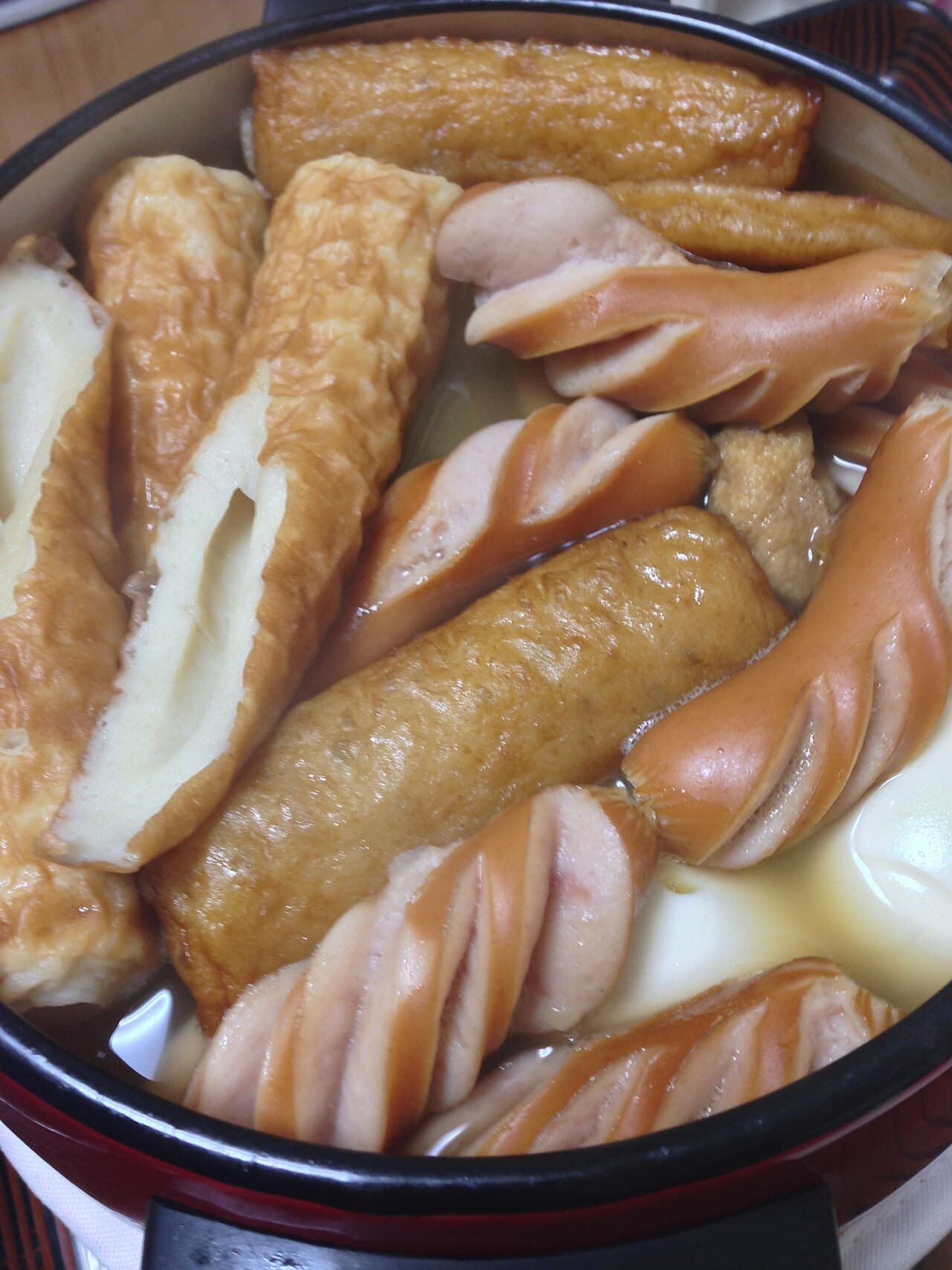
Nihonbashi Otako
Tomeshi — soy-cooked rice crowned with broth-soaked tofu
Founded in 1923, this Kanto-style oden institution simmers a decades-old dark dashi and is famous for tomeshi — broth-soaked tofu over soy-stained rice.
Last verified Jul 2026- Solo
- Casual
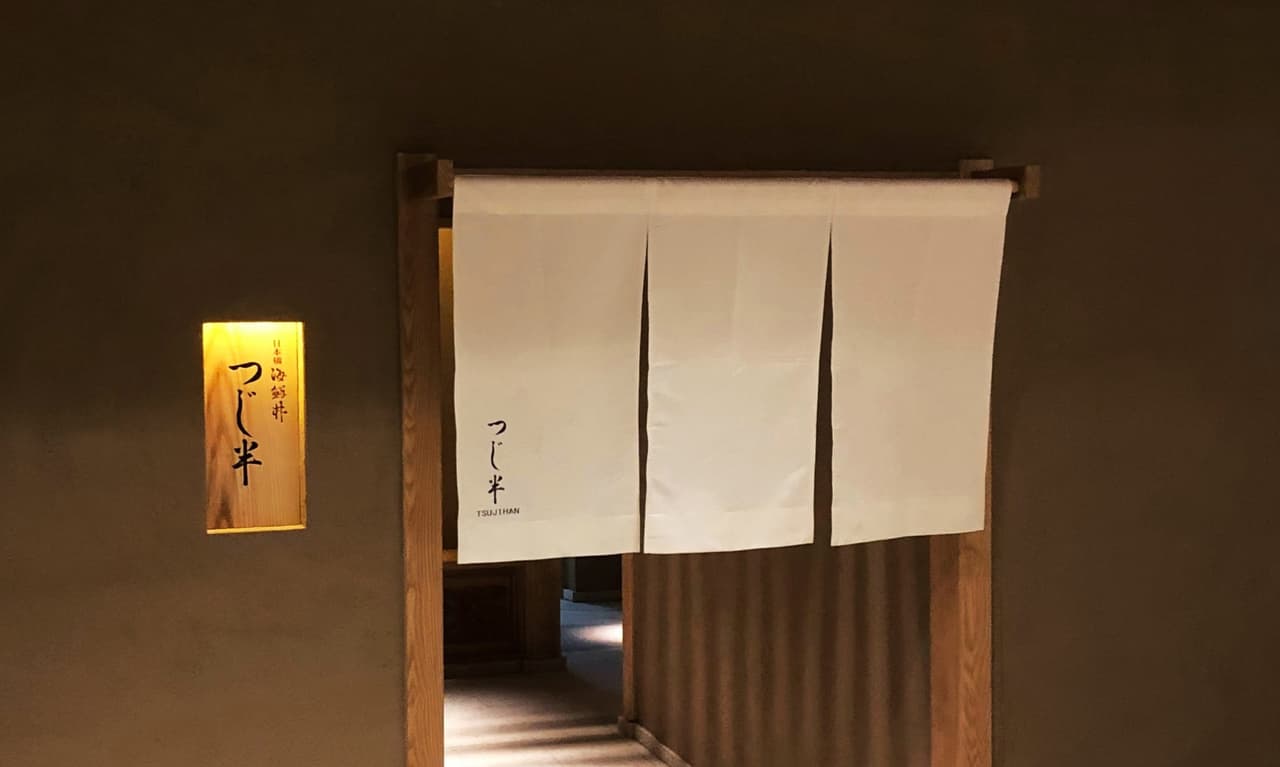
Nihonbashi Kaisendon Tsujihan (Honten)
The 'Zeitaku-don' bowl topped with tuna, uni and ikura, finished tableside as ochazuke with sea-bream dashi
A famous counter-only seafood-bowl shop where every bowl is fish over rice with no meat, so it suits pescatarians well; expect a queue, and note the soy sauce and dashi are not gluten-free.
- Pescatarian
- Solo
- Casual
Sources
FAQ
- Is Nihonbashi or Ningyocho better for a first visit?
- Do both in one loop. Nihonbashi suits lunch, depachika and dessert; Ningyocho, a five-minute walk or one metro stop away, is better for a sit-down sukiyaki dinner in an old wooden setting.
- Are there English menus in this area?
- Several venues have them — Kaneko Hannosuke, Ningyocho Imahan Honten, Sembikiya Fruit Parlour and Tsujihan. Smaller counters like the oden and soba shops may not, so a translation app helps.
- Can travellers with dietary needs eat here?
- With care. Dashi (often bonito), egg and soy are common, and juwari soba is a wheat-free noodle but not a certified gluten-free kitchen. Ask staff directly and confirm ingredients rather than assuming.