
Area guide
Kagurazaka Dining Guide: Where to Eat on Tokyo's Quietest Hill
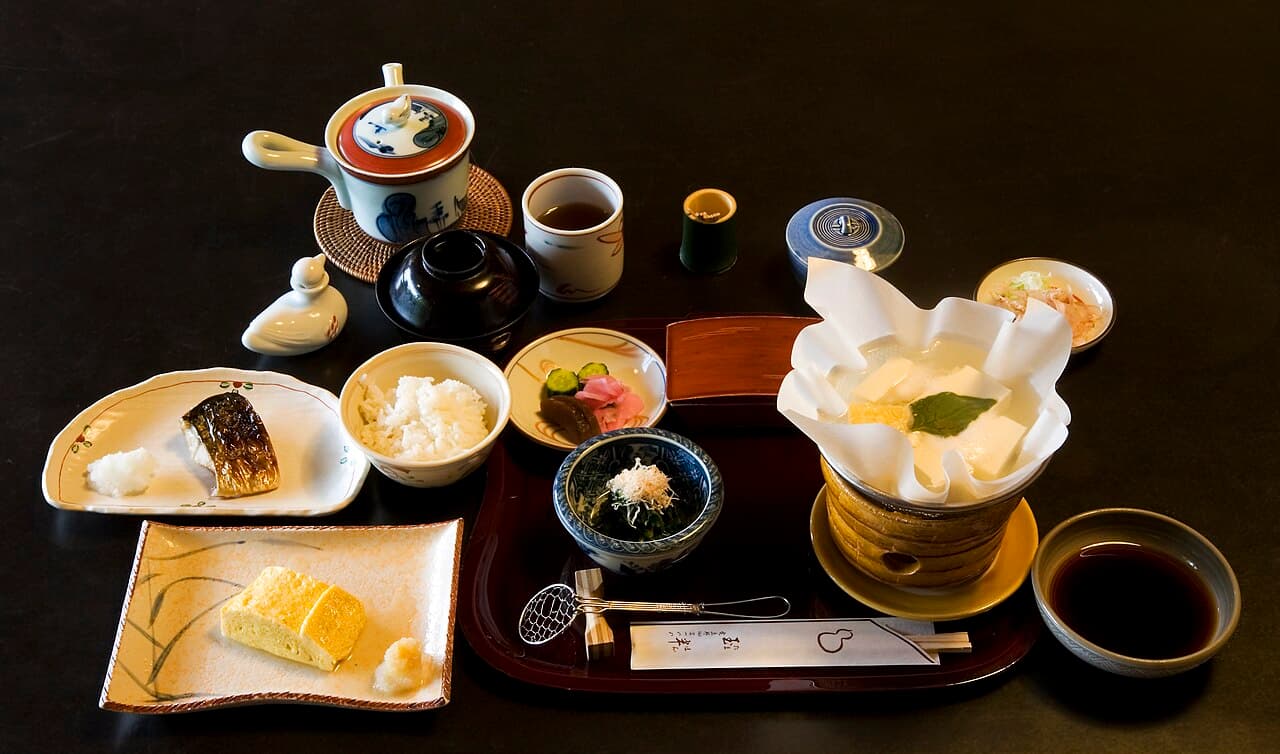
Kagurazaka is the Tokyo hill that never quite raises its voice. A short slope of cobbled side-streets between Iidabashi and Kagurazaka stations, it kept a surviving geisha tradition and picked up a French-Japanese overlay along the way, so a lantern-lit ryotei alley can open onto a wine bar without anything feeling forced. It rewards a slow evening and a table booked with intent.
The three-Michelin kaiseki: Kagurazaka Ishikawa
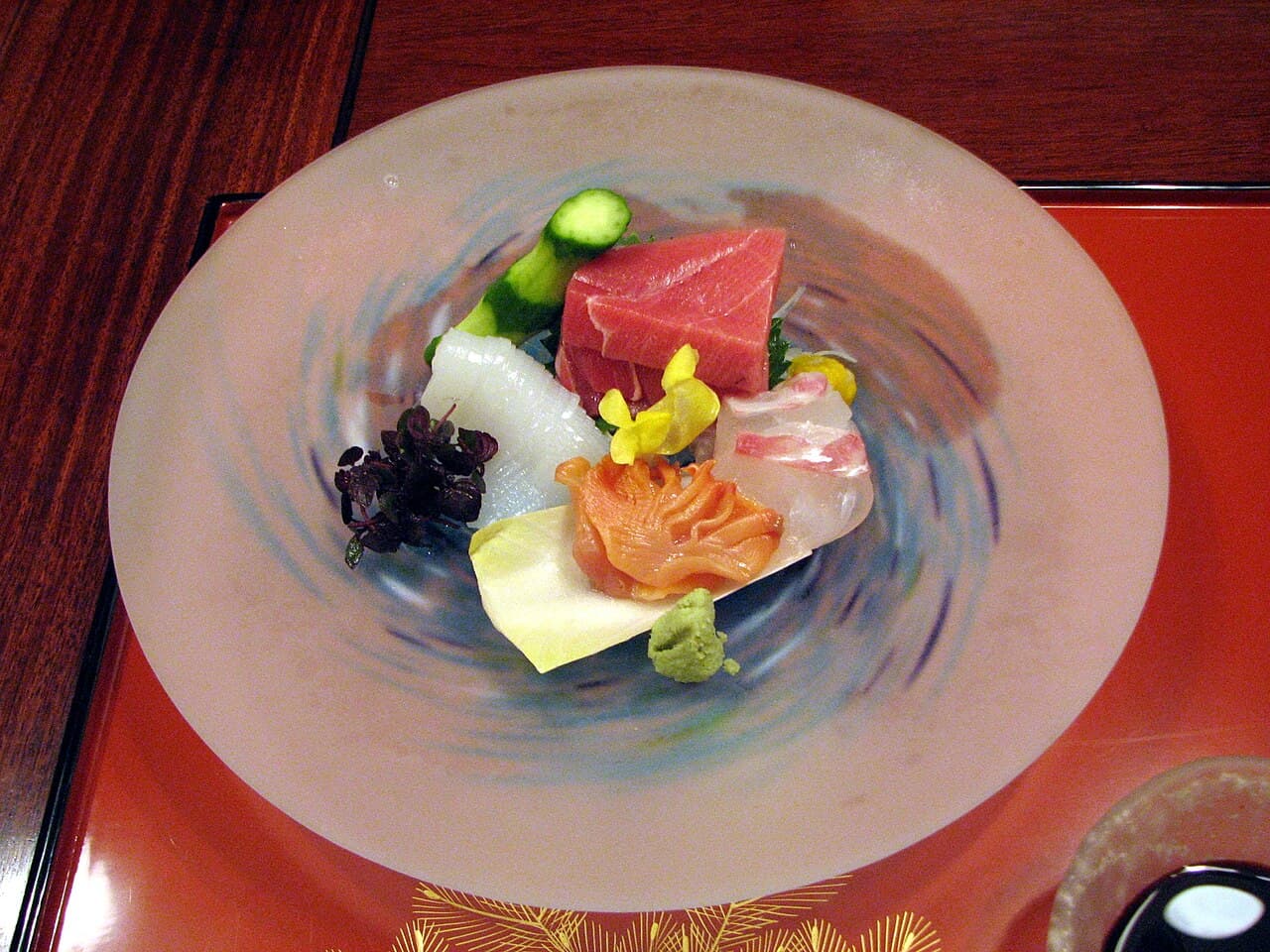
If you are marking an anniversary, this is the room. Kagurazaka Ishikawa serves seasonal kaiseki at a small counter where the pace is unhurried and the sourcing is precise — one dish might be nothing more than perfect rice and a clear dashi, and it lands. There is an English menu, and staff are used to overseas guests, but the counter seats few, so book weeks out. Read how to book a restaurant in Tokyo before you try, and see our special-occasion Michelin notes on what a course of this level costs (plan for a serious splurge).
The unagi house: Shimakin
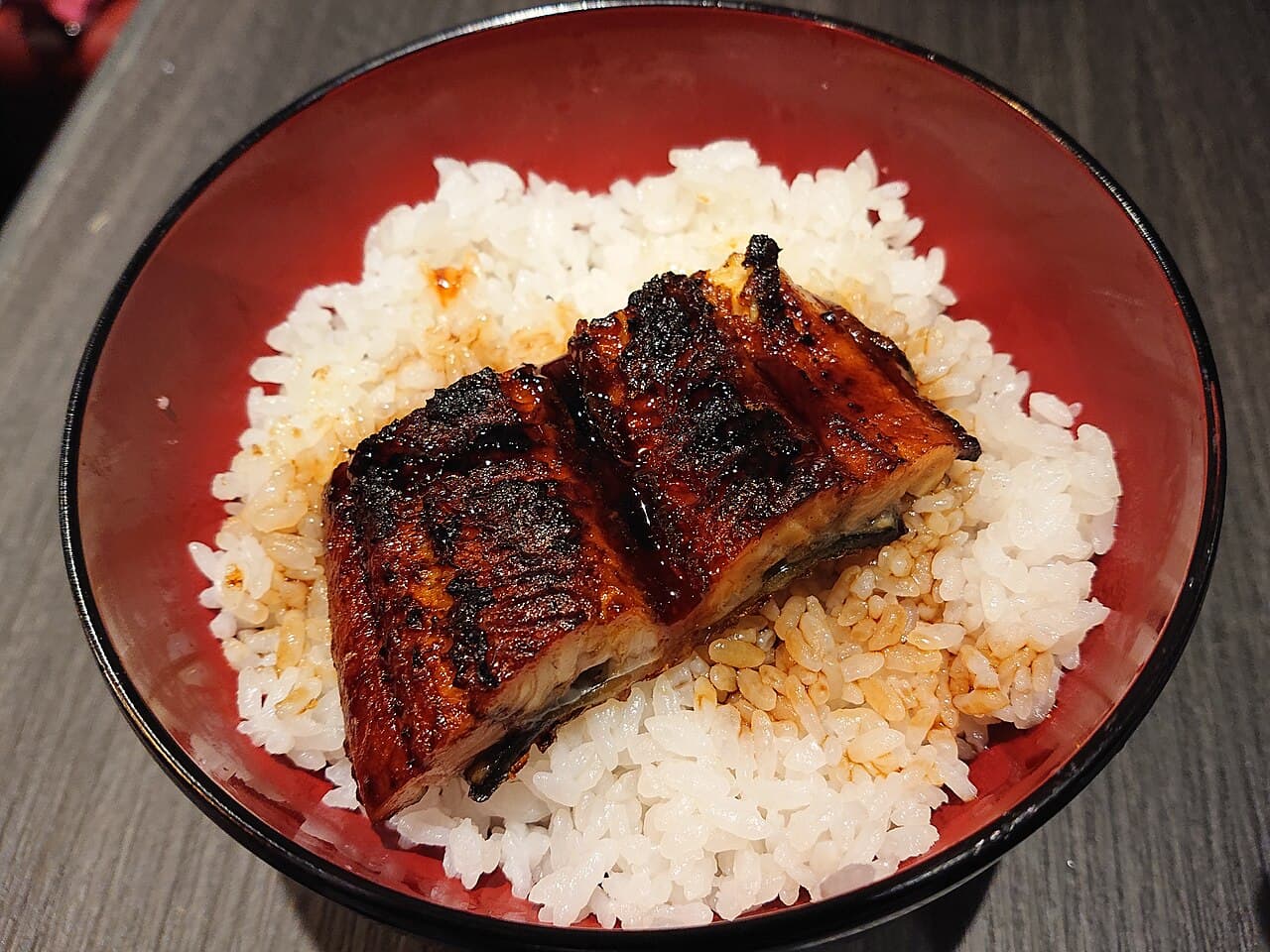
For something warmer and more rooted, Kagurazaka Shimakin grills unagi in an old wooden house on the slope. The eel arrives lacquered and charcoal-scented, the rice underneath catching the sweet-savoury glaze; it is a quieter, more affordable special meal than the kaiseki, and a lovely lunch. Seating is limited and traditional, so a reservation still helps.
The soba stop: Kyorakutei
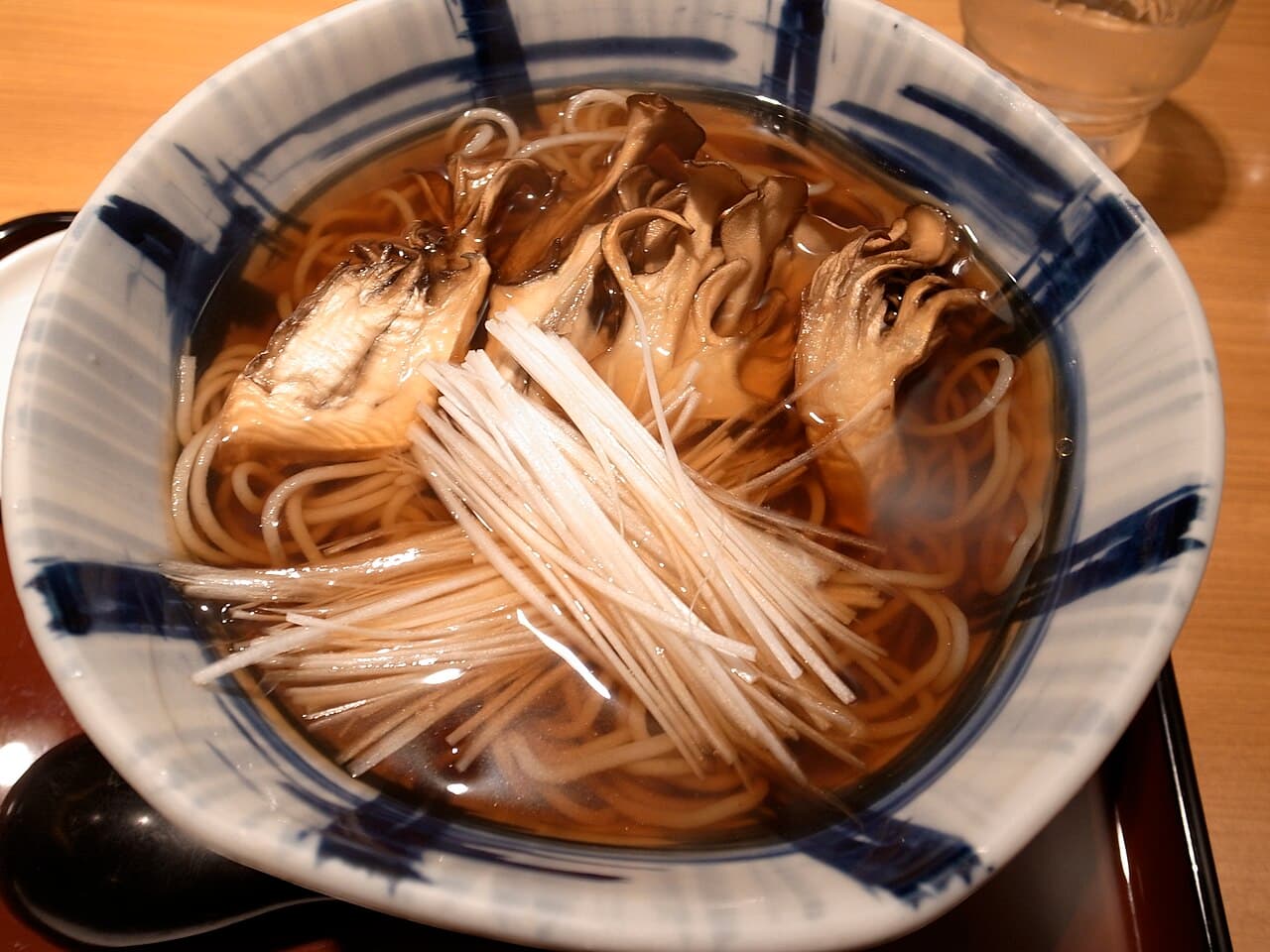
Kyorakutei hand-cuts its soba daily, and the buckwheat has real fragrance and a clean, cool snap. There is an English menu, queues form at peak, and it suits a lighter evening or a midday pause between the hill's steeper indulgences.
How to eat well here
Walk it: the pleasure of Kagurazaka is the ten quiet minutes between courses, past the Kakurenbo Yokocho lanes. Nearest stations are Kagurazaka (Tozai line) and Iidabashi. For the kaiseki, arrive on time and dressed with a little care; a quick read of Japanese dining etiquette smooths the counter experience. One honest limit: none of these kitchens is set up for strict dietary needs, so flag allergies clearly and in advance rather than assuming a substitution on the night. Book early, come hungry, and let the hill set the tempo.
Places we’ve confirmed
Kagurazaka Ishikawa
Seasonal kaiseki course; signature truffle soba
A three-Michelin-star Kagurazaka kaiseki restaurant serving a seasonal omakase course. Kaiseki traditionally includes some meat/dashi, so a pescatarian (seafood, no-meat) menu must be requested in advance and confirmed directly. Not gluten-free.
- Pescatarian
- Anniversary
- Business
- Private room
Kagurazaka Shimakin
Charcoal-grilled unagi over rice (unaju)
A Kagurazaka eel house founded in 1869 that has glazed and charcoal-grilled unagi over rice for more than 150 years, a minute from Iidabashi Station.
- Pescatarian
- Anniversary
- Business
Kyorakutei
Stone-milled hand-cut zaru soba with seasonal tempura
A backstreet Kagurazaka soba shop that stone-mills and hand-cuts its own buckwheat, earning a spot on the Tabelog 100 soba list.
Last verified Jul 2026- Solo
- Date
Sources
FAQ
- How far ahead should I book Kagurazaka Ishikawa?
- Plan for several weeks ahead, and more around holidays. The counter is small and popular, so the earliest date you can commit to is usually the safest. See our Tokyo booking guide for reaching high-end counters from abroad.
- Which of these places have an English menu?
- Kagurazaka Ishikawa and Kyorakutei both offer English menus, and Ishikawa's staff are used to overseas guests. Shimakin is more traditional, so a translation app or a few basic phrases help.
- Can these restaurants handle allergies or dietary restrictions?
- They are friendly but not set up as allergen-controlled kitchens. Flag any allergy clearly when you book, in writing if possible, rather than expecting an on-the-spot substitution.