
Area guide
Vegan Restaurants in Kyoto: Shojin Ryori, Soy-Milk Ramen & Tofu Kaiseki (4 Verified Spots)
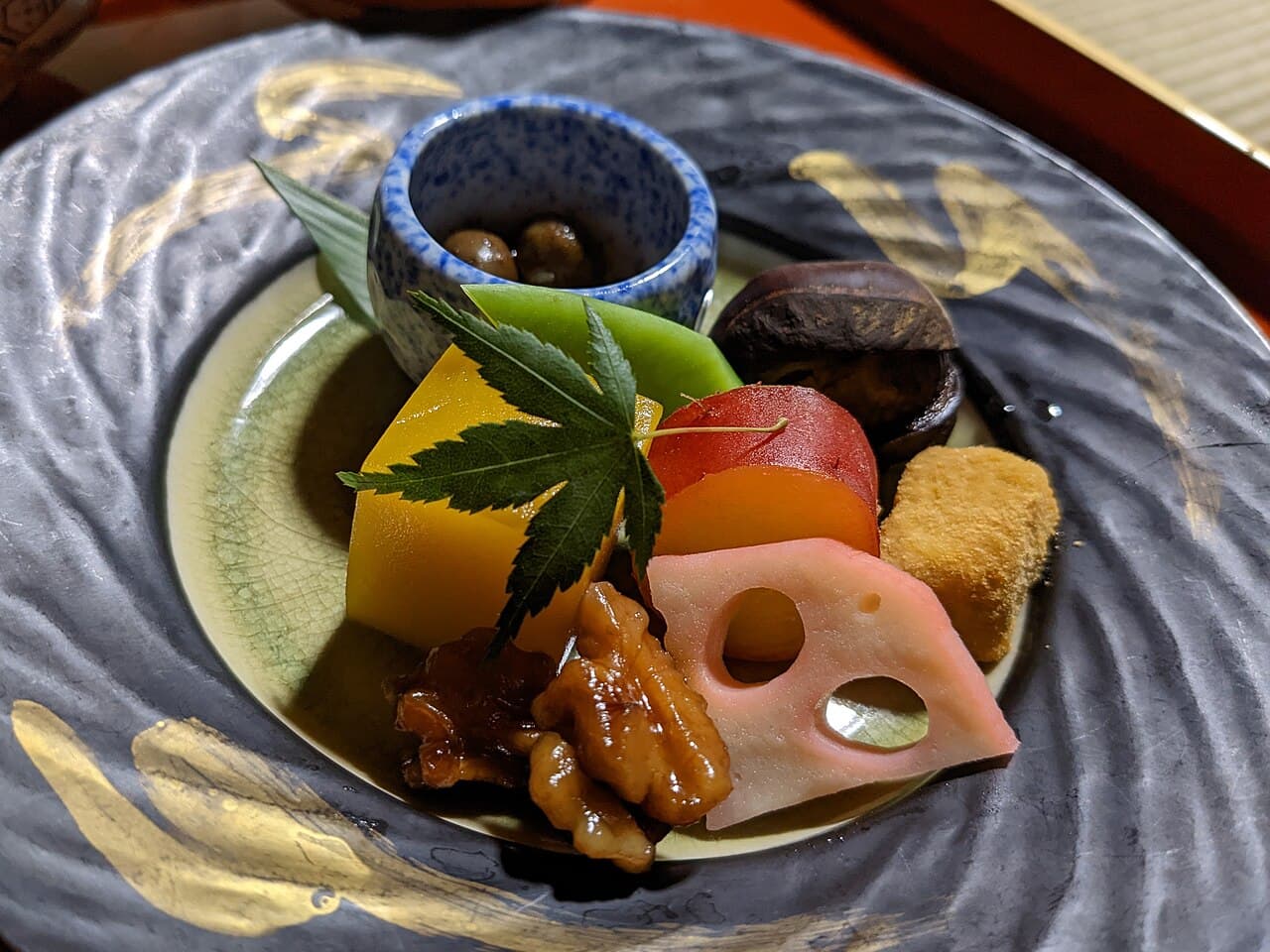
© Jpatokal / CC BY-SA 4.0, via Wikimedia Commons · CC BY-SA 4.0
Why Kyoto is the easiest city in Japan to eat vegan
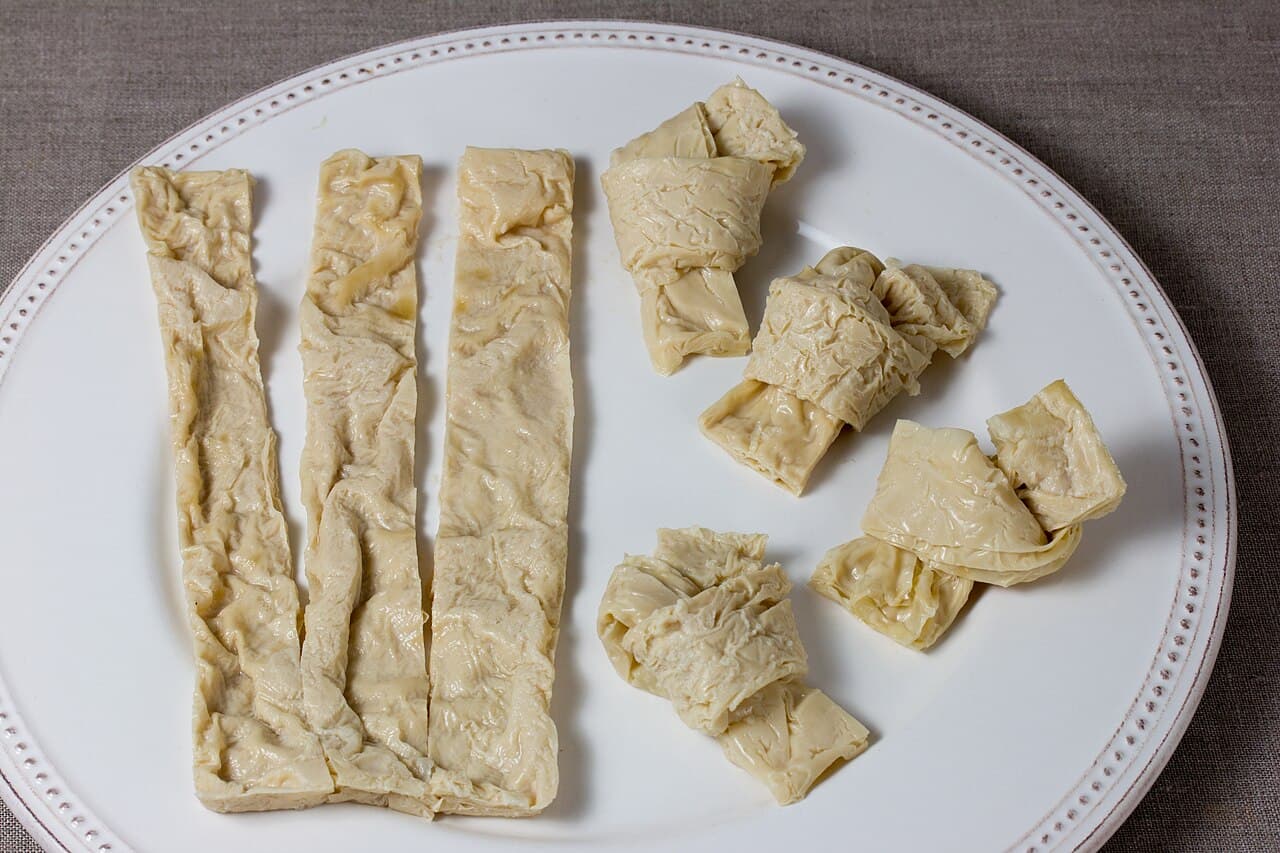
Kyoto was Japan's imperial capital for over a thousand years and the historical centre of Japanese Buddhism, so its most famous food — shojin ryori, the meat-, fish- and five-pungent-spice-free cuisine developed by Zen temples — is naturally vegan at its base. That history still shows up on the plate today: tofu, yuba (soy-milk skin) and seasonal vegetables carry the city's cooking in a way they don't in meat-forward Osaka or Tokyo. The one thing that doesn't change just because you're in a temple town is dashi — most Japanese stock is made from katsuobushi (bonito flakes), so a "vegetable" dish can still be sitting in fish broth. If you haven't already, start with can vegans eat in Japan and is dashi vegan in Japan before ordering anywhere that isn't on this list, and see our first-time Kyoto food guide for the wider city picture.
We've verified the four restaurants below are currently operating (checked 2026).
Temple cuisine: Shigetsu, inside Tenryu-ji (Arashiyama)
Shigetsu is run directly by Tenryu-ji, one of Arashiyama's great Zen temples, and was awarded a Michelin Bib Gourmand in the Kyoto-Osaka 2025 guide. The seasonal multi-course shojin set is served in lacquerware overlooking the temple garden — kombu and shiitake carry the broth, not bonito, so there's none of the fish-dashi risk that's almost everywhere else in Japan. One honest caveat: the menu doesn't publicly itemise egg or honey, so a strict vegan should confirm when reserving. Courses run from ¥3,800, plus a separate ¥500 garden admission.
Fully vegan ramen: Towzen and Uno Yukiko
Two shops, two different vegan ramen styles, both genuinely 100% plant-based:
Towzen in quiet Shimogamo has been vegan since 2018, ladling a creamy kombu-and-soy-milk broth with no fish dashi at all and no onion or garlic (the Buddhist five pungent spices). It's one of the cleanest strict-vegan bowls in Kyoto — but the noodles are wheat, so it's vegan, not gluten-free. It closes midweek, so check before you go.
Gion Soy Milk Ramen Uno Yukiko does the rare double: vegan and gluten-free, using rice-flour noodles and gluten-free soy sauce in its soy-milk broth. It's run by a patissier, Yukiko Uno, and sits right in Gion. Third-party sites describe it as having a dedicated kitchen, but that claim comes from those sites rather than the venue itself, so if you're celiac (not just avoiding gluten by preference), confirm cross-contamination protocol with staff directly. We cover it in more depth in our gluten-free restaurants in Kyoto guide.
Tofu kaiseki with a dedicated vegan course: Tousuiro
Tousuiro Kiyamachi is an upscale riverside tofu-kaiseki house — silky oboro tofu and yuba served as a seasonal multi-course meal, with kawayuka riverside seating in summer. It has a named vegan course, "Rokuhara," with no meat, shellfish, egg, dairy or fish. The catch: you have to order that specific course. The standard tofu courses likely use bonito dashi like most kaiseki in Japan, so don't assume "tofu restaurant" automatically means vegan-safe here.
The trap that doesn't disappear: dashi
Even in the most vegetarian-friendly city in Japan, the same rule applies as everywhere else: a dish built from vegetables can still be simmered in bonito stock. Kombu-only dashi (no bonito) is the safe version, and it's what all four places above use for their core vegan dishes. When in doubt anywhere else in Kyoto, ask directly: "Kore wa katsuo dashi o tsukatte imasu ka?" (Does this use bonito dashi?)
If you're travelling with people on different diets, see our companion guides to gluten-free restaurants in Kyoto and halal restaurants in Kyoto.
Places we’ve confirmed
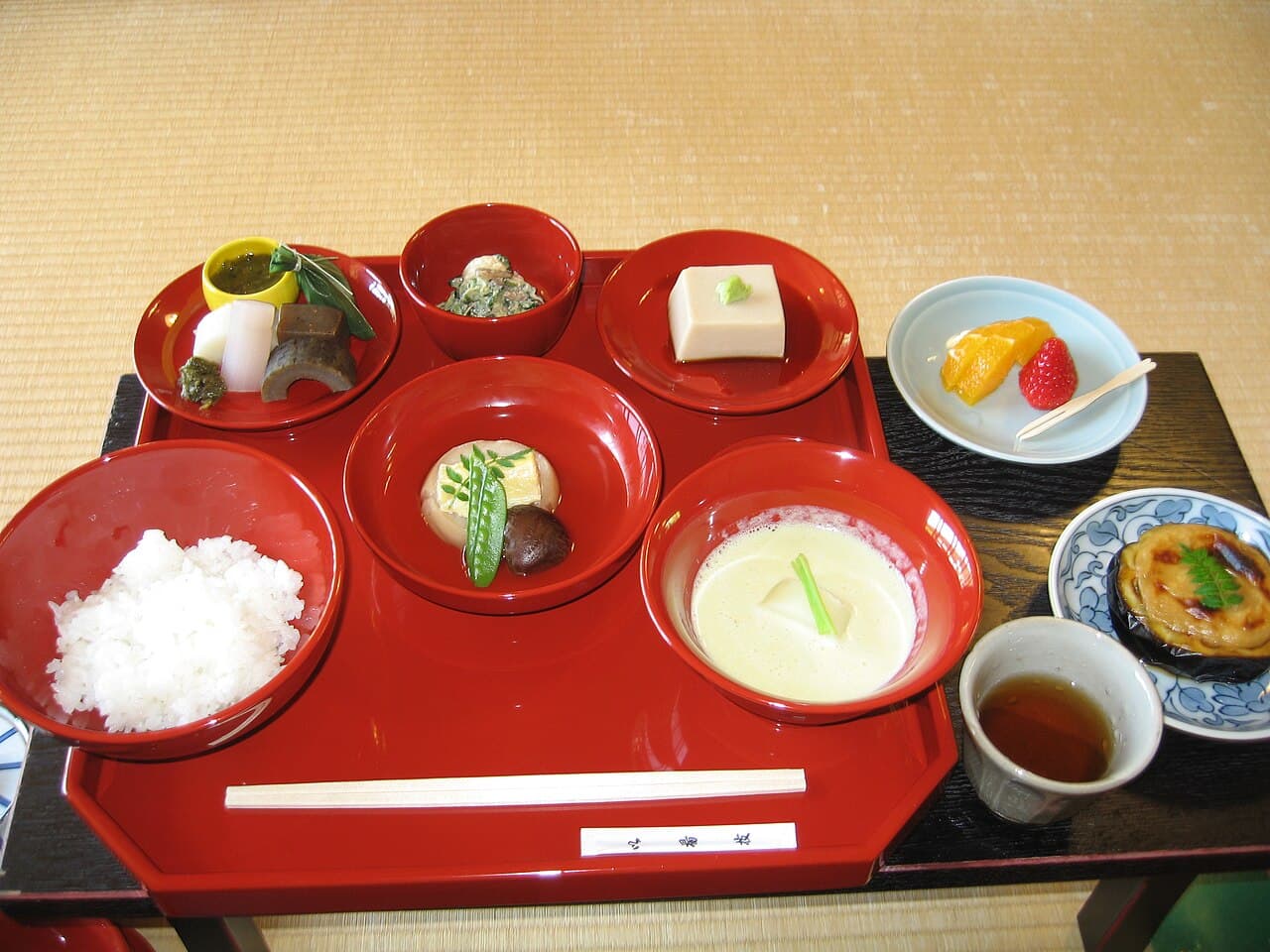
Shigetsu (Tenryu-ji)
Seasonal multi-course shojin set served in lacquerware
Temple-run Zen vegetarian dining inside Tenryu-ji, one of Arashiyama's great Zen temples (Michelin Bib Gourmand, Kyoto-Osaka 2025), served as a seasonal multi-course set in lacquerware. Traditional shojin uses kombu and shiitake rather than fish dashi, so there is no bonito broth; the menu does not publicly itemise egg or honey, so strict vegans should confirm when reserving. A garden admission fee applies on top of the course.
- Vegetarian
- Vegan
- Dairy-free
- Date
- Anniversary
- Casual
- Private room
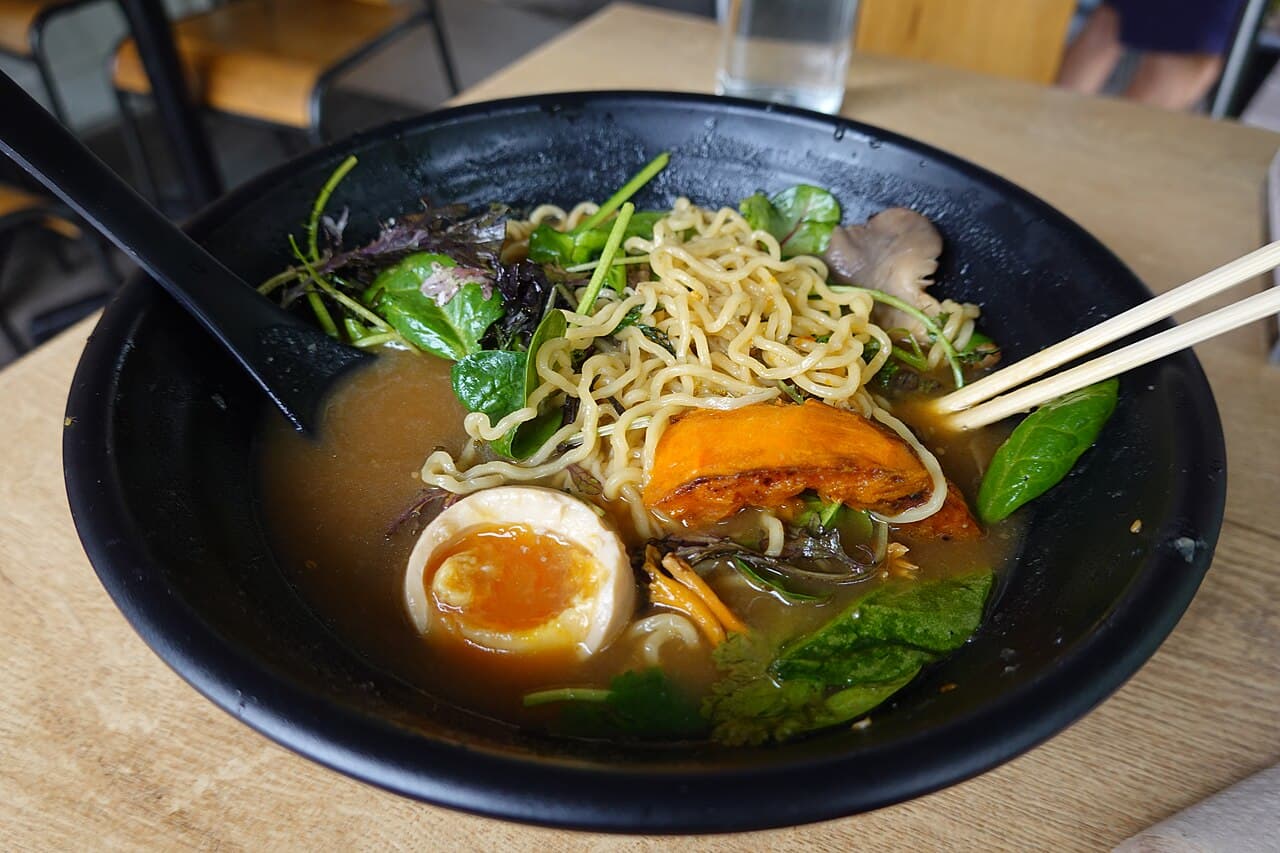
Towzen (Mamezen)
Creamy soy-milk ramen with a kombu-and-soy broth (no fish dashi)
A small fully-vegan soy-milk ramen shop in quiet Shimogamo, vegan since 2018, with a creamy kombu-and-soy-milk broth and no fish dashi at all — one of the cleanest strict-vegan ramen options in Kyoto. It also avoids the Buddhist five pungent spices (onion and garlic). The noodles contain wheat, so it is vegan but not gluten-free; closed midweek, so check days before visiting.
- Vegan
- Vegetarian
- Dairy-free
- Casual
- Solo
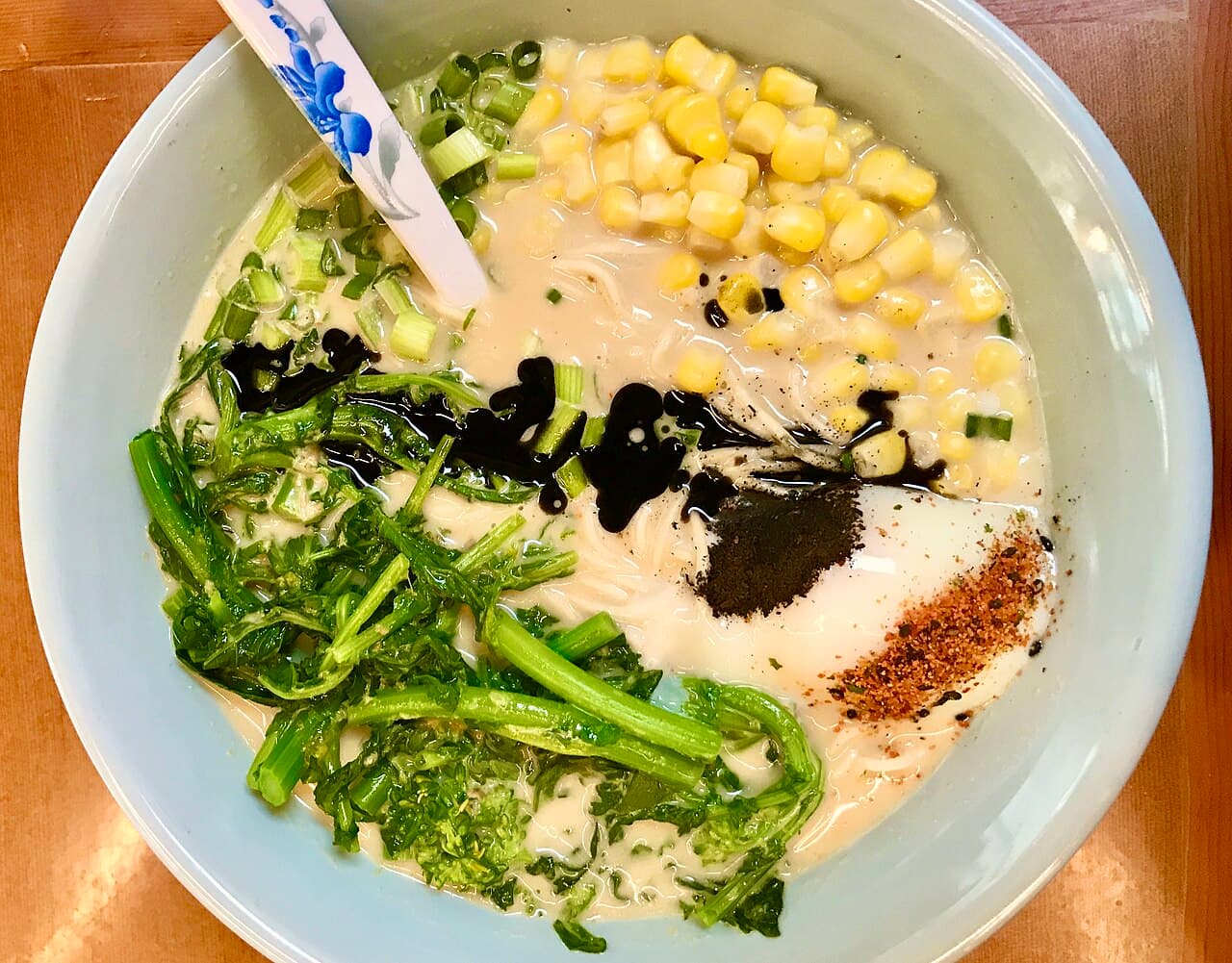
Gion Soy Milk Ramen Uno Yukiko
Creamy soy-milk ramen with rice-flour noodles and gluten-free soy sauce
A vegan and gluten-free ramen specialist in Gion run by patissier Yukiko Uno, using rice-flour-and-kelp noodles and gluten-free soy sauce in a soy-milk broth — one of Kyoto's most reliably gluten-free, fish-dashi-free ramen options. The strongest 'dedicated kitchen' claims come from third-party listings rather than the venue itself, so celiac diners should confirm cross-contamination protocol directly with staff.
- Vegan
- Vegetarian
- Gluten-free
- Dairy-free
- Casual
- Solo
- Date
Tousuiro Kiyamachi
Silky oboro tofu and yuba in a seasonal multi-course meal
An upscale riverside tofu-kaiseki house in central Kyoto serving silky oboro tofu and yuba in seasonal multi-course form, with a full English menu and summer riverside (kawayuka) seating. It offers a dedicated fish-free vegan course ('Rokuhara') with no meat, shellfish, egg, dairy or fish — but you must order that specific course, since the standard tofu courses likely use bonito dashi.
- Pescatarian
- Vegetarian
- Vegan
- Dairy-free
- Date
- Anniversary
- Business
- Private room
Sources
FAQ
- Is Kyoto vegan-friendly?
- Yes — more so than most Japanese cities, because its signature cuisine, shojin ryori, was built as meat-and-fish-free Buddhist temple food. We've verified four spots serving genuinely vegan meals: a temple hall (Shigetsu), two vegan ramen shops (Towzen, Uno Yukiko), and a tofu-kaiseki house with a dedicated vegan course (Tousuiro).
- Is Kyoto tofu automatically vegan?
- No. Kyoto is famous for tofu and yuba, but most tofu-kaiseki courses use bonito (fish) dashi as their base broth, even when the centrepiece is tofu. At Tousuiro, for example, you need to specifically order the "Rokuhara" course for a genuinely vegan meal — the standard courses are not guaranteed fish-free.
- Which Kyoto vegan ramen is also gluten-free?
- Gion Soy Milk Ramen Uno Yukiko is the one to know — it uses rice-flour noodles and gluten-free soy sauce, unlike Towzen's wheat-noodle broth. Celiac diners should still confirm the kitchen's cross-contamination handling directly with staff before ordering.