
Area guide
Gluten-Free Restaurants in Kyoto: 3 Dedicated Spots for Ramen, Full Meals & Wagashi
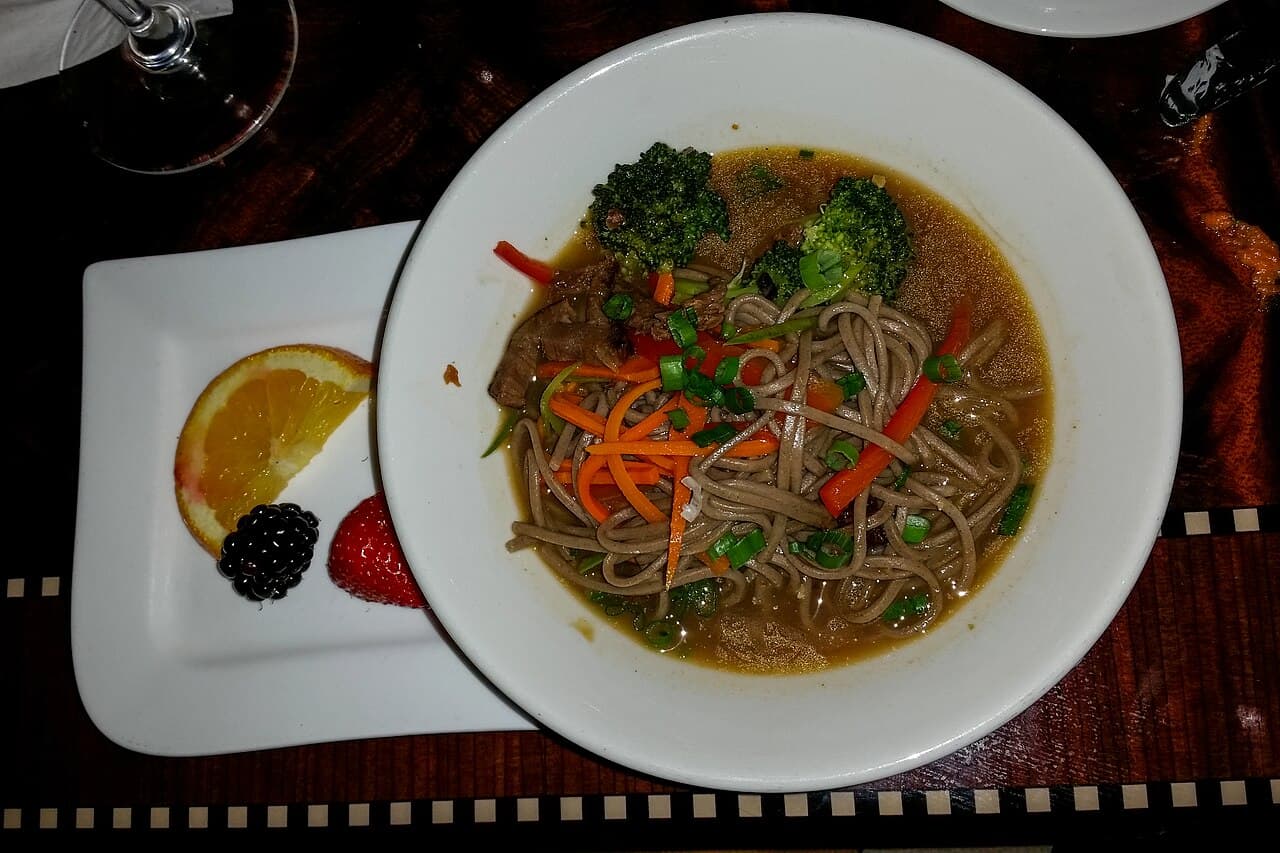
The one trap: Japanese soy sauce is wheat
Before the Kyoto specifics: regular Japanese soy sauce (shoyu) is brewed with wheat, so it is not gluten-free, and it's in almost everything — dashi, dressings, simmered dishes, even much of the tare on "safe-looking" grilled food. Tamari (a wheat-free soy sauce style) is the substitute to ask for. See is soy sauce gluten free for the full breakdown, and our gluten-free Japan travel guide for the celiac-specific ground rules we use on every city page. For the wider city picture, see our first-time Kyoto food guide.
The three Kyoto spots below go further than "gluten-free option available" — each is a kitchen built around gluten-free food.
Dedicated gluten-free ramen: Uno Yukiko (Gion)
Gion Soy Milk Ramen Uno Yukiko builds its soy-milk ramen on rice-flour noodles and gluten-free soy sauce — both the vegan and the celiac boxes, in one bowl. It's one of the very few ramen shops in Japan (a noodle famous for wheat) that a gluten-free traveller can order from without translation gymnastics. As with any small kitchen, if you have coeliac disease rather than a milder sensitivity, ask staff directly about their cross-contamination handling — the strongest "dedicated kitchen" language comes from third-party review sites rather than the shop's own claims.
Fully gluten-free restaurant: Choice (Sanjo)
Choice is a two-minute walk from Keihan Sanjo Station and runs its entire vegan menu gluten-free — not a GF section bolted onto a regular kitchen, but the whole restaurant. It's a long-running fixture on celiac travel guides to Kyoto, with an English menu and staff used to dietary questions.
Dedicated gluten-free bakery: Toshoan (near Nijo Castle)
Toshoan, a five-minute walk from Nijo Castle, is an anko (bean paste) and dessert specialist that sells only gluten-free sweets — its rice-flour souffle pancakes paired with red bean paste are the reason celiac travellers detour here. It's a good stop if you want a genuinely safe Kyoto dessert rather than gambling on a regular wagashi shop, since traditional wagashi can include wheat-based mochi styles or wheat-thickened fillings.
What "gluten-free" doesn't cover automatically in Kyoto
Soba (buckwheat noodles) is often assumed to be automatically gluten-free, but most Kyoto soba shops blend in wheat flour as a binder (nihachi, "20% wheat"), so only 100%-buckwheat (juwari) soba from a shop that confirms it is safe — and even then, the tsuyu dipping sauce is usually made with regular wheat soy sauce. Don't assume; ask, or stick to the three dedicated kitchens above.
If you're travelling with people on different diets, see our companion guides to vegan restaurants in Kyoto and halal restaurants in Kyoto.
Places we’ve confirmed
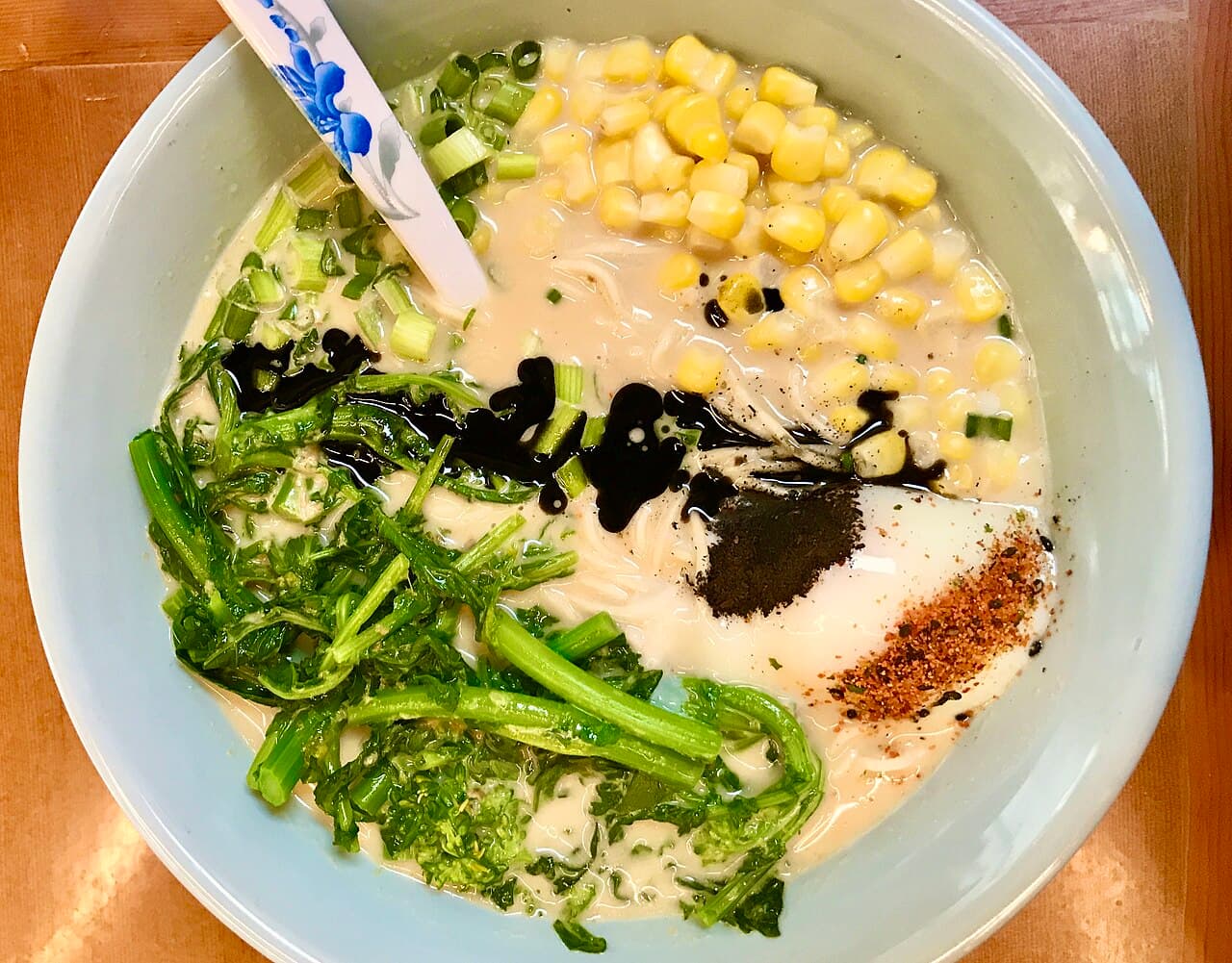
Gion Soy Milk Ramen Uno Yukiko
Creamy soy-milk ramen with rice-flour noodles and gluten-free soy sauce
A vegan and gluten-free ramen specialist in Gion run by patissier Yukiko Uno, using rice-flour-and-kelp noodles and gluten-free soy sauce in a soy-milk broth — one of Kyoto's most reliably gluten-free, fish-dashi-free ramen options. The strongest 'dedicated kitchen' claims come from third-party listings rather than the venue itself, so celiac diners should confirm cross-contamination protocol directly with staff.
- Vegan
- Vegetarian
- Gluten-free
- Dairy-free
- Casual
- Solo
- Date
Sources
FAQ
- Are there dedicated gluten-free restaurants in Kyoto, not just gluten-free options?
- Yes. We've verified three: Gion Soy Milk Ramen Uno Yukiko (gluten-free ramen), Choice near Sanjo (a fully gluten-free vegan restaurant), and Toshoan near Nijo Castle (a dedicated gluten-free dessert bakery).
- Is Kyoto soba gluten-free?
- Usually not. Most Kyoto soba is nihachi-style, blended with wheat flour, and the dipping sauce (tsuyu) is typically brewed with regular wheat soy sauce. Only 100%-buckwheat (juwari) soba confirmed wheat-free by the shop is safe, and even then ask about the sauce separately.
- Is regular Japanese soy sauce gluten-free?
- No — standard shoyu is brewed with wheat. Ask for tamari, a wheat-free soy sauce style, or stick to kitchens like the three above that already control for it.