
Area guide
Vegan Restaurants in Sapporo: 4 Real Places to Eat (2026 Guide)
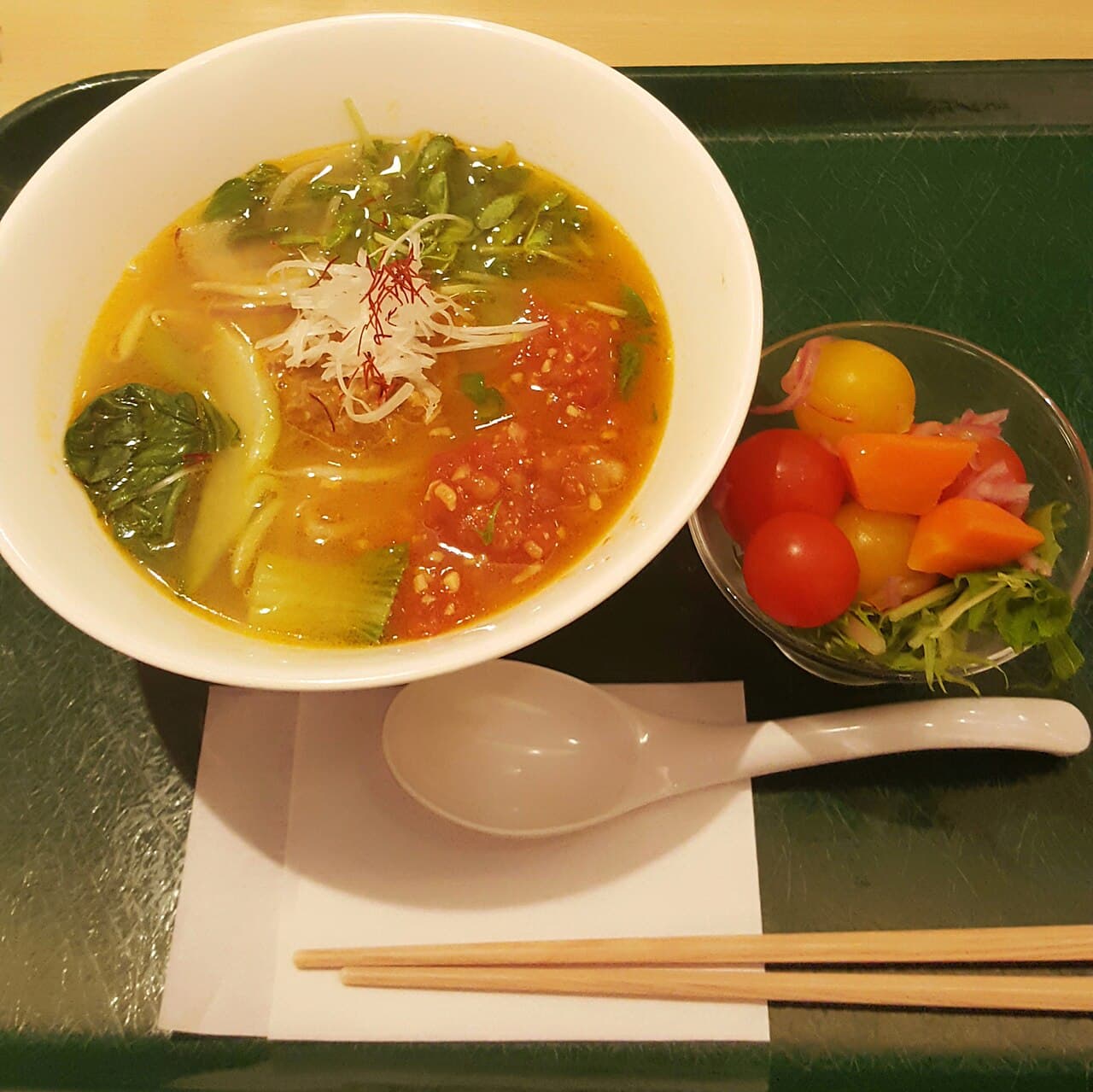
Sapporo has a small but genuine vegan dining scene, concentrated in the Maruyama district and a handful of standalone spots elsewhere in the city — enough for a satisfying two- or three-day visit, though it requires more planning than Tokyo or Kyoto. Here are four currently operating, verified options, plus the traps to watch for.
Salloga (formerly Itadakizen) — Maruyama
This is Sapporo's best-known vegan Japanese restaurant, and it has quietly rebranded: what long-time visitors and older blog posts still call "Itadakizen" is now Salloga, same owner, same location, a refreshed menu concept. It's about an 8-minute walk from Maruyama-koen Station (Tozai Line). Reviews from 2025 and early 2026 describe a small, intimate space run by a single chef, with a macrobiotic, miso-forward lunch menu (rice bowl courses, seasonal vegetable dishes, amazake pudding for dessert). Lunch is generally walk-in friendly; dinner is by reservation, typically booked through Instagram — message ahead rather than showing up unannounced. Address: Minami 2-jo Nishi 23-chome, Chuo-ku. Closed Monday and Tuesday.
Holistic Bio Cafe Veggy Way — Maruyama
A fully vegan cafe one minute's walk from Exit 1 of Maruyama-koen Station, so it pairs naturally with a Salloga visit on the same trip. The kitchen avoids refined sugar and, notably, avoids pungent alliums (garlic and onion) in some dishes — worth knowing if you're used to garlic-heavy vegan cooking elsewhere. The miso ramen and the soy-based burger with tartar sauce are the dishes reviewers mention most often. Open 11:30–18:00, closed Tuesdays. Address: Odori Nishi 27-chome, Chuo-ku (Maruyama Keiwa West building).
L'Esperance / Aoi Sora Nagarerukumo — shared space
An unusual arrangement worth knowing about: one address, two vegan restaurants operating on different days. L'Esperance serves French-inspired vegan cooking that leans on Hokkaido ingredients — kabocha squash, sake-kasu, rice wafers standing in for fish — with lunch sets from roughly ¥1,600 to a six-course ¥2,600 menu. Aoi Sora Nagarerukumo, one of Sapporo's longer-running vegan kitchens, uses the same space on the other days of the week. Check current day-of-week assignments before visiting, since this kind of shared-space arrangement can shift.
Beyond Age Soup Curry — Minami 19-jo
Soup curry is a Sapporo specialty, and Beyond Age is the most reliable place to eat a genuinely vegan version rather than hoping a kitchen will modify a meat-based broth on request. The menu clearly labels two vegan broth options — a standard version and a coconut version — both served with a generous pile of Hokkaido vegetables and rice on the side. An English menu is available via QR code. Address: Minami 19-jo Nishi 7-chome, Chuo-ku. Open daily for lunch (11:00–15:00) with evening service most nights; cash only.
Traps to avoid
The dashi trap. Even dishes that look purely vegetable-based in Japanese cooking are routinely built on bonito (katsuobushi) or dried sardine (niboshi) stock. This is the single biggest way vegans get caught out in Japan, and it applies at izakaya, soba shops, and even some "vegetable" set meals outside the dedicated vegan restaurants above. At the four venues listed here, the vegan claim is explicit and dashi-free — that's precisely why they're worth seeking out rather than hoping a general restaurant will accommodate you.
Hidden animal products. Watch for honey in dressings and desserts, gelatin in sweets, and butter or lard worked into pastry — none of these are always obvious from a menu description, so ask if you're unsure and a dish isn't explicitly marked vegan.
Soy sauce and wheat. If you're also avoiding gluten, standard Japanese soy sauce (shoyu) contains wheat; tamari is the wheat-free alternative but isn't automatic — confirm before assuming a dish is gluten-safe.
Practical tips
Maruyama is the most efficient base: Salloga and Veggy Way are close enough to combine in one afternoon, and the neighborhood has enough cafes to fill a day around them. Reservations matter more here than in bigger cities — Sapporo's vegan restaurants tend to be small, owner-operated spaces with limited seating, so message ahead for dinner, especially at Salloga. Given how compact this scene still is, it's worth checking each restaurant's social media shortly before your trip for hours, since small independent kitchens in Japan do shift schedules seasonally.
Sources: Tokyo Weekender — 5 Places Where You Can Eat Vegan in Sapporo, HappyCow — Salloga, Vegewel — Itadakizen Sapporo, HappyCow — Beyond Age Soup Curry, Sapporo Tourism — Holistic Bio Cafe Veggy Way
Sources
FAQ
- Is there a fully vegan restaurant in Sapporo?
- Yes. Salloga (formerly known as Itadakizen) and Holistic Bio Cafe Veggy Way, both in the Maruyama district, are fully vegan kitchens, as is Aoi Sora Nagarerukumo, which shares a space with the vegan French restaurant L'Esperance.
- Can I get vegan soup curry in Sapporo?
- Yes. Beyond Age Soup Curry in the Minami 19-jo area offers two clearly labeled vegan broths, a standard version and a coconut version, both served with local vegetables and rice.
- What is the "dashi trap" vegans should watch for in Sapporo?
- Many Japanese dishes that appear vegetable-only are actually made with bonito (katsuobushi) or dried sardine (niboshi) stock. This applies outside dedicated vegan restaurants, including at izakaya and soba shops, so it's safest to eat at venues that explicitly confirm a dashi-free, vegan broth.