
Beyond the capital
Eating beyond Tokyo: day trips to Kamakura, Yokohama, Nara and Hiroshima
Why leave Tokyo at all
Tokyo can fill a lifetime of meals, but four cities within easy reach reward the day trip with food you simply cannot get in the capital. Each has its own diet calculus — some are a gift for vegetarians, others are firmly omnivore — so we have flagged what every traveller should know before they go.
Kita-Kamakura: temple kaiseki, an hour south
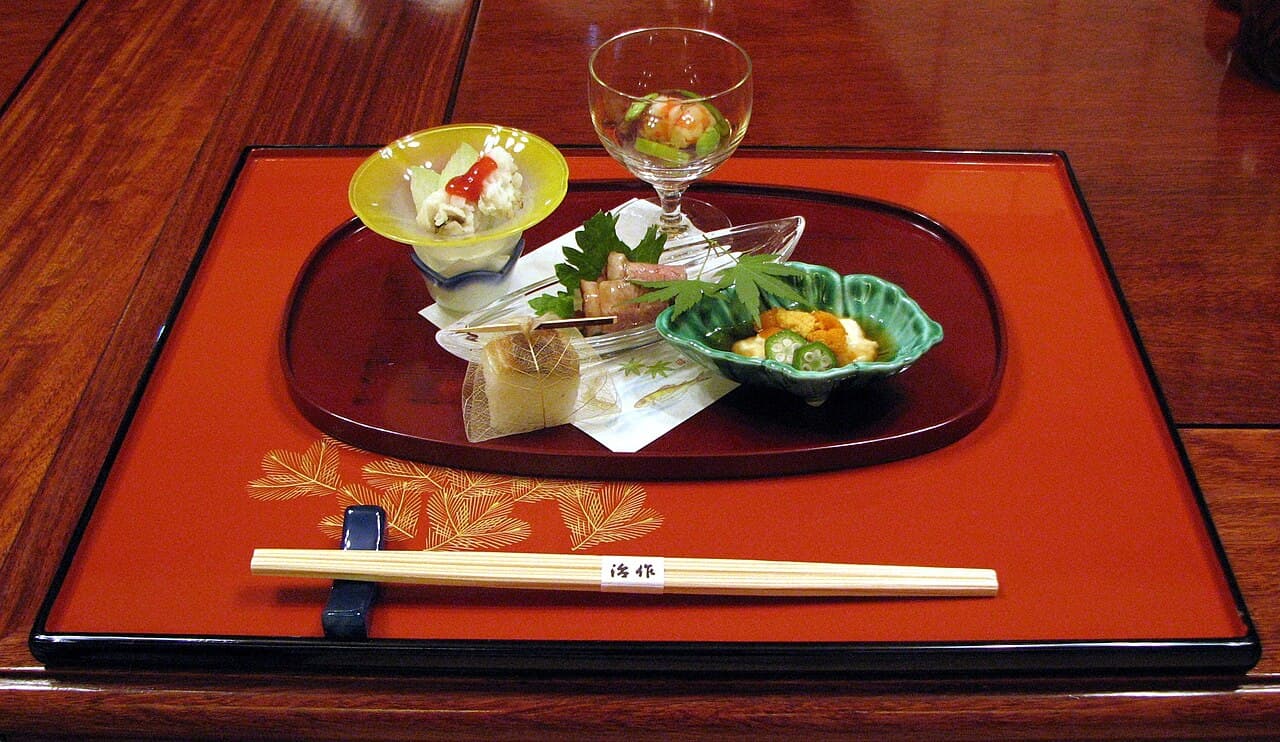
Less than an hour from Tokyo, Kita-Kamakura is a hush of cedar and Zen temples. Hachi no Ki Shinkan, descended from a 1964 shop in front of Kencho-ji, serves seasonal kaiseki of Kamakura vegetables, tofu and wheat gluten beside a garden — and, crucially for restricted diets, will prepare a fish-free Buddhist shojin (vegetarian) course for vegetarian and Muslim guests when you book ahead. Reserve and state your needs; do not assume the standard course is meat-free. Closed Thursdays.
Yokohama: the country's biggest Chinatown
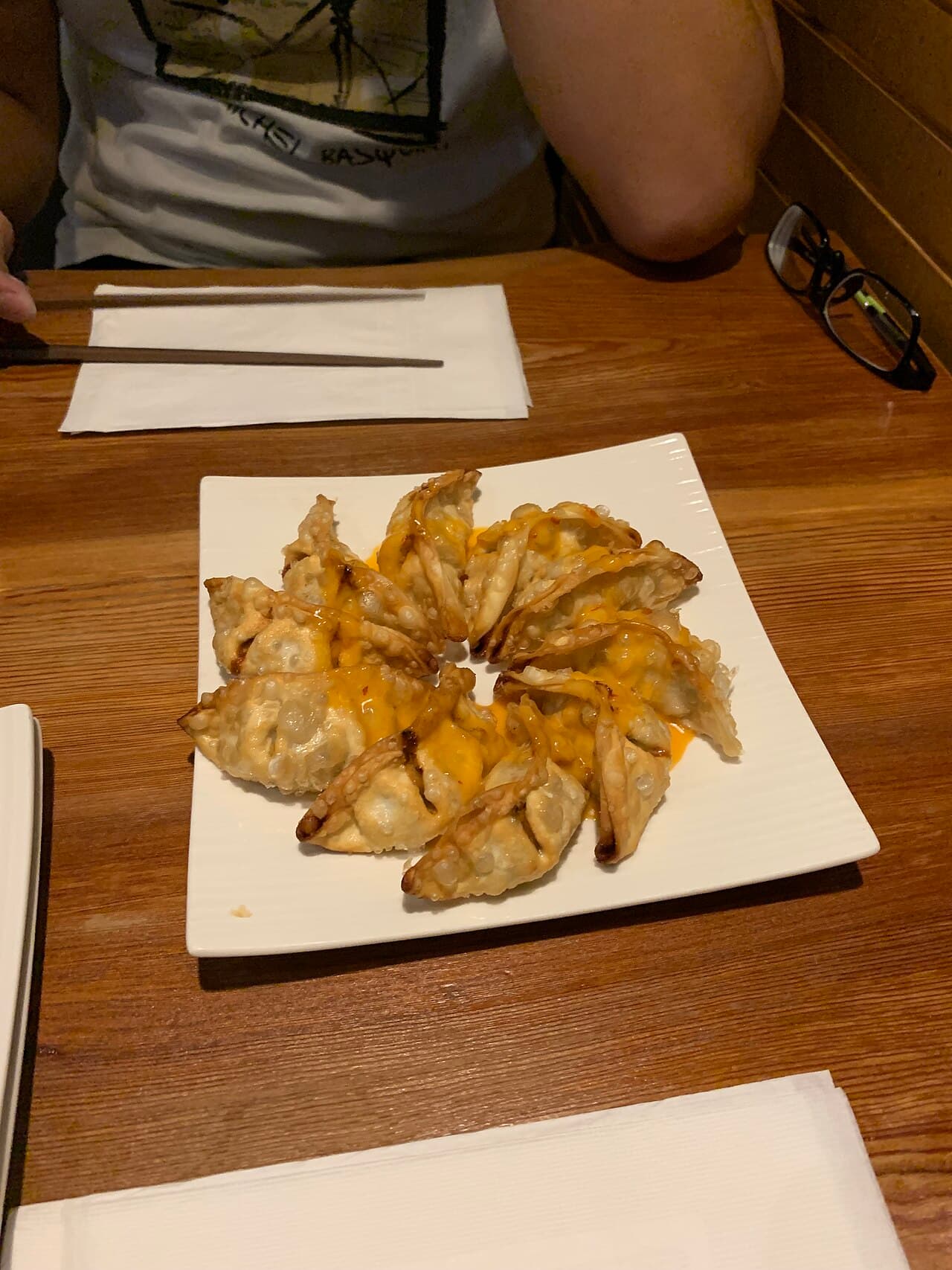
Thirty minutes from Tokyo, Yokohama Chinatown is Japan's largest, and a rare place where Chinese cooking is the local cuisine. At the grand end, Manchinro Honten has anchored the district since 1892 — refined Cantonese banquet courses and seasonal dim sum, a Tabelog 'Chinese EAST 100' pick — but it is a special-occasion restaurant that publishes no dietary certification, so call ahead about stocks and ingredients. For an everyday meal with real plant-based options, Banwa Rou is a small, English-speaking Taiwanese spot with vegetarian mapo tofu and meat-free dumplings (a full vegetarian course needs a reservation; vegans should confirm chicken stock, oyster sauce and egg).
Nara: vegetarian by tradition
Under an hour from Kyoto and reachable in a long day from Tokyo, Nara is gentle and unhurried. Its signature is kakinoha-zushi — mackerel or salmon cured onto vinegared rice and wrapped in a persimmon leaf — served sit-down at Hiraso, a house founded in 1861 (great for pescatarians, not for vegans, and not gluten-free). For plant-based eating, Kinatei is a lunch-focused vegetarian restaurant run by a vegan chef using organic vegetables and no fish dashi — a real relief in a city where bonito stock is everywhere.
Hiroshima: okonomiyaki, built in layers
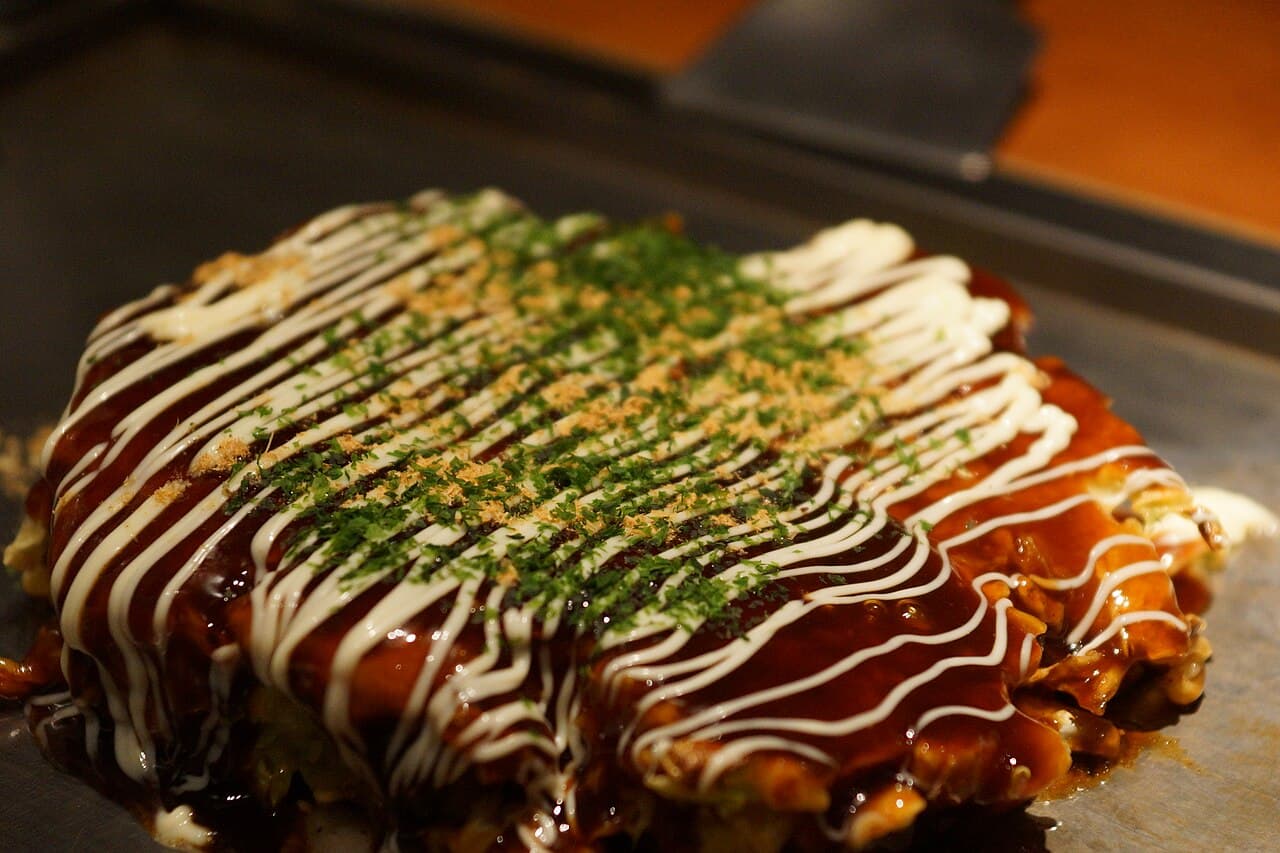
Hiroshima is the farthest trip — a Shinkansen run, best as an overnight — but its okonomiyaki is unmissable. Yagenbori Hassho, a six-time Tabelog 'Okonomiyaki 100' counter, layers a thin batter, a mountain of slow-steamed sweet cabbage, fresh noodles and pork. It is gloriously un-diet-friendly (wheat, pork, shared griddle), so this one is for omnivores; restricted diets should plan a separate meal.
Planning your trips
Kamakura and Yokohama pair naturally into one easy day south; Nara suits a Kyoto-Kansai leg; Hiroshima earns its own overnight. Filter the directory by city to map each crawl, and check days off — several of these close midweek.
More picks in Yokohama
- Manchinro Honten — the full listing for Yokohama Chinatown's grande dame Cantonese dining room, with hours and booking info.
Places we’ve confirmed
Hachi no Ki Shinkan
Seasonal kaiseki of Kamakura vegetables, tofu and wheat gluten in a garden dining room
A serene garden-side kaiseki house in temple-filled Kita-Kamakura, descended from a rice-ball shop founded in 1964 in front of Kencho-ji, a few minutes' walk from the station. Its everyday menu is seasonal kaiseki built on Kamakura vegetables, tofu and wheat gluten, but it will prepare a fish-free Buddhist shojin (vegetarian) course for vegetarian and Muslim guests when booked in advance — so reserve and state your needs rather than assuming the standard course is meat-free. Closed Thursdays.
- Vegetarian
- Vegan
- Anniversary
- Date
- Private room
- Business
Banwa Rou
Vegetarian mapo tofu and meat-free dumplings alongside a Taiwanese menu
A small, friendly Taiwanese restaurant on the edge of Yokohama Chinatown serving an everyday menu with a genuine set of plant-based choices — vegetarian mapo tofu, meat-free dumplings and vegetable dishes — and English is spoken, which is rare for the area. A full vegetarian course needs a reservation, though à-la-carte vegetarian dishes do not. As with all Chinese kitchens, confirm whether items use chicken stock, oyster sauce or egg if you are strictly vegan.
- Vegetarian
- Vegan
- Casual
- Solo
- Date
Manchinro Honten
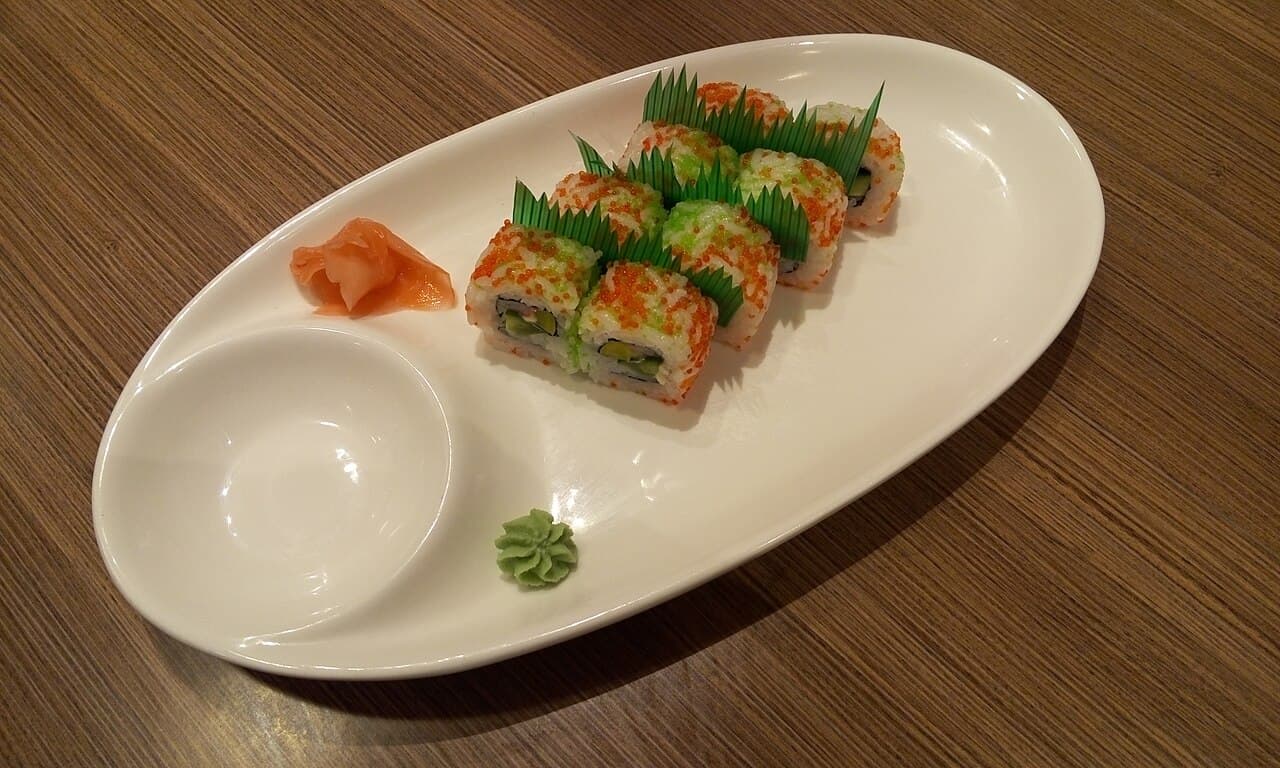
Refined Cantonese banquet courses and seasonal dim sum
The grande dame of Yokohama Chinatown, founded in 1892 and still the district's most famous Cantonese restaurant (a Tabelog 'Chinese EAST 100' selection for 2026), serving refined banquet courses and seasonal dim sum in formal dining rooms. It is an occasion restaurant — dinner runs to the top price band — and publishes no halal or vegetarian certification, so diners with restrictions should call ahead about specific dishes and dashi/stock bases rather than assume accommodation. Closed Mondays.
Last verified Jul 2026- Business
- Anniversary
- Date
- Private room
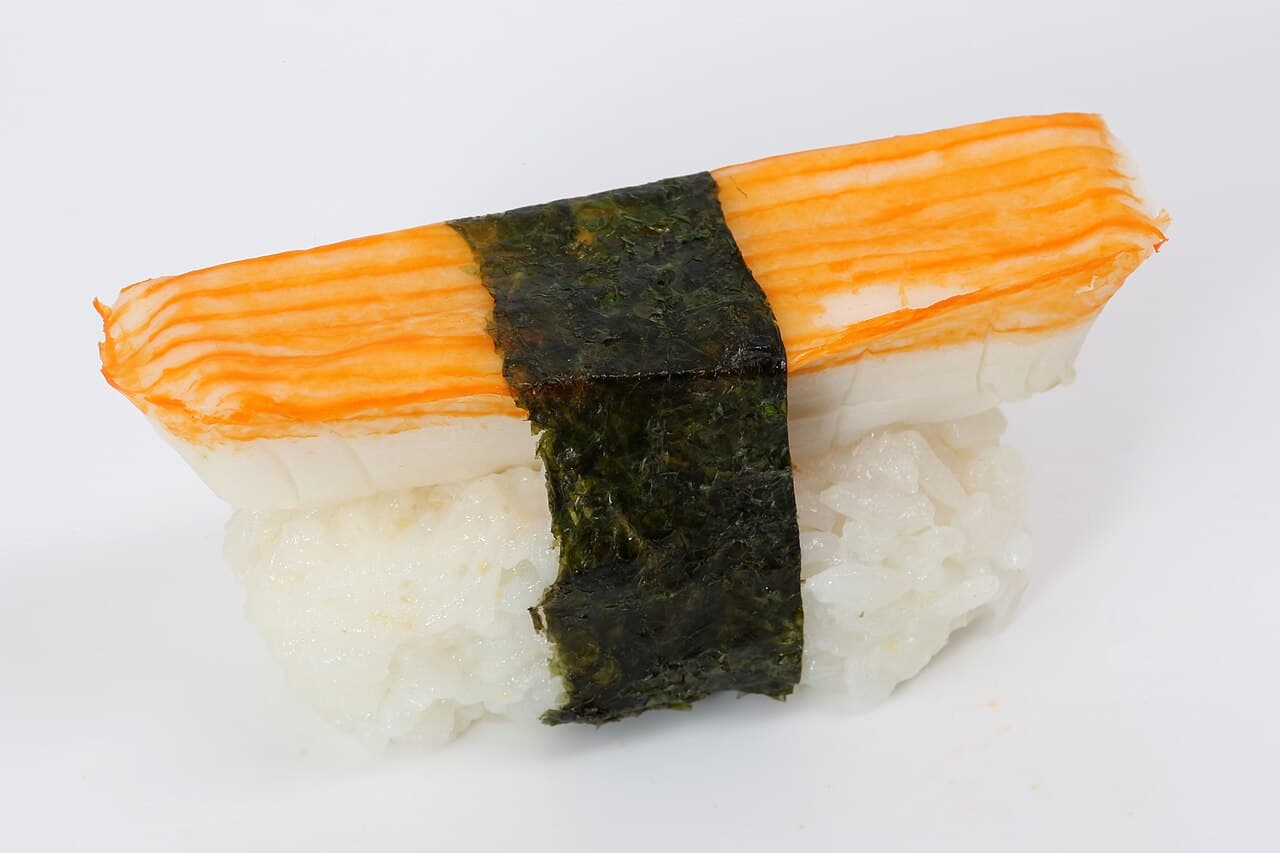
Kakinoha-zushi Hiraso (Nara)
Kakinoha-zushi — cured mackerel and salmon pressed onto vinegared rice and wrapped in a persimmon leaf
The Naramachi dining branch of Hiraso, a kakinoha-zushi house founded in Yoshino in 1861, where Nara's landlocked specialty — mackerel or salmon cured and pressed onto vinegared rice, then wrapped in a fragrant persimmon leaf — is served as a sit-down meal a short walk from Sarusawa Pond. Because the toppings are fish, it suits pescatarians but not vegetarians or vegans; the rice is seasoned with vinegar and ordinary soy accompanies it, so it is not gluten-free. Closed Mondays.
- Pescatarian
- Casual
- Date
- Solo
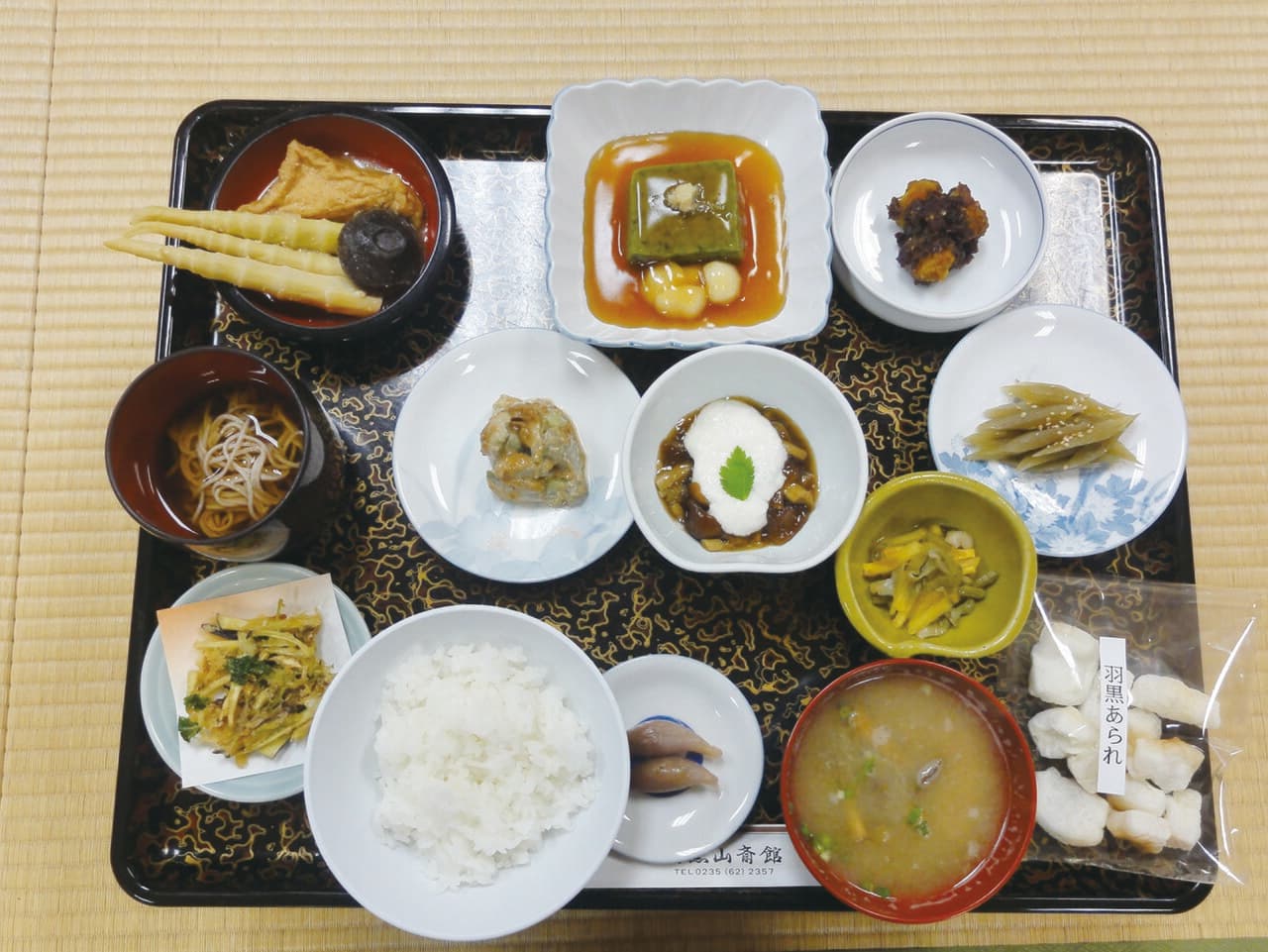
Vegetarian Restaurant Kinatei
Seasonal set meals built from pesticide-free vegetables, rice and house seasonings
A small lunch-focused vegetarian restaurant a few minutes from JR Nara Station, run by a committed-vegan chef who uses pesticide-free and organic vegetables with no meat, fish or seafood — a reassuring option in a city where most cooking still leans on bonito dashi. Most dishes are plant-based and dairy-free; strict vegans should still confirm egg and honey when ordering. It is effectively lunch-only (around 11:00–14:30) and closed Mondays and public holidays, so plan around its hours.
- Vegetarian
- Vegan
- Dairy-free
- Casual
- Solo
- Date
Yagenbori Hassho
Soba nikutama — layered okonomiyaki with a mountain of sweet steamed cabbage, crisp noodles and pork
Often called Hiroshima's greatest okonomiyaki, this tiny Yagenbori counter has earned a place on Tabelog's national 'Okonomiyaki 100' list for six different years. The Hiroshima style is built in layers — a crepe-thin batter, a towering pile of slow-steamed cabbage, fresh noodles griddled crisp and pork belly — so it is not suitable for vegetarian, vegan, halal or gluten-free diets (wheat batter and noodles, pork, and a shared griddle). It opens late afternoon, closes Mondays, and queues form before opening.
Last verified Jul 2026- Casual
- Solo
Sources
FAQ
- Which of these day trips is best for vegetarians and vegans?
- Nara and Kita-Kamakura. Nara's Kinatei is a fully vegetarian restaurant run by a vegan chef with no fish dashi, and Kita-Kamakura's Hachi no Ki will prepare a fish-free shojin (vegetarian) course on advance booking. Yokohama's Banwa Rou has plant-based Taiwanese options. Hiroshima's okonomiyaki, by contrast, is not vegetarian-friendly.
- Can Muslim travellers eat at these places?
- None of these venues is halal-certified. Hachi no Ki in Kita-Kamakura will prepare a fish-free shojin course for Muslim guests when booked ahead, which avoids pork, but you should confirm alcohol-based seasonings such as mirin directly. For certified halal dining, Tokyo and Kyoto have more reliable options.