
Halal guide
Halal Japanese Curry in Tokyo: Where to Eat Now
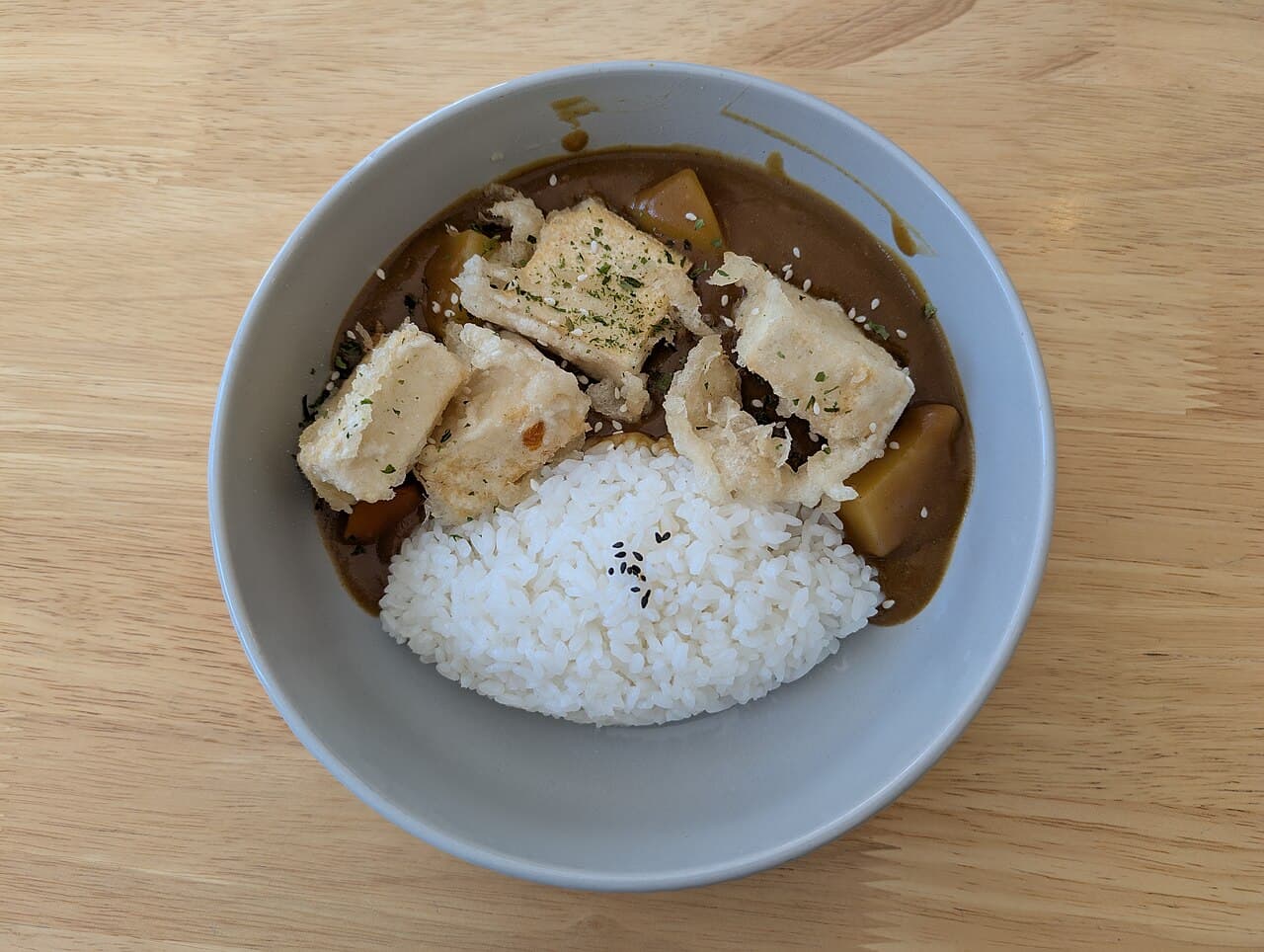
The short answer
If you're searching for halal Japanese curry in Tokyo, skip the CoCo Ichibanya nostalgia -- those branches are gone -- and go straight to two working, verified kitchens: Yoshi's Passion in Asakusa for a Kobe-beef take on the classic, and NikoNiko Halal Mazemen & Curry in Akihabara for a JMA-certified, Sri Lankan-inflected bowl. If you're open to curry beyond the Japanese style, Nataraj in Shibuya and Ogikubo covers halal-labelled Indian curry too.
What happened to the halal CoCo Ichibanya
For a few years, CoCo Ichibanya -- Japan's biggest curry chain -- ran halal-friendly branches in Tokyo, and they were genuinely popular with Muslim travellers as a familiar, mainstream way into Japanese curry. Both closed during the 2020 pandemic and never reopened. As of 2026, there is no halal-friendly CoCo Ichibanya anywhere in Japan; ordinary branches use a standard supply chain, including pork toppings, and are not halal. For the full story of what happened to the branch -- and why old blog posts still send people to a shuttered address -- see our write-up on the closure. The good news is that the gap it left has been filled by smaller, more careful kitchens -- which is what the rest of this page is about.
Halal Japanese curry, done right
Yoshi's Passion, Asakusa
Yoshi's Passion is in Asakusa (3-22-1 Asakusa, Taito-ku), and it runs an all-halal kitchen from the ground up rather than carving out a halal corner of a bigger menu. The signature dish is Kobe-beef Japanese curry -- thick, dark, slow-built roux over rice, the way most people picture Japanese curry -- alongside chicken, prawn and mutton options. One nuance worth flagging: the kitchen describes itself as fully halal (no pork, no alcohol in the pot), but we haven't found a named third-party certifying body attached to it, so treat it as a trustworthy, halal-friendly kitchen rather than a formally audited one, and ask on arrival if certification specifics matter to you.
NikoNiko Halal Mazemen & Curry, Akihabara
A few stops away in Akihabara, NikoNiko is a small counter shop run by a Sri Lankan Muslim owner, and it is certified halal by the Japan Muslim Association (JMA). The curry side of the menu leans Sri Lankan rather than classic Japanese -- expect around eight flavours, including a chicken cutlet curry that splits the difference between the two traditions -- served alongside NikoNiko's soupless mazemen. It's a smaller, quieter room than a chain restaurant, and the kind of place where the owner will talk you through the menu if you ask.
Between the two, Yoshi's Passion is the closer match to the CoCo Ichibanya style of curry (rice, roux, a fried cutlet), while NikoNiko rewards travellers curious about how Japanese and South Asian halal cooking blend.
Beyond Japanese style: halal-friendly Indian curry
If "curry in Tokyo" doesn't have to mean Japanese-style roux, Nataraj is worth knowing. This long-running Indian vegetarian group -- outposts in Shibuya and Ogikubo -- lists vegan, vegetarian and halal options clearly on the menu, and its spice-forward organic vegetable curries and tandoor naan are a genuinely different (and reliably vegetable-heavy) meal from either of the Japanese-style kitchens above. As with Yoshi's Passion, the halal labelling here is the restaurant's own, not a named external certifier, so it's best filed as halal-friendly rather than halal-certified.
Practical tips
Both Japanese-style kitchens are compact -- Yoshi's Passion and NikoNiko each seat a modest counter's worth of guests -- so a weekday lunch is easier than a Saturday evening. None of the four venues above serve alcohol on the halal side of the menu, but always confirm the day's ingredients if you have a specific allergy on top of halal requirements. For the wider neighbourhood picture -- prayer rooms, more restaurants, itinerary ideas -- the Tokyo halal guide is the hub this page sits inside.
Bottom line
The halal CoCo Ichibanya branches are gone, but Tokyo's halal curry scene didn't disappear with them -- it just moved to smaller, more deliberate kitchens. Yoshi's Passion and NikoNiko both do the job well for Japanese-style curry, and Nataraj is there if you want to widen the definition of "curry" altogether.
This month’s rankings
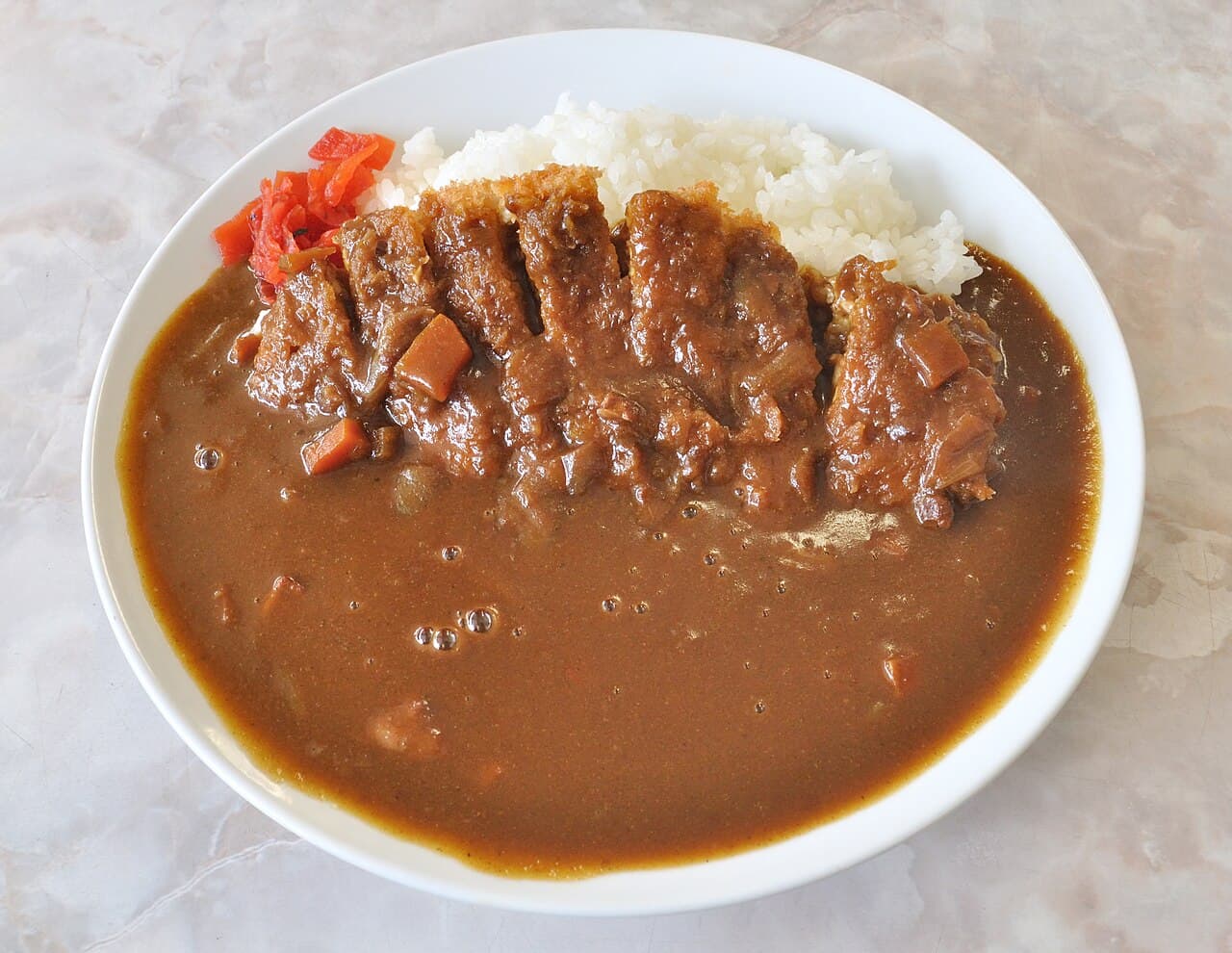
Halal Japanese Curry Yoshi's Passion
Kobe beef Japanese curry
A two-minute stroll from Senso-ji, this all-halal kitchen ladles rich Japanese curry over crisp cutlets and even Kobe wagyu, so Muslim travellers never have to skip Japan's comfort dish.
- Halal
- Solo
- Casual
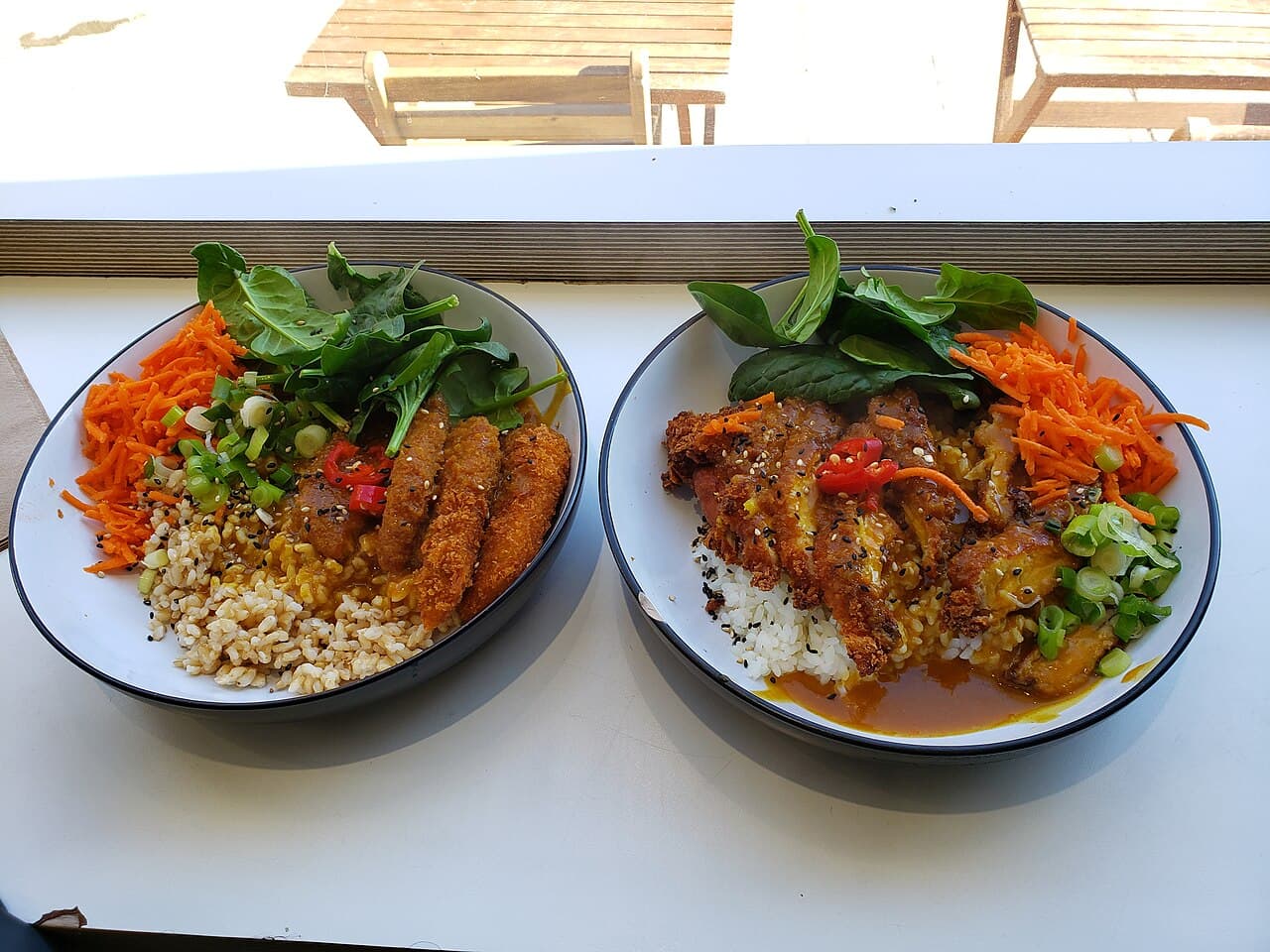
NikoNiko Mazemen & Curry
Sri Lankan curry and soupless maze-soba, all halal
A tiny counter near Akihabara run by a Sri Lankan Muslim owner, serving an all-halal lineup of soupless maze-soba and home-style Sri Lankan curry.
- Halal
- Solo
- Casual
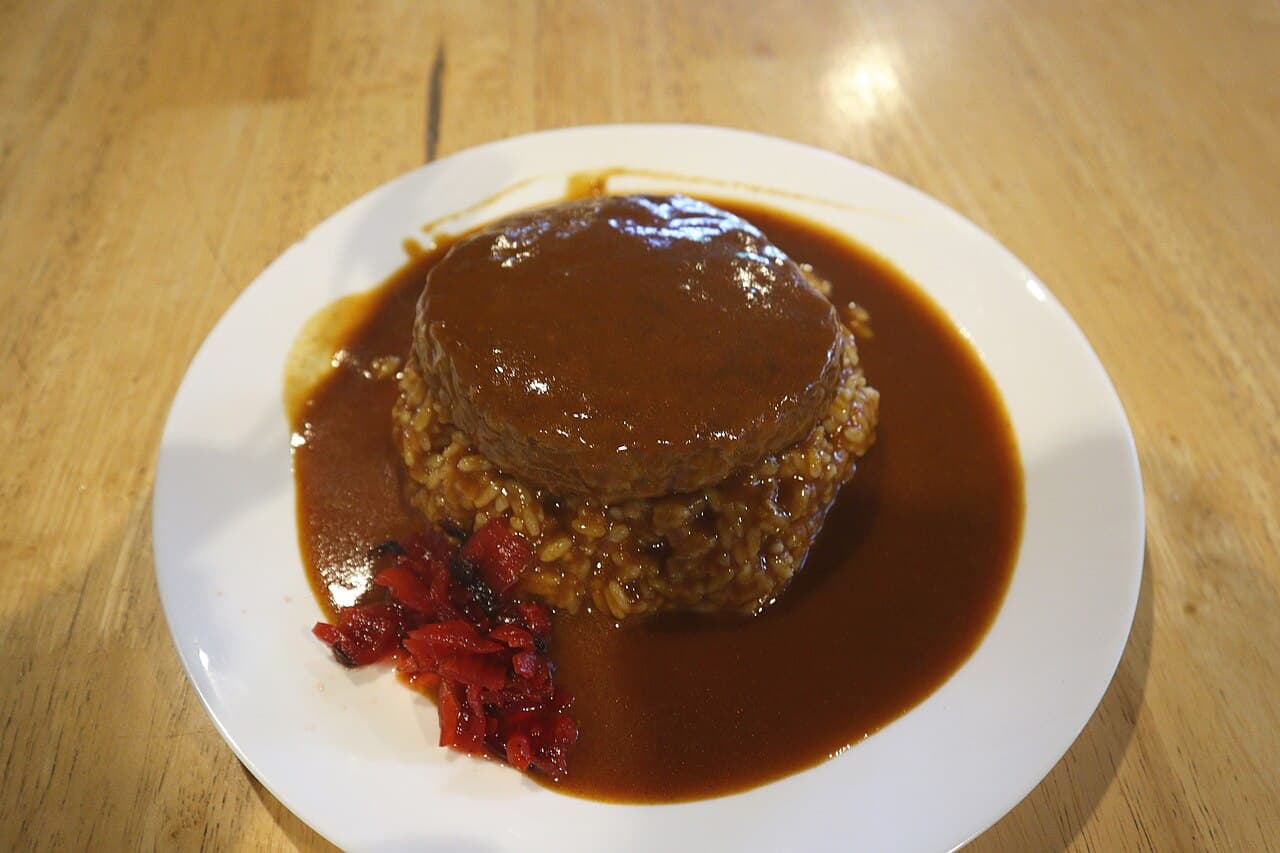
CoCo Ichibanya Halal Akihabara — Permanently Closed
Customisable Japanese curry rice with halal toppings; pick your rice size and spice level
Permanently closed. CoCo Ichibanya's halal-certified Akihabara branch and its Shinjuku sister shop shut during the 2020 pandemic and have not reopened — as of 2026 there is no halal-certified CoCo Ichibanya in Japan. For halal Japanese curry and other options, see our halal fast-food chains guide and halal Tokyo guide.
- Halal
- Solo
- Casual
Nataraj Shibuya
Organic vegetable curries and tandoor naan with vegan, vegetarian and halal options
The Shibuya outpost of the long-running Nataraj natural-Indian vegetarian group, offering spice-rich organic vegetable curries, tandoor naan and clearly labelled vegan, vegetarian and halal menus in the heart of Shibuya.
- Vegetarian
- Vegan
- Halal
- Casual
- Business
Nataraj Ogikubo
Organic vegetable curries with tandoor naan; vegan, vegetarian and halal menus
A pioneering natural Indian vegetarian restaurant (the brand dates to 1989) serving spice-forward curries and tandoor naan in a spacious basement near Ogikubo Station. Vegan, vegetarian, halal and five-allium-free menus make it unusually accommodating.
- Vegetarian
- Vegan
- Halal
- Casual
- Private room
Sources
FAQ
- Is the halal CoCo Ichibanya in Akihabara still open?
- No. Both the Akihabara (opened 2017) and Shinjuku (2018) halal-friendly branches closed during the 2020 pandemic and have not reopened. As of 2026, there is no halal-friendly CoCo Ichibanya anywhere in Japan.
- Is Yoshi's Passion in Asakusa halal certified?
- Yoshi's Passion describes itself as an all-halal kitchen -- no pork, no alcohol -- but we couldn't find a named third-party certifying body attached to it. Treat it as a trustworthy, halal-friendly kitchen rather than formally audited, and ask on arrival if certification specifics matter to you.
- Which halal curry restaurant in Akihabara has certification?
- NikoNiko Halal Mazemen & Curry is certified halal by the Japan Muslim Association (JMA). It's run by a Sri Lankan Muslim owner and serves around eight curry flavours alongside its signature mazemen.
- Where can I get halal Indian curry in Tokyo instead of Japanese-style curry?
- Nataraj, a long-running Indian vegetarian restaurant group with branches in Shibuya and Ogikubo, lists halal options clearly on its menu alongside vegan and vegetarian choices.
- What's the difference between "halal-certified" and "halal-friendly" in Tokyo?
- Halal-certified means an outside body -- like the Japan Muslim Association -- has audited the ingredients and kitchen. Halal-friendly (or "all-halal kitchen") usually means the owner states no pork or alcohol is used, but it hasn't been independently audited. Both can be trustworthy; certified just adds a third-party check.