
Halal guide
Halal Wagyu Tokyo: Ramen, Sushi & Steak Picks
The short answer
Wagyu is easy to find in Tokyo. Wagyu that's actually safe for a Muslim traveller to eat — sourced, seasoned, and prepared without pork or alcohol, ideally with a named certifying body standing behind it — is a much shorter list, and most of it clusters around yakiniku grills. If you want the format to be something other than a table full of raw cuts and a grill, three kitchens are doing genuinely interesting things: wagyu ramen, an all-you-can-eat sushi-and-wagyu course, and a steak-or-burger plate. Here's what to expect from each, and where they draw the line between "halal-certified" and "Muslim-friendly."
For the classic grilled version, see our halal yakiniku Tokyo guide; for the full citywide picture, start with the Halal Tokyo guide.
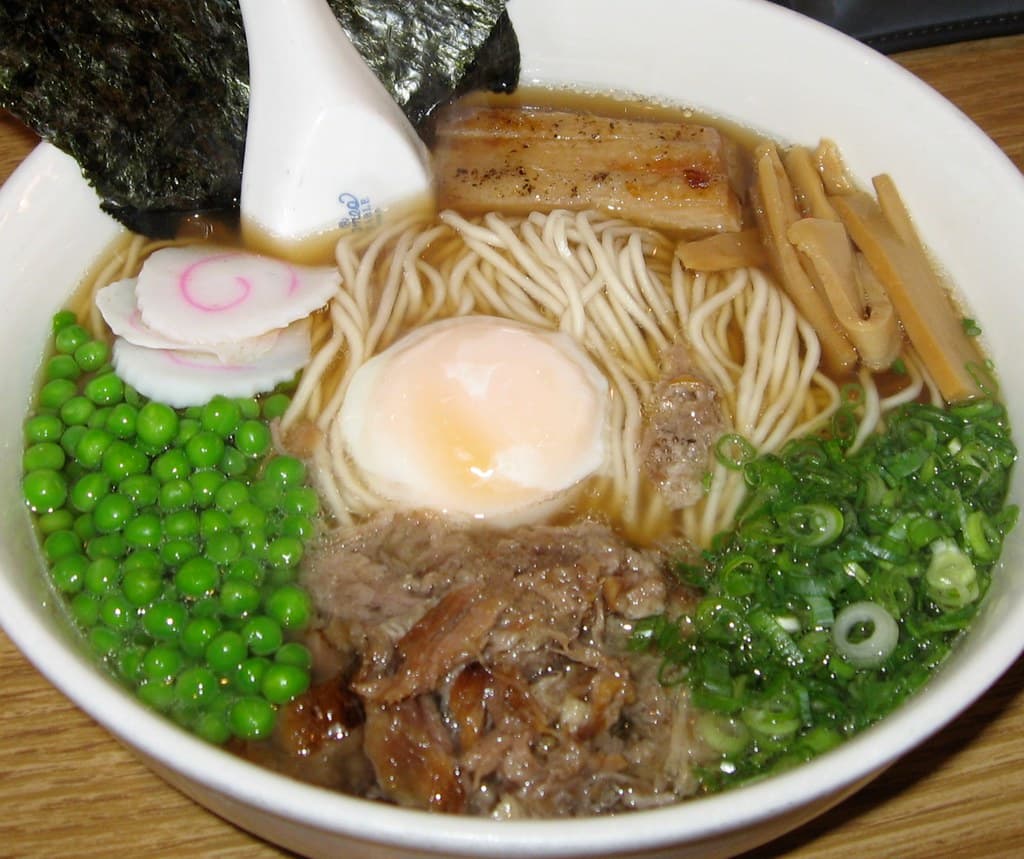
Wagyu ramen: Halal Wagyu Ramen Shinjuku-tei
This is the most straightforward pick on the list. Halal Wagyu Ramen Shinjuku-tei is JMA-certified, meaning a third-party body — Japan Muslim Access — has audited the kitchen, not just taken the owner's word for it. The bowl itself is a rich, wagyu-fat-forward broth topped with slices of A5 beef, and the menu extends past ramen into wagyu steak and gyukatsu (breaded, fried beef cutlet) at some branches, so it can double as a steak stop if ramen alone doesn't feel like a full meal.
The chain has grown past its original Shinjuku store into multiple neighborhoods — Ginza, Shibuya, and Yotsuya among them — so it's usually possible to find a branch near wherever else you're spending the day, rather than building an itinerary around one location. Confirm the nearest branch and hours on the official site before you go, since individual stores do close or relocate.
All-you-can-eat sushi with a halal wagyu course: Fujiyama Tokyo
Sushi & Wagyu Fujiyama Tokyo, near Shinjuku-sanchome, solves a real logistics problem: a group with one halal diner and several people who just want all-you-can-eat sushi. The course pairs unlimited nigiri with a halal-certified A5 wagyu selection, and the kitchen keeps halal ingredients and utensils in a separate, designated storage area rather than mixing them with the general menu.
The nuance worth being upfront about: Fujiyama's wagyu course itself is halal-certified, but the restaurant as a whole is best filed under Muslim-friendly rather than a fully halal establishment — the wider menu includes items, and alcohol, that fall outside the certified course. If that distinction matters to you (and for many observant travellers it does), ask staff to confirm which parts of the meal fall inside the halal course before you order, rather than assuming the whole table is covered.
The same group runs a Shinjuku East Exit branch that has added a halal wagyu hamburger steak to its menu — 100% Kuroge Wagyu, finished with halal-certified soy sauce, miso, and broth, cooked on a hot iron plate, with the option to make garlic rice from the drippings afterward. It's a good middle ground if a full sushi course is more food, and more yen, than you're after.
Steak and burger: the Godaime crossover
If you specifically want wagyu as a steak or burger rather than ramen or sushi, Godaime Wagyu Ginza is the pick — it's covered in more depth in our halal yakiniku Tokyo roundup, since it sits at the crossover between grill and steakhouse formats.
Booking and what to check on arrival
All three of these formats can fill up around dinner on weekends. A same-day reservation through the restaurant's own booking page, rather than a general table-booking app, is the safest way to confirm the halal menu is running that day. On arrival, it's reasonable — and expected — to ask directly whether the dish in front of you is halal-certified or prepared Muslim-friendly-style, and which certifying body, if any, stands behind it. Staff at all three places are used to the question.
The bottom line
Yakiniku isn't the only halal wagyu format in Tokyo — it's just the easiest one to find. Ramen, an all-you-can-eat sushi-and-wagyu course, and a steak-or-burger plate each have a genuine halal or Muslim-friendly track record, and each is worth the detour on its own terms.
This month’s rankings
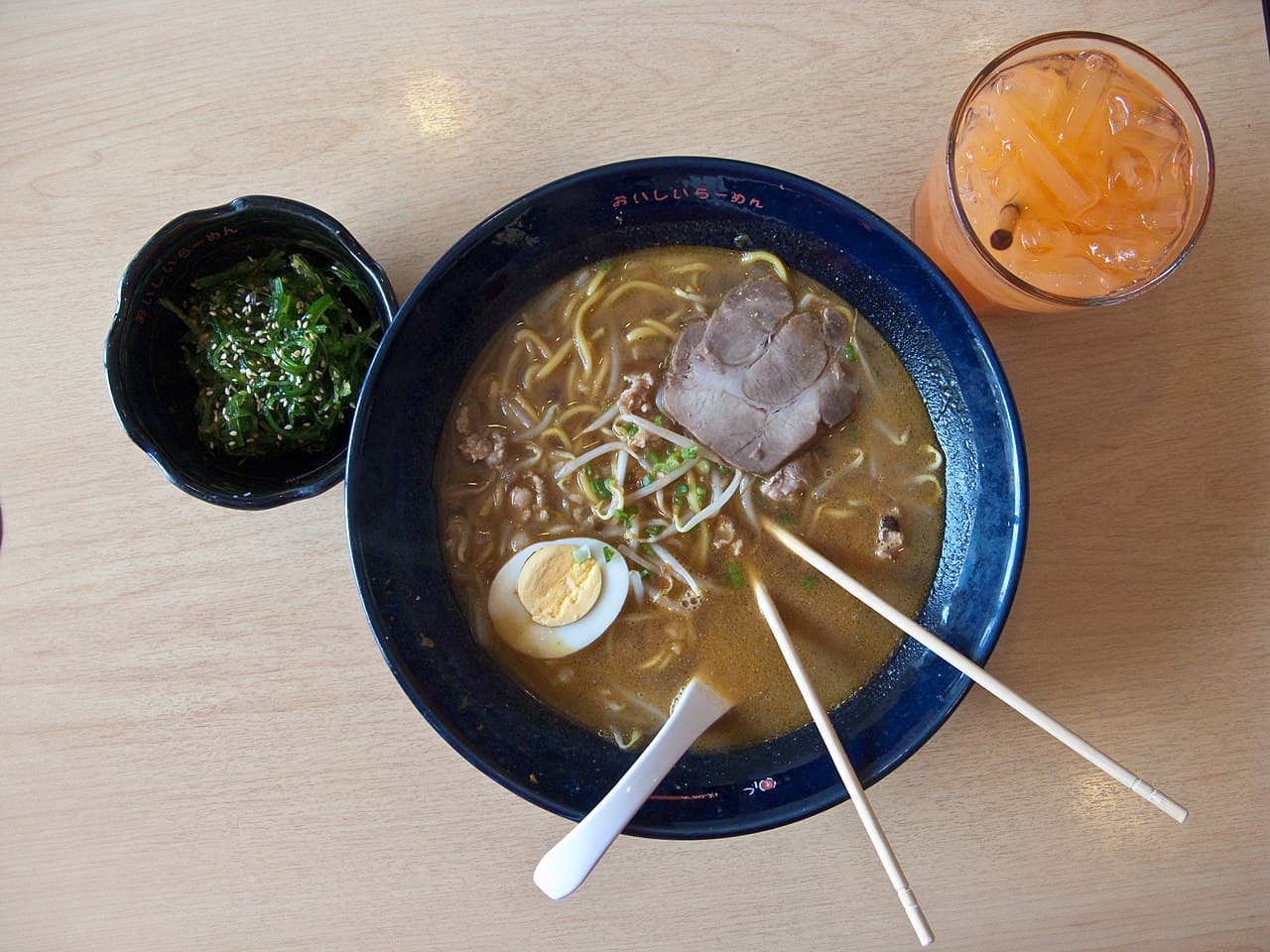
Halal Wagyu Ramen Shinjuku-tei
A5 wagyu roast beef ramen
This flagship near Shinjuku-sanchome crowns a 100% halal-certified bowl with slices of seared A5 wagyu roast beef — pork- and alcohol-free, prayer space on hand.
- Halal
- Solo
- Casual
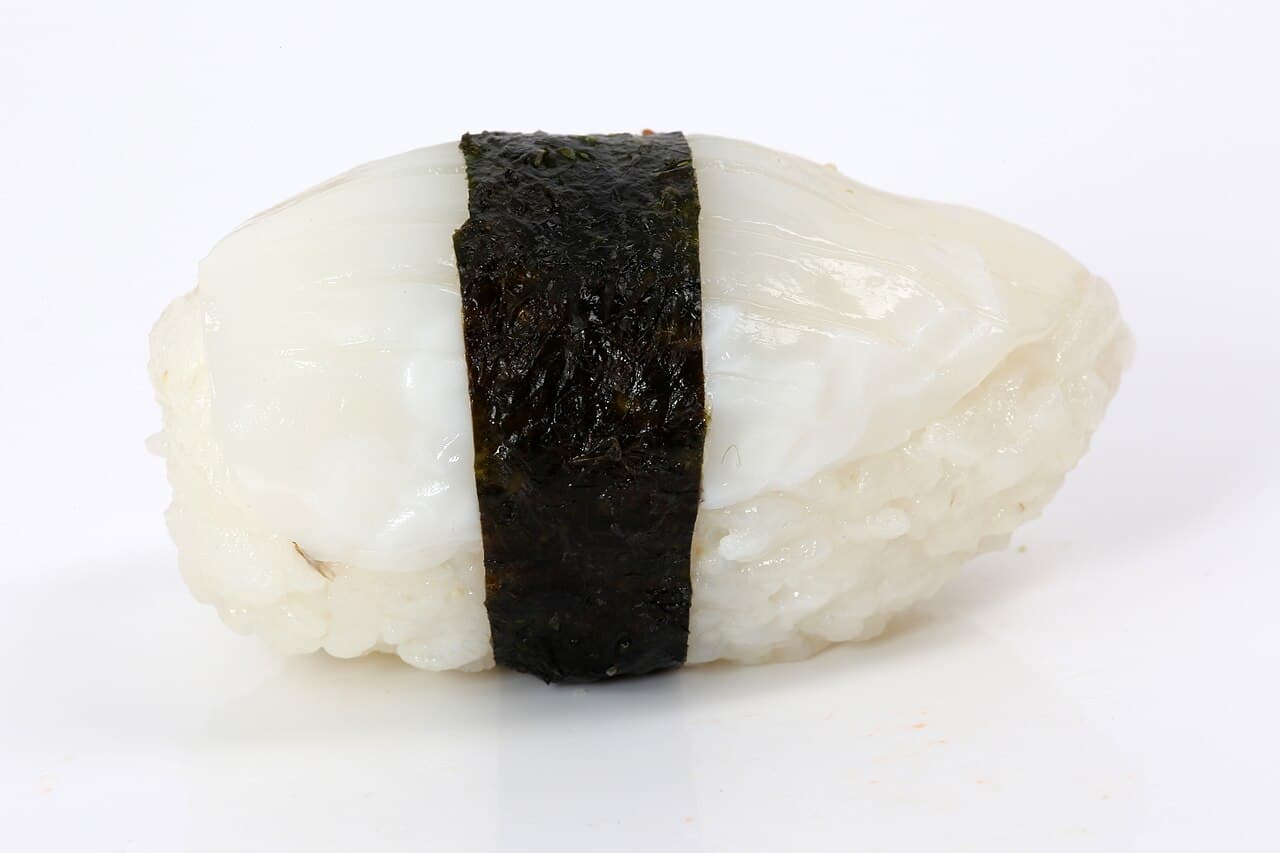
Sushi & Wagyu FUJIYAMA TOKYO (Shinjuku East)
All-you-can-eat premium sushi, snow crab and A5 wagyu
All-you-can-eat sushi near Shinjuku-sanchome with Muslim-friendly plans (separate utensils and storage, no pork or alcohol in those dishes). The restaurant states it is not halal-certified — ask for a Muslim-friendly plan when you book.
Last verified Sep 2026- Casual
- Date
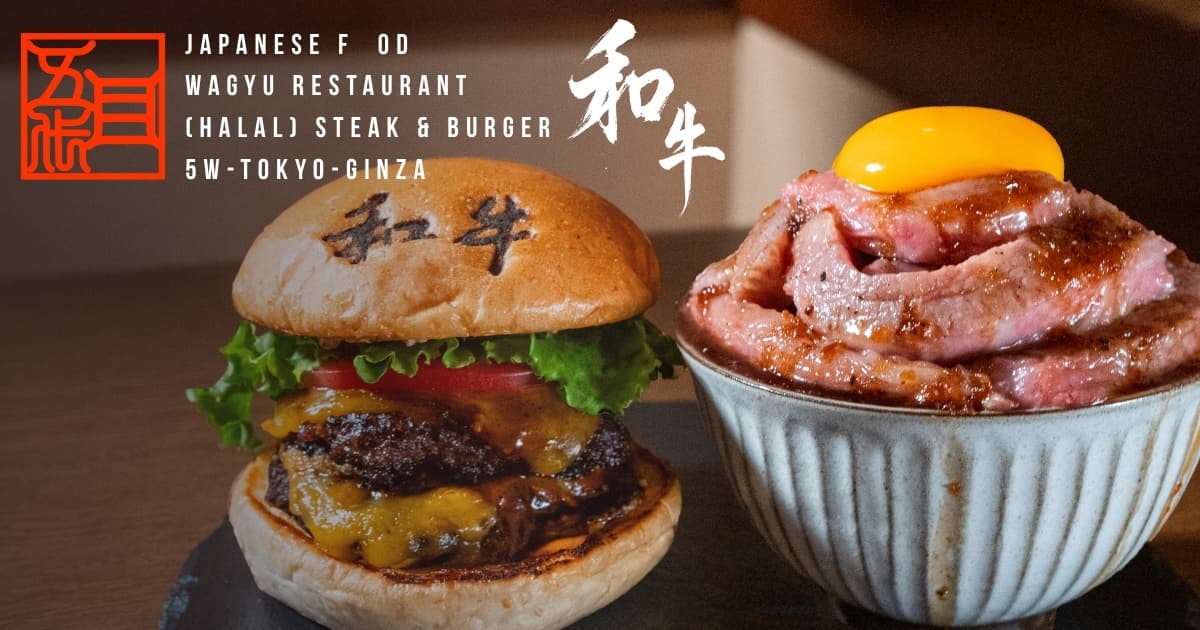
Godaime Wagyu Tokyo (Halal)
Halal-certified Japanese wagyu steak
A fifth-generation wagyu family's alcohol-free basement grill in Ginza serving 100% halal-certified Japanese wagyu steaks and burgers, so every traveller can taste real wagyu. (The halal kitchen is the basement venue.)
- Halal
- Date
- Business
Sources
FAQ
- Is all wagyu in Tokyo halal?
- No. Most wagyu in Tokyo is prepared with standard seasonings and cooking oils that aren't halal, in kitchens that also handle pork and alcohol. Only a small number of restaurants, such as Halal Wagyu Ramen Shinjuku-tei, carry independent halal certification.
- What's the difference between "halal-certified" and "Muslim-friendly" wagyu?
- Halal-certified means an outside body, such as Japan Muslim Access (JMA), has audited the ingredients, sourcing, and kitchen practices. Muslim-friendly means the restaurant avoids pork and alcohol in that dish based on the owner's own description, without independent audit. Fujiyama Tokyo's wagyu course is halal-certified, but the restaurant overall is better described as Muslim-friendly.
- Where can I find halal wagyu ramen in Tokyo?
- Halal Wagyu Ramen Shinjuku-tei is JMA-certified and has branches in Shinjuku, Ginza, Shibuya, Yotsuya, and Ueno-Park among others. Check the official site for the current branch list and hours before visiting, since individual stores can change.
- Is there an all-you-can-eat halal wagyu option in Tokyo?
- Yes. Sushi & Wagyu Fujiyama Tokyo, near Shinjuku-sanchome, pairs unlimited nigiri sushi with a halal-certified A5 wagyu course, prepared with separate utensils and storage from the general menu.
- Do I need a reservation for these restaurants?
- It's strongly recommended, especially for dinner and weekends. Book directly through each restaurant's own site so you can confirm the halal menu is running that day rather than relying on a general table-booking app.
- Is halal wagyu more expensive than regular wagyu in Tokyo?
- It can run somewhat higher because of certified sourcing and separate handling, though exact pricing varies by restaurant and course — check each restaurant's own menu or booking page for current prices before you go.