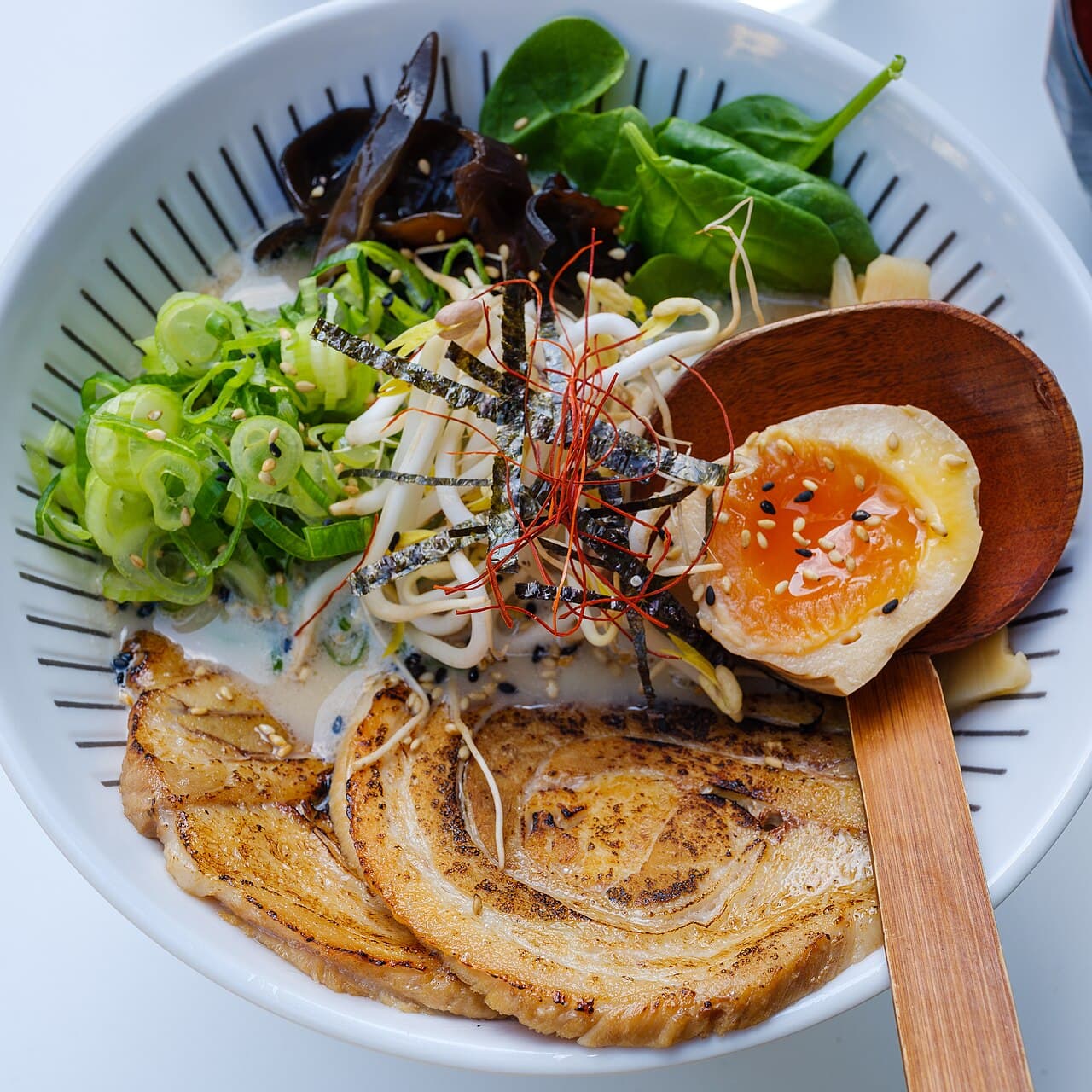
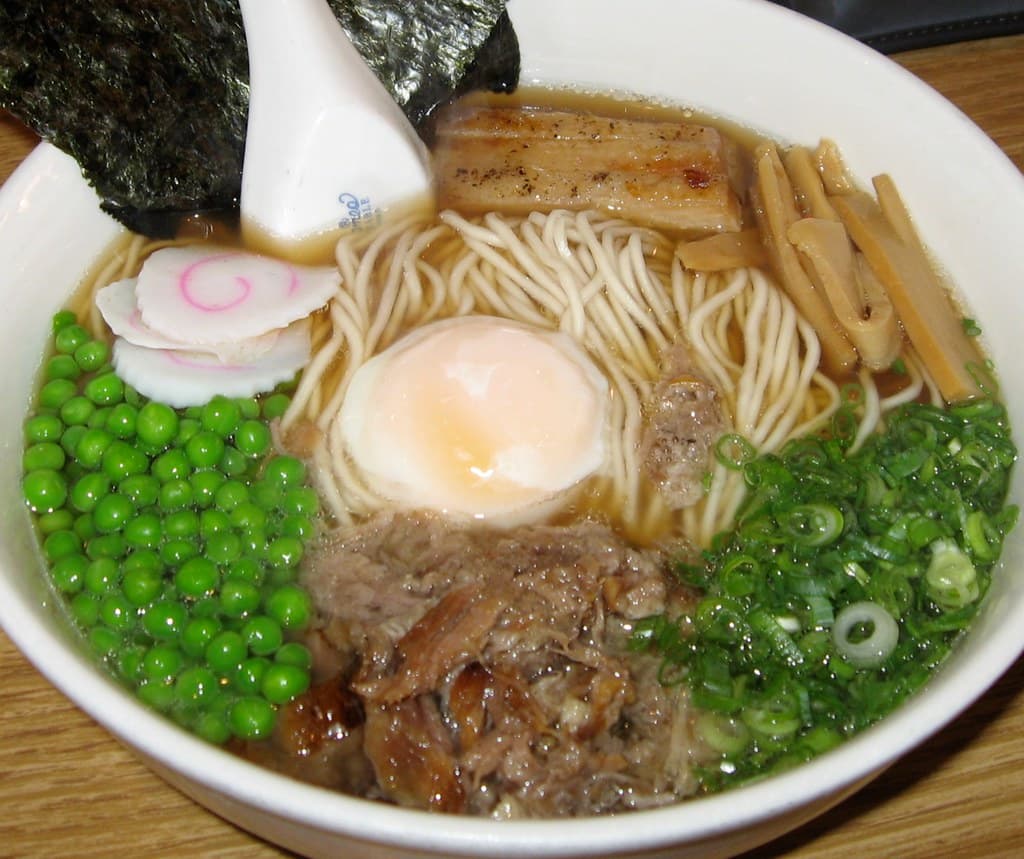
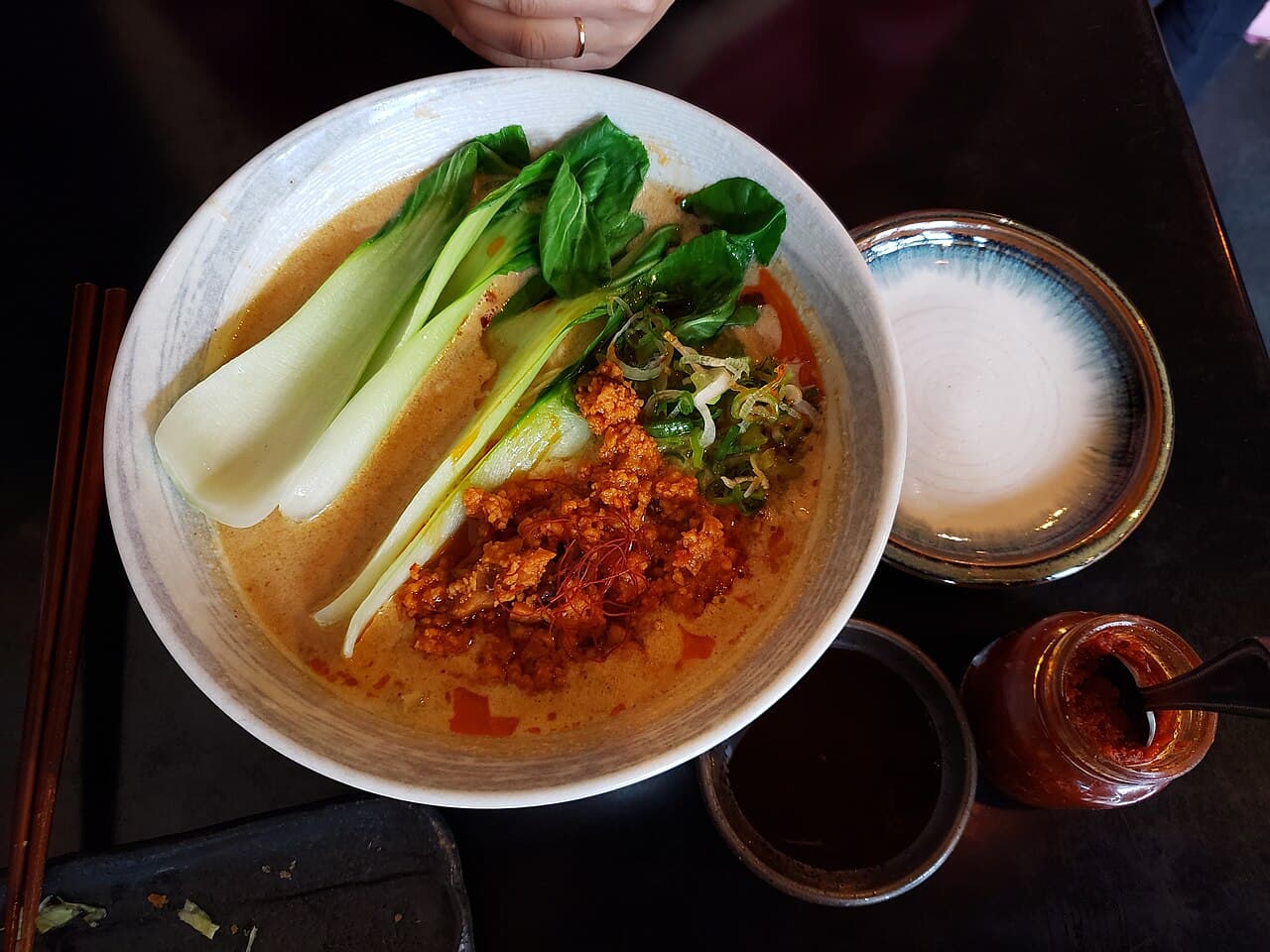
All 8 halal ramen shops UMAMI HUNT has verified inside Tokyo, ranked by stated third-party certification, prayer space and price band. Five state certification. The ranking method is spelled out.
A Ginza steakhouse debut, a Roppongi Mexican relocation, a Nakano izakaya built around "parent chicken," and Tokyo Disney's first fully plant-based tempura bowl — here's what's genuinely new in Tokyo dining as of July 2026, with the dietary fine print each one deserves.
Tokyo's chinese halal restaurant scene spans three neighborhoods: Ikebukuro for Xi'an-style Chinese Muslim cooking, Shin-Okubo for Uyghur noodles and Mongolian hotpot, and Nishi-Shinjuku for one of the city's longest-running Uyghur kitchens. None of the five restaurants covered here display certification from a named third-party halal body -- all are Muslim-friendly or halal-by-tradition. Here's exactly what that means at each one, and where to eat.
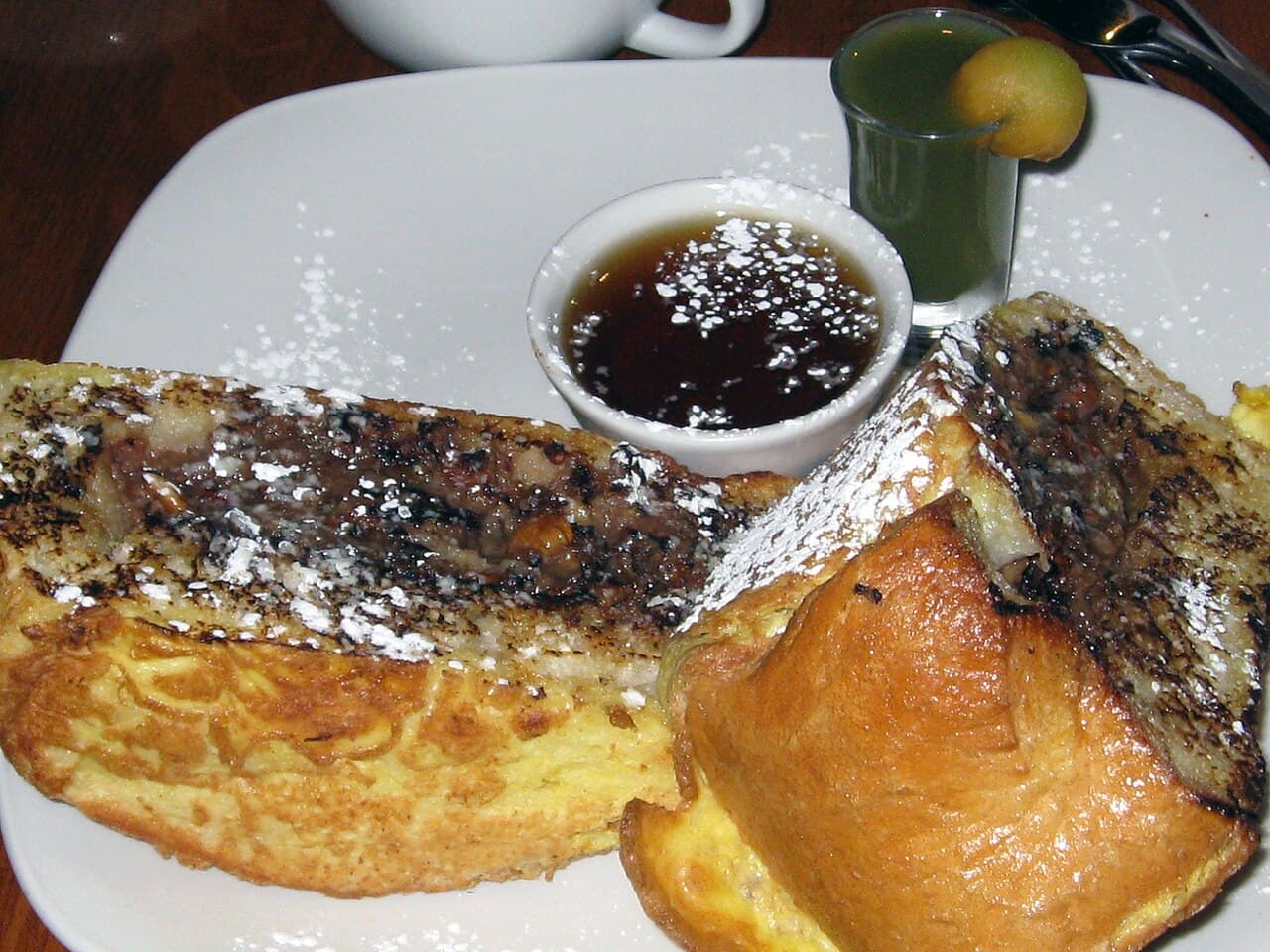
Tokyo doesn't yet have a fully halal-certified breakfast restaurant scene -- most options are careful Muslim-friendly cafes instead. Cafe Aaliya's French toast is alcohol-free in prep (though two sauces aren't), Sakura Cafe runs a 24-hour halal menu with a prayer room, and Flipper's is self-declared Muslim-friendly. Gohan Cafe has a posted halal certificate but opens at 11am, making it brunch, not breakfast.
Halal wagyu in Tokyo isn't limited to yakiniku: Halal Wagyu Ramen Shinjuku-tei serves JMA-certified wagyu ramen and steak across several branches, Sushi & Wagyu Fujiyama Tokyo pairs all-you-can-eat sushi with a halal-certified A5 wagyu course, and Godaime Wagyu Ginza covers the steak-and-burger format — each with a different certified-versus-Muslim-friendly story worth knowing before you book.
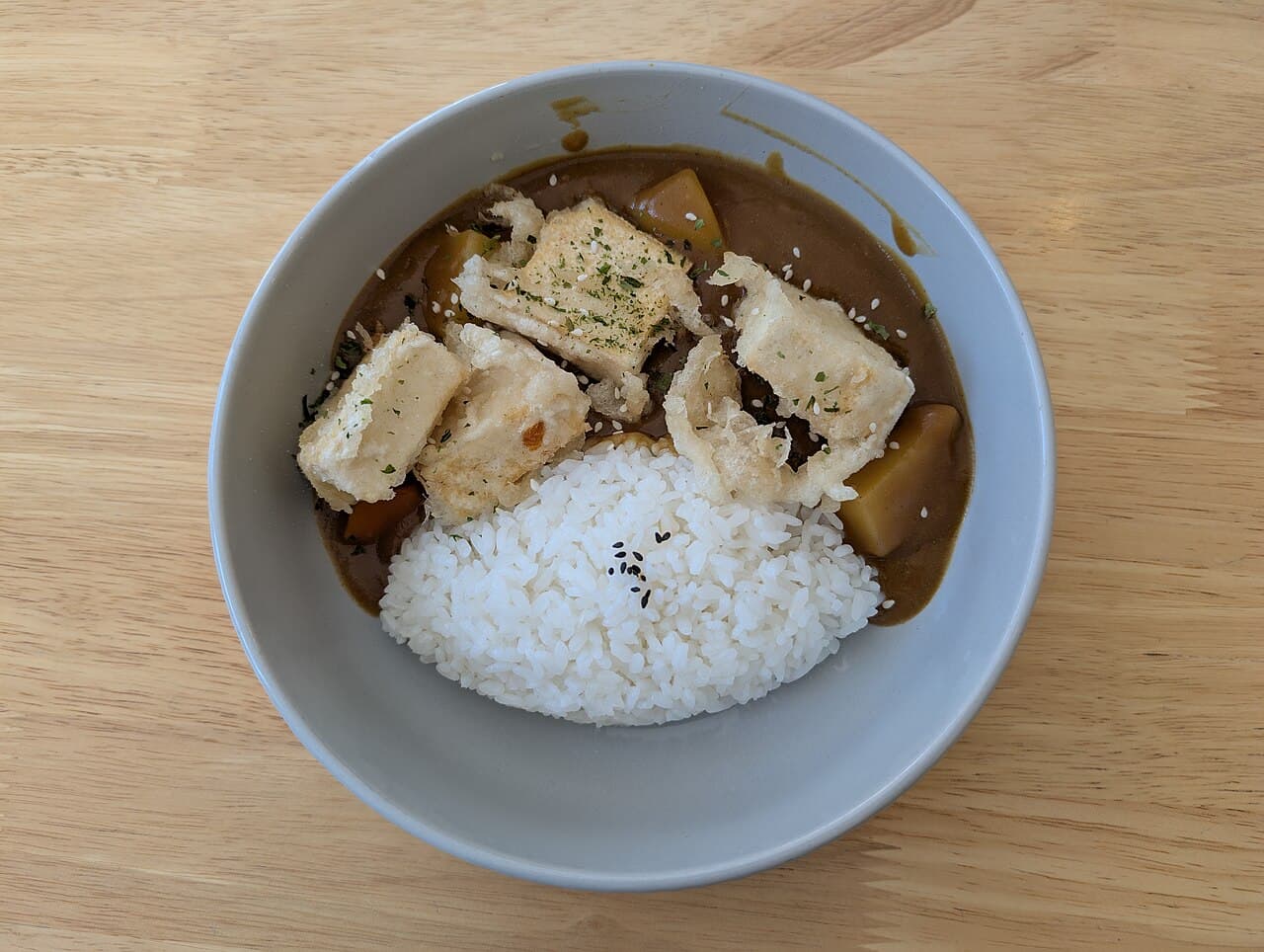
Halal Japanese curry in Tokyo now means Yoshi's Passion in Asakusa and NikoNiko Halal Mazemen & Curry in Akihabara -- not the halal CoCo Ichibanya branches, which closed in 2020 and never reopened. Yoshi's Passion runs an all-halal kitchen built around Kobe-beef curry; NikoNiko is JMA-certified with Sri Lankan-inflected flavours. For a broader alternative, Nataraj in Shibuya and Ogikubo serves halal-labelled Indian curry.
Ordinary ramen is off-limits on a gluten-free diet — the noodles are wheat and the soy-tare broth hides more. But Tokyo now has real gluten-free ramen: a handful of kitchens make rice-flour noodles in dedicated, wheat-free setups. Here are the verified venues, plus exactly what to confirm before you order.
Vegan ramen in Shibuya is real, not an afterthought — fully plant-based bowls where the broth is built from kombu, shiitake and sesame, with no katsuobushi or pork. Here is where to slurp, and the one question that catches travellers out.
Finding pork-free ramen near Shibuya takes know-how — most broth is tonkotsu. Here are the certified and Muslim-friendly bowls in and around Shibuya, plus what to confirm at the counter.
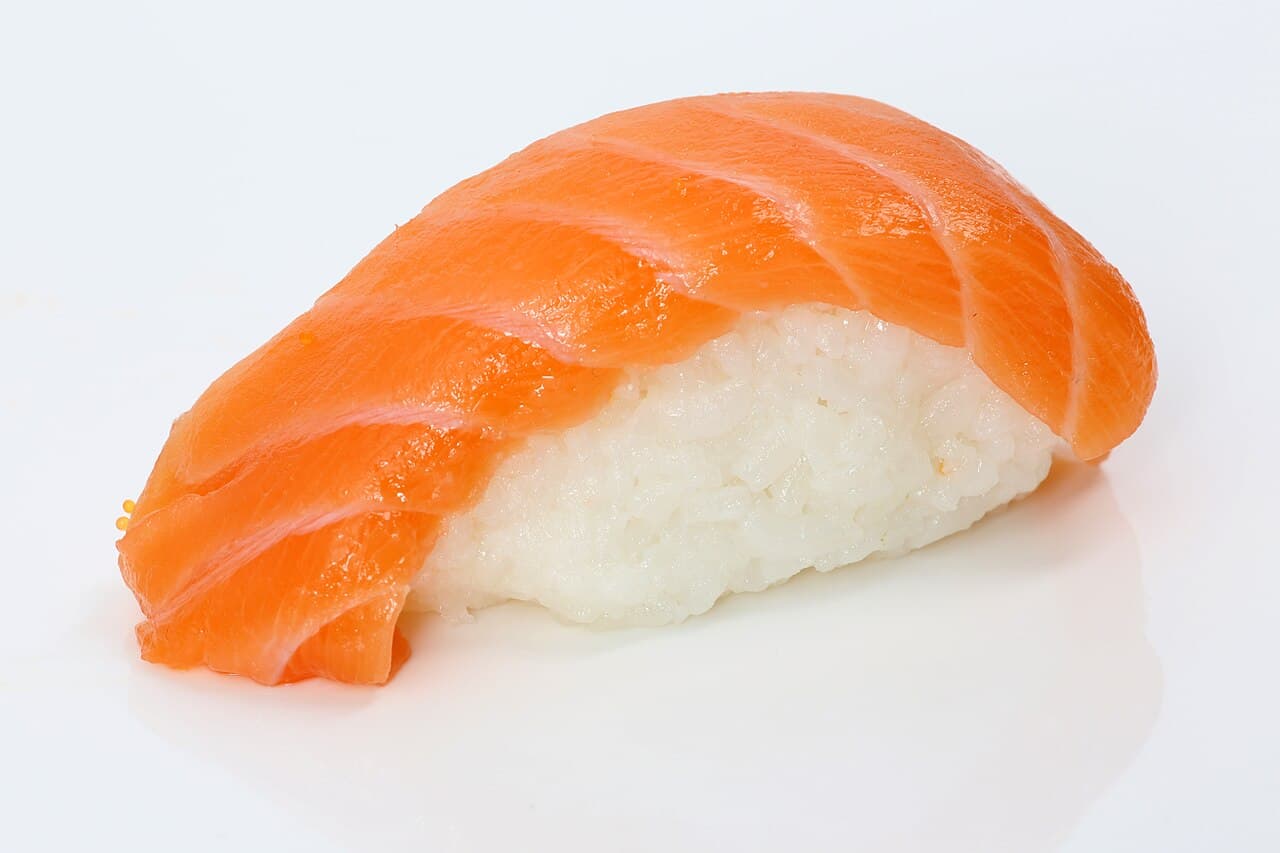
Halal sushi in Tokyo is rare but real — at a certified counter the soy, vinegar and fish are all halal. Here's where to go and the alcohol question to ask before you book.
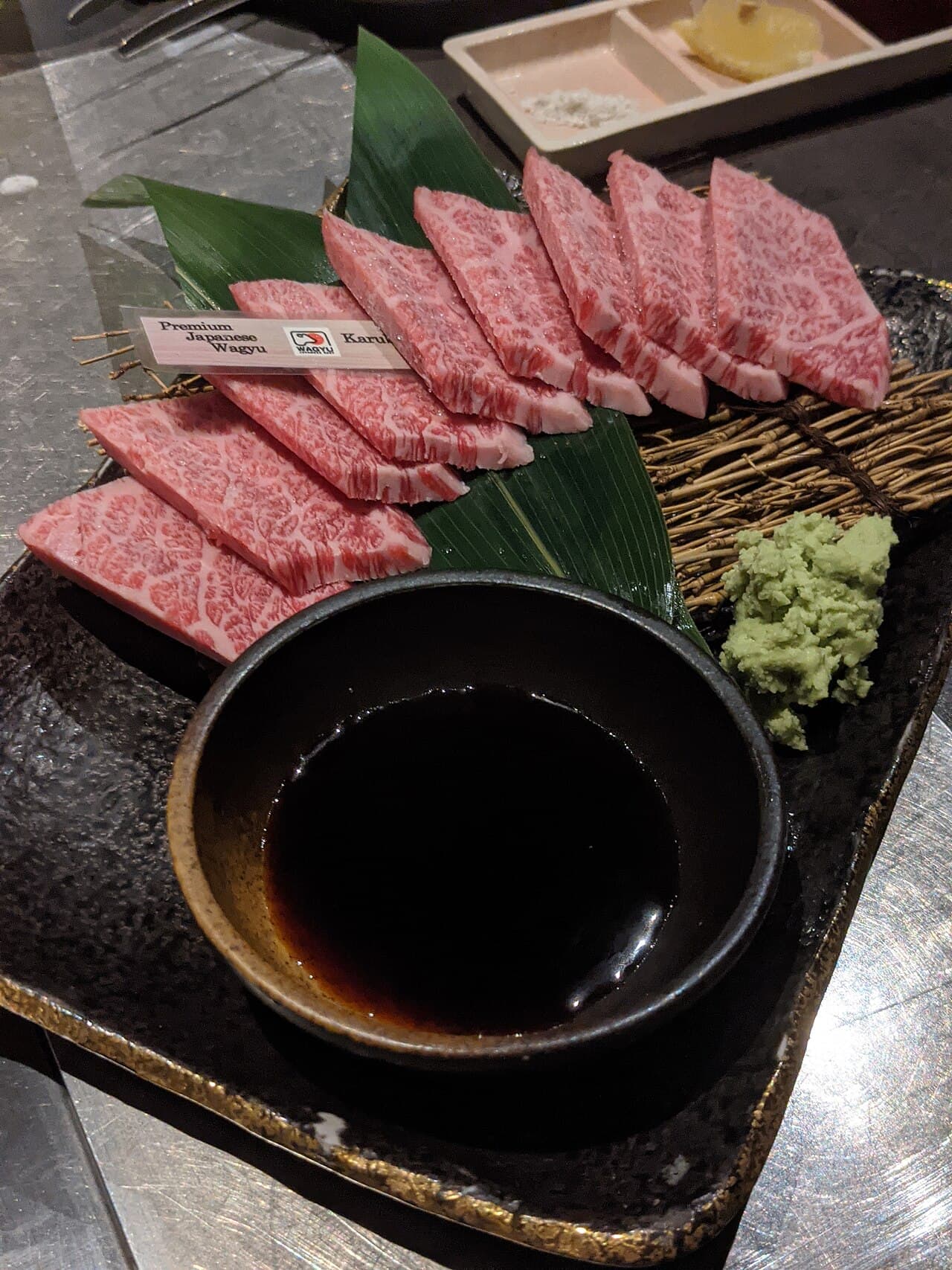
Halal yakiniku in Tokyo is now genuinely excellent — these grills serve third-party halal-certified A5 wagyu, with the certifying body named so you know exactly what 'certified' means.
Japan's diner-voted Tabelog Award radically recalibrated for 2026 — naming just 36 Gold restaurants nationwide. Here's how this list differs from Michelin, why it tilts toward sushi and washoku, and how to use it without getting burned.
At the March 2026 ceremony, Osaka's French restaurant La Cime was named Japan's best, ranking No. 13 in Asia, while seven Tokyo restaurants made the top 50. Here's what the list means for a traveller — and the realistic alternatives if these tables are full.
Tokyo kept its crown as the world's most-starred city with 160 starred restaurants for 2026. Here is what's new — a fresh three-star, three new two-stars, a Green Star and a 97-year-old eel master honoured — and how a traveller can actually get a seat.
Most ramen is built on pork and bonito — these Tokyo shops are 100% plant-based, with kombu, shiitake and sesame doing the heavy lifting. No fish dashi, no compromise.
All 38 Tokyo restaurants the UMAMI HUNT desk marks as editor's picks, ranked by dietary restrictions handled, English menu and price band. 22 handle a restriction; 24 have an English menu.