
Halal Tokyo
Halal sushi in Tokyo: certified Edomae nigiri (and what to confirm)
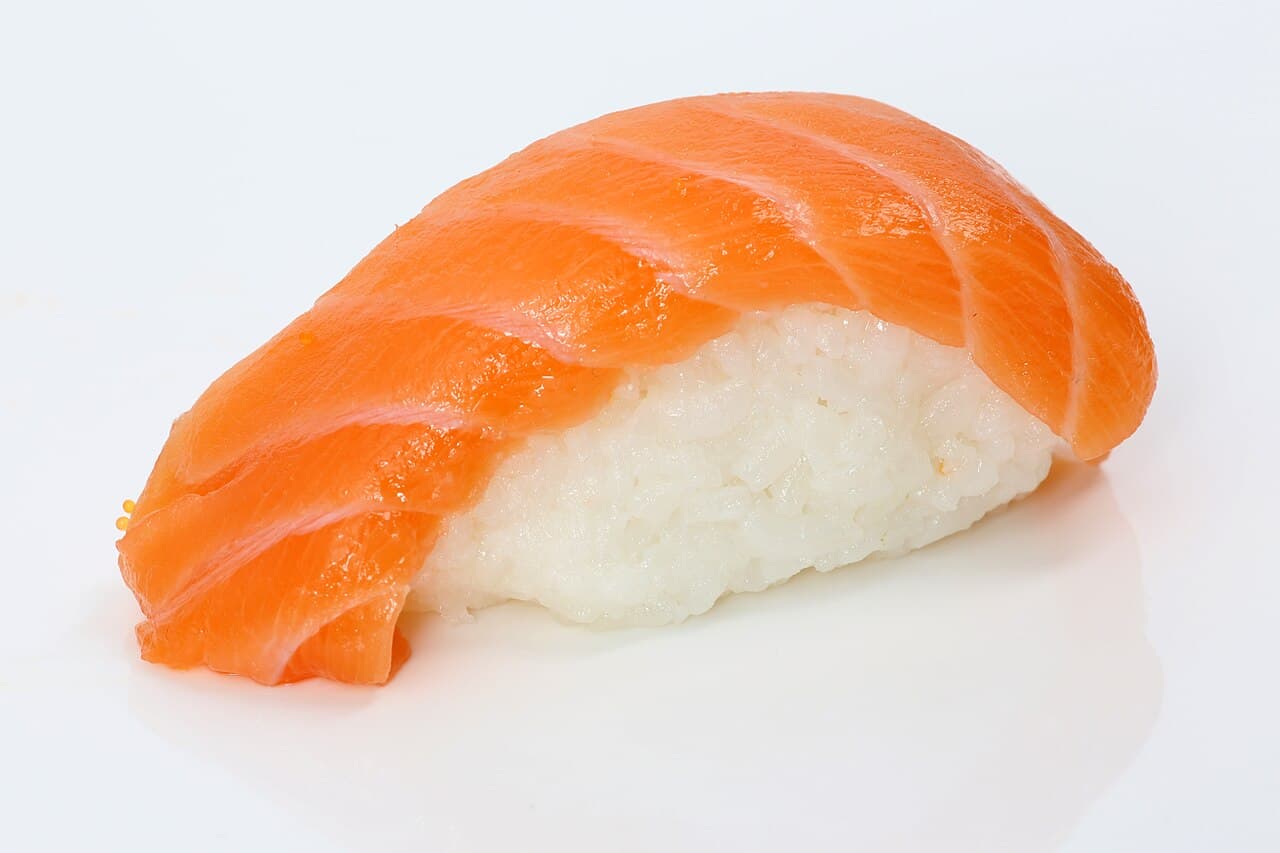
The short answer
Sushi looks halal — fish, rice, seaweed — but the everyday seasonings are the trap. Ordinary soy sauce is brewed with a little alcohol, sushi rice is seasoned with vinegar (and sometimes mirin), and many counters serve sake alongside. So plain restaurant sushi is best treated as not halal unless the shop says otherwise. The good news: Tokyo has a small number of places where the soy, vinegar and toppings are halal.
New to the certified-vs-friendly distinction, or the seasonings to watch? Start with the Halal in Tokyo pillar guide.
Where to eat
Asakusa Sushi Ken, steps from Senso-ji, is billed as one of Japan's first halal-certified sushi houses, serving full Edomae nigiri where the soy, fish and pickles are all halal, with a second-floor prayer room built with the local mosque. For a livelier option, Sushi & Wagyu Fujiyama Tokyo (Shinjuku East) offers a dedicated halal-certified course with 100% halal ingredients, separate utensils and storage — but because the general venue also serves alcohol, treat it as Muslim-friendly with a certified course, and request the halal course when you book.
What to confirm before you book
Because certification can apply to a course rather than the whole venue, two questions settle it: (1) Is the sushi itself halal-certified, and by whom? and (2) Is alcohol served at the same counter? A dedicated halal counter (like Sushi Ken) is the cleanest choice; a certified course inside an izakaya works if you confirm the separation. Read up on sushi etiquette, and for the whole trip see Tokyo for Muslim travellers. Looking for grilled meat or noodles instead? See halal yakiniku in Tokyo and halal ramen in Shibuya.
This month’s rankings
Asakusa Sushi Ken
Edomae nigiri course — soy sauce to fish, all halal-certified
Japan's first halal-certified sushi house, steps from Senso-ji, serving full Edomae nigiri — soy, fish and pickles all halal — with a second-floor prayer room built with the local mosque.
- Halal
- Pescatarian
- Date
- Anniversary
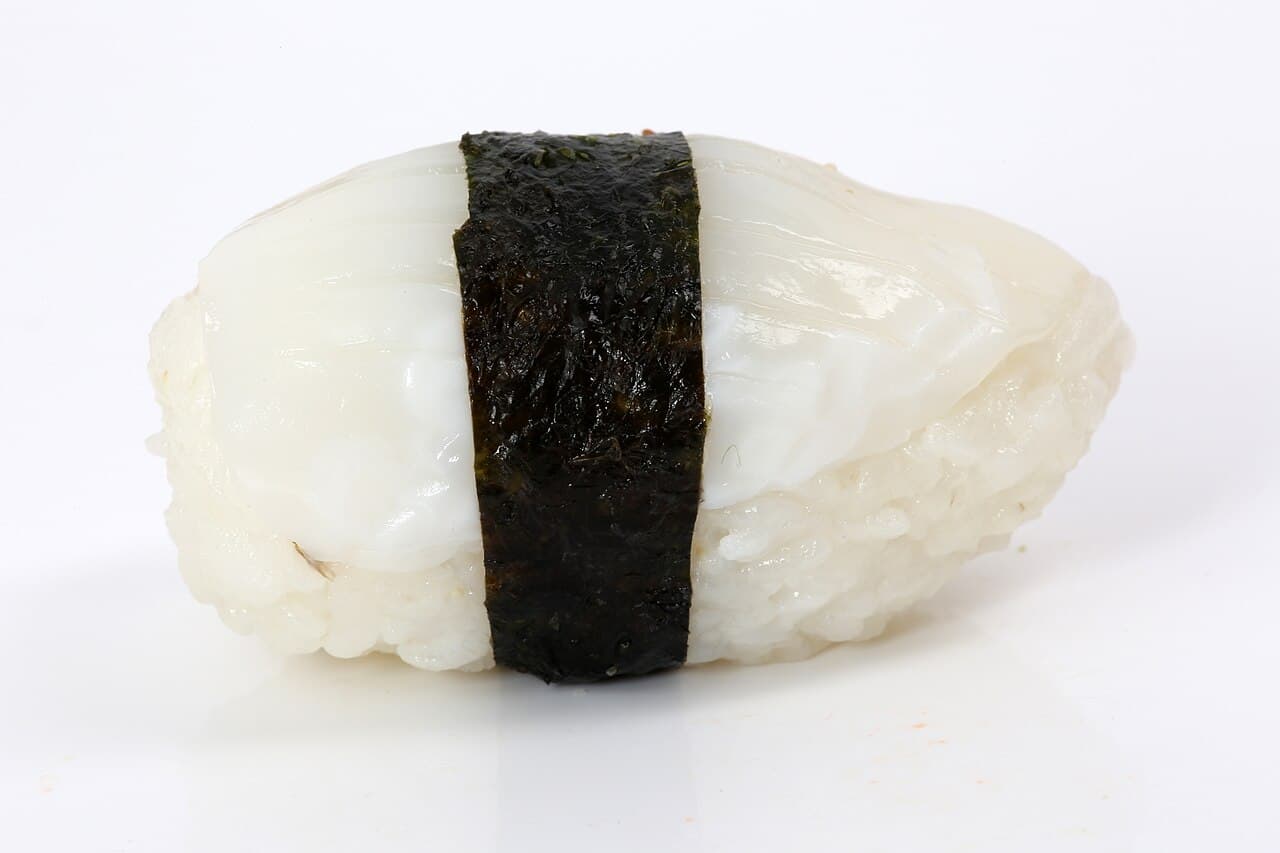
Sushi & Wagyu FUJIYAMA TOKYO (Shinjuku East)
All-you-can-eat premium sushi, snow crab and halal-certified A5 wagyu
A sushi izakaya offering a dedicated halal-CERTIFIED course (100% halal ingredients with separate utensils and storage). Because the general venue also serves alcohol, it is best treated as Muslim-friendly with a certified halal course — request the halal course when booking.
- Halal
- Casual
- Date
Sources
FAQ
- Is sushi halal?
- Plain restaurant sushi is best treated as not halal: ordinary soy sauce is brewed with a little alcohol, the rice is seasoned with vinegar (and sometimes mirin), and sake is often served at the counter. Tokyo does have a small number of halal-certified sushi options, such as Asakusa Sushi Ken, where the soy, vinegar and fish are all halal.
- Can I eat sushi at a normal restaurant if I avoid the soy sauce?
- It reduces the risk but does not make it halal — the sushi rice itself is usually seasoned with vinegar and sometimes mirin (which contains alcohol), and shared preparation can be an issue. For certainty, choose a halal-certified counter and ask whether the rice seasoning and toppings are halal too.