
Halal guide
Chinese Halal Restaurants in Tokyo: Ikebukuro, Shin-Okubo & Nishi-Shinjuku
The honest answer
Tokyo's chinese halal restaurant scene isn't one thing — it's several. In Ikebukuro, look for Xi'an-style Chinese Muslim cooking, the kind long practiced by China's Hui community: hand-pulled noodles, cumin-heavy lamb, no pork, no alcohol. In Shin-Okubo and Nishi-Shinjuku, the flavor shifts west to Xinjiang: Uyghur laghman, skewers, and — increasingly — Mongolian-style hotpot rooms built around halal-sourced meat. None of the five restaurants below carries a certification stamp from a named third-party halal body that we could confirm. What they do have is years of practice cooking for Muslim customers, and in most cases a Muslim owner or chef. That distinction matters, and we spell it out restaurant by restaurant below.
If you want the wider picture first — how halal dining works across Tokyo, and how to read a menu when nothing is labeled — start with our Tokyo halal guide and how to tell if food is halal in Japan. This guide narrows in on one specific, under-covered corner of it.
Ikebukuro: Chinese Muslim cooking, block by block
Ikebukuro's west side has one of Tokyo's densest concentrations of mainland Chinese businesses, and a working Chinese Muslim community to go with it.
Aliya (阿丽娅アリヤ清真美食) is the area's best-known option, a few minutes' walk from Ikebukuro Station — sources differ on whether the nearest route is the west exit or the north exit, so budget a little extra time to find it. A Muslim-friendly certification summary is posted at the entrance, but it doesn't name a specific certifying body or standard, so read it as a statement of intent rather than a third-party audit. The dining room leans into its identity, with Arabic calligraphy on the stairwell and a menu running to lamb skewers, roast duck, and steamed buns. It's popular enough with local Chinese Muslim diners that lunch can run to a short wait. One thing worth flagging: a couple of reviews mention alcohol on other tables, which cuts against a strict halal read — if that matters to you, ask staff directly before you sit down.
Halal Suroufang, a short walk away in Nishi-Ikebukuro, is smaller and family-run, cooking in the Xi'an tradition: spicy-and-numbing beef tantanmen, chili chicken noodles, a beef "hamburger" on flatbread. We found no named certifying body attached to it — treat it as halal-by-tradition, cooked by and for a Muslim family, rather than third-party audited. That's not a knock; it's simply the more common arrangement for small, first-generation restaurants, and worth knowing before you order.
Shin-Okubo: Uyghur noodles and halal hotpot
A few train stops south, Shin-Okubo's halal food street runs alongside its better-known Korean one.
Nasrdin (ナスルディン) is the noodle stop: handmade laghman, the hand-pulled Uyghur staple served in a spiced tomato sauce, plus lamb skewers. The kitchen is Muslim-run and the menu is alcohol-free, but again, no named certification body — Muslim-friendly rather than certified.
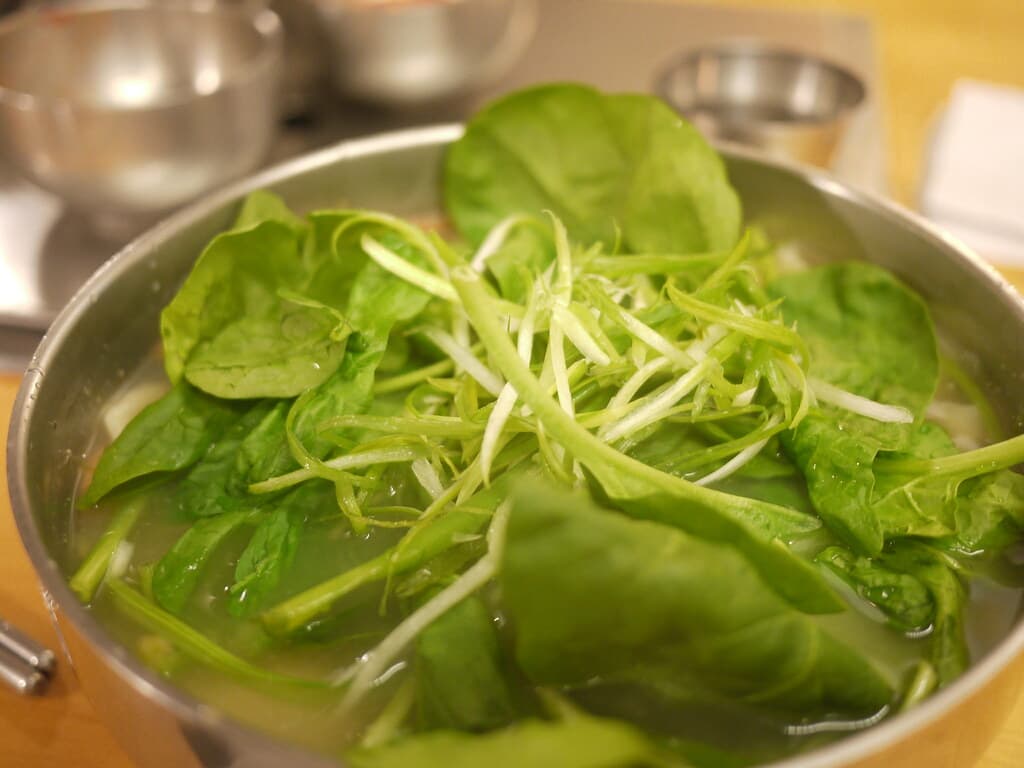
Xiao Wei Yang Salam Halal, about five minutes from Shin-Okubo Station, is the area's hotpot destination: a Mongolian-style medicinal-broth bar built around marbled wagyu, lamb, and chicken, distinct from the noodle-and-skewer shops around it. Its own materials describe the meat as halal-sourced; we couldn't independently confirm which body, if any, certifies it, so read that claim as the restaurant's own rather than an audited one.
Nishi-Shinjuku: Silk Road Tarim
A 15-minute walk from Shinjuku Station's south side, Silk Road Tarim has been serving Uyghur food since 2010 — one of the longest-running Uyghur kitchens in Tokyo. Hand-pulled noodles, gosh manta (lamb-filled steamed buns), and "big tray chicken" — bone-in chicken and potatoes braised in chile oil — are the dishes to order. Like the others here, it's best understood as halal by cuisine tradition: Xinjiang cooking is built around lamb, beef, and chicken with no pork by default, rather than around a certification program.
Certified vs. Muslim-friendly, in practice
Worth repeating, because it's the whole point of this guide: "halal-certified" means an outside body audited the kitchen and will name itself on request. "Muslim-friendly" or "halal by tradition" means the restaurant avoids pork and alcohol by its own account, often because the owner or chef is Muslim, without independent audit. Every restaurant above falls into the second category as far as we could verify. That doesn't make the food less genuine — it makes it worth asking staff directly if you keep strictly to certified sourcing.
Practical tips
Cash and IC cards both work at all five. None require reservations for parties under four, though Xiao Wei Yang's hotpot room can queue on weekend evenings. Ikebukuro and Shin-Okubo are three stops apart on the Yamanote Line, close enough to treat as one afternoon if you're comparing Xi'an-style cooking against Uyghur food.
Sources
- Muslim-Friendly Authentic Chinese Food at Aliya in Tokyo
- Aliya Halal Restaurant - Ikebukuro - Halal Navi
- A Muslim Friendly and An Authentic Chinese Cuisine in Ikebukuro | Halal Food in Japan
- Halal Suroufang (Tokyo Surofan) - Halal Restaurant | Halal Food in Japan
- Best Halal Food in Tokyo: Certified & Muslim-Friendly Picks (incl. Nasrdin, Shin-Okubo)
- Silk Road Tarim Uyghur Restaurant in Tokyo - Atlas Obscura
- Xiao Wei Yang Salam Halal Shin-Okubo | Halal Food in Japan
FAQ
- Is there halal-certified Chinese food in Tokyo, or is it all "Muslim-friendly"?
- Among the Ikebukuro, Shin-Okubo, and Nishi-Shinjuku restaurants covered here, none display certification from a named third-party halal body that we could confirm. All are best understood as Muslim-friendly or halal-by-tradition — typically Muslim-owned kitchens that avoid pork and alcohol by their own description.
- Where is Tokyo's Chinese halal food concentrated?
- Mainly three neighborhoods: Ikebukuro (a few minutes' walk from the station) for Xi'an-style Chinese Muslim cooking; Shin-Okubo, three Yamanote Line stops south, for Uyghur noodles, skewers, and Mongolian-style halal hotpot; and Nishi-Shinjuku, about 15 minutes further on foot, for one of Tokyo's longest-running Uyghur kitchens.
- What's the difference between Chinese halal food and Uyghur food in Tokyo?
- Chinese halal restaurants here (Aliya, Halal Suroufang) cook in the Hui Chinese Muslim tradition of Xi'an — noodles, cumin lamb, no pork. Uyghur restaurants (Nasrdin, Silk Road Tarim) draw on Xinjiang's more Central Asian-leaning cuisine — hand-pulled laghman, lamb skewers, gosh manta, and dishes like big tray chicken.
- Is Xiao Wei Yang Salam Halal hotpot actually Chinese food?
- It's Mongolian-style hotpot rather than straight Chinese cooking — a medicinal-broth hotpot restaurant near Shin-Okubo Station using halal-sourced wagyu, lamb, and chicken, distinct from the noodle shops around it.
- How far apart are Ikebukuro and Shin-Okubo?
- Three stops on the JR Yamanote Line, close enough to visit both in one afternoon if you want to compare Xi'an-style cooking with Uyghur food.
- Do I need to ask about alcohol at these restaurants?
- It's worth asking regardless — several of these kitchens serve non-Muslim customers too, and even alcohol-free menus can vary in how strictly ingredients like cooking wine are avoided, so a quick question to staff is the safest check.