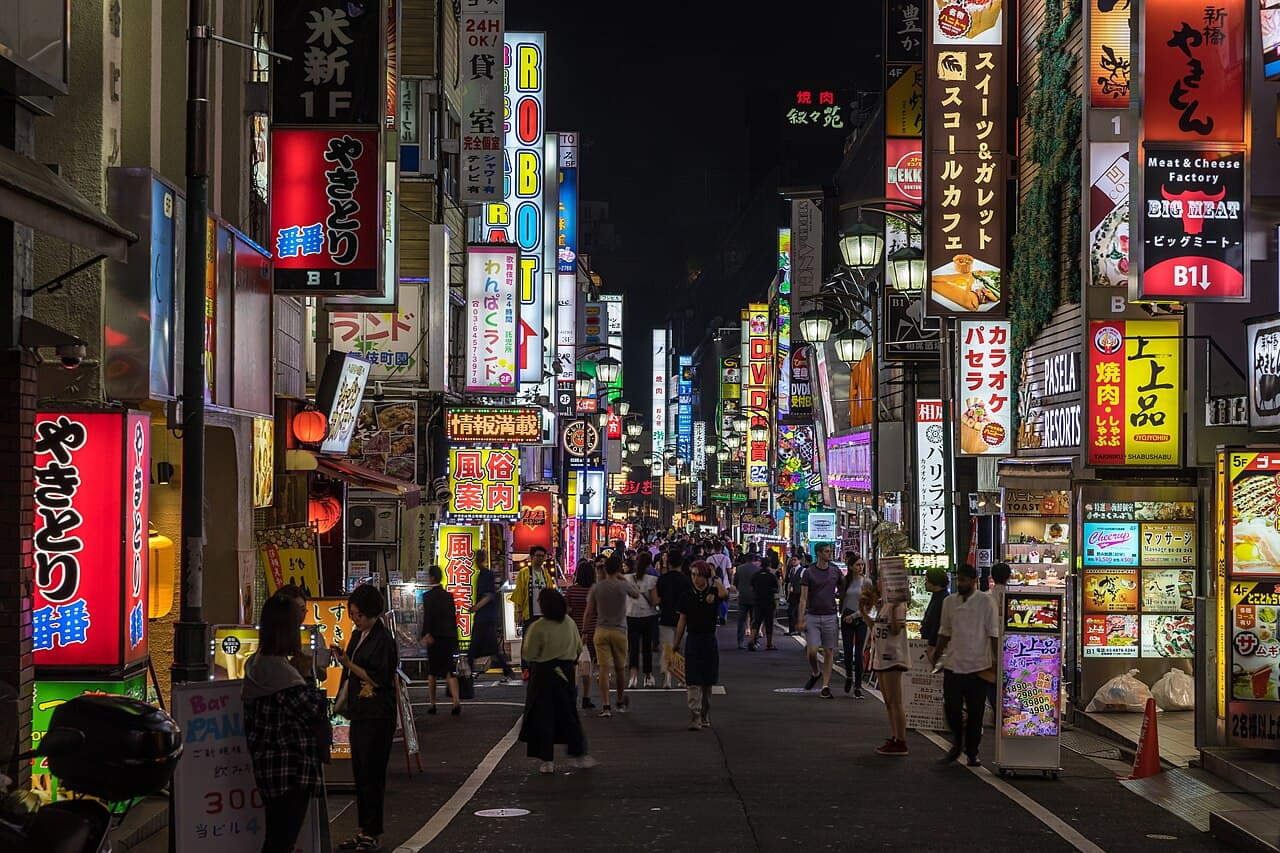
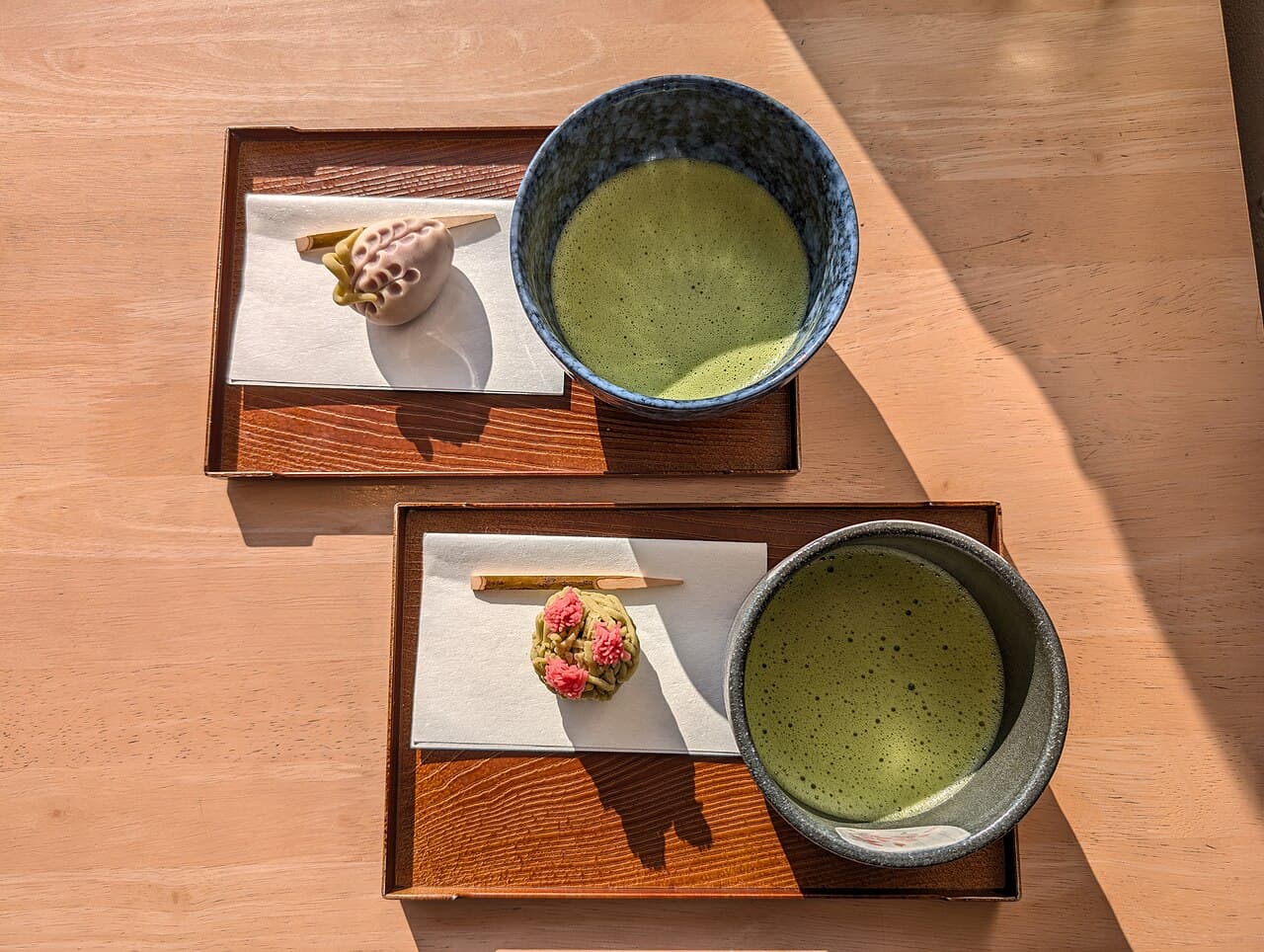
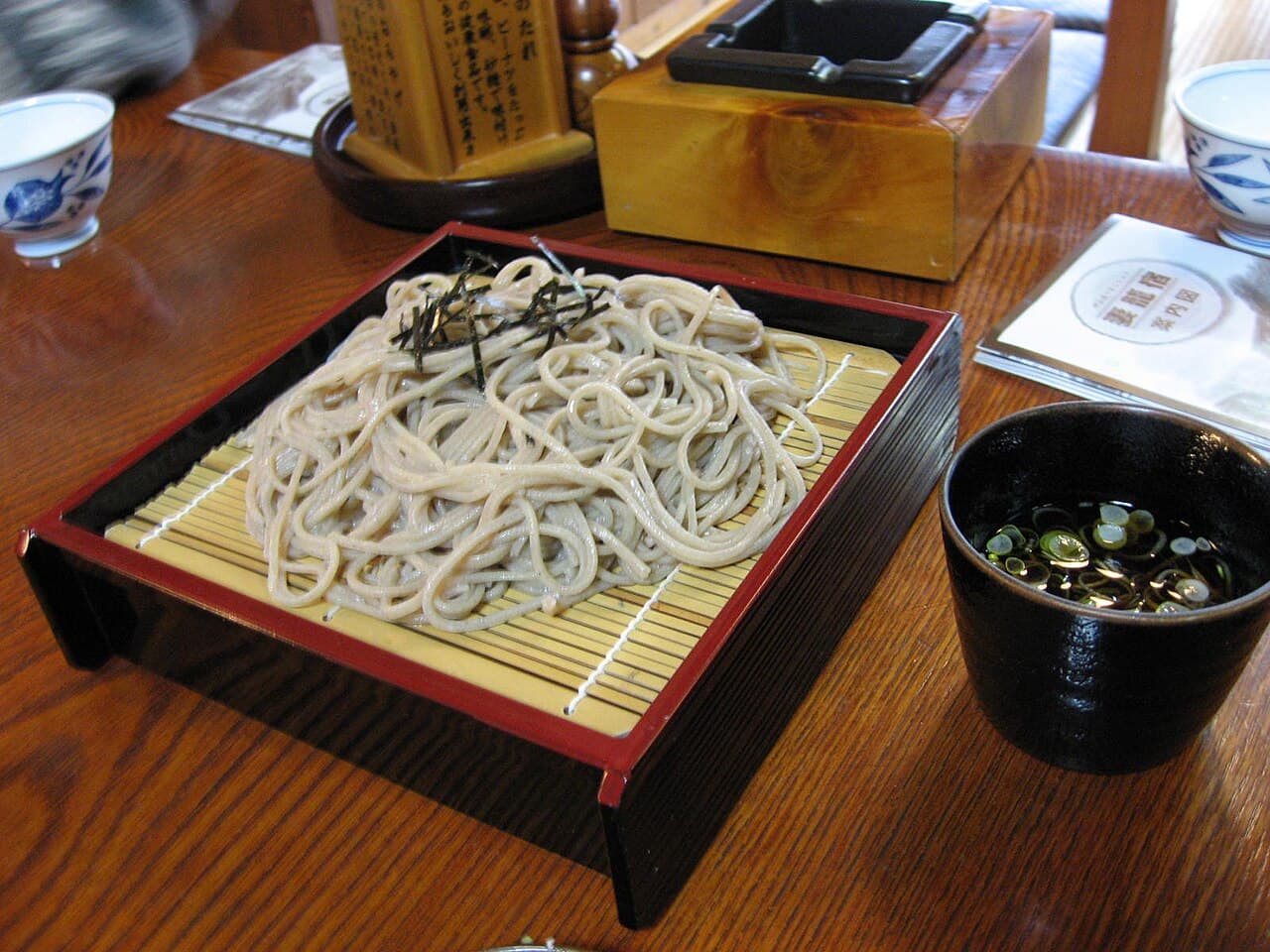
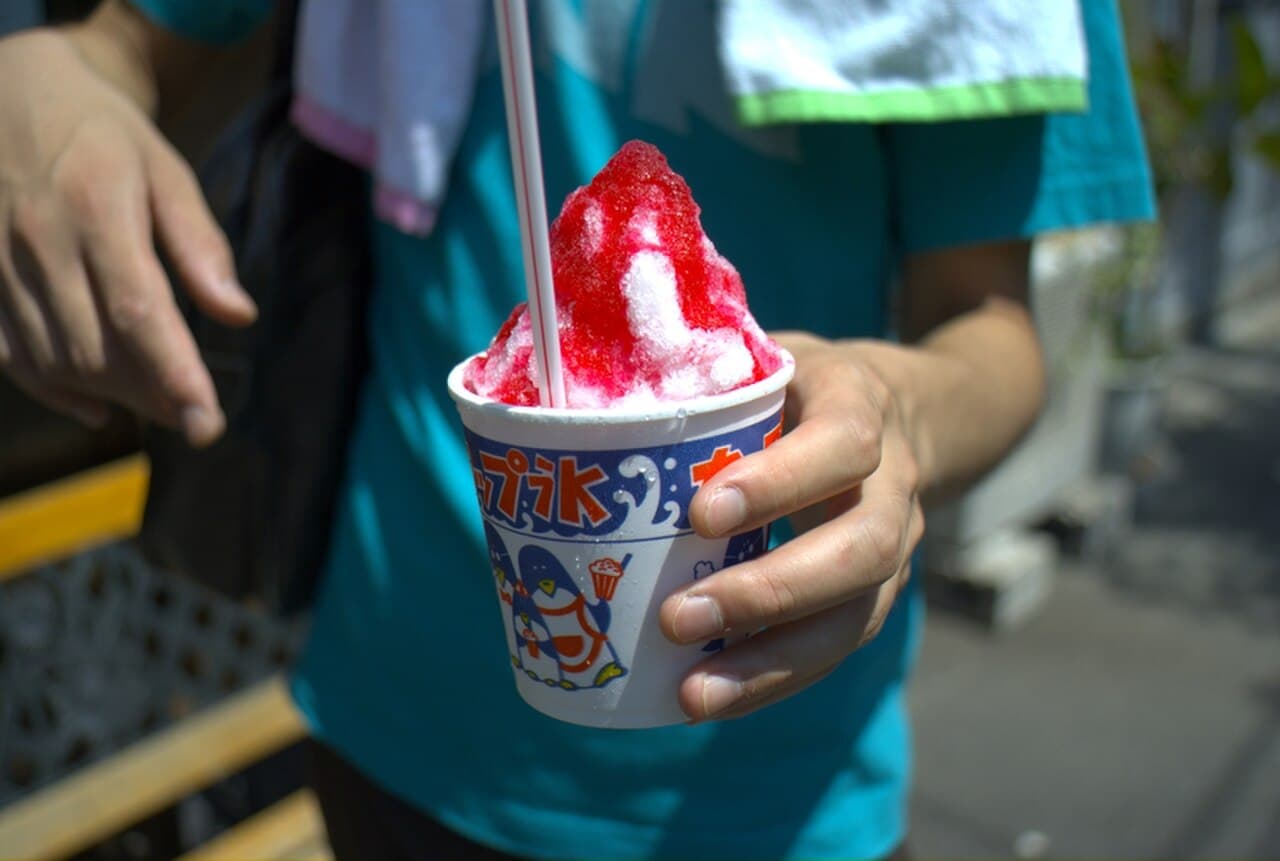
Yatai are Japan's open-air food stalls — a folding counter, a few stools, a cook an arm's length away. You'll meet them two ways: the permanent ramen-and-oden stalls that line Fukuoka's riverbanks after dark, and the festival stalls that pop up at any matsuri. Order what's steaming, eat standing, keep it friendly, and don't linger too long.
A kissaten is a Showa-era coffee house built for slowness — siphon-brewed coffee, thick pizza toast, ketchupy napolitan, and a jewel-green cream soda, served in quiet velvet booths. Not a modern cafe chasing latte art, but a preserved room where time softens. Order the set, sit long, and let the nostalgia do its work.
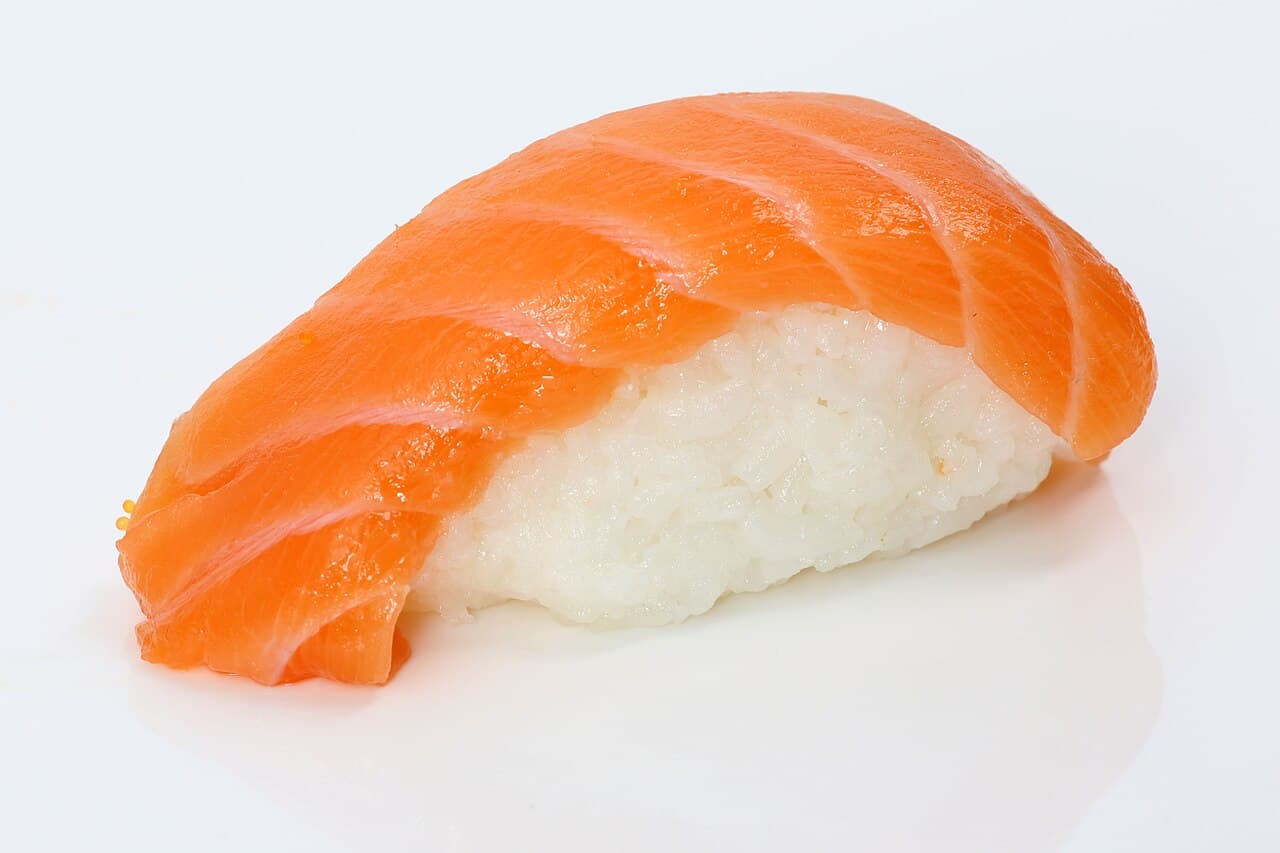
Tachigui — Japan's standing-only counters — is a traveller's cheat code: fast, cheap, seriously good food eaten on your feet. You'll find standing soba and udon near station gates, standing sushi in Ueno, and standing bars everywhere. Order at a ticket machine, eat in ten minutes, pay little. Here's how the tradition works, what to order, and how not to look lost.
A depachika is the food hall in the basement of a Japanese department store — Isetan in Shinjuku, Mitsukoshi and Takashimaya in Nihonbashi and Ginza. Expect immaculate bento, jewel-like wagashi, prepared dishes and generous samples. Go late afternoon, graze the tasting counters, and carry out a picnic-quality dinner. Here's how to navigate one without feeling lost.
Once a ¥500 festival cup, kakigori is now a craft dessert that draws reservation-only queues. The 2026 season opens mid-June and peaks July to mid-August. Here's what changed, what to order, and which Tokyo cafes to chase this summer.
Every Kyoto summer turns on one fish: hamo, the pike conger so bony it needs a master's knife. In season mid-May to mid-September and inseparable from July's Gion Matsuri, it is the city's most refined hot-weather delicacy. Here's the custom, the craft, and how to eat it.
When the heat steals your appetite, Japan reaches for chilled noodles. A 2026 survey put hiyashi chuka and somen at the top, with 73% choosing cooling noodles over stamina food. Here's the cold-noodle map — what each dish is, what each diet should watch, and where to slurp.
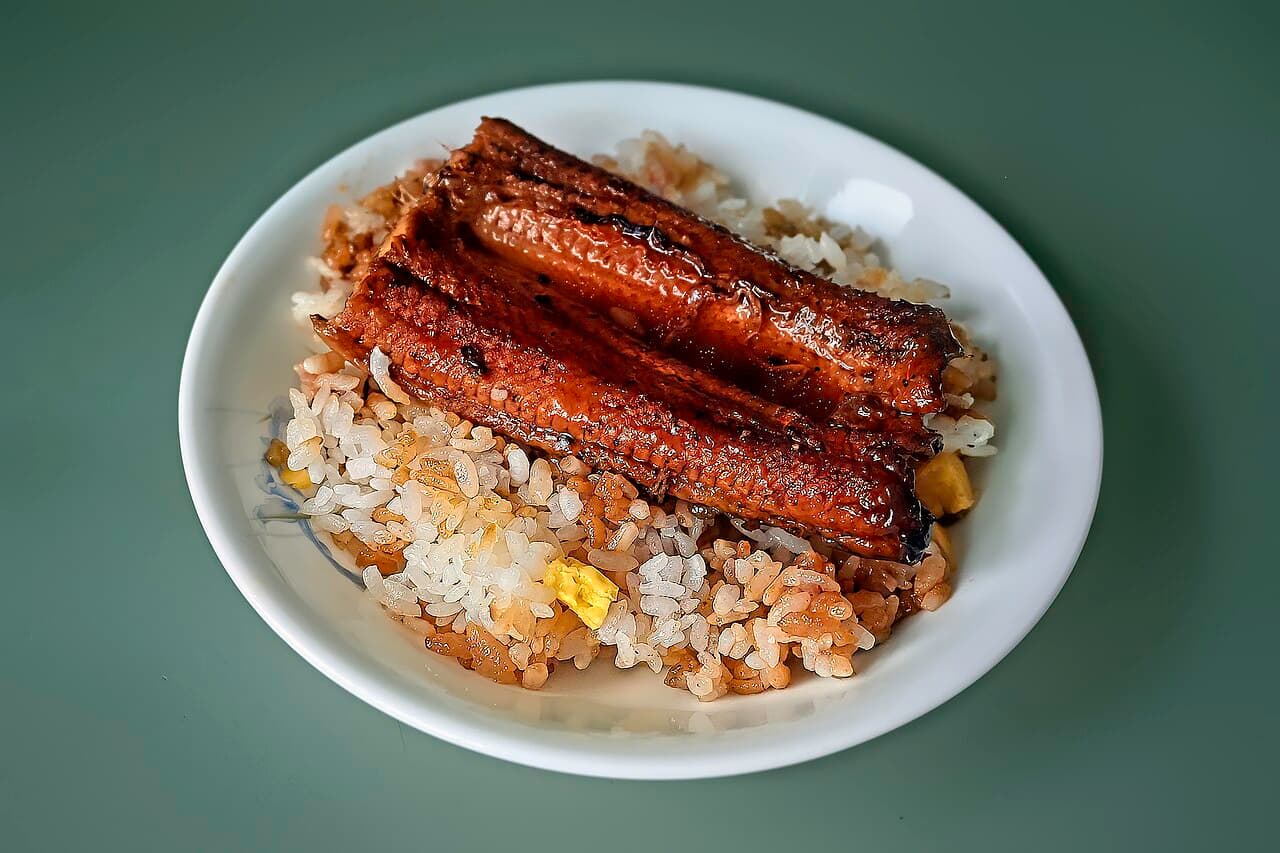
Midsummer in Japan means unagi. The Day of the Ox — the traditional day to eat eel for stamina — falls on 26 July in 2026, with a second on 7 August. Here's the custom, what each diet should know, and which eel houses to book.
Not every great sushi meal needs a hushed counter and a two-month wait. Tokyo's conveyor-belt and value sushi shops are fast, friendly, English-easy — and seriously good.
Show, don't struggle. Copy-ready Japanese phrases for vegetarian, vegan, halal, pescatarian and gluten-free diners — plus the hidden ingredients to name.
Tokyo holds more Michelin stars than any city on earth. Here's how to choose, book and behave at a high-end Japanese table — and a few that genuinely welcome visitors.
Tokyo's halal scene has grown fast — certified wagyu, halal ramen, prayer rooms and Muslim-friendly kaiseki. Here's the difference between 'certified' and 'friendly', the seasonings to watch, and where to start.