
Seasonal
Kakigori in 2026: how Japan's shaved ice became a craft worth queuing for
The short version
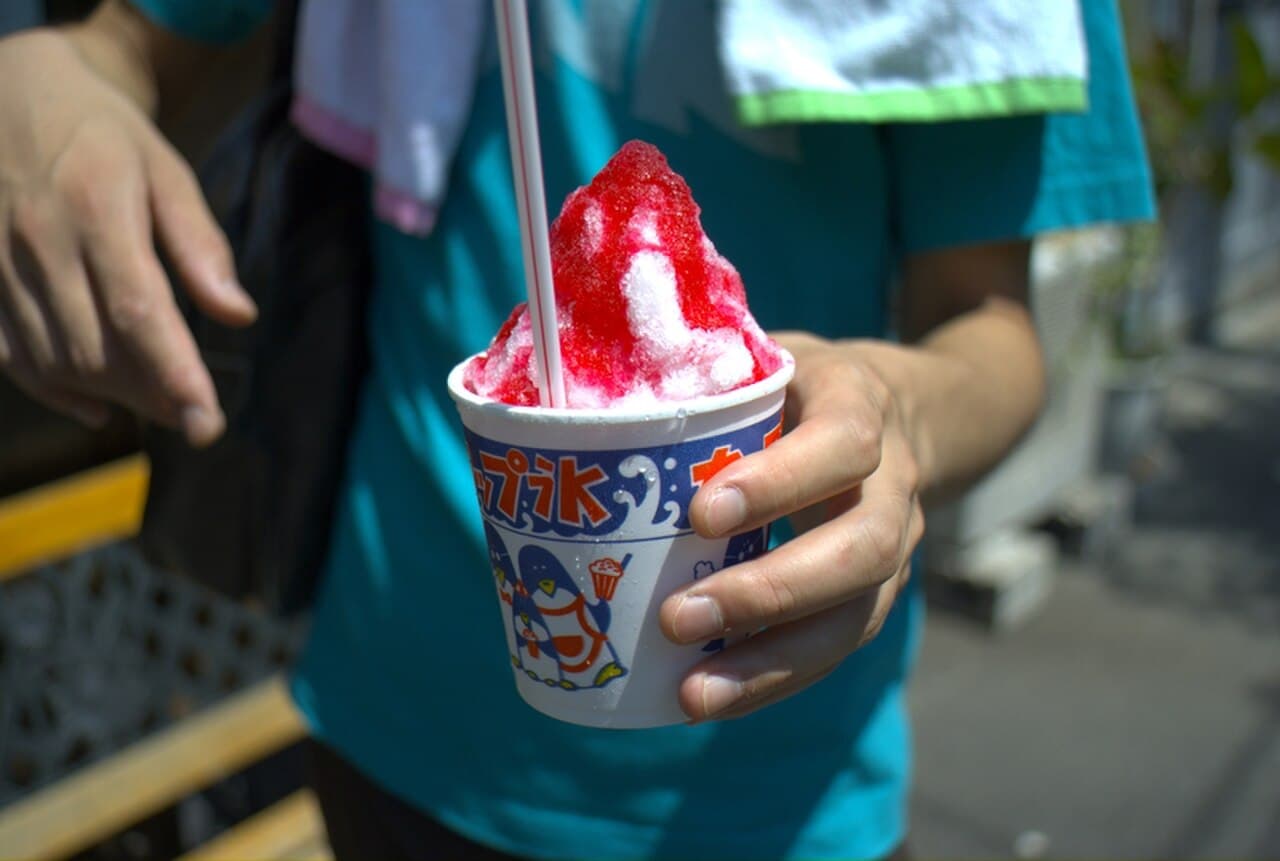
Kakigori — Japanese shaved ice — has quietly become one of summer's most serious desserts. The cheap, syrup-drenched festival cup still exists, but alongside it a wave of specialist shops now build elaborate, reservation-worthy bowls layered with matcha, hojicha, seasonal fruit and house-made cream — and they pull queues all summer. The 2026 season opens around mid-June, with July to mid-August the peak: hottest weather, longest lines, most seasonal flavours.
What changed
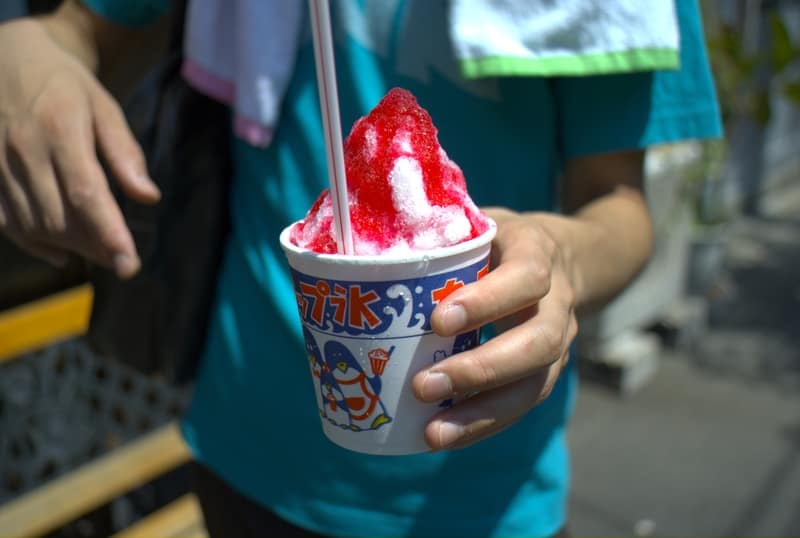
The craft kakigori difference is in the ice and the build. Specialists shave carefully made or slow-frozen ice into a fluffy, snow-fine fluff that melts on the tongue rather than crunching, then layer real ingredients — whisked matcha and hojicha, ripe melon, strawberry or peach, kinako, anko red bean, and pours of milk or fresh cream — sometimes hidden inside the mound, not just poured on top. The result is closer to a plated dessert than a snack, which is why some of the best rooms now take reservations and sell out daily.
What to order
Start with a classic to calibrate: uji matcha (real whisked green tea, often with sweetened azuki and shiratama mochi) or ichigo (strawberry). From there, summer brings the seasonal stars — melon, peach, mango — and modern crossovers like tiramisu or hojicha cream. If you dislike sharp sweetness, ask for a matcha or hojicha bowl, which lean bitter-savoury. Portions are large and cold; a bowl is easily shared.
What each diet should know
Most fruit-syrup kakigori is incidentally vegan, but the popular cream, condensed-milk and anko-with-additions versions often contain dairy, and some toppings add mochi (gluten-free), egg or honey. Pure matcha-over-ice with plain syrup is usually the safest plant-based choice — confirm the cream and condensed milk. Nothing here is halal-certified, but a plain fruit-syrup or matcha ice has no pork or alcohol; check toppings if it matters.
Where to chase it in Tokyo
Tokyo's traditional-sweets houses do beautiful summer ice. Our directory points to Umezono in Asakusa, a historic anmitsu and wagashi parlour that serves seasonal kakigori; Suzukien in Asakusa, famous for intense graded matcha (a natural for a matcha bowl); the Kannonyama fruit parlour in Ginza and Fruit Goto in Asakusa for fruit-forward versions; and Oimo Cafe in Nakameguro for sweet-potato-leaning sweets in summer. Go early or expect a line on the hottest afternoons — that heat is exactly the point.
Places we’ve confirmed
Umezono Asakusa
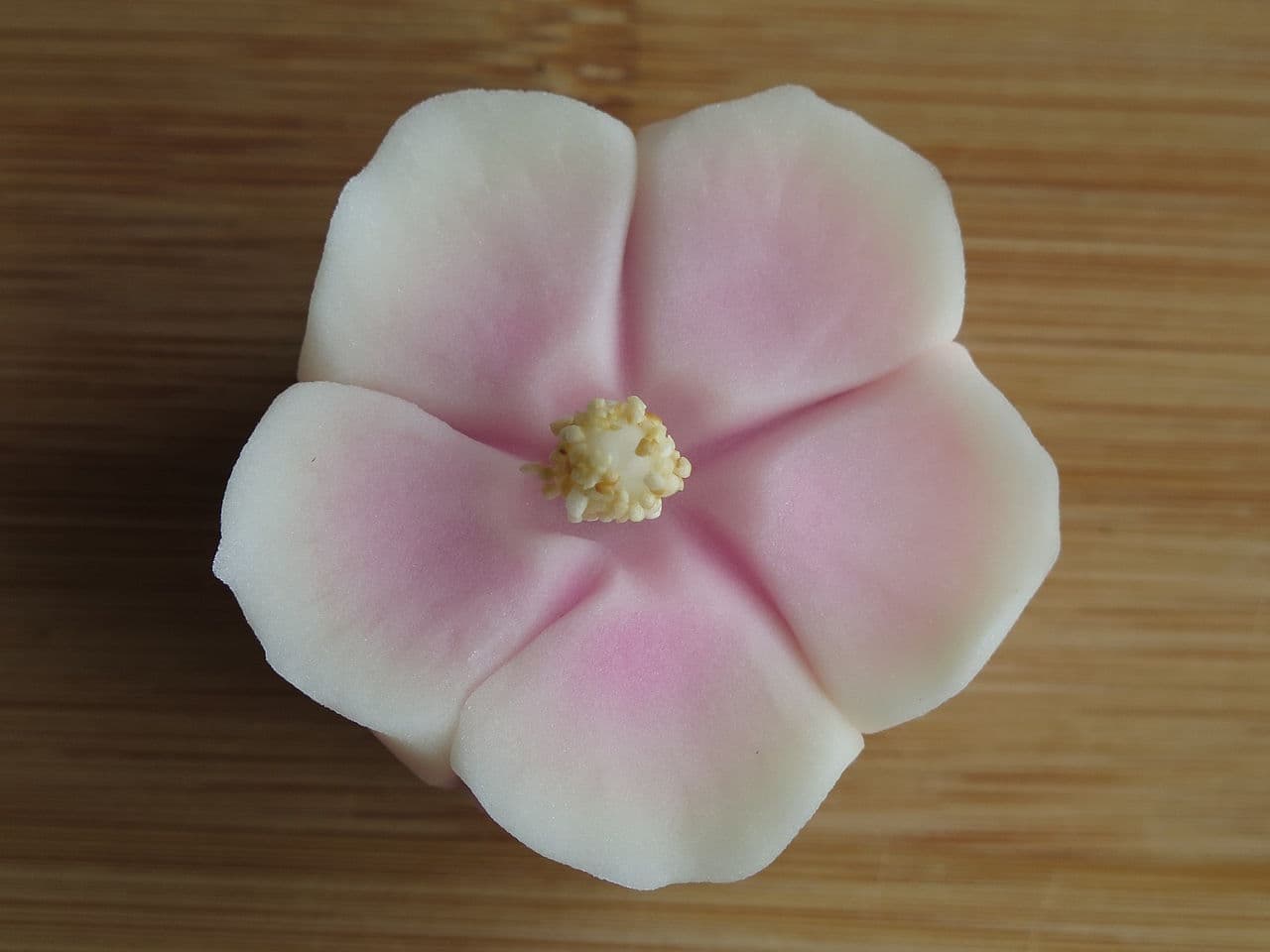
Awa-zenzai (millet dumpling with sweet azuki)
Founded in 1854 in a corner of a Senso-ji sub-temple, this Edo-era sweet shop still serves its signature awa-zenzai and anmitsu to downtown Asakusa.
- Vegetarian
- Solo
- Casual
Suzukien Asakusa
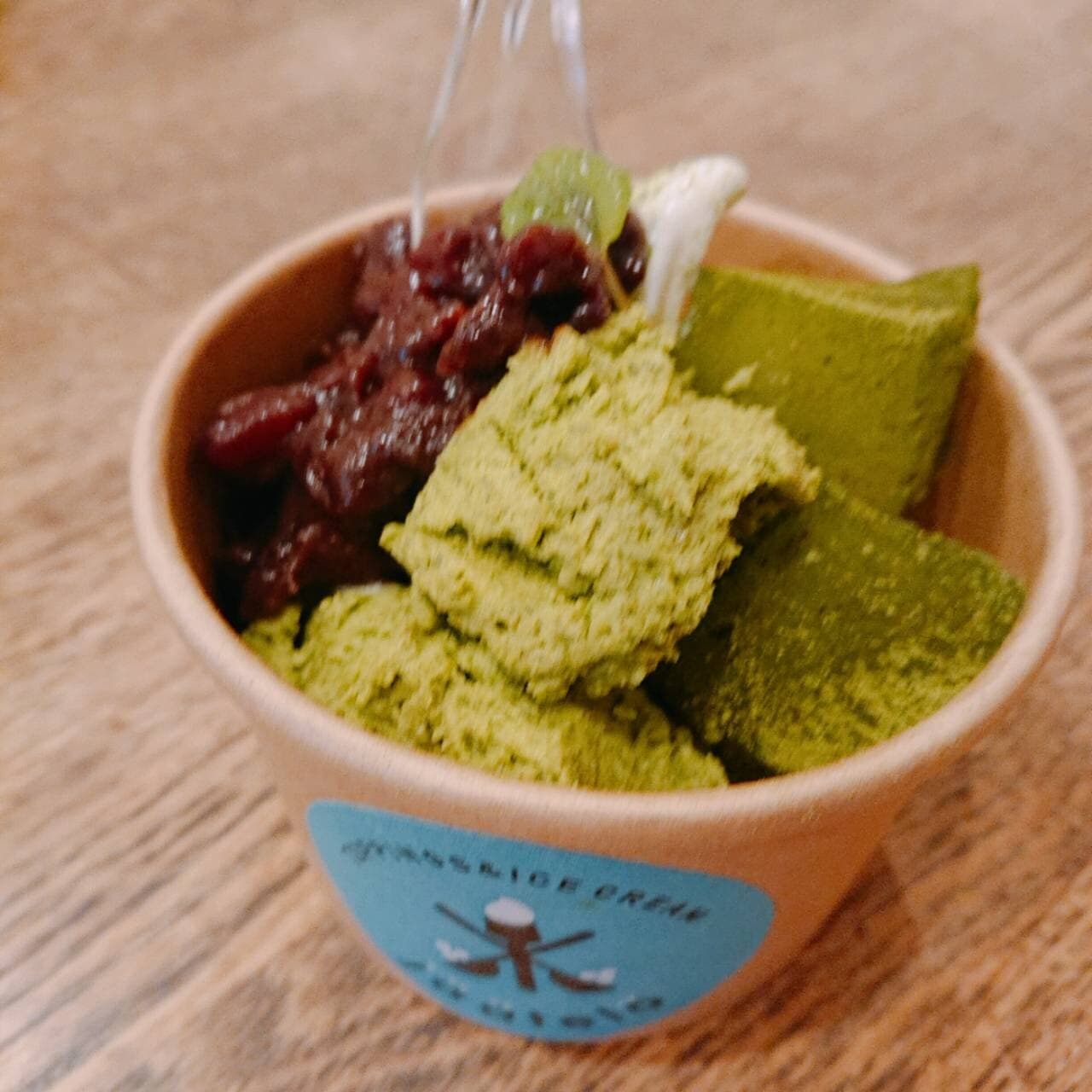
No.7 Premium Matcha Gelato — the world's richest
This 1848-founded tea house teams up with Shizuoka's Nanaya to serve matcha gelato in seven escalating intensities, climaxing in a near-black No. 7 so concentrated it tastes like eating pure tea leaves.
- Vegetarian
- Solo
- Casual
Kannonyama Fruit Parlour Ginza
Seasonal fruit parfait of Wakayama farm fruit
The Ginza outpost of a six-generation Wakayama fruit farm builds its ever-changing parfaits from layers of freshly cut estate fruit, soft serve, and homemade jam.
- Vegetarian
- Date
- Casual
Fruit Parlour Goto
Seasonal fruit parfait with homemade fruit ice cream
A 1946 greengrocer-turned-parfait parlour near Hanayashiki where seasonal fruit from Ota Market is piled over homemade ice cream, drawing patient queues.
- Vegetarian
- Casual
- Solo
& OIMO TOKYO CAFE Nakameguro
Mitsuimo Basque cheesecake & gluten-free sweet-potato pancakes
A polished sweet-potato specialist behind the Meguro River where every cake, pancake and quiche is gluten-free and white-sugar-free.
- Gluten-free
- Casual
- Date
Sources
FAQ
- When is kakigori season in Japan in 2026?
- Most specialist shops open their kakigori menus around mid-June, and the season runs through to roughly mid-September. The peak is July to mid-August, when the weather is hottest, queues are longest, and the widest range of seasonal flavours is on offer.
- Is kakigori suitable for vegan or dairy-free diets?
- A plain fruit-syrup or matcha-over-ice bowl is often vegan, but many popular versions add cream, condensed milk, anko, mochi or honey, so they may contain dairy or other animal products. The safest plant-based choice is usually plain matcha or fruit syrup over ice — confirm the cream and condensed milk at the shop.