
Food culture
Tachigui: The Standing-Eating Guide to Tokyo's Fast, Cheap Counters
What tachigui actually is
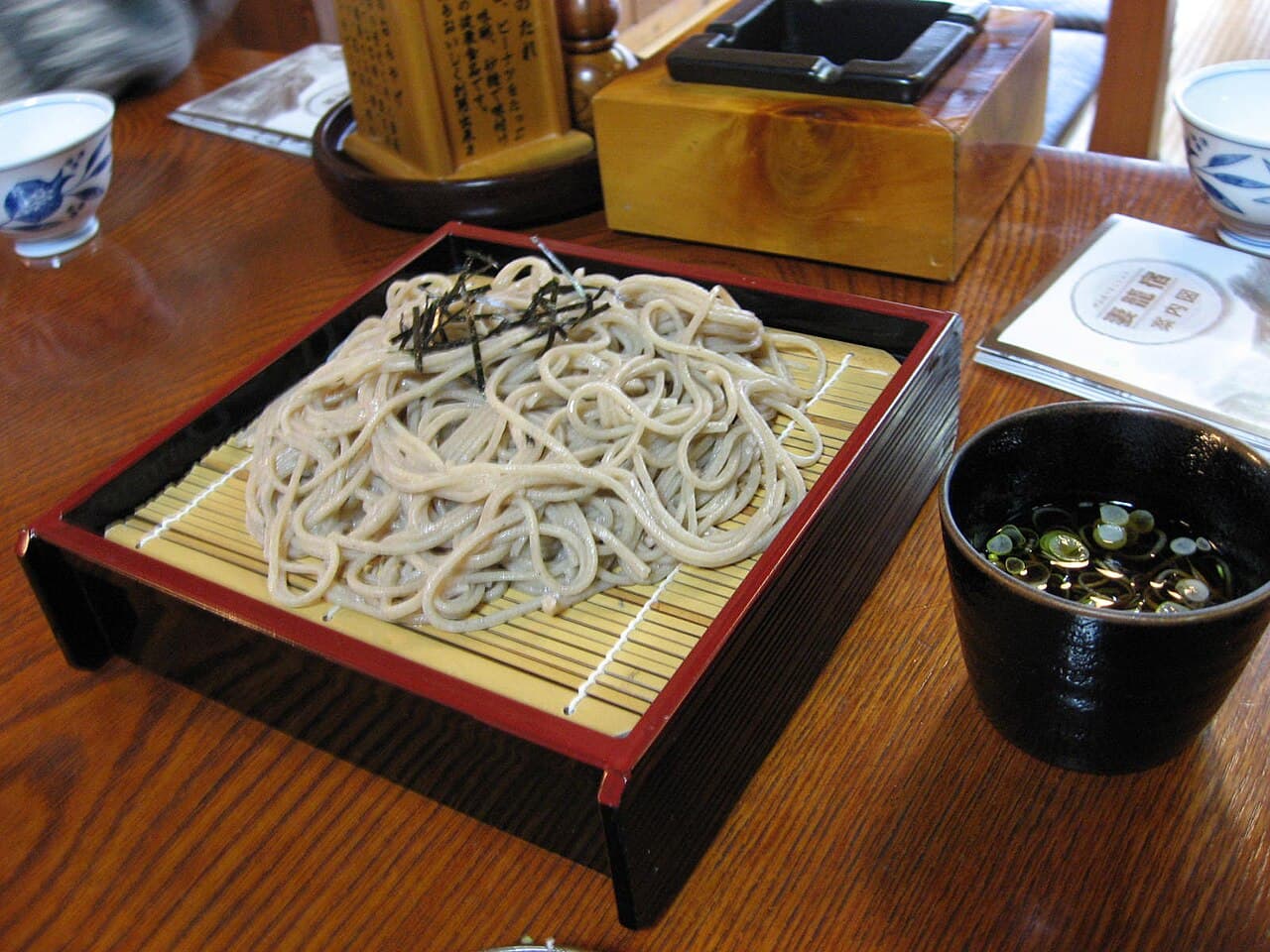
Tachigui (立ち食い, "standing eating") is exactly that: a counter with no stools, where you eat on your feet and move on. It grew up around train stations and markets, feeding commuters a hot bowl in the gap between trains. The trade-off is deliberate — no seat means faster turnover, lower prices, and a bowl of soba or udon for often under ¥500. For a traveller watching the budget, it's one of the honest joys of Tokyo on any budget.
The ticket machine, decoded
Most standing shops run on a shokkenki — a vending machine by the door. You pay first, press the button for your dish (photos or Japanese, sometimes an English sticker), and it prints a paper ticket. Hand the ticket to the person behind the counter and wait; your bowl arrives in a minute or two. No tipping, no bill at the end. If you freeze up at the buttons, our how to order and pay walkthrough covers the machine step by step.
What to order
At a soba or udon stand, kake (plain hot broth) or tempura soba are the classics; add a soft egg or a stick of chikuwa tempura for a few coins more. Standing sushi is the other great cheat — counters like Maguro-bito in Ueno serve fresh nigiri, piece by piece, at a fraction of a sit-down bill. If you like the format but want a seat, casual conveyor sushi is the gentler cousin.
Etiquette in ten seconds
Slurping is fine — encouraged, even; it cools the noodles and signals you're enjoying them. Eat at a good clip: the counter is for eating, not lingering, and someone is usually waiting for your spot. Keep bags off the counter, leave your bowl where you ate it, and a quick "gochisousama" on the way out is plenty.
Honest limits
Tachigui is built for speed, not special diets. Standing soba and udon broths are almost always made with katsuo (bonito) dashi, so they're rarely vegetarian even when the toppings look meat-free. Standing sushi suits pescatarians well but won't be halal or vegan. If you travel with dietary needs, treat tachigui as a treat where it fits and plan your sit-down meals elsewhere.
How to eat well
Go hungry, aim for the quiet edges of the lunch rush, and watch one local order before you step up — the whole ritual takes thirty seconds to learn. Pick the shop with the shortest, fastest-moving line, order one thing, eat it hot, and you've had a genuinely good-value meal in the city, standing up.
Places we’ve confirmed
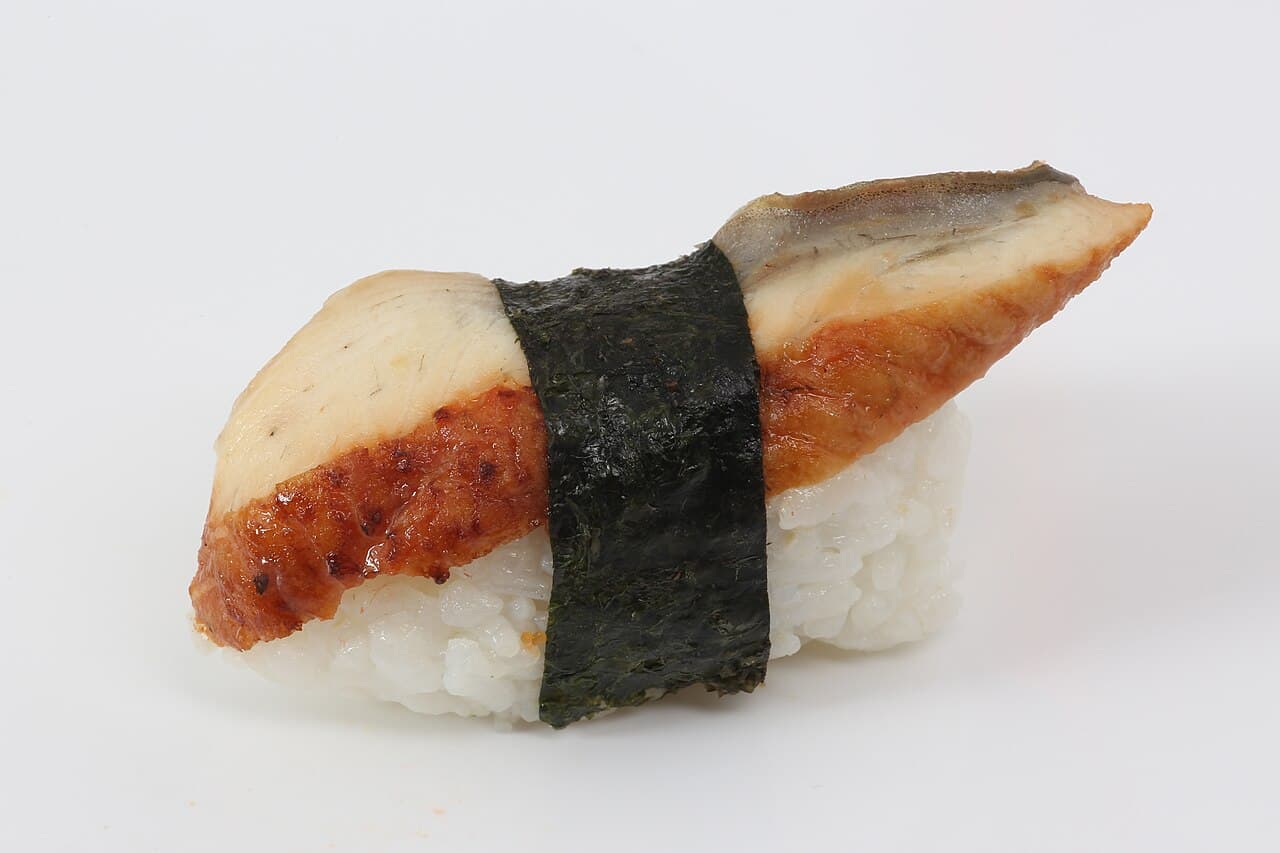
Maguro-bito Ueno
Tuna flight: akami, chutoro and otoro cut to order
A bustling standing sushi bar on the edge of Ameyoko where serious tuna cuts are sliced to order at pocket-money prices.
- Pescatarian
- Solo
- Casual
Sources
FAQ
- Do I need to speak Japanese to eat at a tachigui counter?
- Rarely. Most run on a ticket machine, so you press a button and hand over the paper — often with no conversation at all. Photos or English stickers help, and staff are used to travellers pointing at what they want.
- Is it rude to eat quickly and leave?
- The opposite — it's exactly how tachigui works. The counter is designed for a fast bowl, so eating in ten minutes and moving on is polite, not rushed.
- Can vegetarians or vegans eat at standing soba shops?
- Usually not without compromise. The broth is typically bonito dashi even for plain noodles, so it isn't truly vegetarian. Standing sushi works for pescatarians, but strict vegan or halal options are rare at these counters.