
Food culture
Depachika Food Hall Guide: How to Eat Tokyo's Luxury Basements
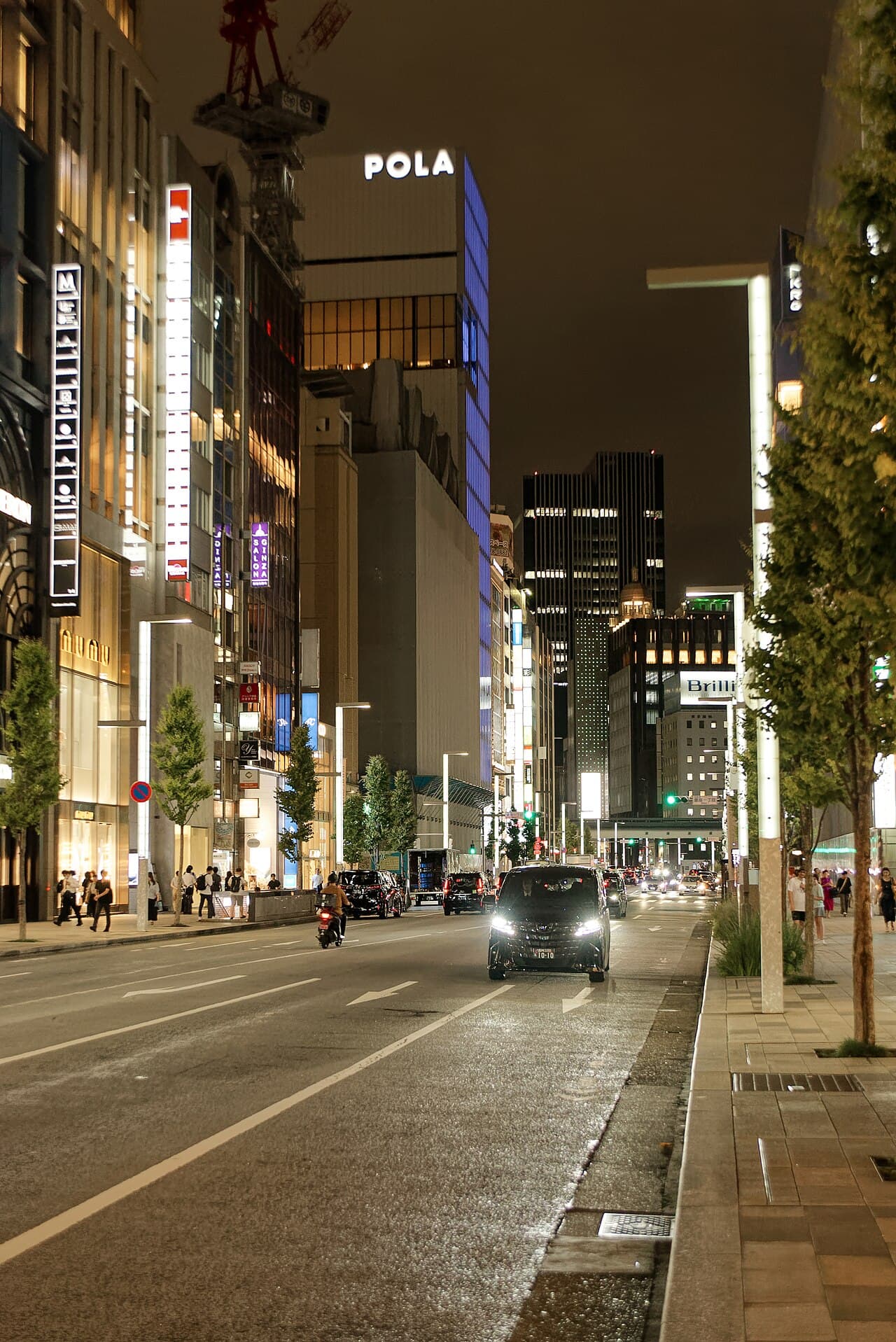
A depachika is the food hall in the basement of a Japanese department store — Isetan in Shinjuku, Mitsukoshi and Takashimaya in Nihonbashi and Ginza. Expect immaculate bento, jewel-like wagashi, prepared dishes and generous samples. Go late afternoon, graze the tasting counters, and carry out a picnic-quality dinner. Here's how to navigate one without feeling lost.
What "depachika" actually means
Depa (department store) + chika (underground). These basements are Tokyo's most disciplined food theatre: dozens of specialist counters — pickles, tea, French pastry, Kyoto tofu, grilled eel — each run like its own tiny shop. Nobody expects you to buy at every stall, and browsing is part of the ritual. It's also one of the cheapest luxuries in the city, a point we make in our Tokyo on any budget guide.
Which halls to start with
If you want the grandest version, go to Nihonbashi, where Mitsukoshi and Takashimaya sit a few minutes apart — the same district as the sit-down classics in this article's picks. Isetan Shinjuku is the connoisseur's choice, dense and dazzling. The Ginza basements pair naturally with an afternoon of Ginza dining. Any of them rewards a slow, unhurried lap before you commit.
What to buy (and what to sample)
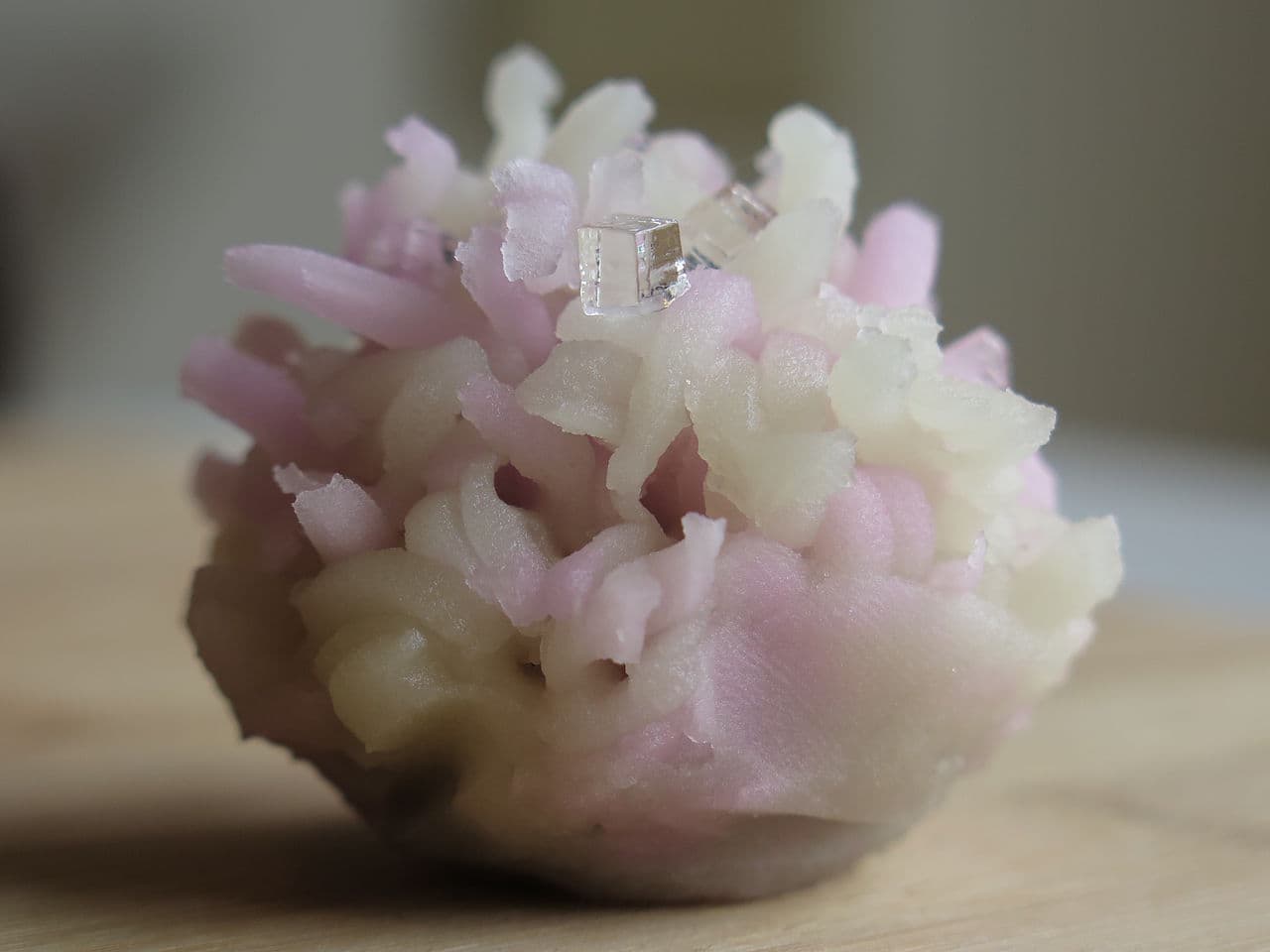
Start with a bento: the boxed meals here are engineered, not thrown together, and travel beautifully back to a hotel room. Then the wagashi counters — seasonal sweets almost too pretty to eat, ideal as gifts. Prepared salads, croquettes and grilled fish let you assemble a spread for a fraction of restaurant prices. Some halls even run a small sushi counter with same-day boxes. Samples are real and welcoming; take one, nod thanks, and move on.
Reading dietary labels
Here's the honest part. Allergen and ingredient labels exist but are almost always in Japanese, and staff English varies by counter. Dashi (bonito/kombu stock), egg and honey hide in things that look plant-based, so depachika is convenient rather than reliably vegan or halal. Photograph labels and translate them, or ask directly. For fully certified meals, a dedicated restaurant is safer than a counter. When in doubt, a convenience-store run has clearer, if simpler, labelling.
How to eat well
Arrive around 4–5pm, when discounted tags start appearing on same-day items but the selection is still deep. Bring a tote, carry small cash, and plan to eat within a few hours since much of it is unpreserved. Buy one thing you recognise and one you don't — that second box is usually the memory you keep.
Places we’ve confirmed
Sembikiya Fruit Parlour
Sembikiya special fruit parfait
The dine-in fruit parlour of Japan's oldest luxury fruit purveyor, founded in Nihonbashi in 1834, serving lavish parfaits of world-class fruit in a bright, elegant salon.
- Vegetarian
- Date
- Anniversary
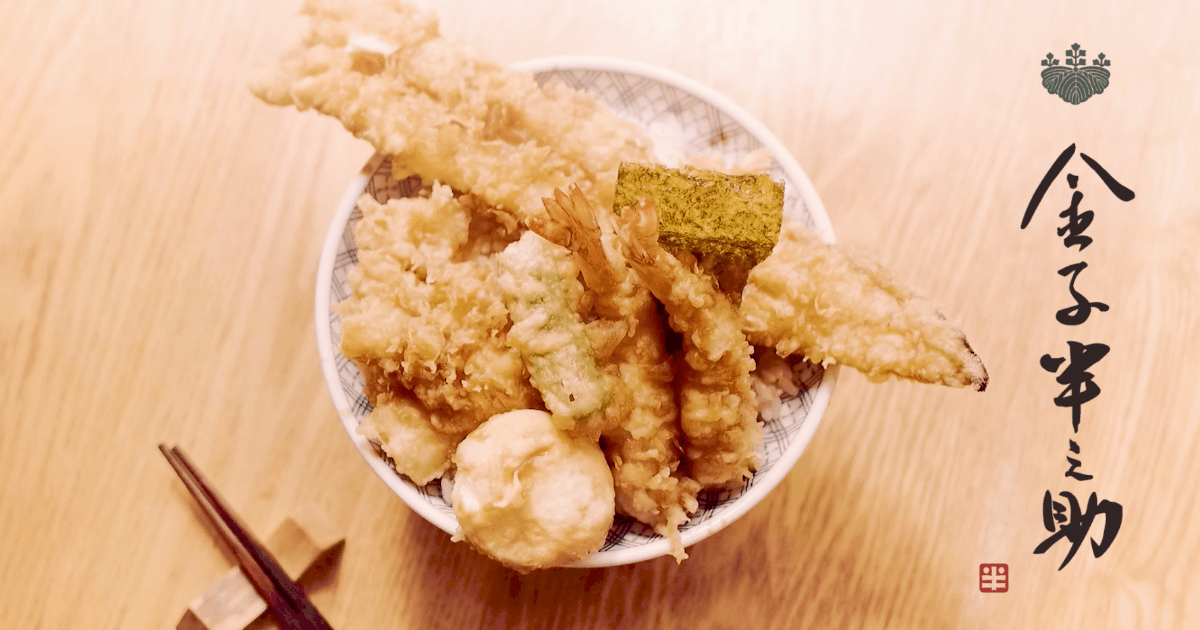
Kaneko Hannosuke
Edomae tendon of conger eel, shrimp, squid & soft-fried egg in a secret sauce
The perpetually-queued Nihonbashi flagship whose overflowing Edomae tendon comes glossed in a closely-guarded family sauce for around ¥1,000.
Last verified Jul 2026- Solo
- Casual
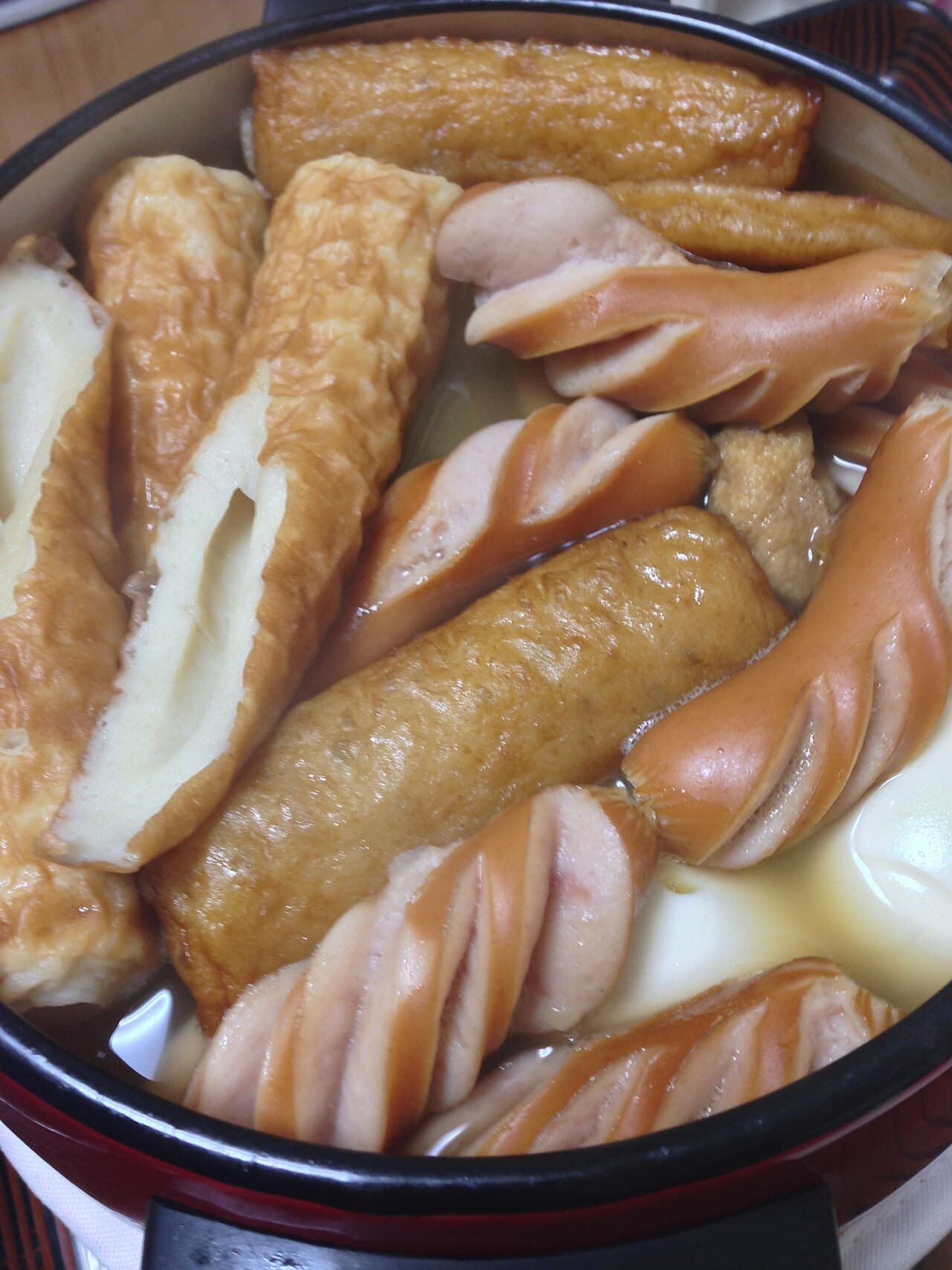
Nihonbashi Otako
Tomeshi — soy-cooked rice crowned with broth-soaked tofu
Founded in 1923, this Kanto-style oden institution simmers a decades-old dark dashi and is famous for tomeshi — broth-soaked tofu over soy-stained rice.
Last verified Jul 2026- Solo
- Casual
FAQ
- What time is best to visit a depachika?
- Late afternoon, roughly 4–5pm. Discount stickers begin appearing on same-day bento and prepared foods while the selection is still full, so you get both variety and value.
- Can I find vegan or halal food at a depachika?
- You'll find options, but not certainty. Labels are mostly in Japanese and dashi, egg and honey hide in many dishes. It's convenient for browsing; for strictly certified meals a dedicated restaurant is the safer choice.
- Is it rude to only take samples and not buy?
- No. Sampling is part of the culture and staff genuinely offer it. Take one, say thank you, and move on — buying at every counter is never expected.