
Seasonal
Eel season: the Day of the Ox falls on 26 July 2026 — where to eat unagi in Tokyo
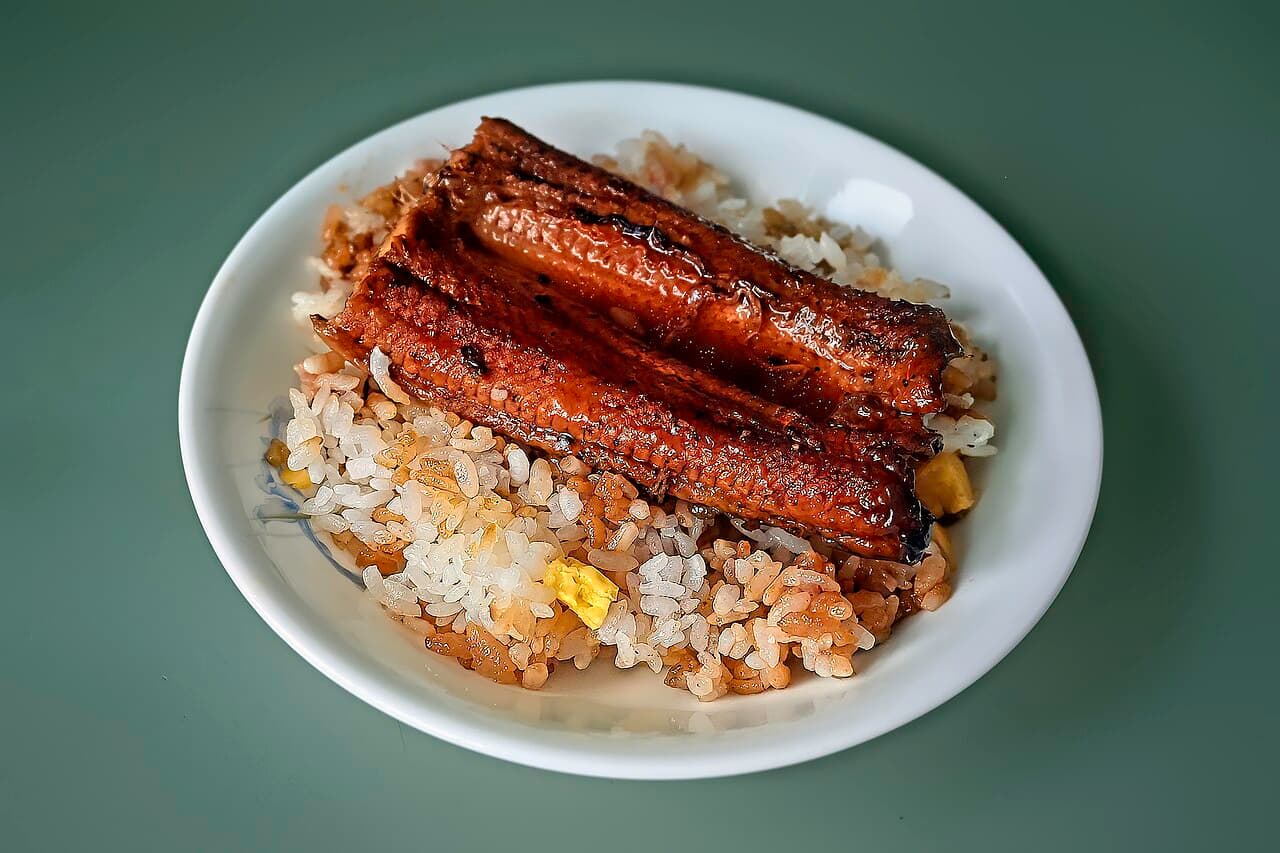
A day built around one fish
If you are in Japan in late July, you will see eel everywhere — in restaurant windows, on supermarket shelves, on convenience-store posters. The reason is Doyo no Ushi no Hi, the midsummer 'Day of the Ox,' when tradition says eating unagi (freshwater eel) restores stamina against the heat. In 2026 it falls on 26 July, with a second Day of the Ox on 7 August (some years have two, twelve days apart). The custom dates to the Edo period and remains one of Japan's most observed food days.
What you are actually eating
The classic dish is unaju or unadon: eel filleted, steamed, then charcoal-grilled and lacquered with a sweet soy tare, served over rice. In the Kanto (Tokyo) style the eel is steamed before grilling for a softer, fattier result; the Kansai style skips the steam for a crisper edge. A bowl is rich, smoky and genuinely restorative on a humid Tokyo day — which is exactly the point of the tradition.
Where to eat it in Tokyo
Our directory points to long-running eel specialists. Nodaiwa Azabu-Iikura Honten is an Edo-period house whose 97-year-old fifth-generation chef won Michelin's 2026 Mentor Chef Award — a one-star table that, being an unagi specialist, is more bookable than most starred rooms. Izuei Honten by Ueno's Shinobazu Pond has served eel since the 18th century. Kagurazaka Shimakin is a quieter neighbourhood institution. Expect to reserve, especially on and around the Day of the Ox, when eel houses run at full tilt.
What each diet should know
Unagi is grilled fish, so it suits pescatarians but not vegetarians or vegans. It is not gluten-free: the tare glaze is made with ordinary (wheat-based) soy sauce and often mirin. For Muslim travellers, eel itself is not pork, but the sweet sauce typically contains mirin or cooking sake (alcohol), and almost no eel house is halal-certified — confirm directly, and assume it is not certified unless told otherwise. There is no plant-based 'unagi' tradition at these specialists; vegans should plan a separate meal.
Beat the crowds
You do not have to eat eel on the exact Day of the Ox — the season runs through summer, and going a few days off-peak means easier reservations and the same dish. Book ahead, ask about alcohol in the sauce if it matters to you, and pair it with our drinks and dish guides to round out the meal.
Places we’ve confirmed
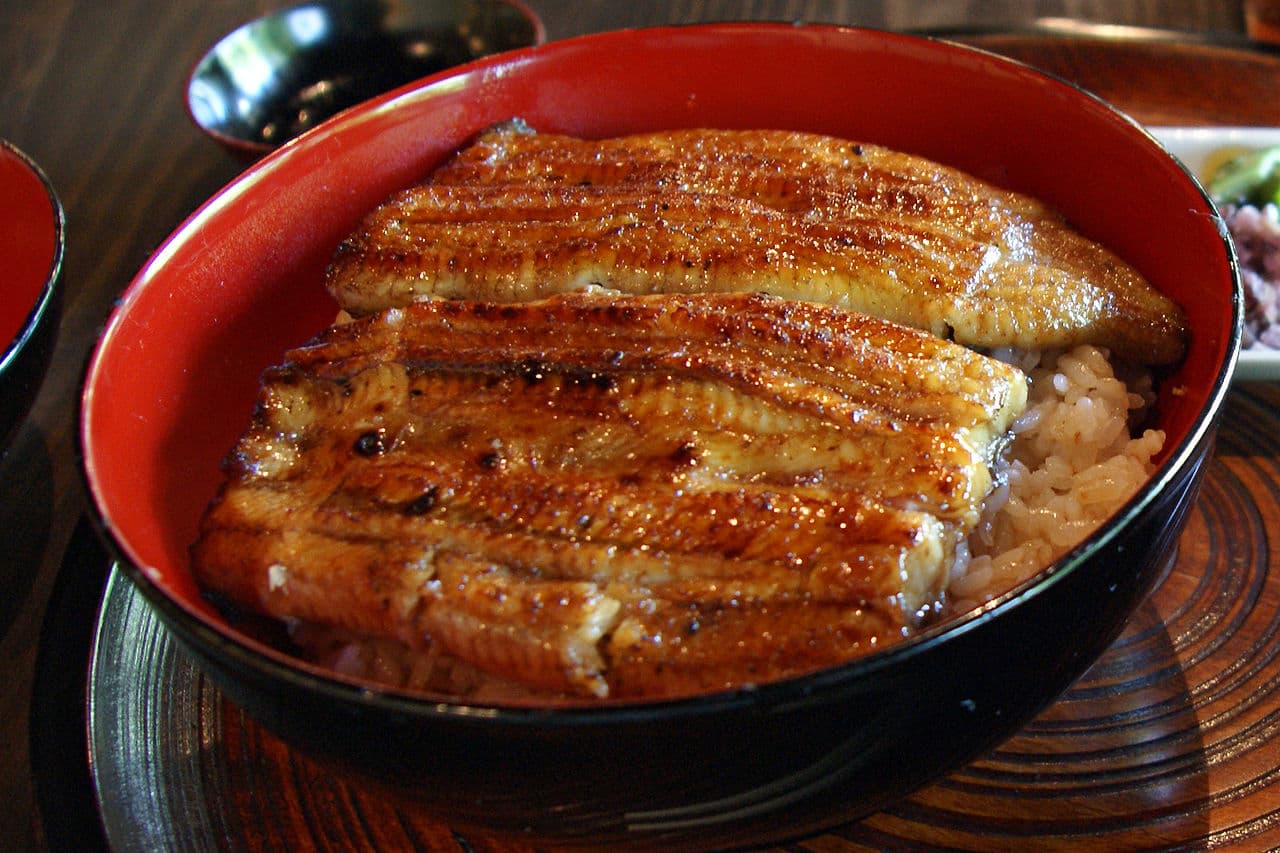
Nodaiwa Azabu-Iikura
Unaju — Edomae eel steamed then charcoal-grilled
A Michelin-starred eel house with over 200 years of history, where the fifth-generation master steams and charcoal-grills Edomae unagi to melt-in-the-mouth perfection.
- Pescatarian
- Anniversary
- Business
Unagi Izuei Honten
Charcoal-grilled unaju in a sugar-free Edo-style sauce
An eel house dating back nine generations to the Edo period, serving Ueno's most storied unagi beside Shinobazu Pond.
- Pescatarian
- Anniversary
- Business
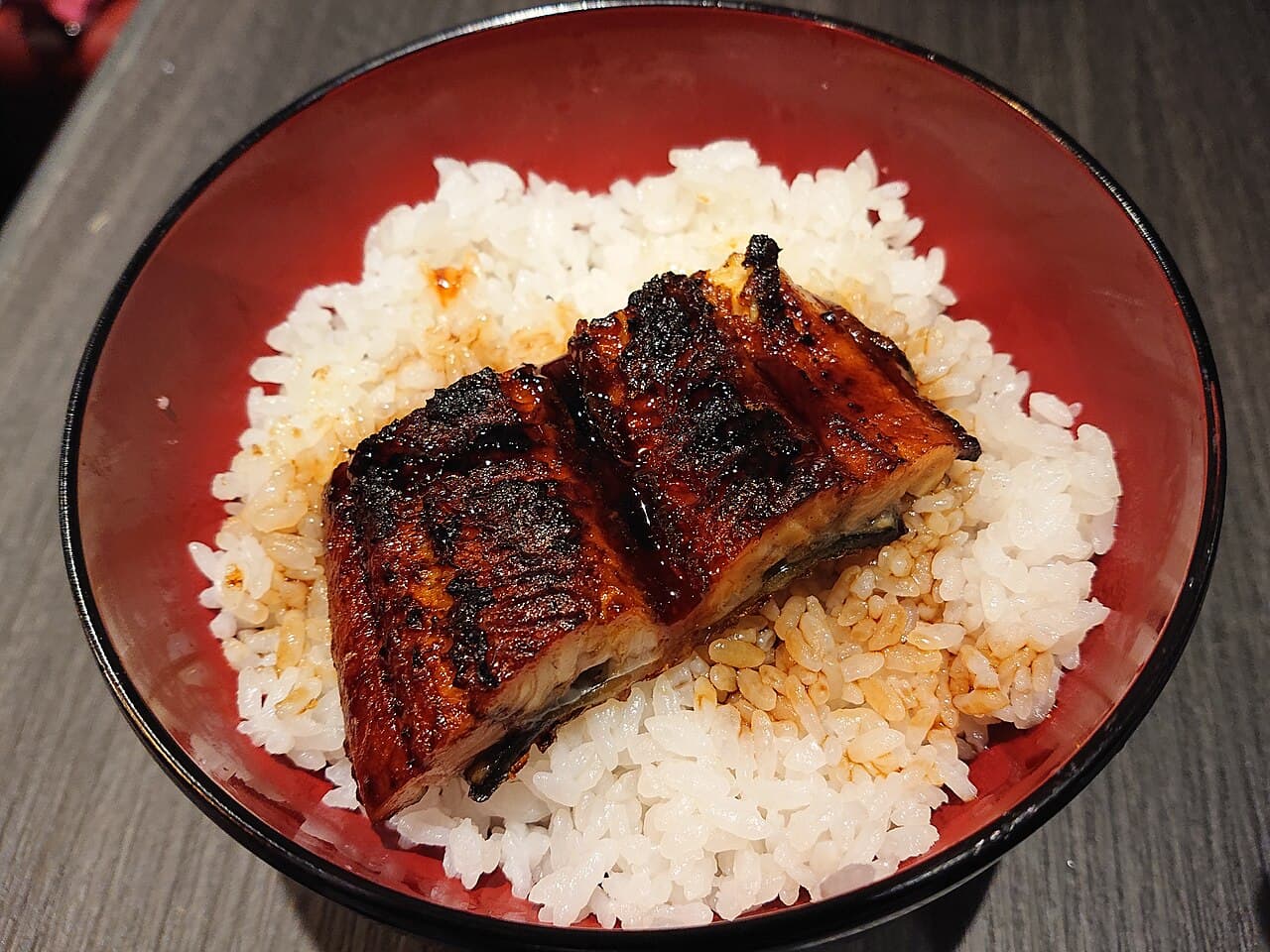
Kagurazaka Shimakin
Charcoal-grilled unagi over rice (unaju)
A Kagurazaka eel house founded in 1869 that has glazed and charcoal-grilled unagi over rice for more than 150 years, a minute from Iidabashi Station.
- Pescatarian
- Anniversary
- Business
Sources
FAQ
- When is the Day of the Ox (unagi day) in 2026?
- The midsummer Day of the Ox, Doyo no Ushi no Hi, falls on 26 July 2026, with a second one on 7 August (2026 has two, twelve days apart). It is the traditional day to eat unagi (eel) for summer stamina, and eel restaurants are at their busiest around these dates.
- Is unagi suitable for vegetarian, gluten-free or halal diets?
- Unagi is grilled freshwater eel, so it suits pescatarians but not vegetarians or vegans. It is not gluten-free — the glaze uses wheat-based soy sauce. It is generally not halal: the sweet sauce usually contains mirin or cooking sake (alcohol), and eel houses are almost never halal-certified, so confirm directly.