
ตามฤดูกาล
ฤดูปลาไหล: วันวัว (Day of the Ox) ตรงกับ 26 กรกฎาคม 2026—กินอุนางิที่ไหนในโตเกียว
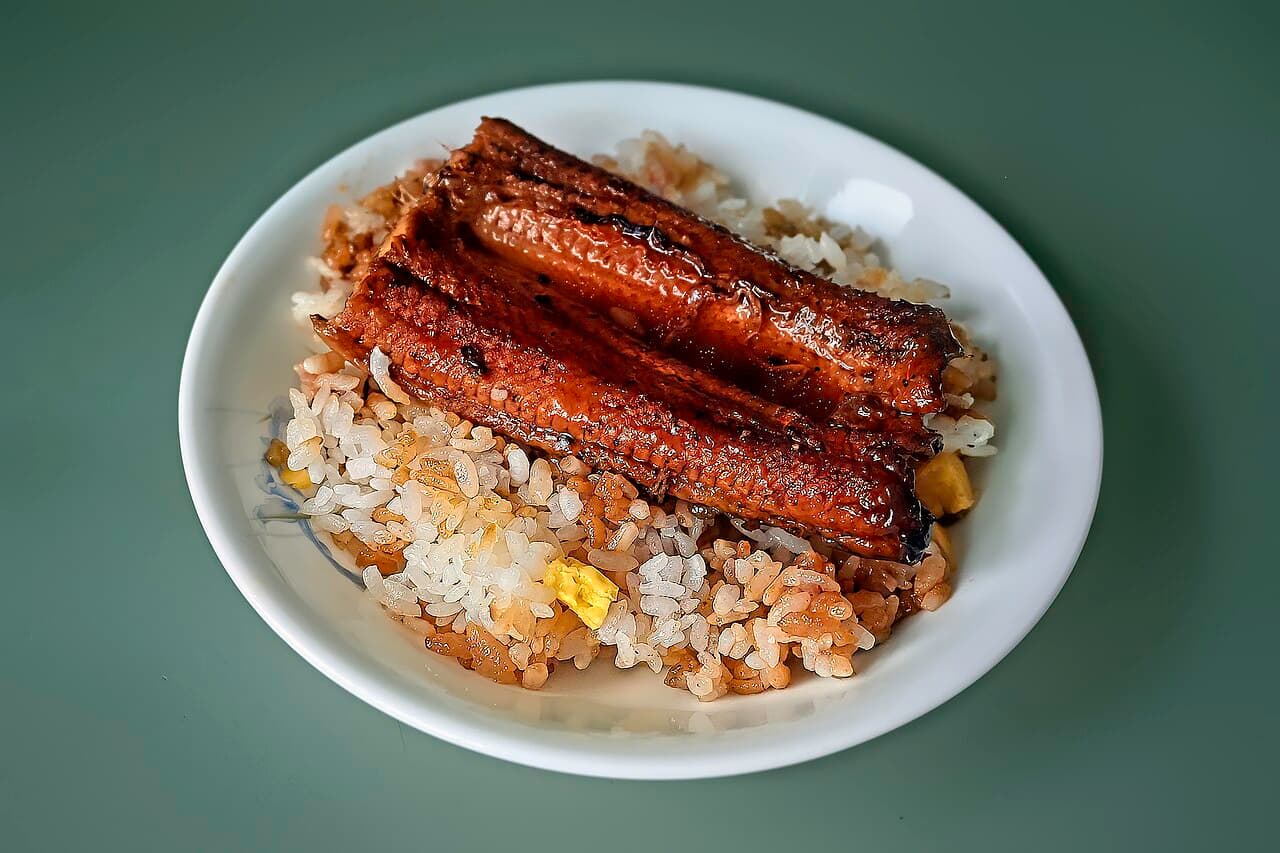
วันที่สร้างขึ้นรอบปลาหนึ่งชนิด
หากคุณอยู่ในญี่ปุ่นปลายเดือนกรกฎาคม คุณจะเห็นปลาไหลทุกที่—ในกระจกร้านอาหาร บนชั้นซูเปอร์มาร์เก็ต บนโปสเตอร์ร้านสะดวกซื้อ เหตุผลคือ โดโยโนะอุชิโนะฮิ 'วันวัว' กลางฤดูร้อน ที่ประเพณีบอกว่าการกิน อุนางิ (ปลาไหลน้ำจืด) ช่วยฟื้นกำลังต้านความร้อน ในปี 2026 ตรงกับ 26 กรกฎาคม โดยมี วันวัวที่สองในวันที่ 7 สิงหาคม (บางปีมีสองวันห่างกันสิบสองวัน) ธรรมเนียมนี้ย้อนไปถึงสมัยเอโดะและยังคงเป็นหนึ่งในวันอาหารที่คนญี่ปุ่นถือปฏิบัติมากที่สุด
คุณกำลังกินอะไรจริง ๆ
จานคลาสสิกคือ อุนาจู หรือ อุนาดง: ปลาไหลแล่ นึ่ง แล้วย่างถ่านและเคลือบซอสซีอิ๊วหวาน ทาเระ เสิร์ฟบนข้าว สไตล์คันโต (โตเกียว) นึ่งก่อนย่างเพื่อผลลัพธ์ที่นุ่มและมันกว่า สไตล์คันไซข้ามการนึ่งเพื่อขอบที่กรอบกว่า หนึ่งชามเข้มข้น หอมควัน และฟื้นกำลังอย่างแท้จริงในวันโตเกียวที่อบอ้าว—ซึ่งเป็นหัวใจของประเพณีนี้พอดี
กินที่ไหนในโตเกียว
ไดเรกทอรีของเราชี้ไปที่ร้านปลาไหลเฉพาะทางที่ทำมายาวนาน Nodaiwa Azabu-Iikura Honten เป็นบ้านสมัยเอโดะ ที่เชฟรุ่นที่ห้าวัย 97 ปีคว้ารางวัล Mentor Chef Award ของมิชลินปี 2026—โต๊ะหนึ่งดาวที่ในฐานะร้าน อุนางิ เฉพาะทาง จองได้ง่ายกว่าห้องดาวส่วนใหญ่ Izuei Honten ริมสระชิโนบาซุที่อูเอโนะเสิร์ฟปลาไหลมาตั้งแต่ศตวรรษที่ 18 Kagurazaka Shimakin เป็นสถาบันย่านที่เงียบสงบกว่า คาดว่าต้องจอง โดยเฉพาะช่วงวันวัว เมื่อร้านปลาไหลทำงานเต็มกำลัง
แต่ละสายอาหารควรรู้อะไร
อุนางิเป็นปลาย่าง จึงเหมาะกับ สายเพสคาทาเรียน แต่ไม่เหมาะกับมังสวิรัติหรือวีแกน มัน ไม่ปลอดกลูเตน: ซอสเคลือบ ทาเระ ทำจากซีอิ๊ว (ข้าวสาลี) ทั่วไปและมักมีมิริน สำหรับ นักเดินทางมุสลิม ตัวปลาไหลเองไม่ใช่หมู แต่ซอสหวานมักมี มิรินหรือเหล้าปรุงอาหาร (แอลกอฮอล์) และแทบไม่มีร้านปลาไหลใดผ่านการรับรองฮาลาล—ยืนยันโดยตรง และถือว่าไม่ผ่านการรับรองเว้นแต่จะได้รับแจ้งเป็นอื่น ไม่มีประเพณี 'อุนางิ' พืชล้วนที่ร้านเฉพาะทางเหล่านี้ วีแกนควรวางแผนมื้อแยกต่างหาก
เลี่ยงฝูงชน
คุณไม่จำเป็นต้องกินปลาไหลในวันวัวพอดี—ฤดูกาลยาวตลอดหน้าร้อน และไปช่วงนอกพีคสักสองสามวันหมายถึงจองง่ายกว่าโดยได้จานเดียวกัน จองล่วงหน้า ถามเรื่องแอลกอฮอล์ในซอสหากสำคัญกับคุณ และจับคู่กับคู่มือเครื่องดื่มและจานอาหารของเราเพื่อเติมเต็มมื้ออาหาร
ร้านที่เรายืนยันแล้ว
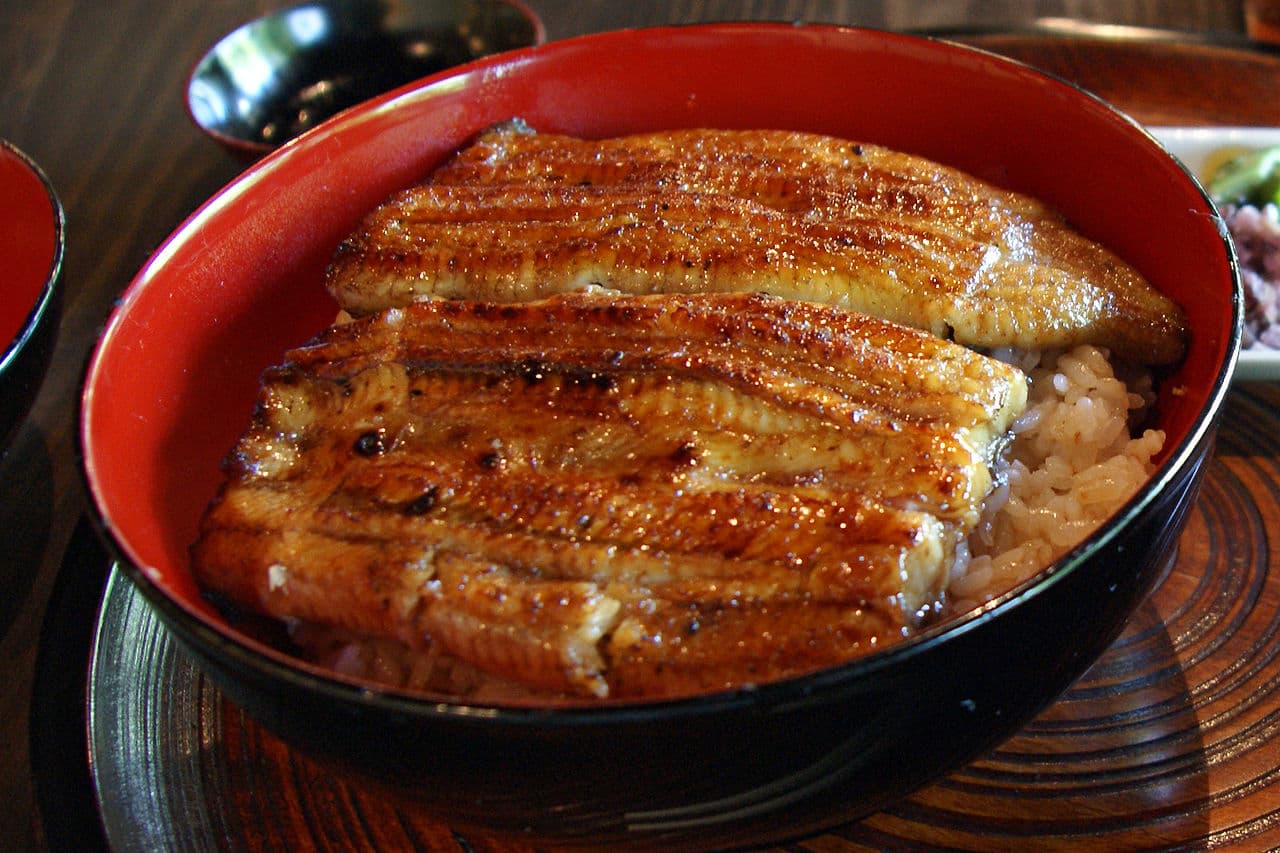
Nodaiwa Azabu-Iikura
อูนาจู — ปลาไหลเอโดมาเอะนึ่งแล้วย่างถ่าน
ร้านปลาไหลระดับมิชลินสตาร์ที่มีประวัติกว่า 200 ปี เจ้าของรุ่นที่ห้านึ่งและย่างถ่านปลาไหลเอโดมาเอะจนนุ่มละลายในปาก
- เพสคาทาเรียน
- วันครบรอบ
- ธุรกิจ
Unagi Izuei Honten
อูนาจูย่างถ่านในซอสสไตล์เอโดะไม่ใส่น้ำตาล
ร้านปลาไหลที่สืบทอดมาเก้ารุ่นถึงยุคเอโดะ เสิร์ฟอูนางิที่มีตำนานเล่าขานที่สุดของอุเอโนะ ริมบึงชิโนบาซุ
- เพสคาทาเรียน
- วันครบรอบ
- ธุรกิจ
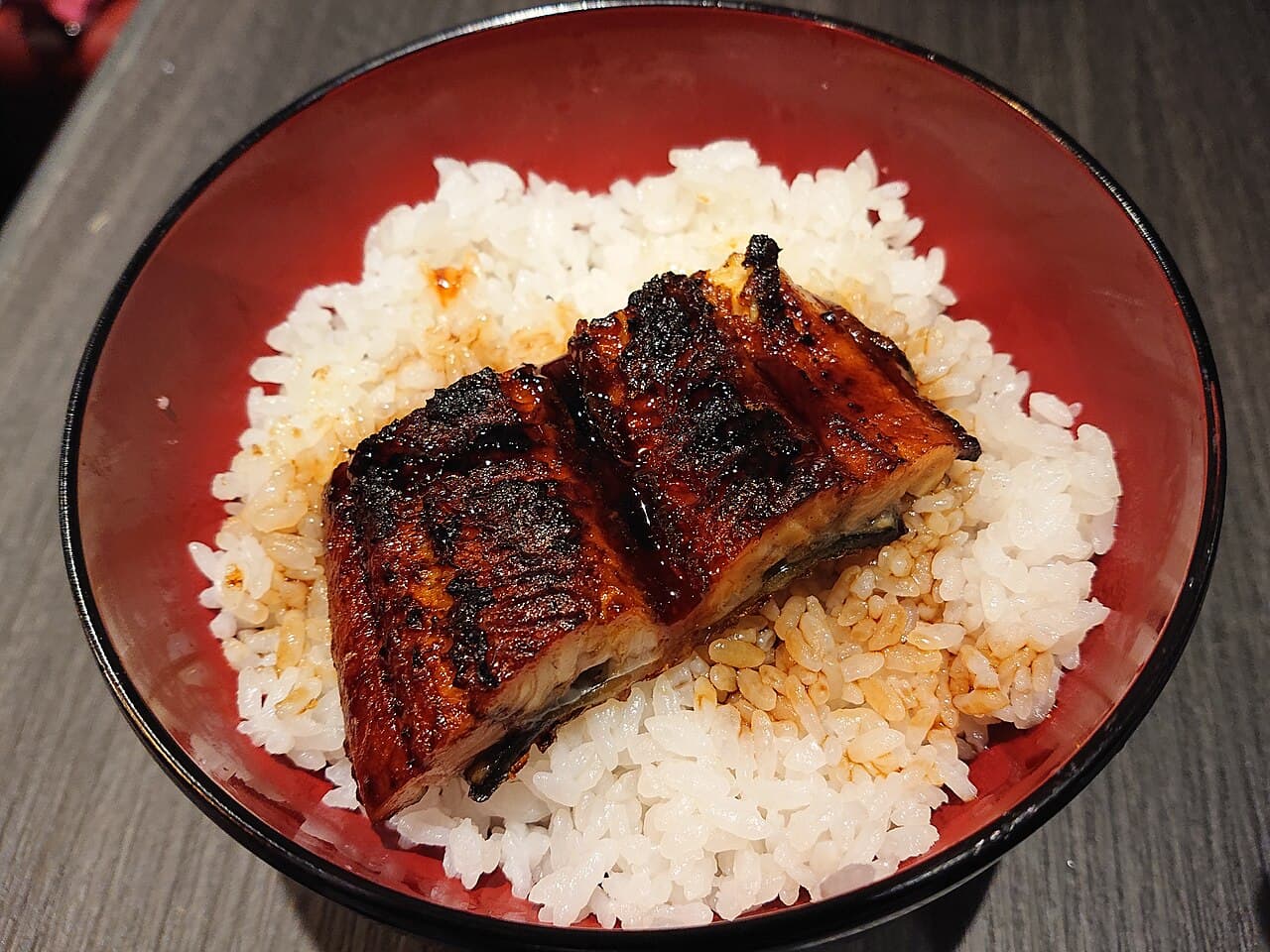
Kagurazaka Shimakin
ปลาไหลย่างถ่านบนข้าว (อูนาจู)
ร้านปลาไหลในคางุระซากะที่ก่อตั้งปี 1869 ที่เคลือบและย่างถ่านปลาไหลบนข้าวมากว่า 150 ปี ห่างจากสถานีอีดาบาชิเพียงนาทีเดียว
- เพสคาทาเรียน
- วันครบรอบ
- ธุรกิจ
Sources
คำถามที่พบบ่อย
- วันวัว (วันปลาไหล) ในปี 2026 คือเมื่อไหร่?
- วันวัวกลางฤดูร้อน โดโยโนะอุชิโนะฮิ ตรงกับ 26 กรกฎาคม 2026 โดยมีวันที่สองในวันที่ 7 สิงหาคม (ปี 2026 มีสองวัน ห่างกันสิบสองวัน) เป็นวันดั้งเดิมที่กินอุนางิ (ปลาไหล) เพื่อบำรุงกำลังหน้าร้อน และร้านปลาไหลจะยุ่งที่สุดในช่วงวันเหล่านี้
- อุนางิเหมาะกับสายมังสวิรัติ ปลอดกลูเตน หรือฮาลาลไหม?
- อุนางิเป็นปลาไหลน้ำจืดย่าง จึงเหมาะกับสายเพสคาทาเรียนแต่ไม่เหมาะกับมังสวิรัติหรือวีแกน มันไม่ปลอดกลูเตน—ซอสเคลือบใช้ซีอิ๊วข้าวสาลี โดยทั่วไปก็ไม่ฮาลาล: ซอสหวานมักมีมิรินหรือเหล้าปรุงอาหาร (แอลกอฮอล์) และร้านปลาไหลแทบไม่เคยผ่านการรับรองฮาลาล จึงควรยืนยันโดยตรง