
Seasonal
Japan's cold-noodle summer: hiyashi chuka, somen and what to slurp in the 2026 heat
The short answer
When a Tokyo summer turns brutal, the national reflex is to eat cold noodles. A 2026 Rakuten Recipes survey of 2,976 people found that 73% reach for cooling chilled noodles over hearty stamina food when the heat kills their appetite — and that the favourites are hiyashi chuka (chilled ramen) and somen, narrowly ahead of cold soba and Korean-style reimen. If you visit Japan between June and September, this is the food the country is actually eating.
The four bowls, decoded
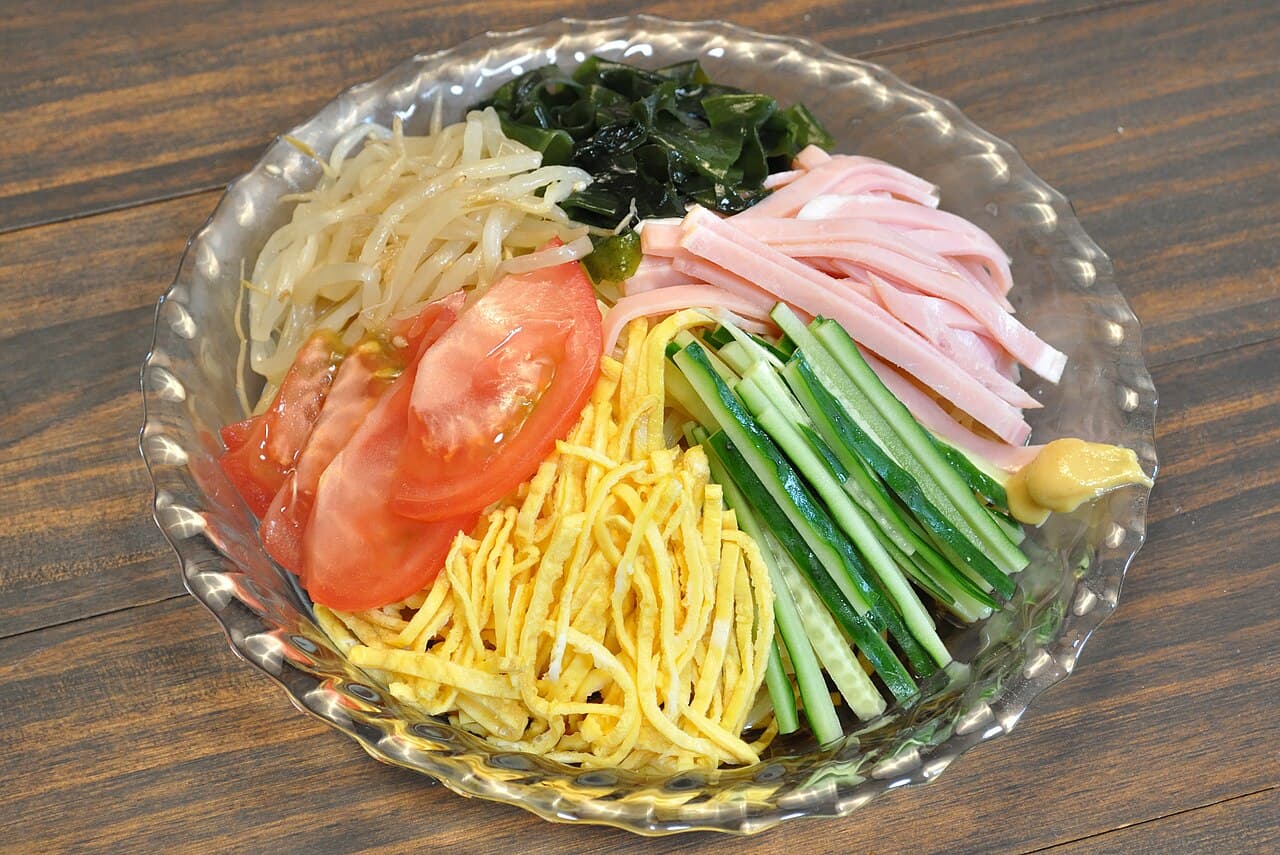
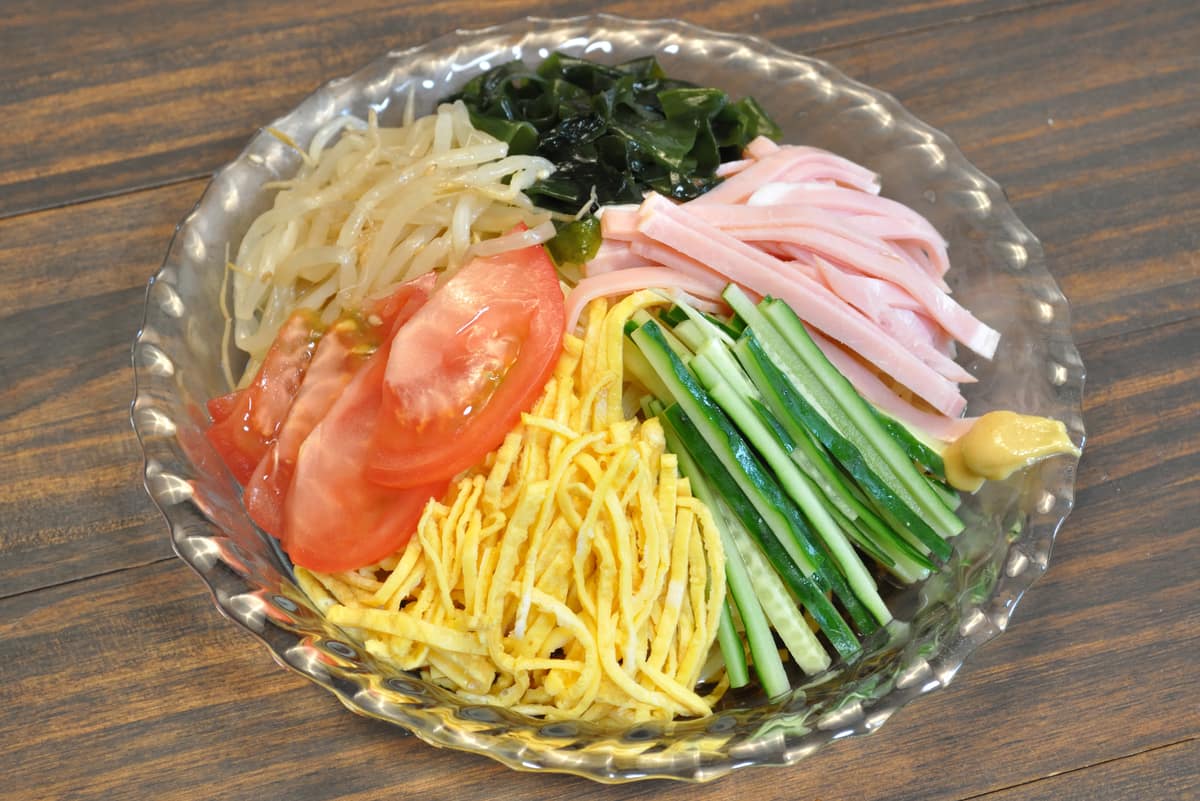
Hiyashi chuka is summer-only chilled ramen: spring-y wheat noodles fanned with strips of ham, omelette, cucumber and tomato, dressed in a bright soy-vinegar (or sesame) sauce. It appears on ramen-shop and Chinese-restaurant menus the moment the rainy season lifts. Somen are ultra-thin white wheat noodles served in iced water with a tsuyu dipping sauce — the most delicate and the most ritual, sometimes flowing down a bamboo chute (nagashi somen). Cold soba (zaru/mori) is chilled buckwheat noodles dipped in tsuyu; the buckwheat aroma is the point. Reimen is the chewy, tangy Korean-Japanese cold-broth noodle, popular off the back of yakiniku.
What each diet should watch
The shared trap is the dipping/dressing sauce. Most tsuyu and hiyashi-chuka dressings are built on soy sauce (wheat) plus bonito or kombu dashi, so they are usually not gluten-free and not vegan as served. Specifics: hiyashi chuka typically carries ham and egg — not vegetarian; somen and soba noodles are wheat/buckwheat but the broth is the issue (fish dashi). For gluten-free diners, pure juwari (100% buckwheat) soba exists but the dipping sauce usually still contains wheat soy — confirm both. For vegans, ask for a kombu-only tsuyu and skip egg/ham toppings. Soba also carries a buckwheat allergy risk worth flagging.
Where to slurp in Tokyo
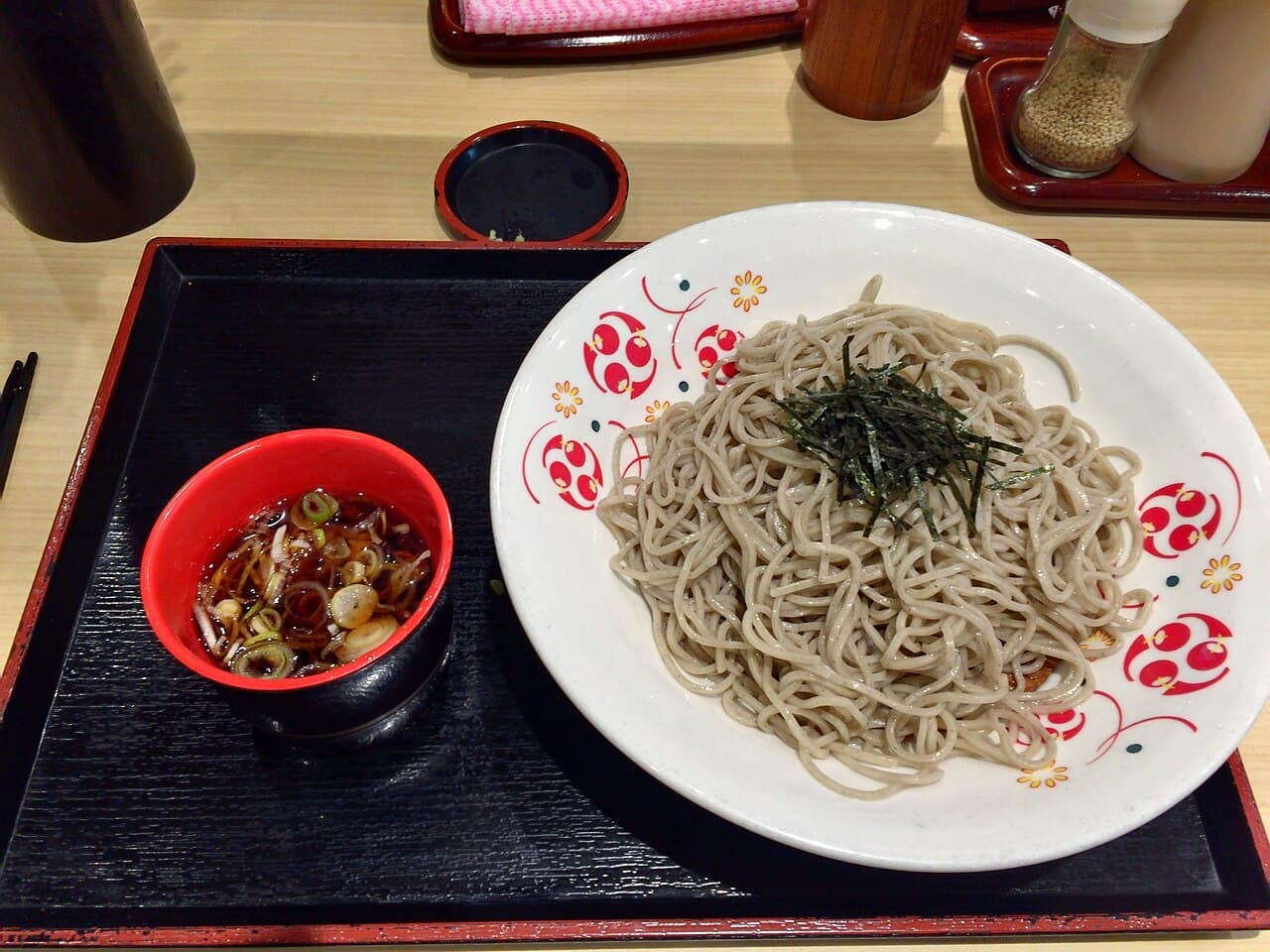
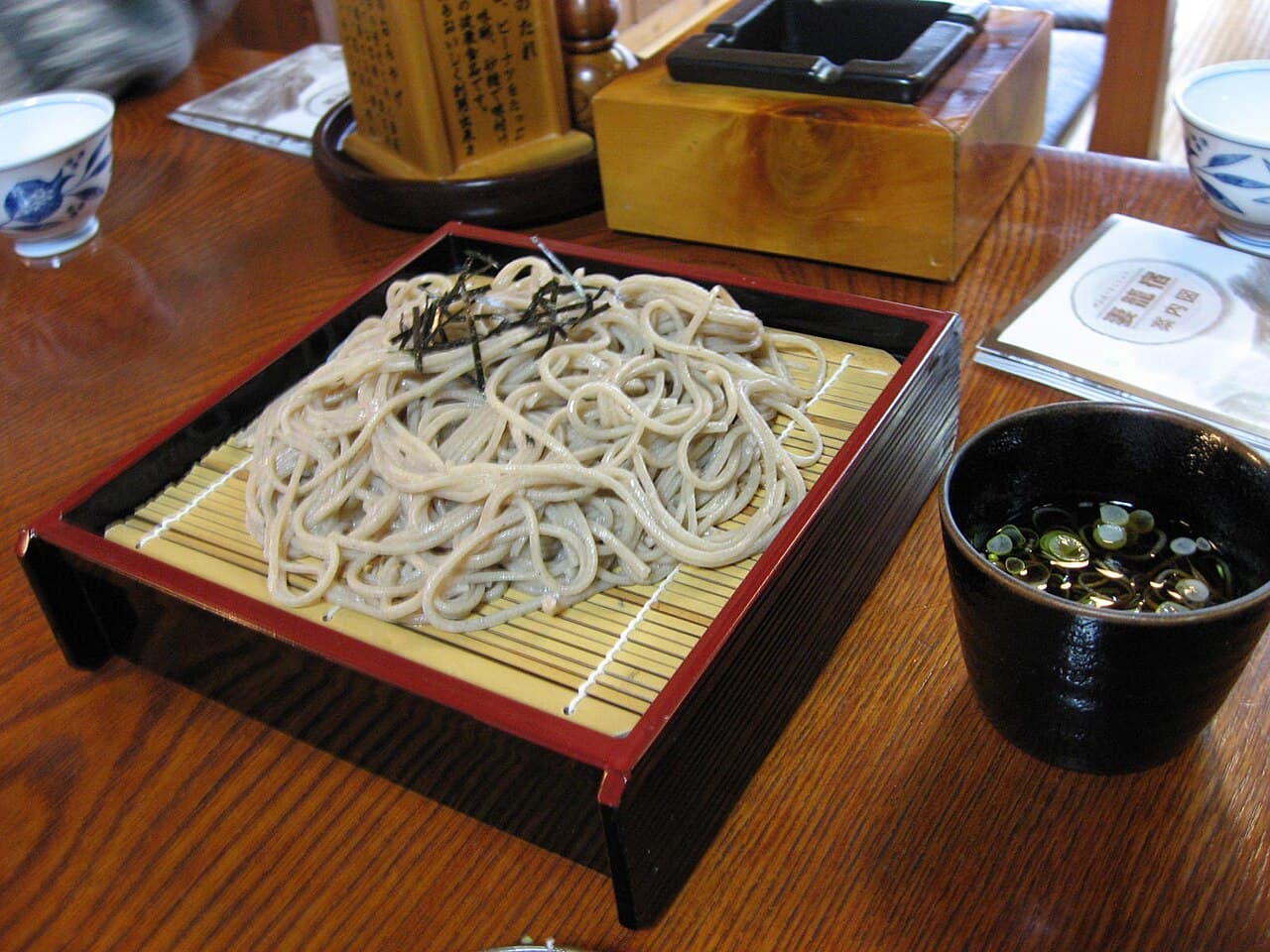
Cold soba is the easiest to eat well and to book. Our directory points to serious soba houses: Kanda Yabu Soba, a celebrated Edo-style institution; Kyorakutei in Kagurazaka, a refined hand-cut shop; Tamawarai in Jingumae for prized stone-milled soba; Juwari Soba Basso for 100% buckwheat noodles (useful to start a gluten conversation); and Kanda Matsuya, a beloved historic soba-ya. Order zaru soba or mori soba for the cold version, and ask about the tsuyu if you have a dietary need.
How to order and eat
Say hiyashi chuka or zaru soba by name — both are instantly understood in summer. With somen and soba you dip, not drown: lift a small bundle, touch it to the tsuyu, and slurp (slurping cools the noodles and is good manners). Finish soba with sobayu, the hot cooking water, poured into your leftover dip. For the hidden-ingredient details, pair this with our vegan, gluten-free and dietary-phrase guides — and chase a bowl on the hottest afternoon, which is exactly when it tastes best.
Places we’ve confirmed
Kanda Yabu Soba
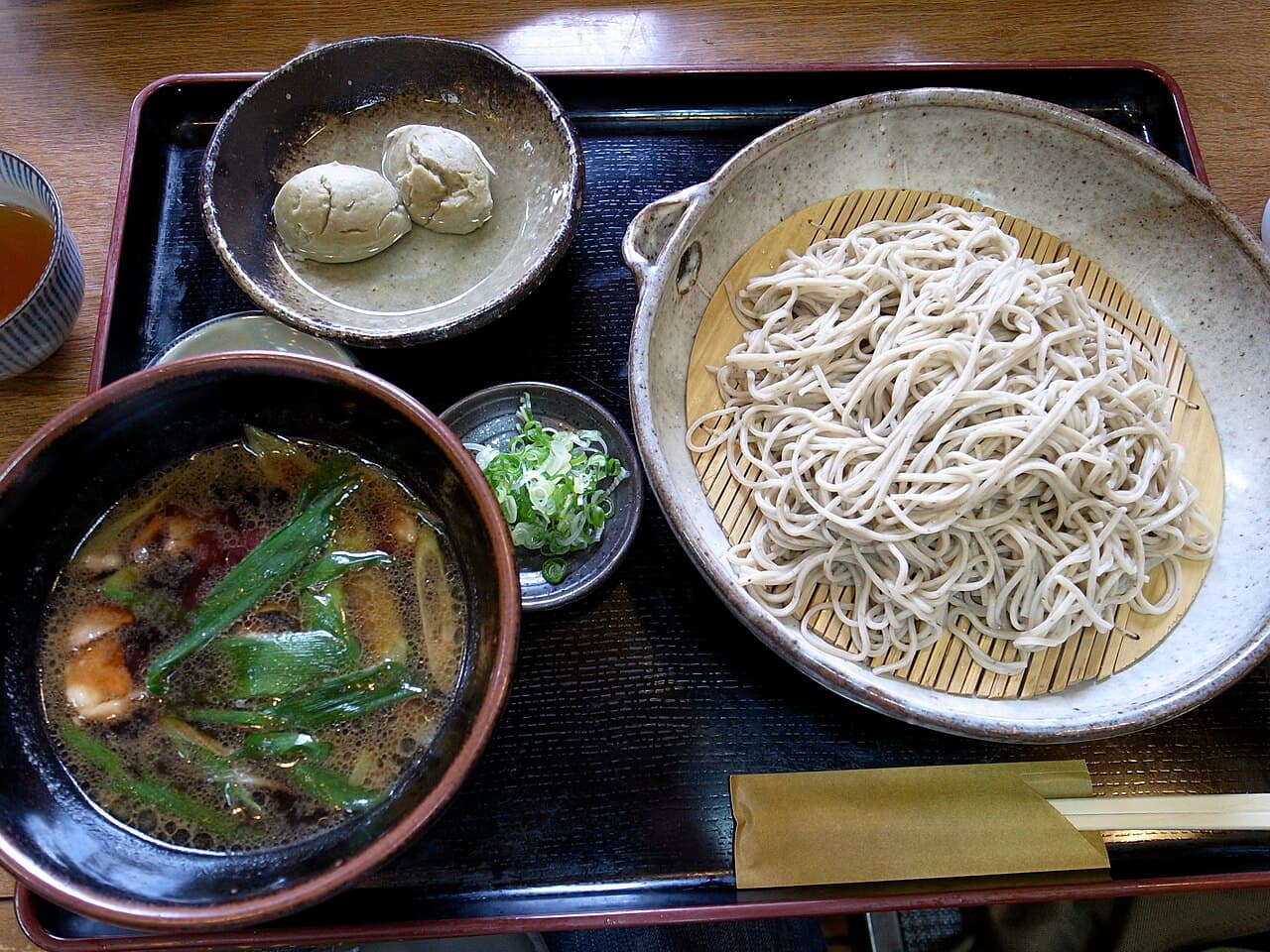
Chilled seiro soba with a robust, strongly seasoned Edo dipping broth
A buckwheat institution founded in 1880 and regarded as the head house of Edo's 'Yabu' soba lineage, known for fragrant chilled seiro and a strongly seasoned dipping broth. The current wooden building reopened in 2014 on the same Awajicho site after a fire.
Last verified Jul 2026- Casual
- Solo
- Business
Kyorakutei
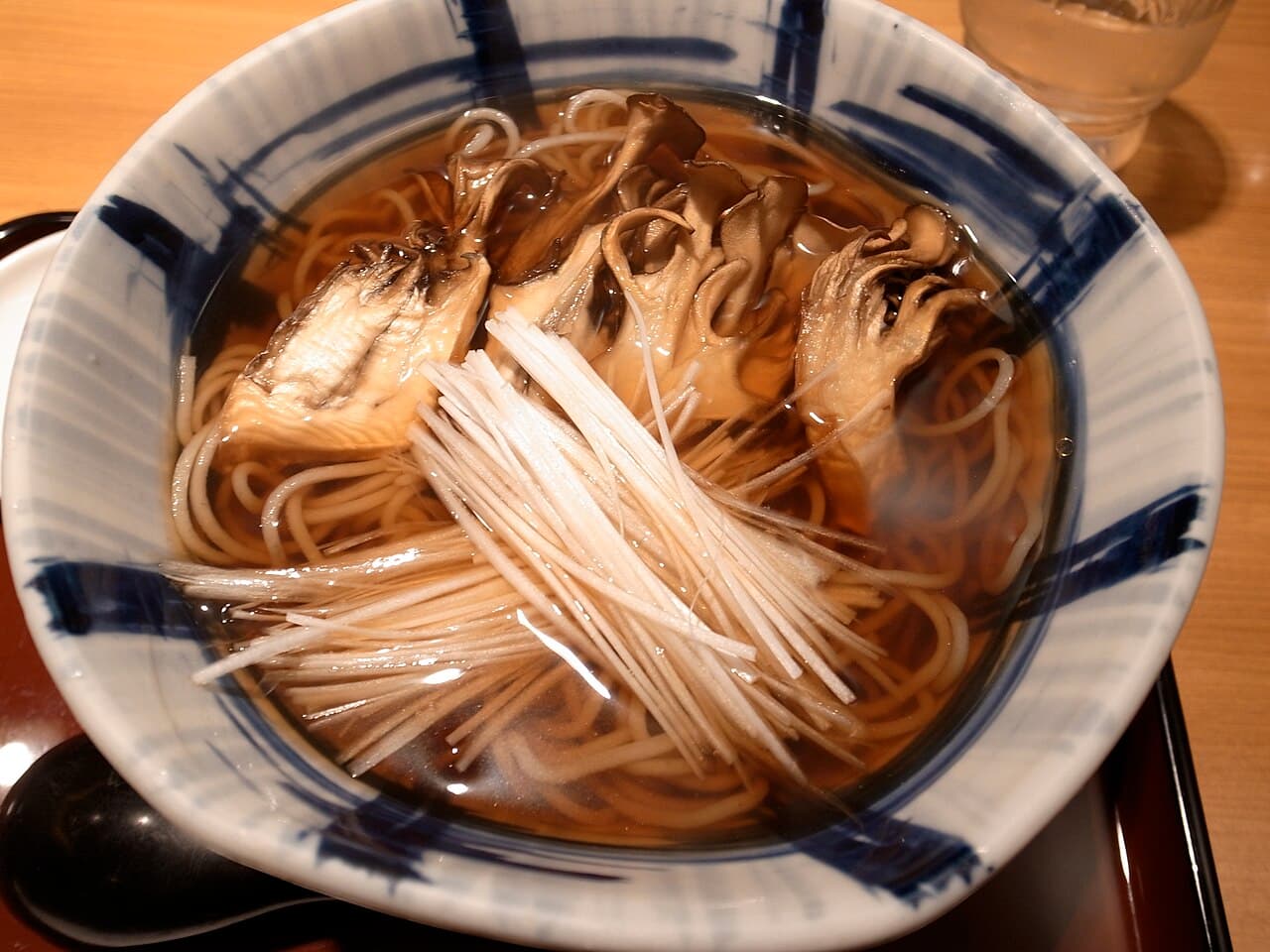
Stone-milled hand-cut zaru soba with seasonal tempura
A backstreet Kagurazaka soba shop that stone-mills and hand-cuts its own buckwheat, earning a spot on the Tabelog 100 soba list.
Last verified Jul 2026- Solo
- Date
Tamawarai
Juwari (100% buckwheat) soba, stone-milled in-house daily
A Michelin-starred soba sanctuary where the chef grows and hand-mills his own Ibaraki buckwheat into pure 100% juwari noodles — the closest a coeliac traveller comes to trustworthy Tokyo soba.
- Gluten-free
- Vegetarian
- Solo
- Date
Juwari Soba Tokyo Basso
Three styles of juwari soba (inaka, sarashina, dattan)
A specialist serving juwari (100% buckwheat) soba with no wheat flour, so the noodles themselves are naturally gluten-free. Note the standard dipping sauce/soba-yu and a shared kitchen mean it is not certified celiac-safe; confirm the tsuyu if you are highly sensitive.
- Gluten-free
- Casual
- Solo
Kanda Matsuya
Mori soba (cold buckwheat noodles) and tempura soba
Founded in 1884 and housed in a Tokyo-designated historic wooden building, this Kanda institution serves hand-cut soba in a bustling, time-worn dining hall.
Last verified Jul 2026- Solo
- Casual
Sources
FAQ
- What are the most popular cold noodles in Japan in summer?
- A 2026 Rakuten Recipes survey of 2,976 people ranked hiyashi chuka (chilled ramen) first and somen second, ahead of cold soba and Korean-style reimen. The same survey found 73% of respondents prefer cooling chilled noodles over hearty stamina food when summer heat reduces their appetite.
- Are cold noodles like somen and soba gluten-free or vegan?
- Usually not, as served. Somen is wheat and most soba is a buckwheat-wheat blend, and the dipping sauce (tsuyu) is typically built on wheat-based soy sauce plus bonito or kombu dashi — so it is generally neither gluten-free nor vegan. Hiyashi chuka also usually carries ham and egg. Ask for 100% buckwheat (juwari) soba, a kombu-only tsuyu, and no animal toppings, and confirm each at the shop.