A Michelin-starred soba sanctuary where the chef grows and hand-mills his own Ibaraki buckwheat into pure 100% juwari noodles — the closest a coeliac traveller comes to trustworthy Tokyo soba.
Can I eat here?
✓ Diets our editors confirmed in person
🌾
Show this to staff
Gluten-free
小麦アレルギーです。小麦は食べられません。
Komugi arerugī desu. Komugi wa taberaremasen.
I have a wheat allergy. I can't eat wheat.
普通のしょうゆには小麦が入っていますか?Does your regular soy sauce contain wheat?
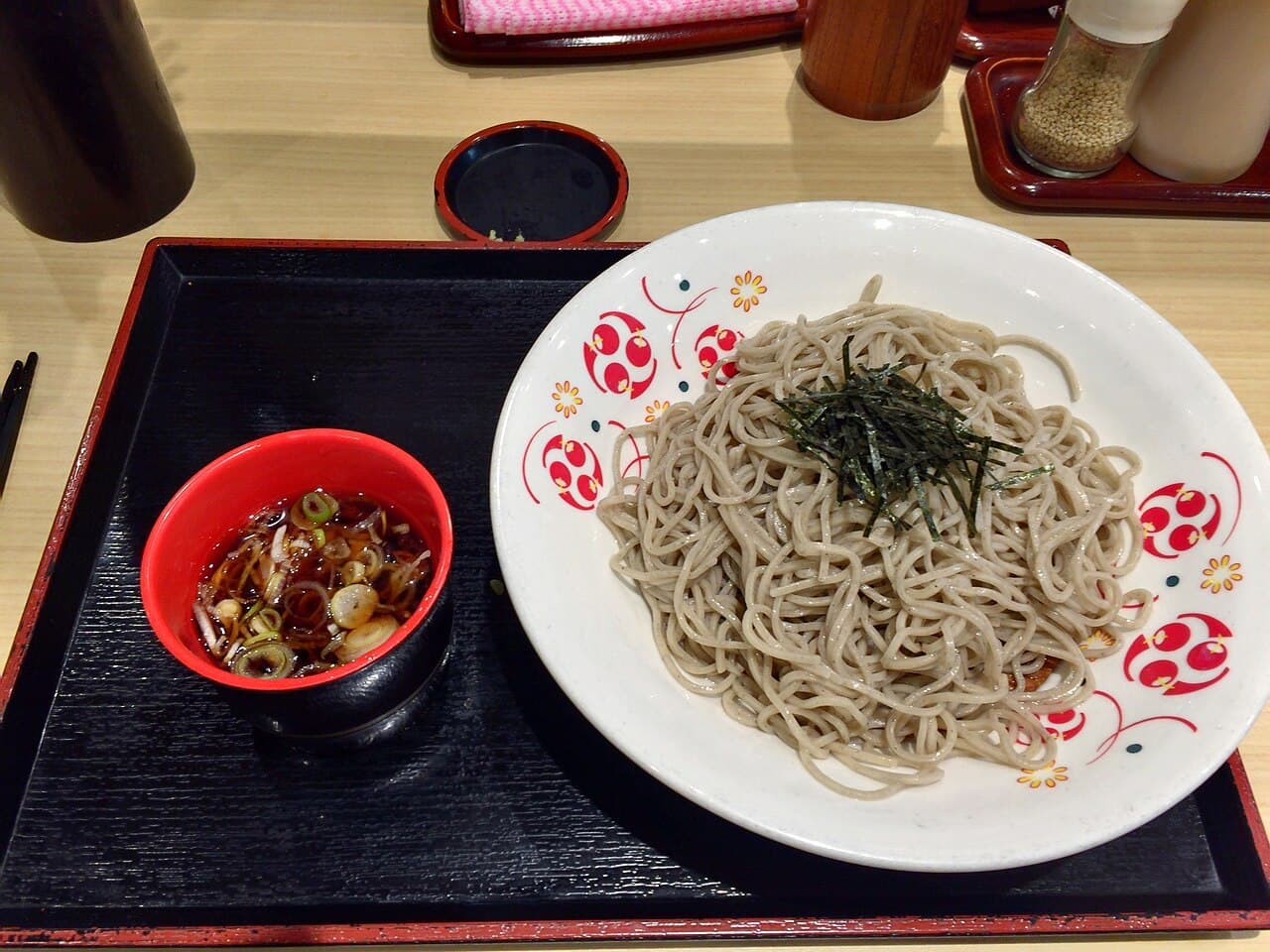
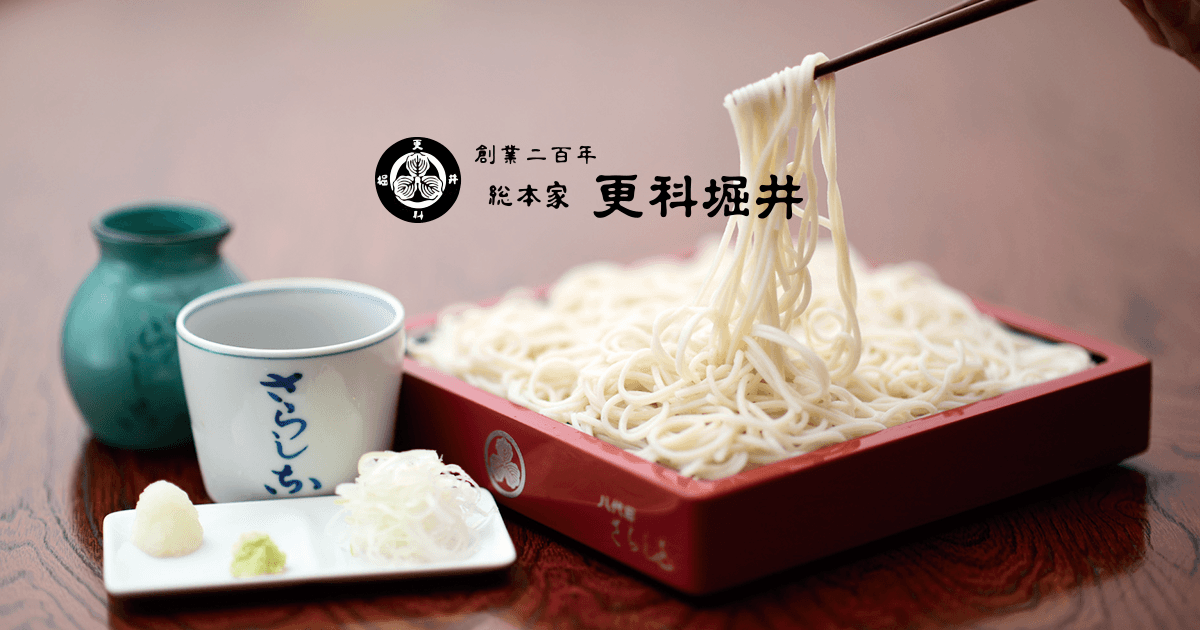
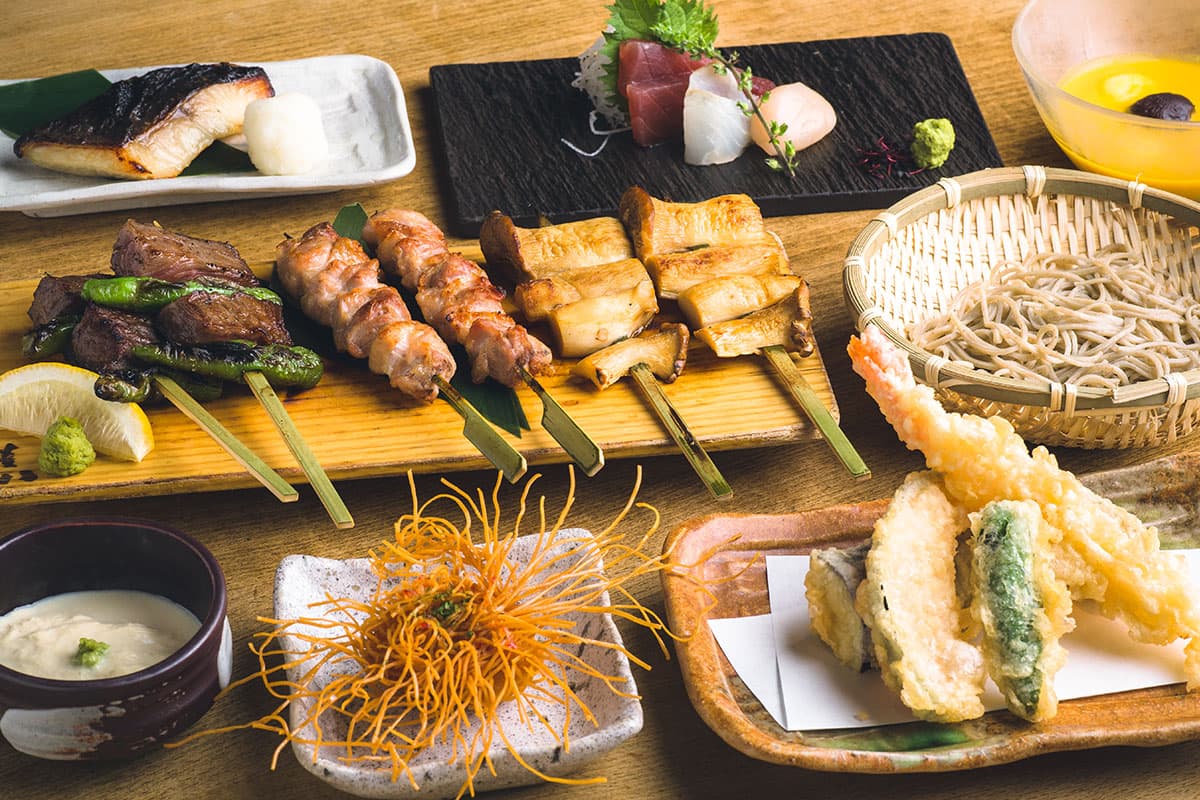
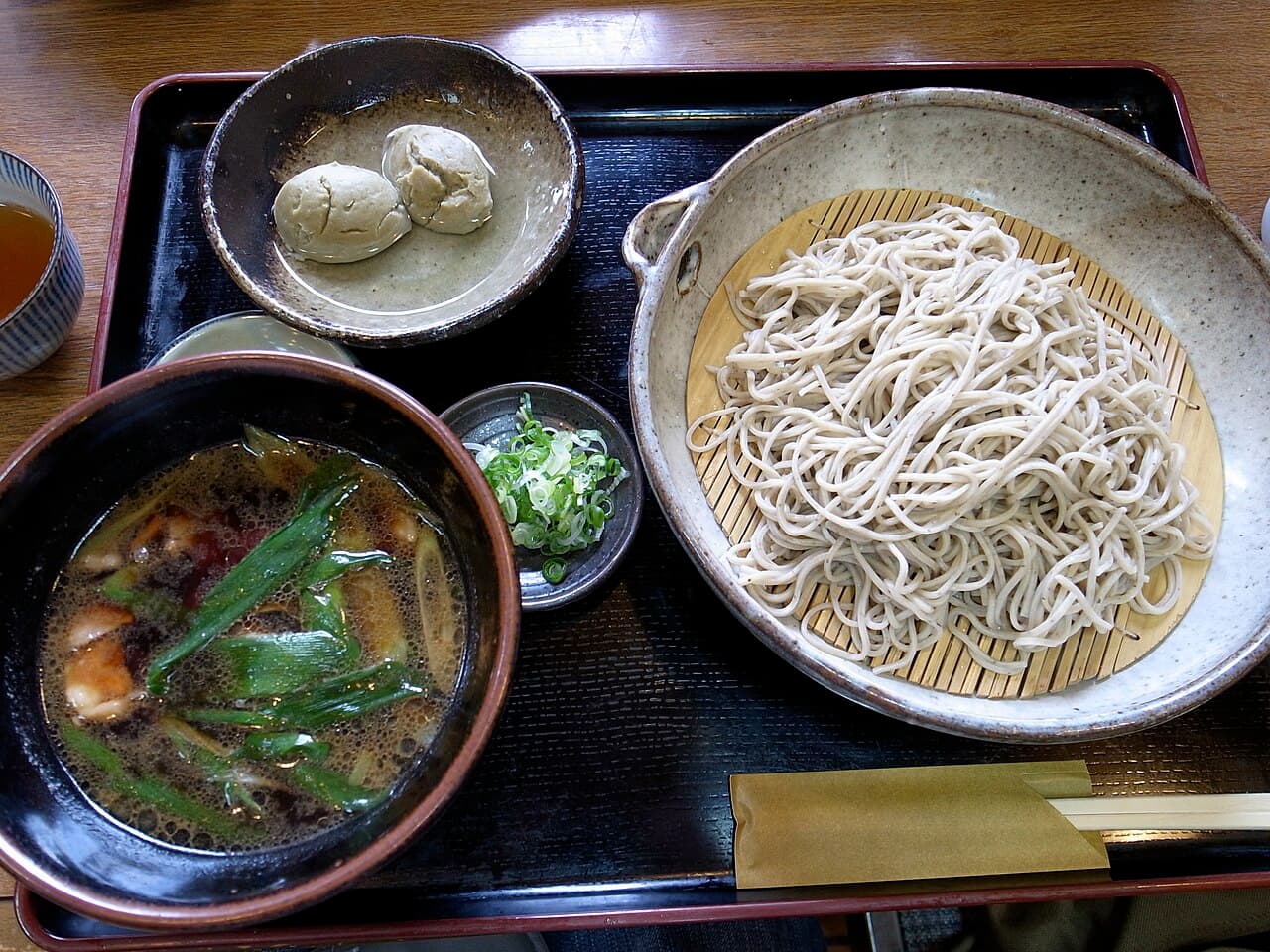
Tamawarai is a fourteen-seat soba counter tucked into a quiet Harajuku backstreet, where the chef grows part of his own buckwheat and mills the rest -- sourced from farmers in Ibaraki -- on a stone mill each morning. The noodles are true juwari: 100% buckwheat, with no wheat flour worked in as a binder, which is rarer than the "handmade soba" signage around Tokyo suggests and the reason this kitchen holds up unusually well for gluten-conscious travelers. Cut coarse, the noodles carry a rustic, almost nutty snap, and regulars order them two ways in one sitting -- cold on a bamboo tray to taste the buckwheat plain, then hot, finished by pouring the leftover dipping sauce back over a raw egg for a custardy last course.
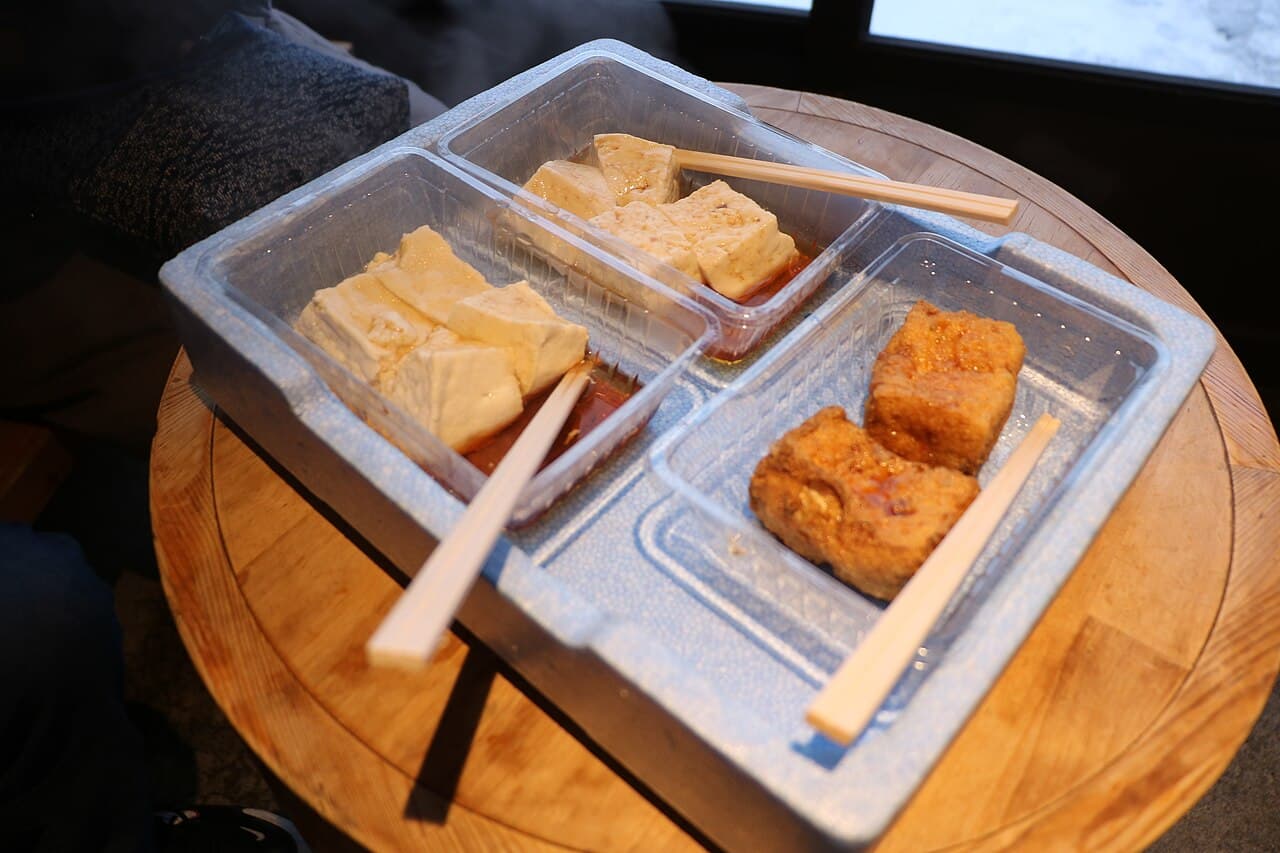
The kitchen earns its Michelin star on more than the noodles: sobagaki, a dense buckwheat dumpling best eaten while still warm, herring simmered slowly over several days until it turns almost jammy, and simple sides like Saikyo-miso-grilled shrimp and in-house tofu round out what is really a short tasting course rather than a quick noodle stop. The room itself is minimal and wood-toned, more private dining room than restaurant, and the fourteen counter seats fill fast.
A few things worth knowing before you go: Tamawarai is cash only -- no cards, no e-money, no QR codes -- and dinner runs as a reservation-only prix fixe (roughly ¥10,000-15,000), while lunch is cheaper and a la carte but doesn't take same-day weekend bookings, so arrive early or expect a short queue. It's closed Monday, Tuesday, and Sunday. On dietary accuracy: the true 100%-buckwheat noodles make this a genuinely stronger gluten-conscious choice than most soba-ya, but the kitchen isn't a certified gluten-free facility, and the dipping sauce follows the traditional dashi route -- usually bonito-based -- so vegetarians should confirm when they call to reserve.
✓ Last verified Jul 2026
Hours and details can change — please confirm before you visit.
A perpetually-queued Tabelog Top-100 udon shop near Shinjuku where every bowl of springy noodles is cut and boiled to order — try the cult carbonara udon.
The towering wooden-beamed izakaya that inspired Kill Bill's House of Blue Leaves, where lantern light conjures an Edo-era warehouse over plates of fresh soba and charcoal skewers.
★ Mori soba (cold buckwheat noodles) and tempura soba
Founded in 1884 and housed in a Tokyo-designated historic wooden building, this Kanda institution serves hand-cut soba in a bustling, time-worn dining hall.
★ Gluten-free vegan lasagna and CBD-infused vegan sweets and drinks
An English-friendly, 100% vegan cafe in the basement of Shinjuku Marui Honkan from CBD/vegan pioneer HealthyTOKYO — paninis, quiche, gluten-free lasagna and CBD-infused sweets, all free of meat, fish, egg and dairy. Easy for foreign visitors.
★ Chilled seiro soba with a robust, strongly seasoned Edo dipping broth
A buckwheat institution founded in 1880 and regarded as the head house of Edo's 'Yabu' soba lineage, known for fragrant chilled seiro and a strongly seasoned dipping broth. The current wooden building reopened in 2014 on the same Awajicho site after a fire.
★ Organic macrobiotic cooking incl. vegan sushi of vinegared brown rice and seasonal vegetables
One of Tokyo's oldest natural-food restaurants, open in Harajuku since 1976, serving organic, additive-free cooking with strong vegan and macrobiotic options. It is well used to foreign diners and offers an English menu.
A 100% vegan restaurant near Omotesando Station serving Mediterranean-influenced plant-based dishes and desserts across breakfast, lunch and dinner, from the team behind the former Pure Cafe.
★ Seasonal brown-rice set (ichiju-sansai) and steamed vegetables
An organic, plant-centered Japanese canteen by Neal's Yard Remedies near Omotesando Station, open since 2003. It serves seasonal brown-rice set meals (ichiju-sansai) and steamed vegetable plates.