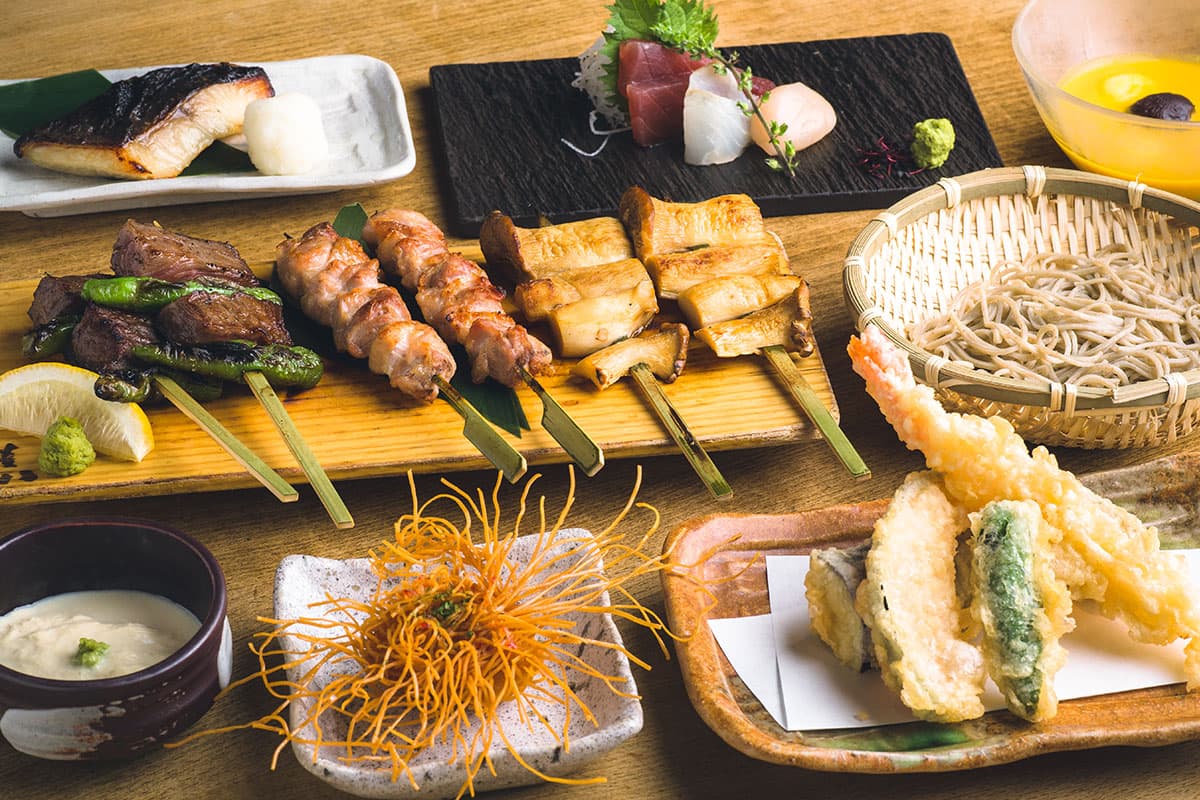
A buckwheat institution founded in 1880 and regarded as the head house of Edo's 'Yabu' soba lineage, known for fragrant chilled seiro and a strongly seasoned dipping broth. The current wooden building reopened in 2014 on the same Awajicho site after a fire.
Can I eat here?
We haven’t confirmed specific diets here yet — use the phrasebook to show staff what you can and can’t eat.
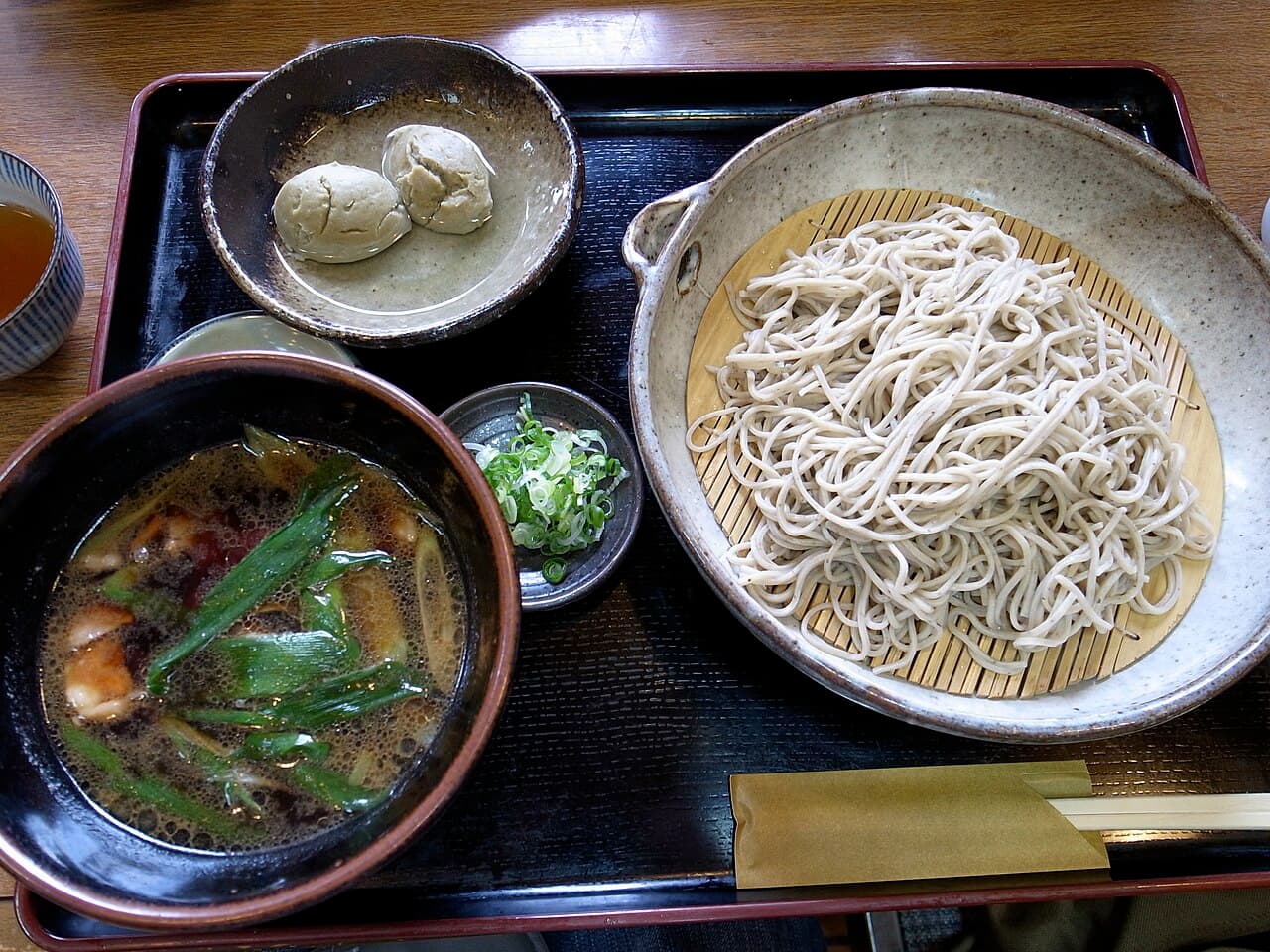
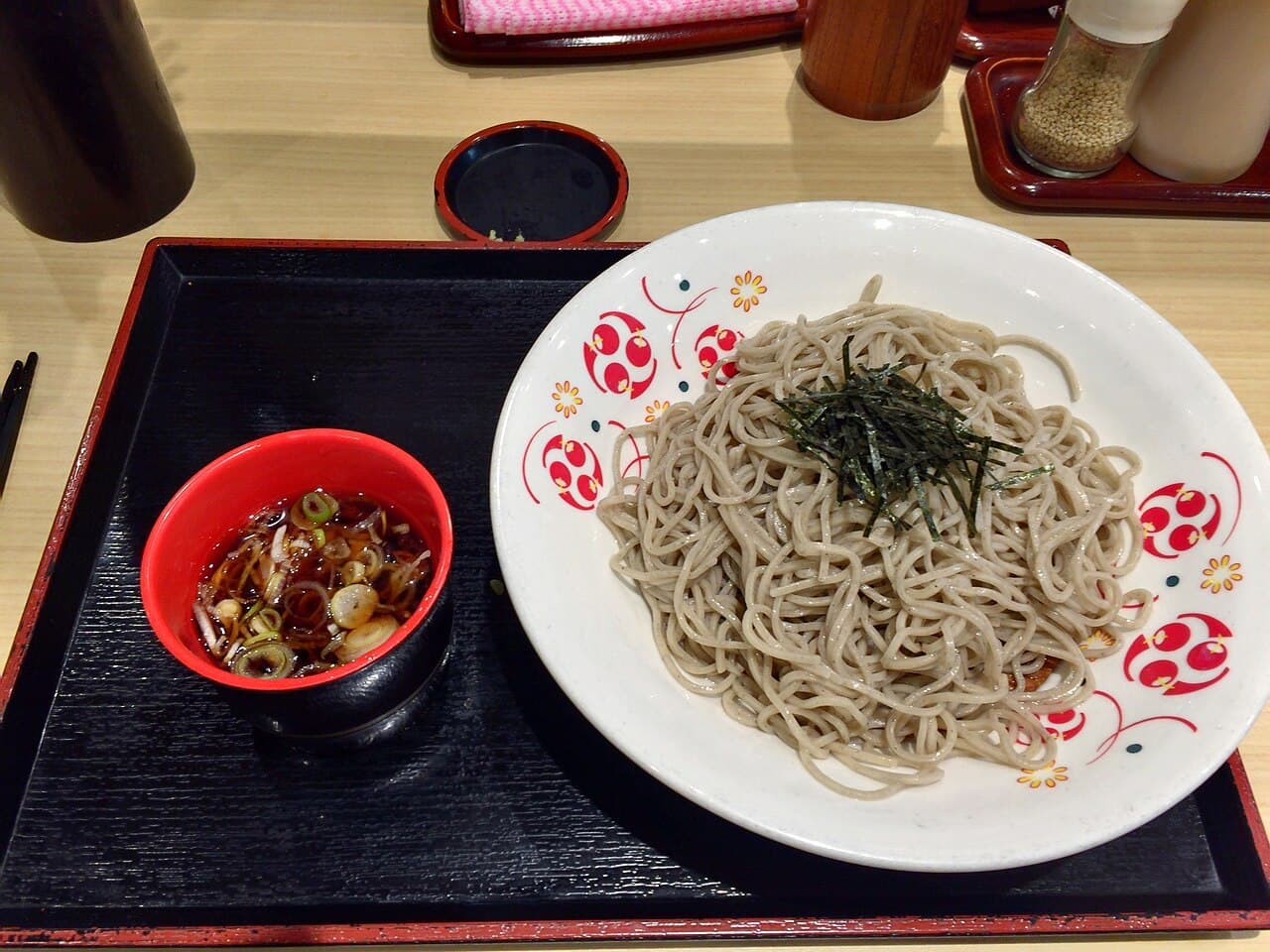
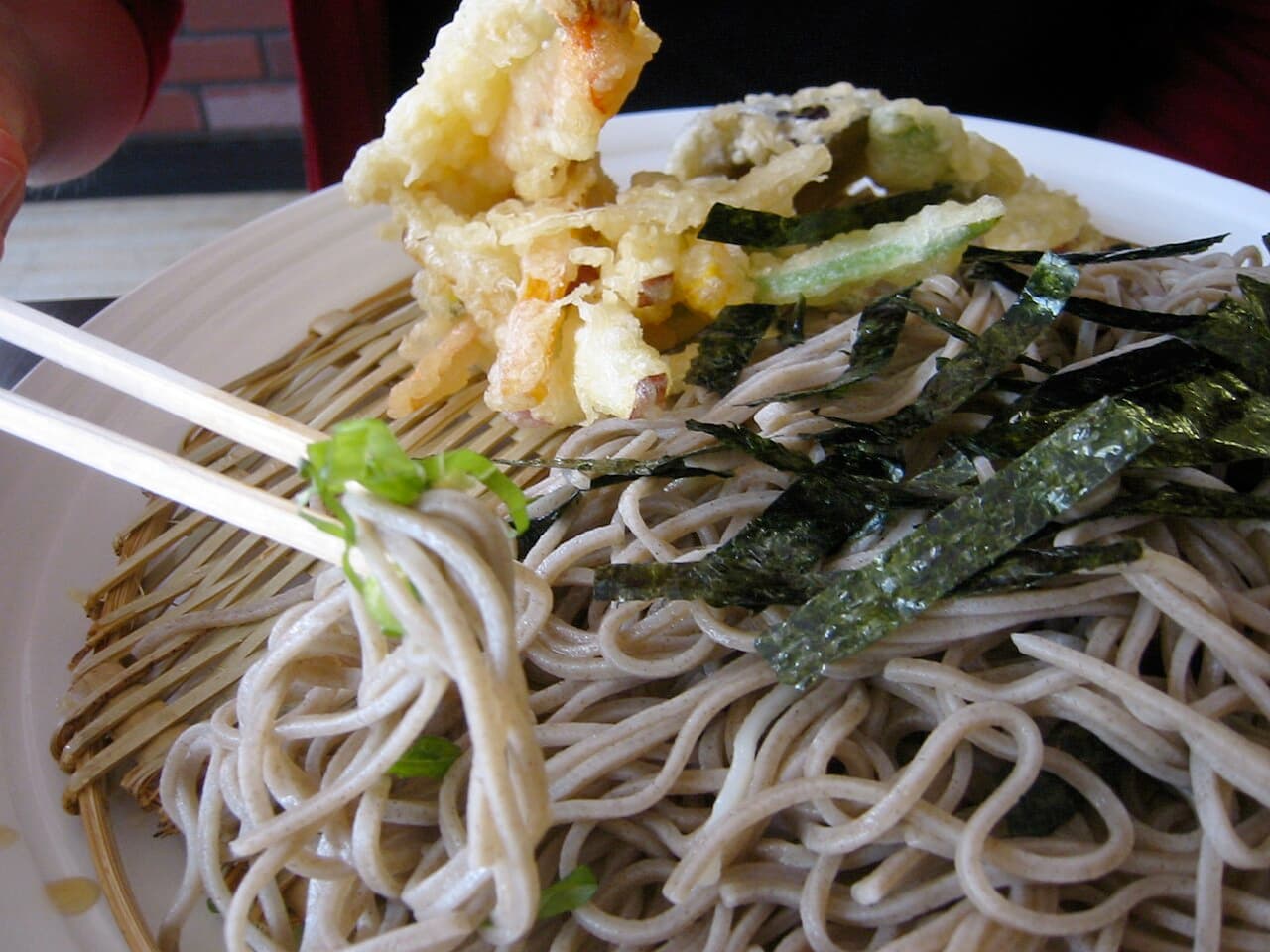
Chilled seiro soba with a robust, strongly seasoned Edo dipping broth
Kanda Yabu Soba is the head house of Tokyo's Yabu soba lineage, serving buckwheat noodles from a wooden dining hall in Awajicho since 1880.
The signature order is chilled seiro soba, dipped in a broth that leans saltier and more concentrated than most modern shops dare — an old Edo habit, meant to be sipped only at the very end. Regulars also come for kamo-nanban, thin duck slices simmered into a broth poured hot over the noodles, rich in a way the seiro isn't. What sets a meal here apart from the noodles themselves is the sound: waitstaff in traditional dress still call out orders to the kitchen in a chanted, warbling sing-song, a service style that survived the restaurant's rebuilding and that regulars specifically return to hear. The current building isn't the original — a fire gutted the shop in February 2013, and the version standing today, on the same Awajicho plot, reopened in October 2014, seating roughly 97 across a ground floor of tables and a second floor of private tatami rooms reached by elevator.
A few things worth knowing before going: there's no English menu, so a translation app or a photo of the picture menu helps; reservations are accepted for the ground floor only, up to eight seats an hour, booked by the day before, while the upstairs rooms and any remaining ground-floor tables are walk-in; and the kitchen is upfront that vegan, vegetarian, and gluten-free requests can't be accommodated, since the dashi and noodle blend run through everything on the menu. Go hungry, go early on weekends, and listen for the singing.
✓ Last verified Jul 2026
Hours and details can change — please confirm before you visit.
A Michelin-starred soba sanctuary where the chef grows and hand-mills his own Ibaraki buckwheat into pure 100% juwari noodles — the closest a coeliac traveller comes to trustworthy Tokyo soba.
The towering wooden-beamed izakaya that inspired Kill Bill's House of Blue Leaves, where lantern light conjures an Edo-era warehouse over plates of fresh soba and charcoal skewers.
★ Vegan tempura soba and zaru soba with a plant-based broth
A small standing-style soba shop in Shimokitazawa (opened 2024) serving ni-hachi soba with a fully plant-based kombu broth and toppings, so there is no bonito or fish dashi. The noodles are ni-hachi (80% buckwheat, 20% wheat), so it is vegan but not gluten-free; it is daytime-only and closed early in the week, so check hours before visiting.
★ A layered clam-and-porcini shio soba blending Japanese dashi with truffle and European aromatics
Famed for its clam-and-truffle shio soba, this Shinjuku Gyoen shop held a Michelin one star in 2022-2023 and currently carries a Michelin Bib Gourmand; it runs a numbered-ticket system, so arrive early.
★ A clear, consomme-style chuka soba built without added tare, from a French-trained chef's poultry-and-seafood broth
A tiny counter from a French-trained chef whose elegant, tare-free chuka soba held a Michelin star in 2022-2023 and now carries a Michelin Bib Gourmand; also a fixture on Tabelog's Tokyo Ramen Top 100. Expect a queue.
★ Mori soba (cold buckwheat noodles) and tempura soba
Founded in 1884 and housed in a Tokyo-designated historic wooden building, this Kanda institution serves hand-cut soba in a bustling, time-worn dining hall.