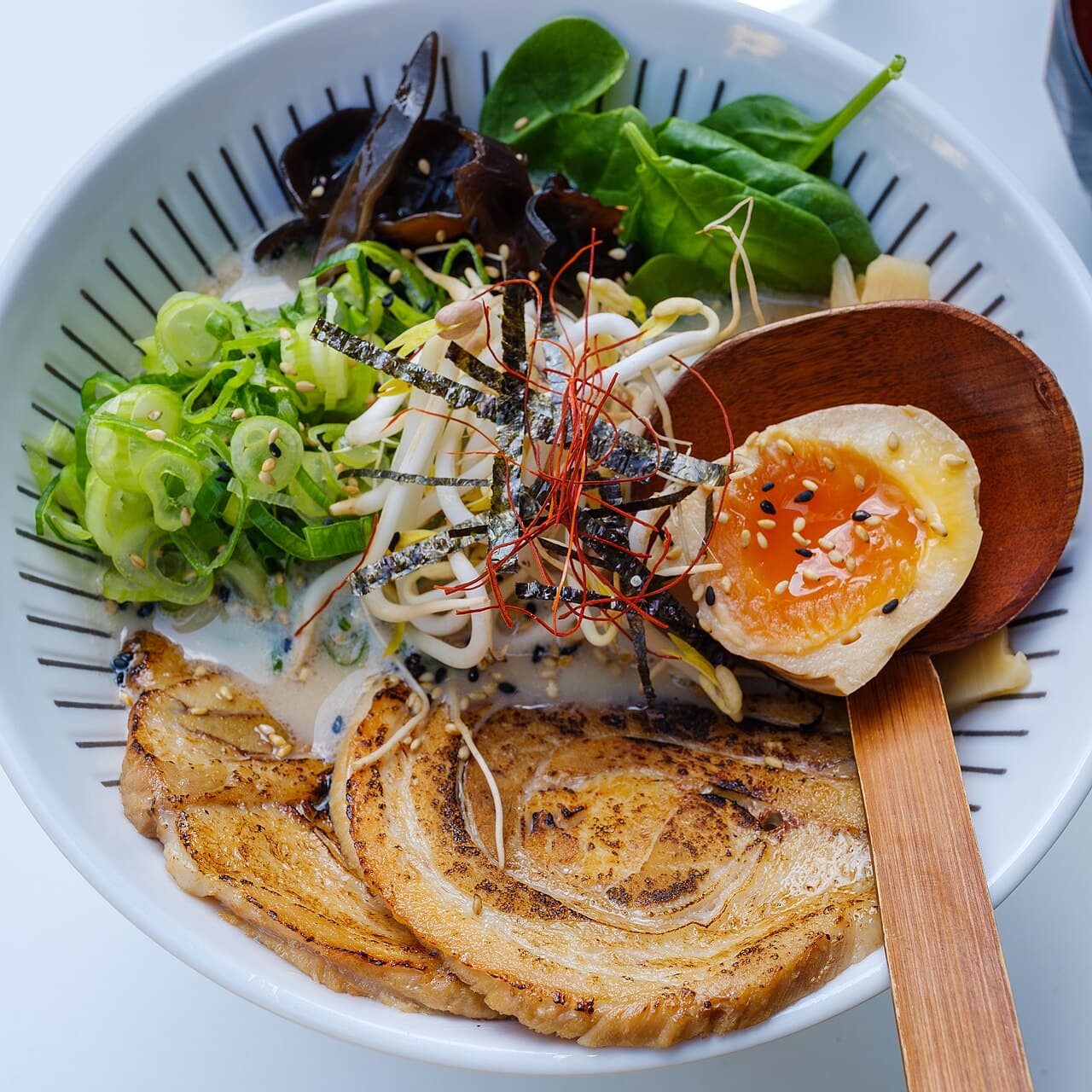
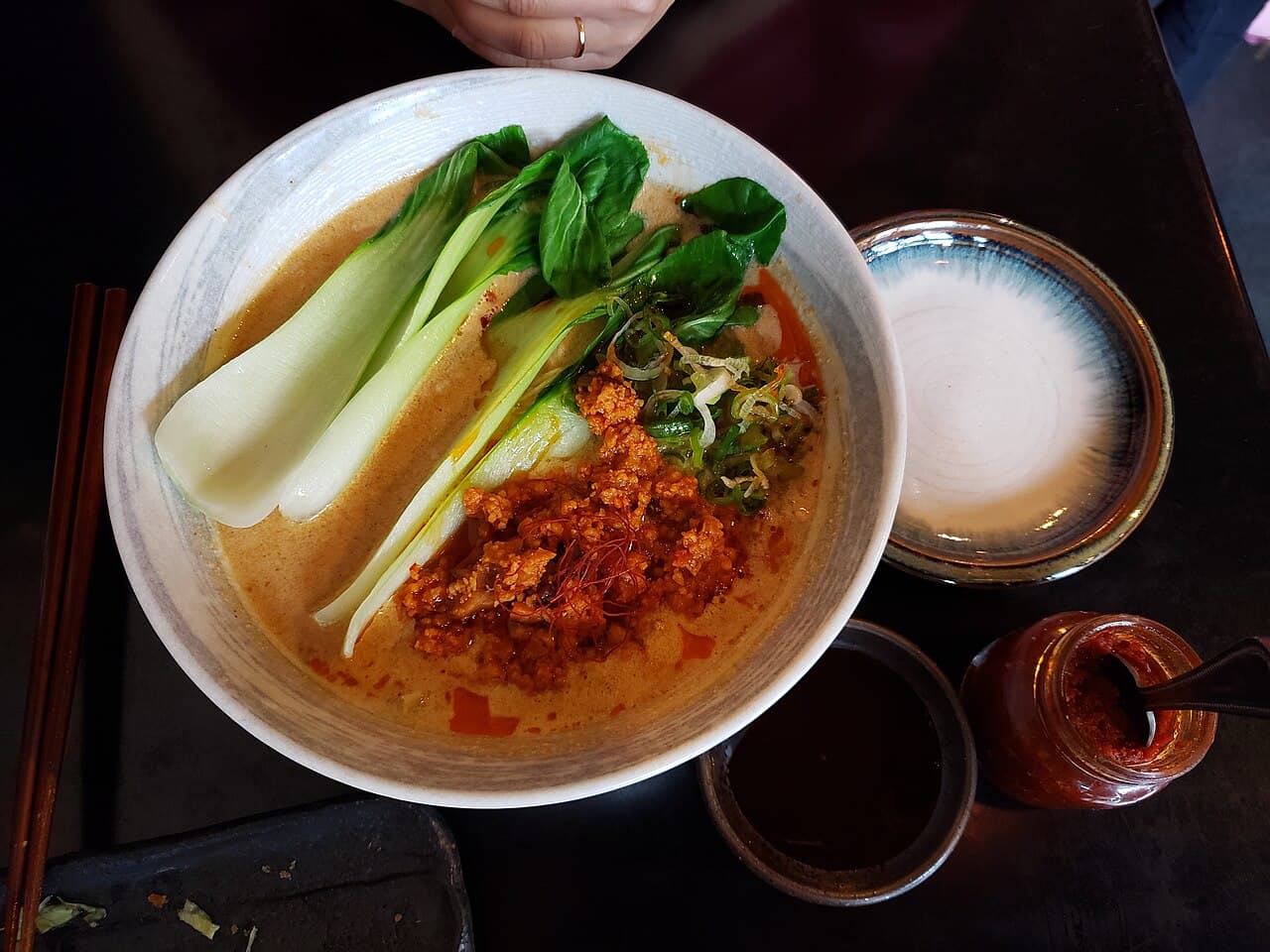
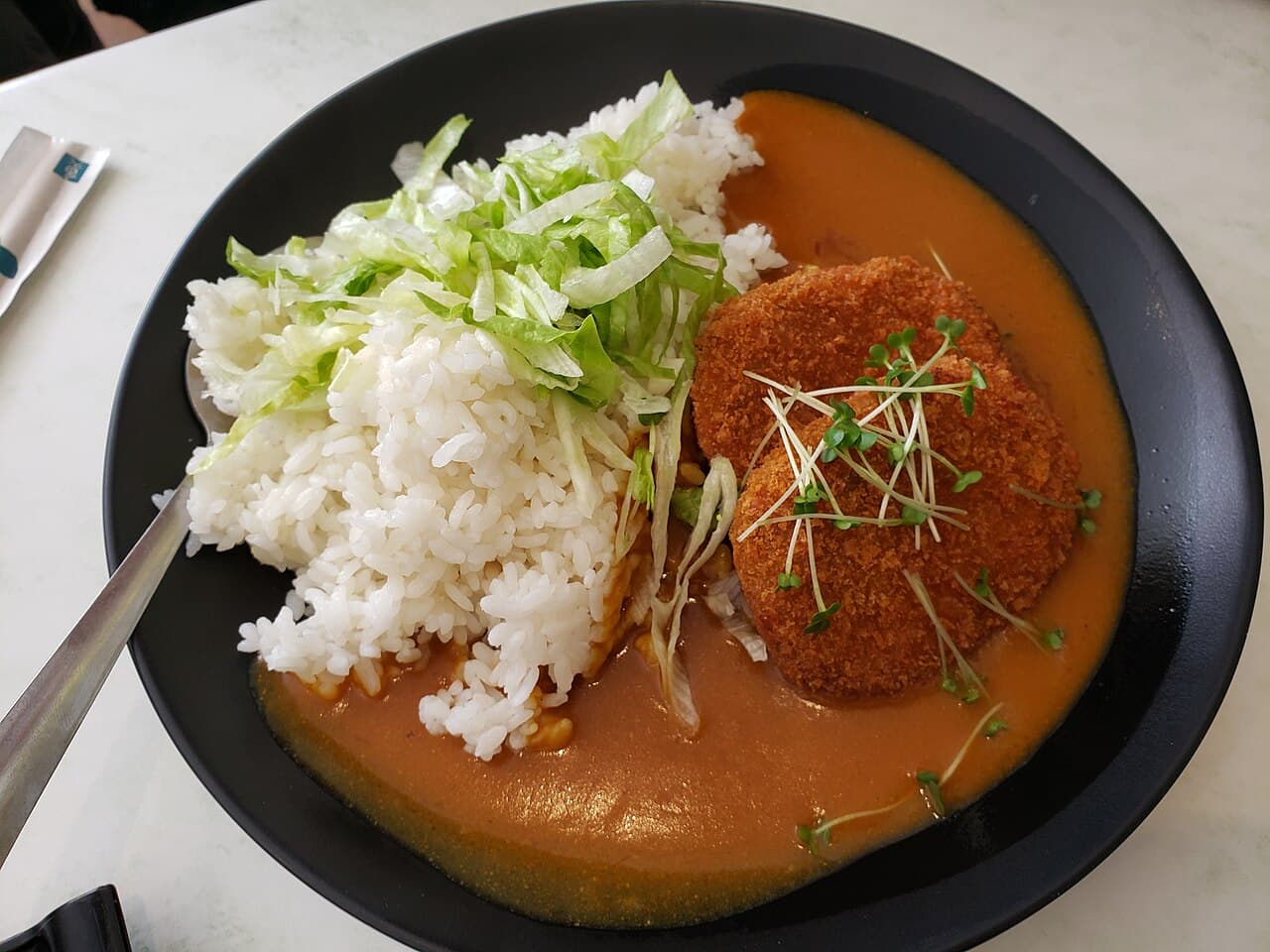
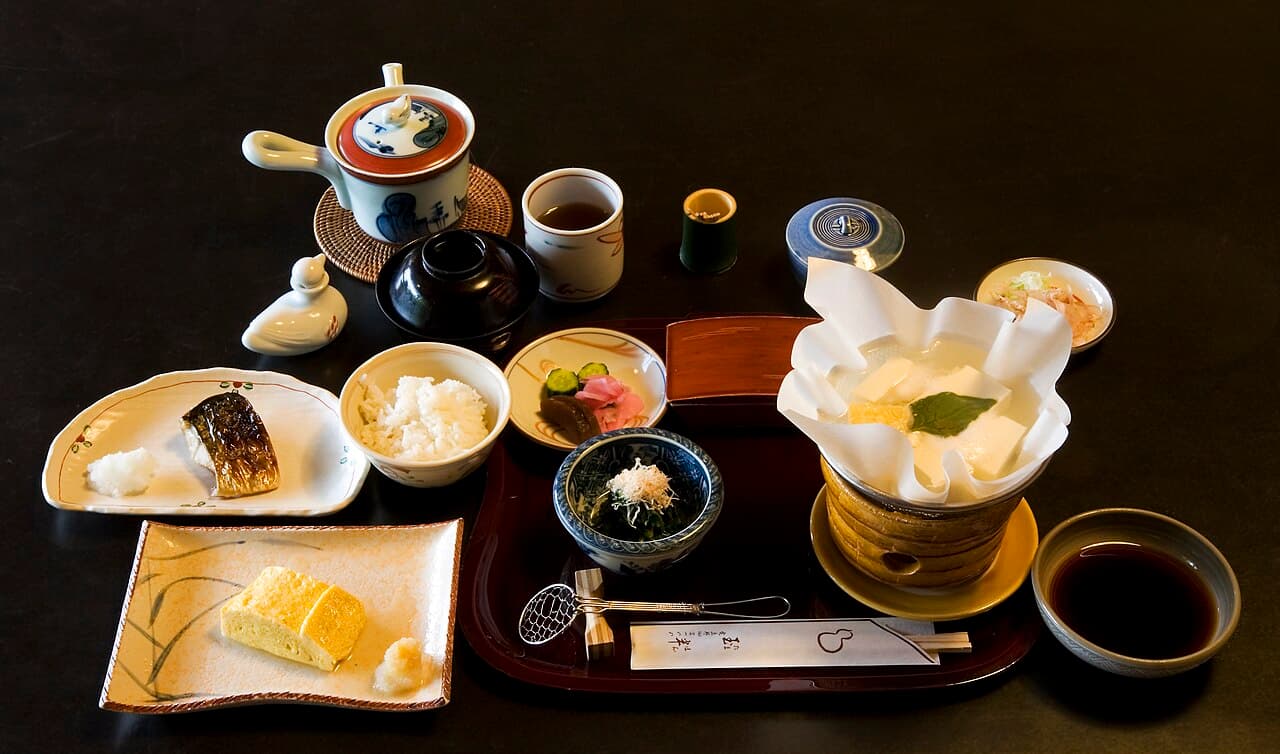
A tiny counter from a French-trained chef whose elegant, tare-free chuka soba held a Michelin star in 2022-2023 and now carries a Michelin Bib Gourmand; also a fixture on Tabelog's Tokyo Ramen Top 100. Expect a queue.
Can I eat here?
We haven’t confirmed specific diets here yet — use the phrasebook to show staff what you can and can’t eat.
A clear, consomme-style chuka soba built without added tare, from a French-trained chef's poultry-and-seafood broth
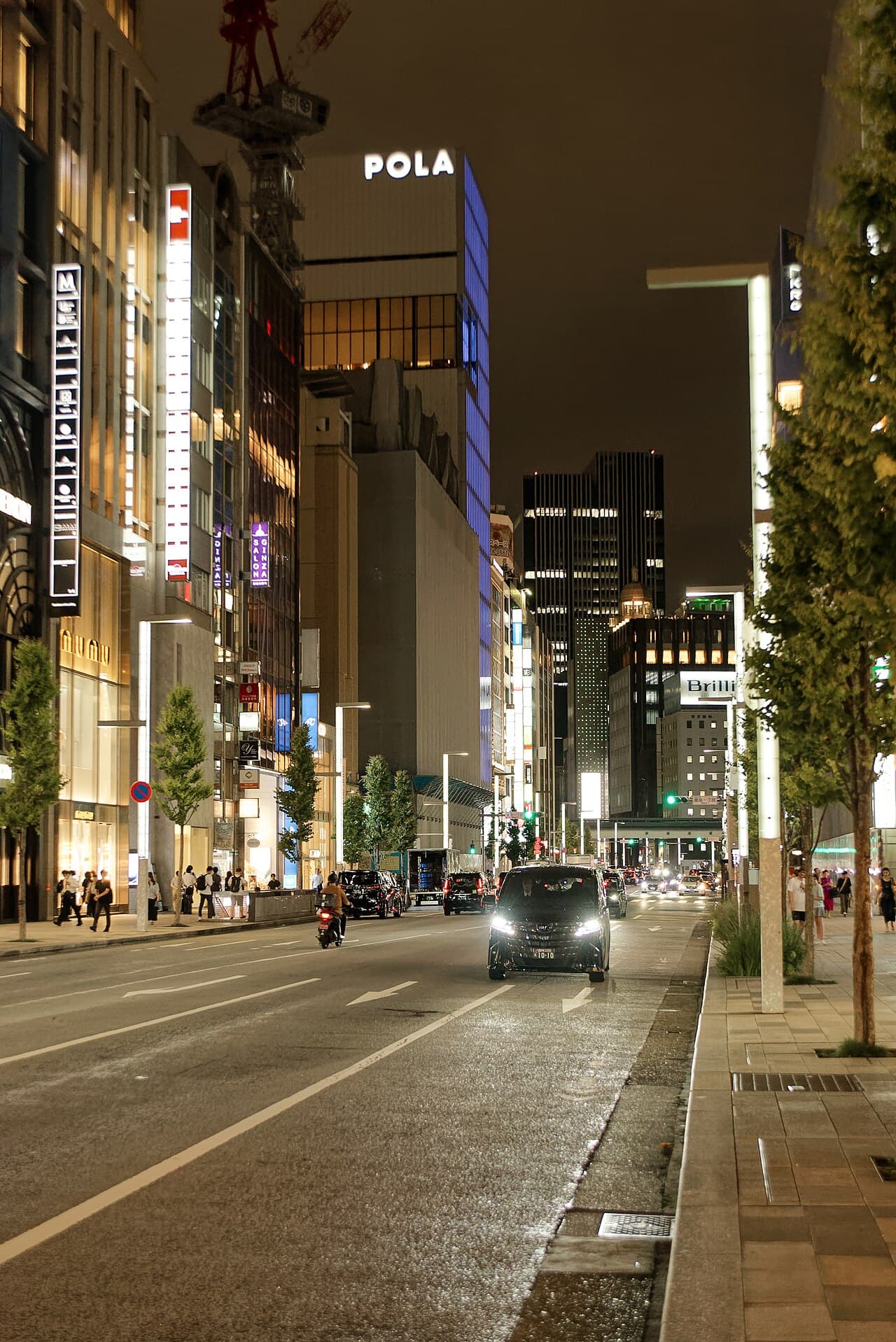
Chukasoba Ginza Hachigo is a six-seat counter tucked down a Ginza side street, three minutes from Shintomicho Station, where a chef who spent 36 years in French kitchens — including a stint as executive chef at the ANA hotel in Kyoto — now pours that training into a single bowl of ramen.
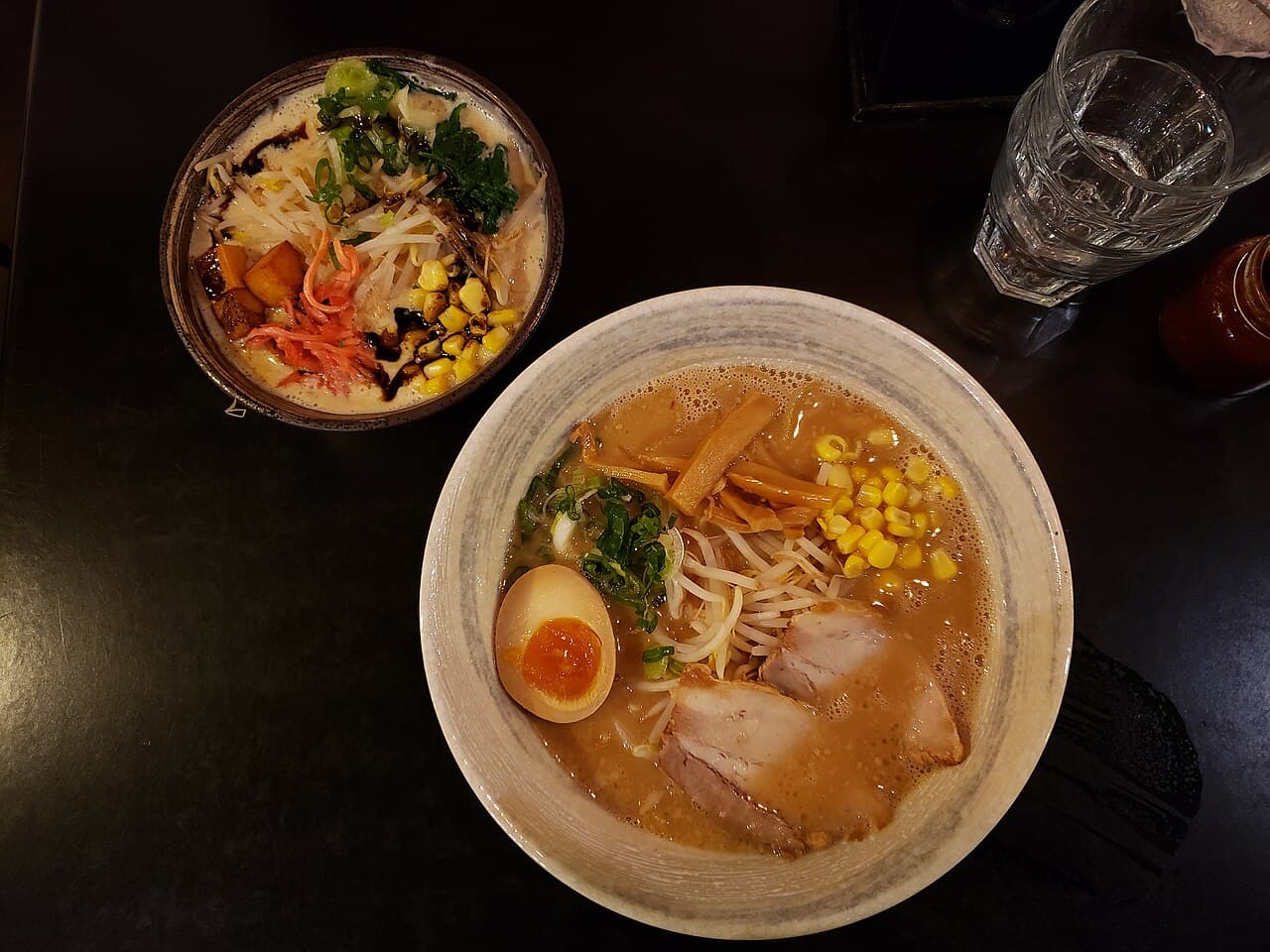
The signature chuka soba skips tare entirely. The broth is built from duck and chicken, rounded out with scallop and shiitake, then finished with prosciutto instead of a traditional seasoning base — the cured ham does the salting, leaving a broth that comes out golden, transparent, and closer to a French consomme than a typical Tokyo ramen. Even the noodles are bespoke: a thin style developed specifically for this broth by Asakusa Kaikaro, one of the city's most respected noodle makers. The technique sounds fussy on paper; in the bowl it just tastes clean and unusually precise — precise enough to hold a Michelin star in 2022 and 2023, and to keep the shop in the Bib Gourmand for seven straight years through the 2026 guide, alongside a standing spot on Tabelog's Tokyo Ramen Top 100.
It's a small room built for watching the chef work rather than lingering over conversation: six stools, one counter, and no seating for children under elementary-school age.
Practically, walk-ins are taken from opening until the broth sells out, but reserved seats are prioritized from noon onward. Reservations run through TableCheck only (there's an English booking page), with the following week's slots released every Saturday at 9am, and carry a ¥500 seating fee. The shop closes Mondays and some Tuesdays, so check its social media before making the trip — and come prepared to queue either way.
✓ Last verified Jun 2026
Hours and details can change — please confirm before you visit.
A tiny tatami-floored diner on the Shimokitazawa backstreets where every bowl of rich, medicinal-herb ramen is 100% plant-based and built on sprouted brown rice.
A Sri Lankan-Muslim owner's wholly halal-certified ramen shop where collagen-rich chicken broth meets a fiery soy-sauce kick, steps from Assalaam Mosque.
A Michelin-starred soba sanctuary where the chef grows and hand-mills his own Ibaraki buckwheat into pure 100% juwari noodles — the closest a coeliac traveller comes to trustworthy Tokyo soba.
The towering wooden-beamed izakaya that inspired Kill Bill's House of Blue Leaves, where lantern light conjures an Edo-era warehouse over plates of fresh soba and charcoal skewers.
A reservation-only Ginza counter where an entirely gluten-free kushiage omakase is fried in rice oil with rice-flour breadcrumbs — a rare safe haven for coeliacs.
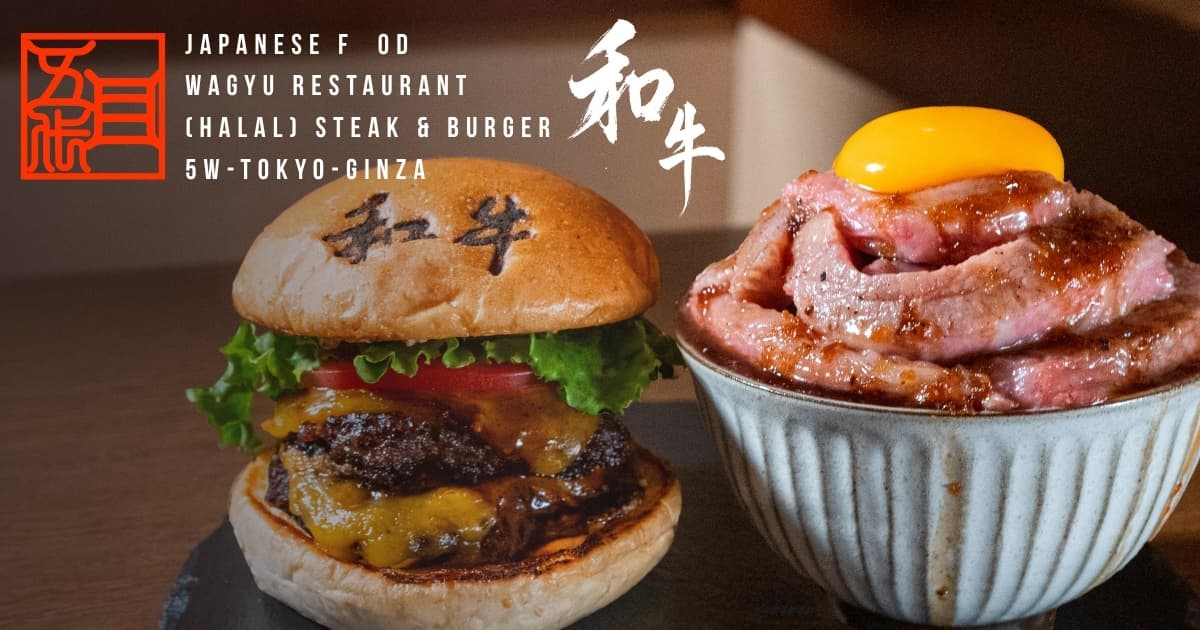
A fifth-generation wagyu family's alcohol-free basement grill in Ginza serving 100% halal-certified Japanese wagyu steaks and burgers, so every traveller can taste real wagyu. (The halal kitchen is the basement venue.)
The 1947 Ginza institution that invented katsu curry itself, plating a crisp pork cutlet over rich Western-style curry at the very spot where the dish was born.