One of Tokyo's oldest natural-food restaurants, open in Harajuku since 1976, serving organic, additive-free cooking with strong vegan and macrobiotic options. It is well used to foreign diners and offers an English menu.
Can I eat here?
✓ Diets our editors confirmed in person· English menu / support
🥬
Show this to staff
Vegetarian
私はベジタリアンで、肉と魚は食べません。
Watashi wa bejitarian de, niku to sakana wa tabemasen.
I'm vegetarian — I don't eat meat or fish.
この料理に肉や魚のだしは入っていますか?Does this dish contain meat or fish stock?
Organic macrobiotic cooking incl. vegan sushi of vinegared brown rice and seasonal vegetables
Mominoki House has been quietly outlasting Harajuku's fashion cycles since 1976, when it opened as one of Japan's first organic-food restaurants -- long before "macrobiotic" and "plant-based" were words anyone in Tokyo used. The room still carries that origin: a tree-house-like interior of wood and greenery, jazz on the stereo, and a pace that feels deliberately unhurried for a neighborhood built on quick turnover.
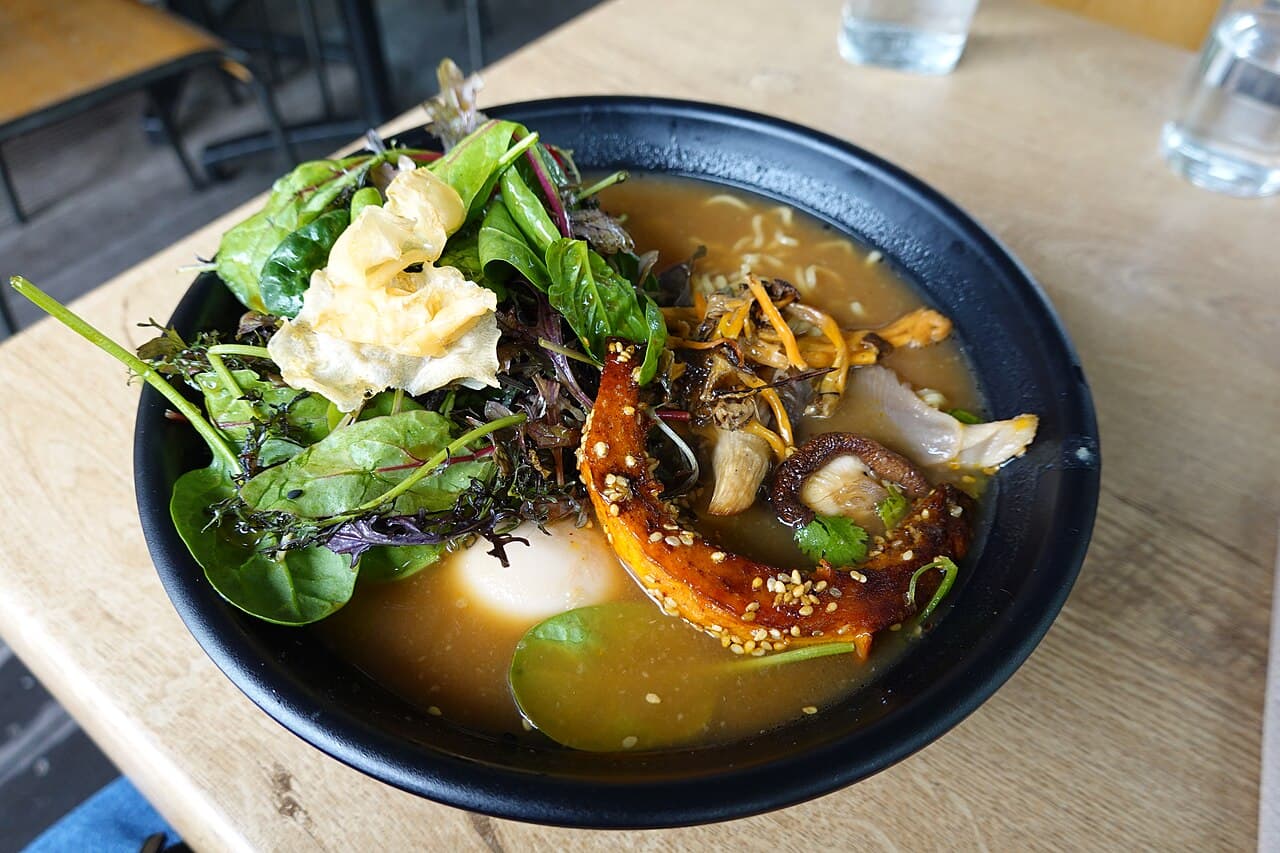
The kitchen sources organic vegetables from growers in Yamagata and Toyama and treats brown rice as a genuine centerpiece rather than a side. The vegan sushi platter is the dish regulars mention first -- rolls built on brown rice with beet, pickled shallot, and seasonal vegetables standing in for fish -- alongside tofu steak in ginger sauce and rotating vegetable-plate sets. It's worth knowing going in that Mominoki House is macrobiotic rather than strictly vegetarian: chicken and other non-plant dishes remain on the menu, so vegan and vegetarian diners should scan the English menu (or ask staff, who are used to the question) rather than assume every dish qualifies. Miso soup and several other bases skip bonito dashi in favor of a vegetable stock, which is a genuine point in the restaurant's favor for anyone avoiding fish broth -- though as with any mixed menu, confirm dish by dish if you're strict.
Practically: it's a short walk from Meiji-Jingumae Station (closer than Harajuku Station proper), credit cards and e-money are accepted so there's no cash scramble, and dinner -- priced noticeably higher than the reasonable lunch sets -- is worth booking ahead by phone or Tabelog if you want a table on a weekend evening. Closed Mondays.
✓ Last verified Jul 2026
Hours and details can change — please confirm before you visit.
A tiny tatami-floored diner on the Shimokitazawa backstreets where every bowl of rich, medicinal-herb ramen is 100% plant-based and built on sprouted brown rice.
A farm-to-table cellar by Meguro Station serving pesticide-free kale and seasonal vegetables — grown on their own Chiba farm — with a genuine gluten-free menu.
★ Gluten-free crust California pizza (vegan cheese option)
A Roppongi institution since 1996 where homesick Americans and coeliac travellers alike crowd the bar for craft beer and proper gluten-free crust pizza topped with vegan cheese.
★ 'Eel' sushi and namasu crafted entirely from tofu and burdock
A reservation-only tatami refuge where a chef who trained 25 years at Takayama's Kakusho turns the seasons into meat-free trompe-l'oeil — tofu that tastes like eel, burdock that becomes sushi.
A Michelin-starred soba sanctuary where the chef grows and hand-mills his own Ibaraki buckwheat into pure 100% juwari noodles — the closest a coeliac traveller comes to trustworthy Tokyo soba.
A 100% vegan restaurant near Omotesando Station serving Mediterranean-influenced plant-based dishes and desserts across breakfast, lunch and dinner, from the team behind the former Pure Cafe.
★ Seasonal brown-rice set (ichiju-sansai) and steamed vegetables
An organic, plant-centered Japanese canteen by Neal's Yard Remedies near Omotesando Station, open since 2003. It serves seasonal brown-rice set meals (ichiju-sansai) and steamed vegetable plates.