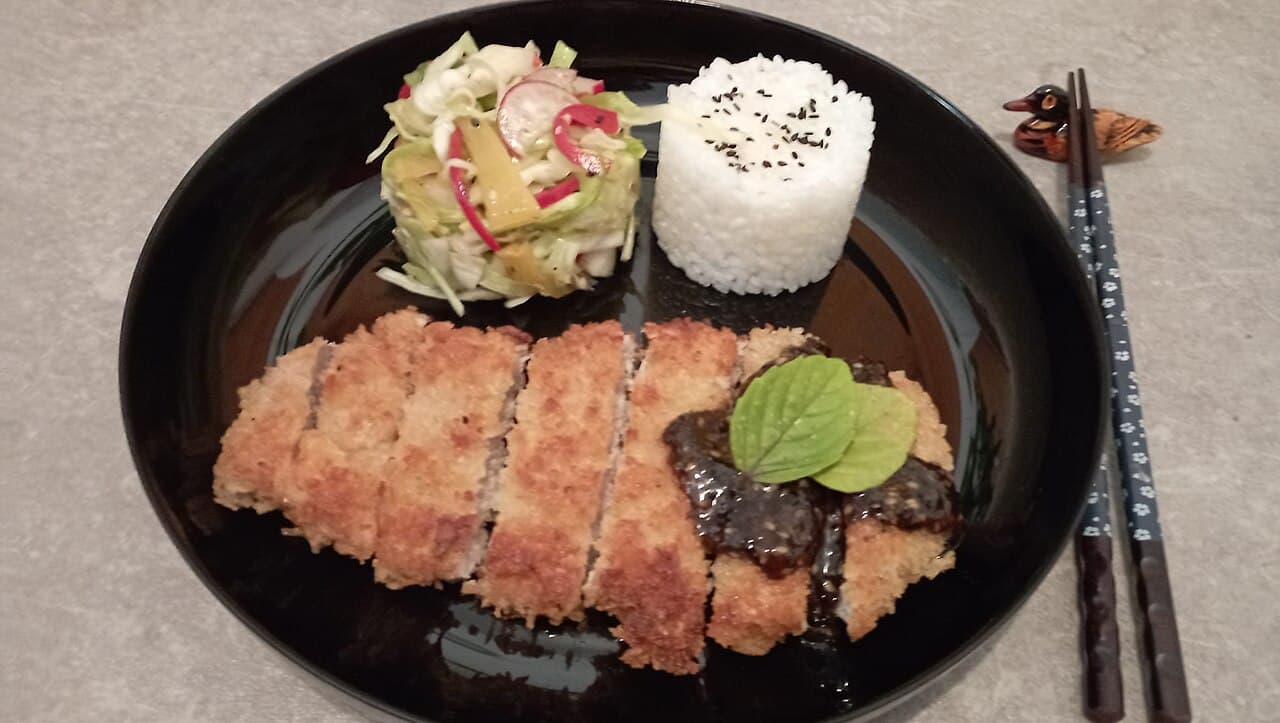
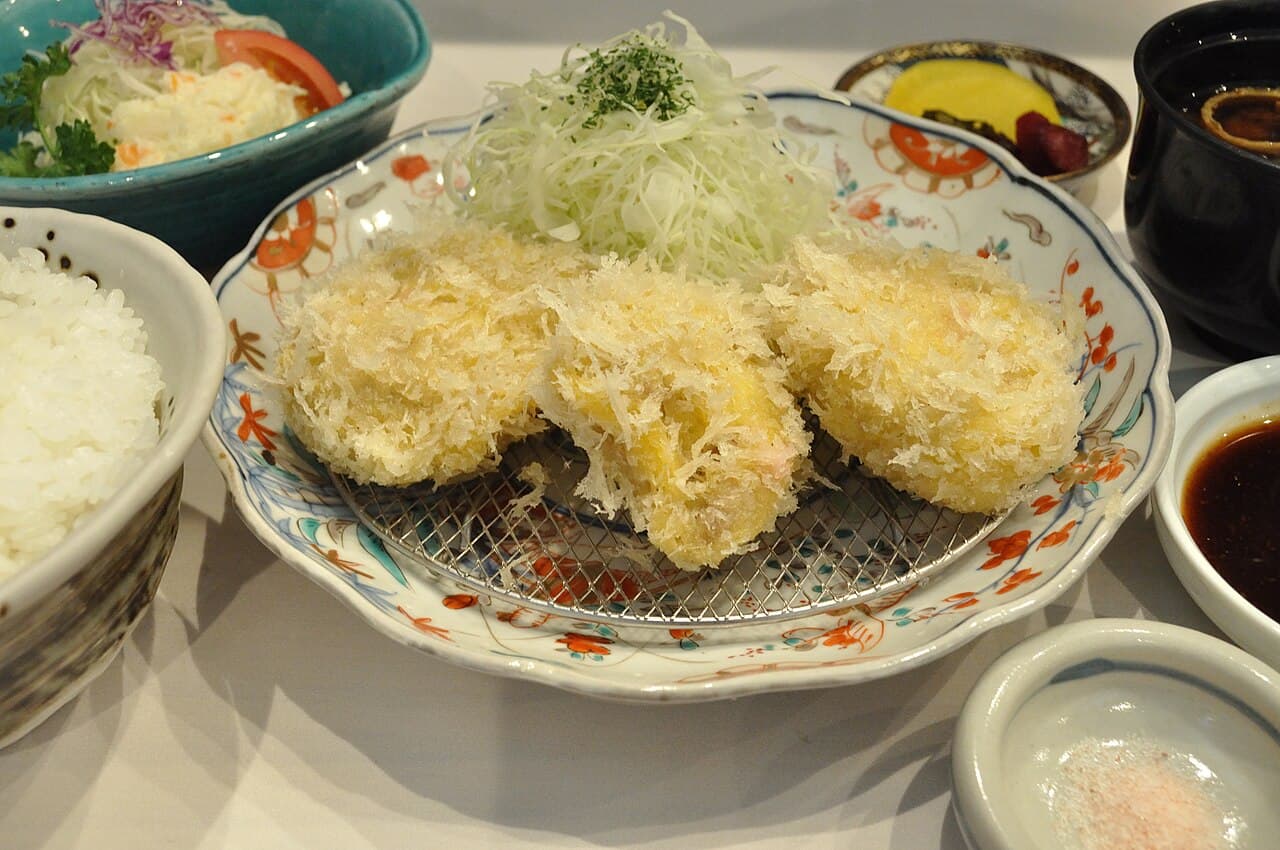
Chopstick-tender kurobuta fillet katsu & the famous katsu sandwich
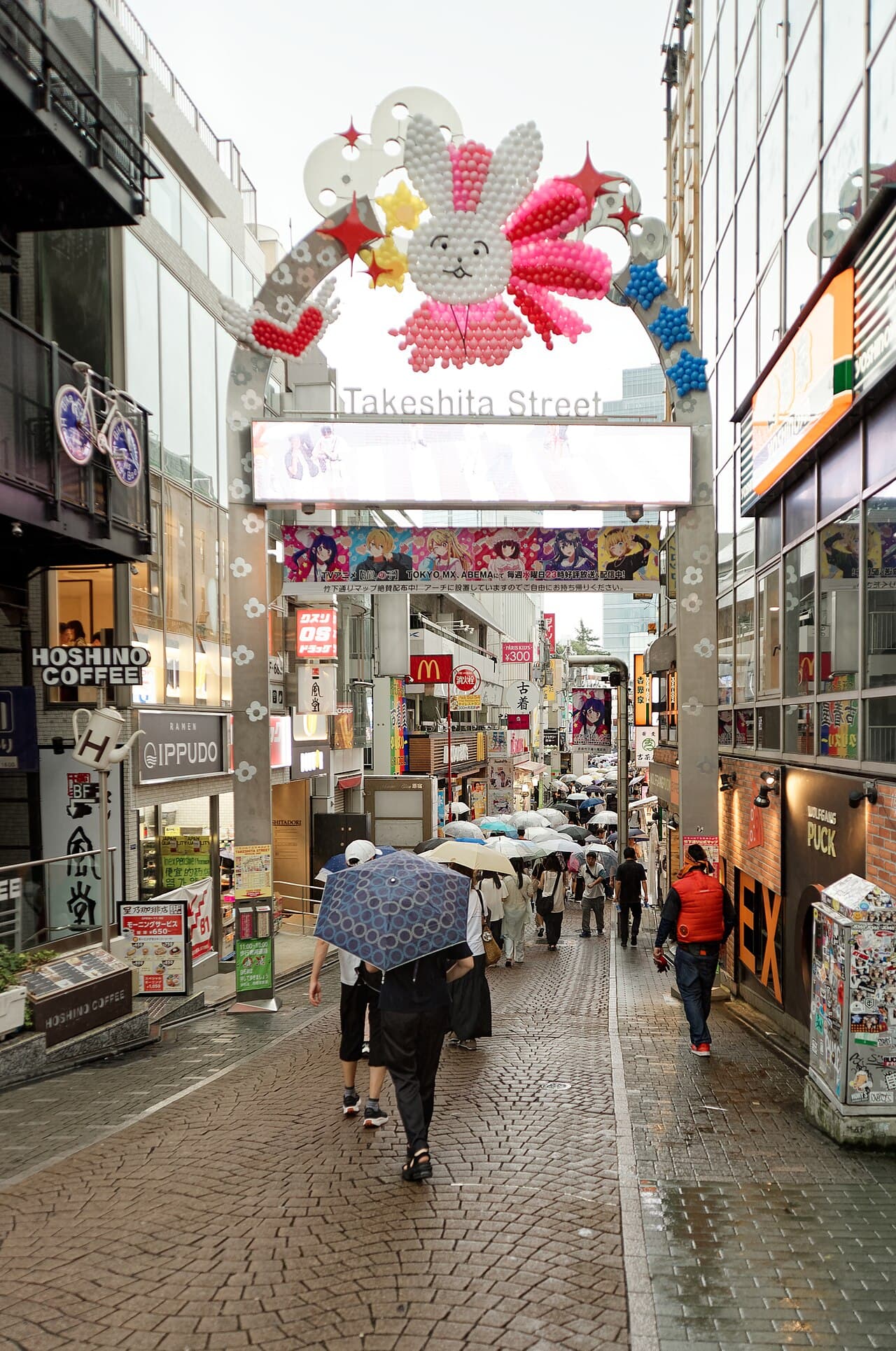
Maisen was founded in 1965 in a department-store basement in Yurakucho; its Aoyama honten, a few backstreets off Omotesando, took over a neighborhood sentō next door in 1983 and has served tonkatsu from the converted bathhouse ever since. The dining room keeps the bathhouse's bones intact — soaring ceilings, tiled walls, heavy Showa-era beams, and, at the entrance, the original doorways that once led separately to the men's and women's baths. Tatami seating upstairs suits families and groups; downstairs, tables and Eames-style chairs give the room a retro-modern warmth that has little to do with Omotesando's usual polish outside.
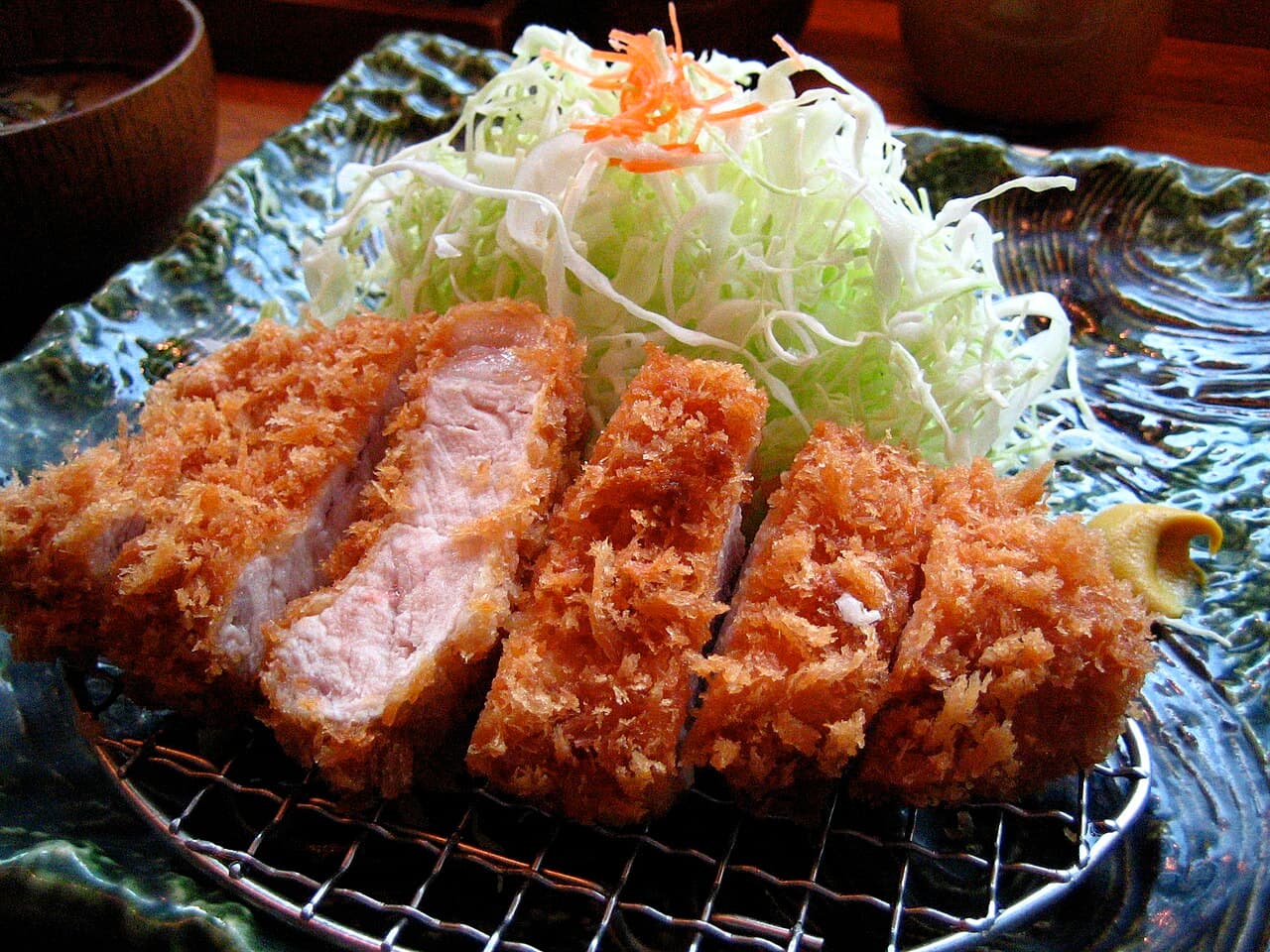
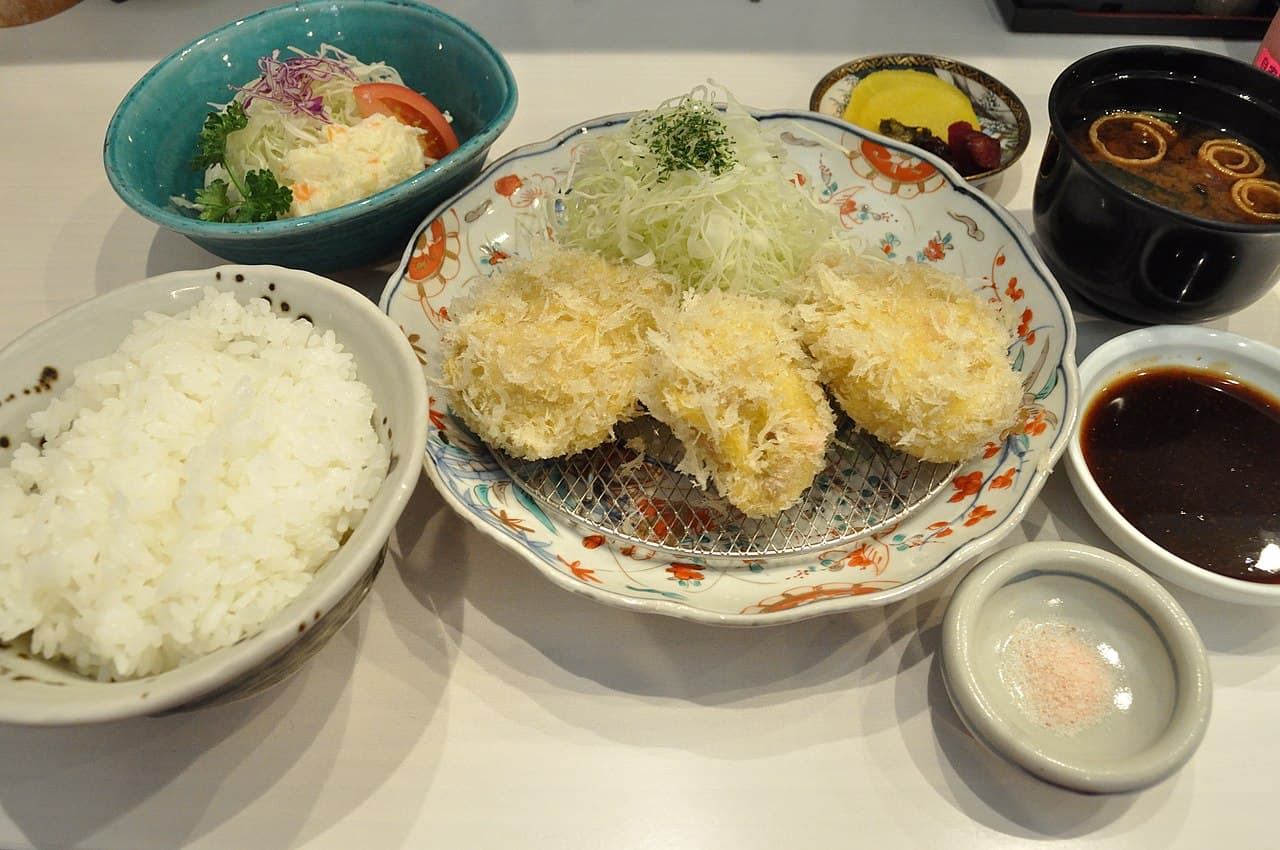
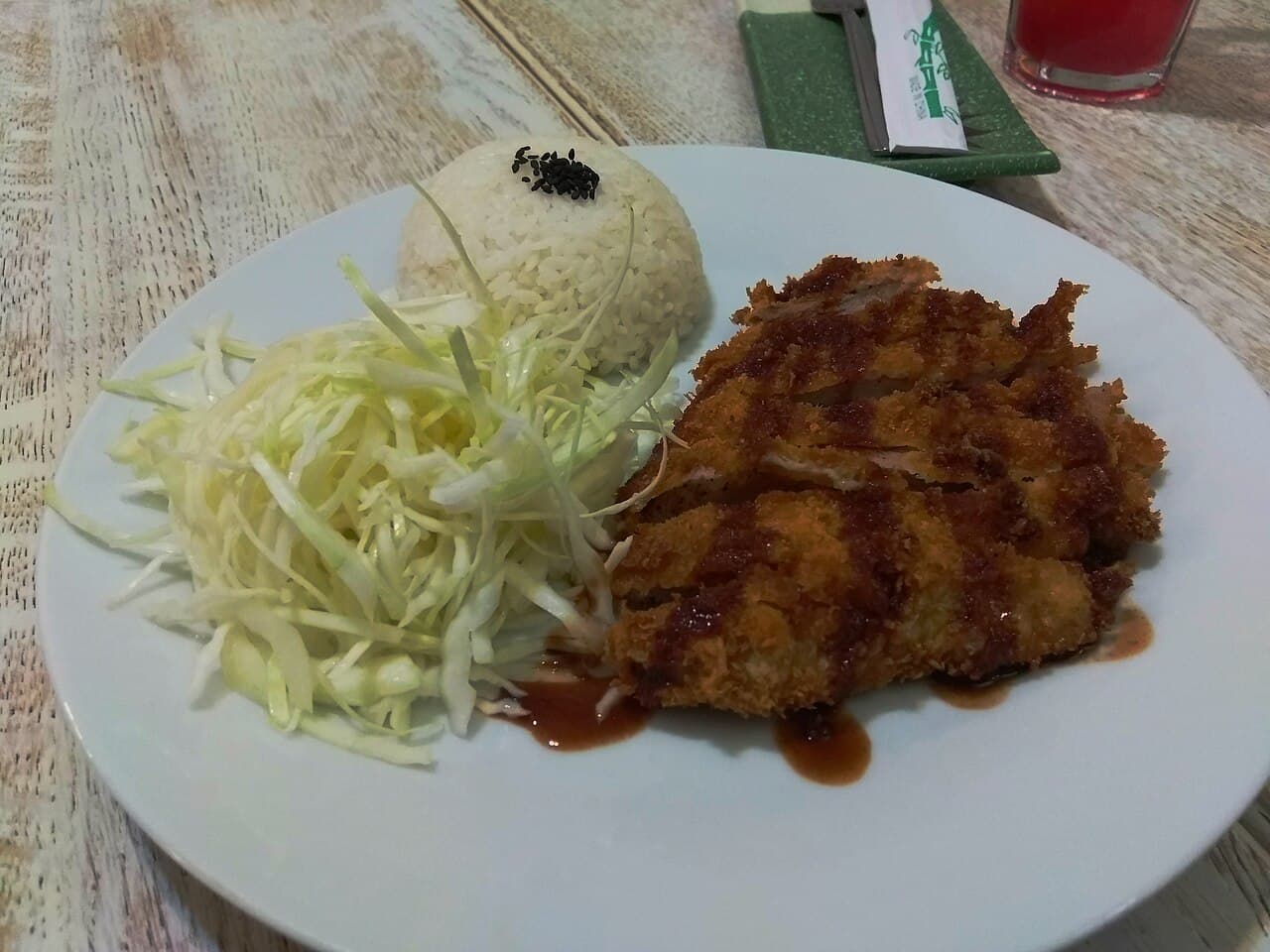
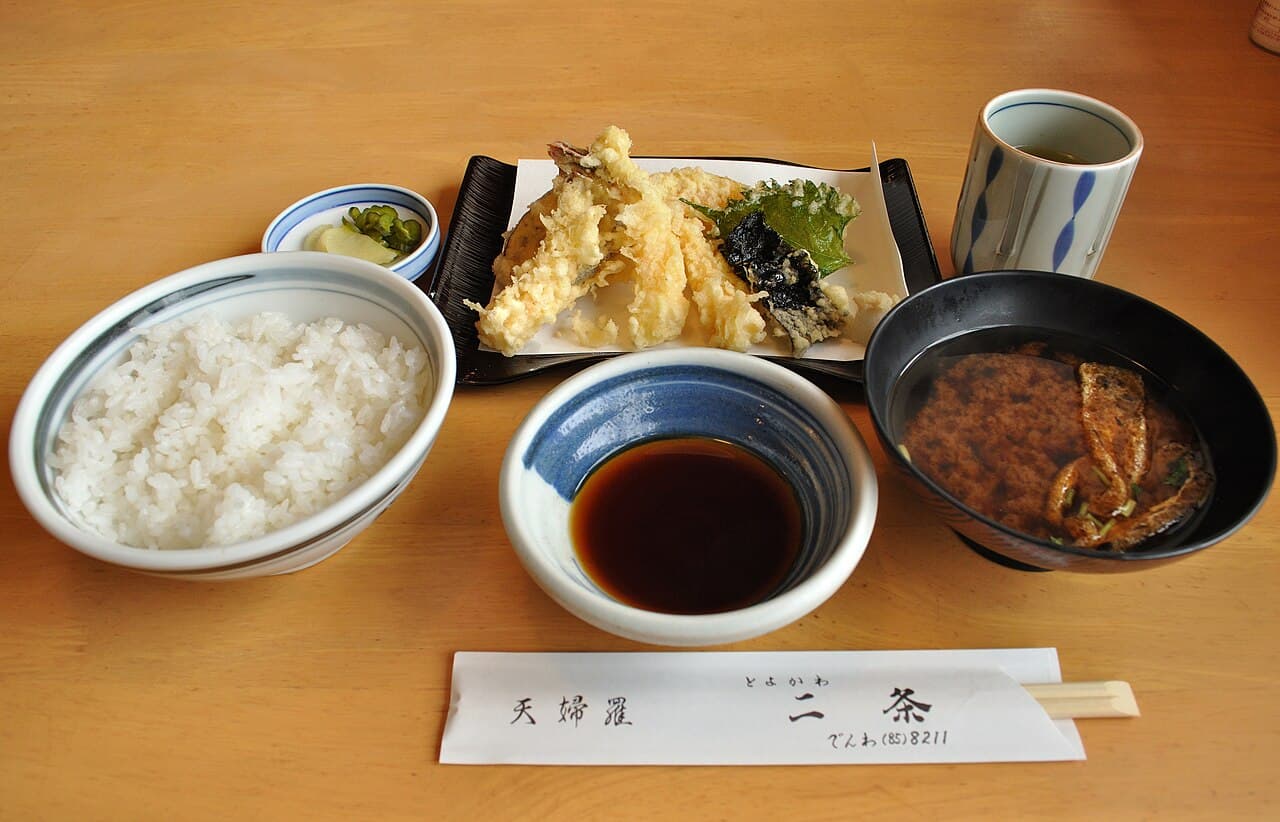
Order the hire katsu teishoku for the fillet cut — a thin, pale-gold crust over meat tender enough to cut with chopsticks — or the rosu katsu if you want the richer loin, threaded with a ribbon of fat that renders as you eat. Maisen fries several pork grades, but the one worth asking for is Amai Yuwaku ("sweet temptation"), a Chiba nakayorkshire breed raised on only a handful of farms in Chiba Prefecture; it's Maisen's signature branded pork, normally reserved for the Aoyama honten's menu and only occasionally offered as a limited promotion elsewhere. The katsu sando — pork loin between crustless milk bread — is the other reason people queue, and it tends to sell out by early afternoon on weekends. Teishoku sets come with free refills of rice and shredded cabbage.
Open 11:00–22:00 (last order 21:00), with menus in English, Korean, and Chinese and staff who can field questions in English. Walk-ins are taken most of the week, though weekend and holiday tables are often limited to reserved banquet courses, so arrive before noon on a Saturday if you want a seat without a wait. A small kiosk by the entrance sells the katsu sando and bento to go if the dining room is full.
✓ Last verified Jul 2026
Hours and details can change — please confirm before you visit.
A 1939 Meguro institution where white-clad chefs fry plump pork cutlets in a theatrical open kitchen, plating them with endless free refills of cabbage and rice.
★ 'White tonkatsu' — pork slow-fried at low temperature with pale breadcrumbs
A reservation-only destination tonkatsu shop in Suginami selected for Tabelog's Tonkatsu Top-100 (2021-2026) and a Tabelog Award Bronze winner, famous for its pale, low-temperature 'white tonkatsu' using premium pork such as TOKYO X. Booking ahead is required and walk-ins are generally not accepted.
★ Premium pork tasted across rare cuts (loin, fillet, prime rib, rump)
A small counter tonkatsu specialist near Takadanobaba selected for Tabelog's Tonkatsu Top-100 across multiple years (2018-2026), known for cutlets cut from premium pork across unusual cuts and served with olive oil and truffle salt. Lunch draws long queues; evening dining is course-based.
A hidden 3rd-floor Asakusa shop serving creamy white-broth ramen crowned with A5 halal wagyu plus a rare halal wagyu beef cutlet, with a prayer space on-site.
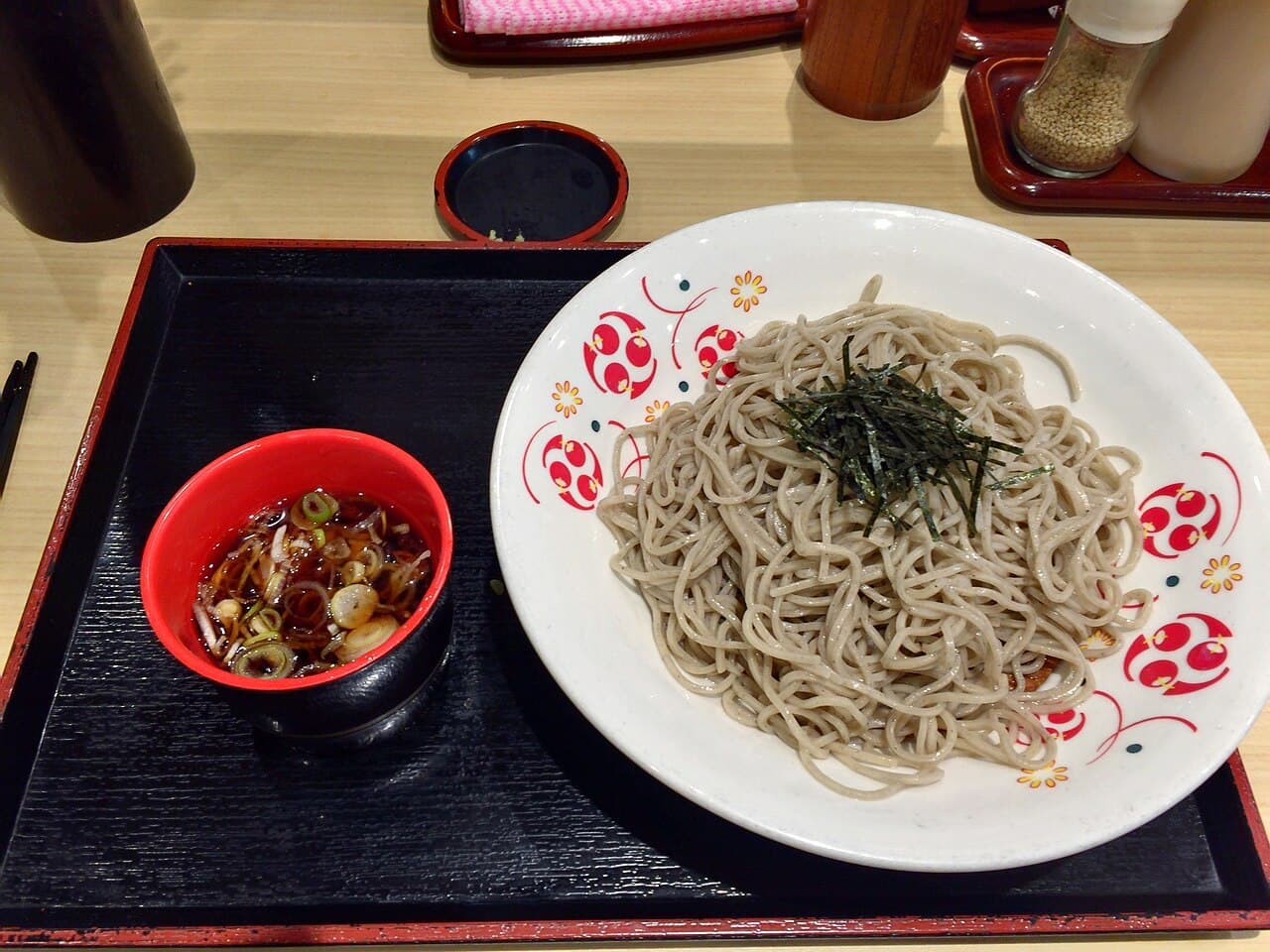
A Michelin-starred soba sanctuary where the chef grows and hand-mills his own Ibaraki buckwheat into pure 100% juwari noodles — the closest a coeliac traveller comes to trustworthy Tokyo soba.
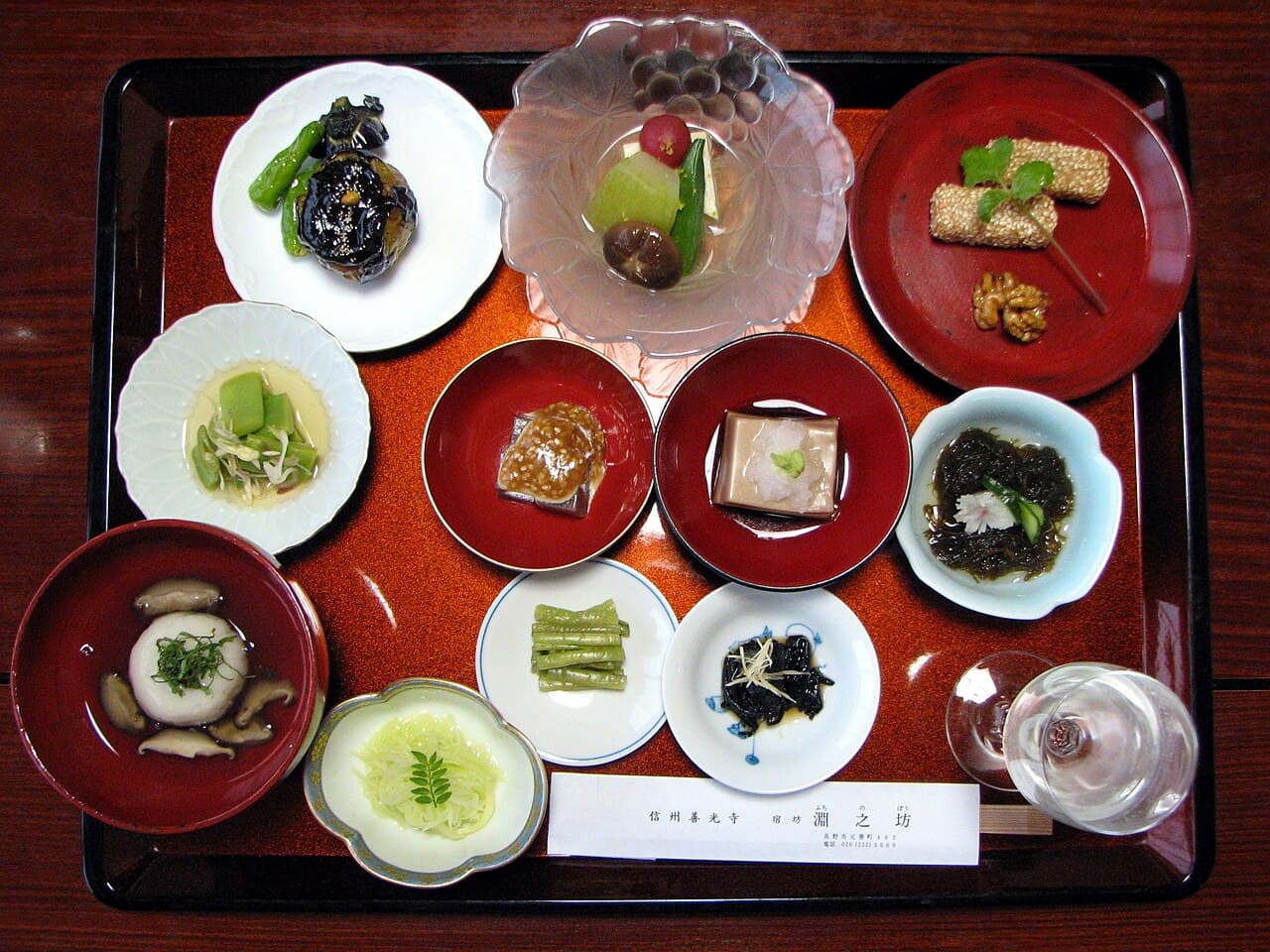
★ Organic macrobiotic cooking incl. vegan sushi of vinegared brown rice and seasonal vegetables
One of Tokyo's oldest natural-food restaurants, open in Harajuku since 1976, serving organic, additive-free cooking with strong vegan and macrobiotic options. It is well used to foreign diners and offers an English menu.
A 100% vegan restaurant near Omotesando Station serving Mediterranean-influenced plant-based dishes and desserts across breakfast, lunch and dinner, from the team behind the former Pure Cafe.
★ Seasonal brown-rice set (ichiju-sansai) and steamed vegetables
An organic, plant-centered Japanese canteen by Neal's Yard Remedies near Omotesando Station, open since 2003. It serves seasonal brown-rice set meals (ichiju-sansai) and steamed vegetable plates.