
Dietary guide
Halal Ryokan & Temple Stay Dining in Japan: A Plan-Ahead Guide
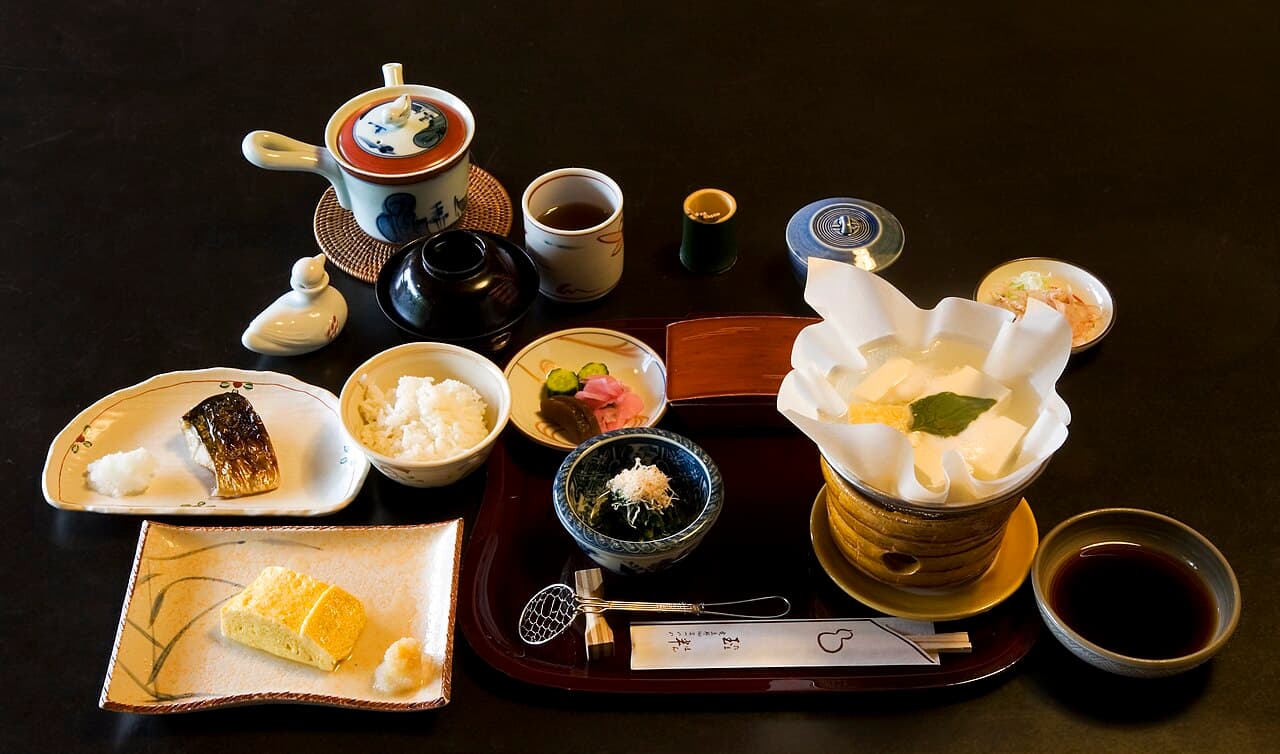
Staying at a ryokan or temple lodging (shukubo) as a Muslim traveller takes planning, not luck. Kaiseki dinners lean on mirin, cooking sake, dashi and sometimes pork, so request pork-free and alcohol-free meals in writing weeks ahead. Temple shojin cuisine is Buddhist-vegetarian and a safer base, but still ask about mirin and sake. Book early, confirm twice, and carry backups.
Why ryokan dinners are tricky
A kaiseki dinner is the heart of a ryokan stay — a multi-course procession built around the season. It is also where the hidden ingredients live. Almost nothing here is halal-certified; at best a ryokan is Muslim-friendly, meaning staff will adapt a menu but the kitchen still shares pans, stock and seasonings.
Watch for these in kaiseki:
- Mirin & cooking sake — in simmered dishes, glazes and dashi. See our note on whether mirin is halal.
- Dashi — usually fish-based, but bonito is fine for most Muslims; the alcohol in the seasoning is the real issue.
- Pork & lard — in some hot pots, gyoza, tonkotsu broth, and garnishes.
- Gelatin & alcohol in desserts — jellies, wagashi and sauces.
How to request a halal-friendly meal
Contact the ryokan at least two to three weeks ahead, ideally by email so there is a written record. Ask them to prepare a butaniku nashi, arukōru nashi (no pork, no alcohol) meal, and specifically to skip mirin and cooking sake, not just visible alcohol. Confirm again at check-in. Smaller family ryokan often try hardest; large hotel-style ones may simply offer a plain fish or vegetable set. Our halal Japan travel guide has phrasing you can copy.
Temple lodging (shukubo) and shojin cuisine
Shukubo dinners are shojin-ryori, Buddhist temple cooking with no meat, fish, or the five pungent vegetables. Built around tofu, vegetables, rice and pickles, it is naturally the safest base for a Muslim traveller. The remaining catch: seasonings. Many temples use mirin or a splash of sake in simmered dishes, so ask mirin to sake nashi when you book. Mount Koya (Koyasan) has the most English-ready shukubo.
Honest gaps
- Certified vs friendly: treat every ryokan and temple as friendly, never certified.
- Breakfast: usually easier — grilled fish, rice, miso, pickles — but check the miso and any sausage.
- Backups matter: rural areas have few halal options, so carry dates, nuts, instant halal meals and konbini onigiri (check labels).
Before you leave the city, eat well and stock up — Tokyo has genuinely good halal tables. For more, see our guide to Tokyo for Muslim travellers and the full halal dining section. Plan ahead and the countryside opens up beautifully.
Places we’ve confirmed
Asakusa Sushi Ken
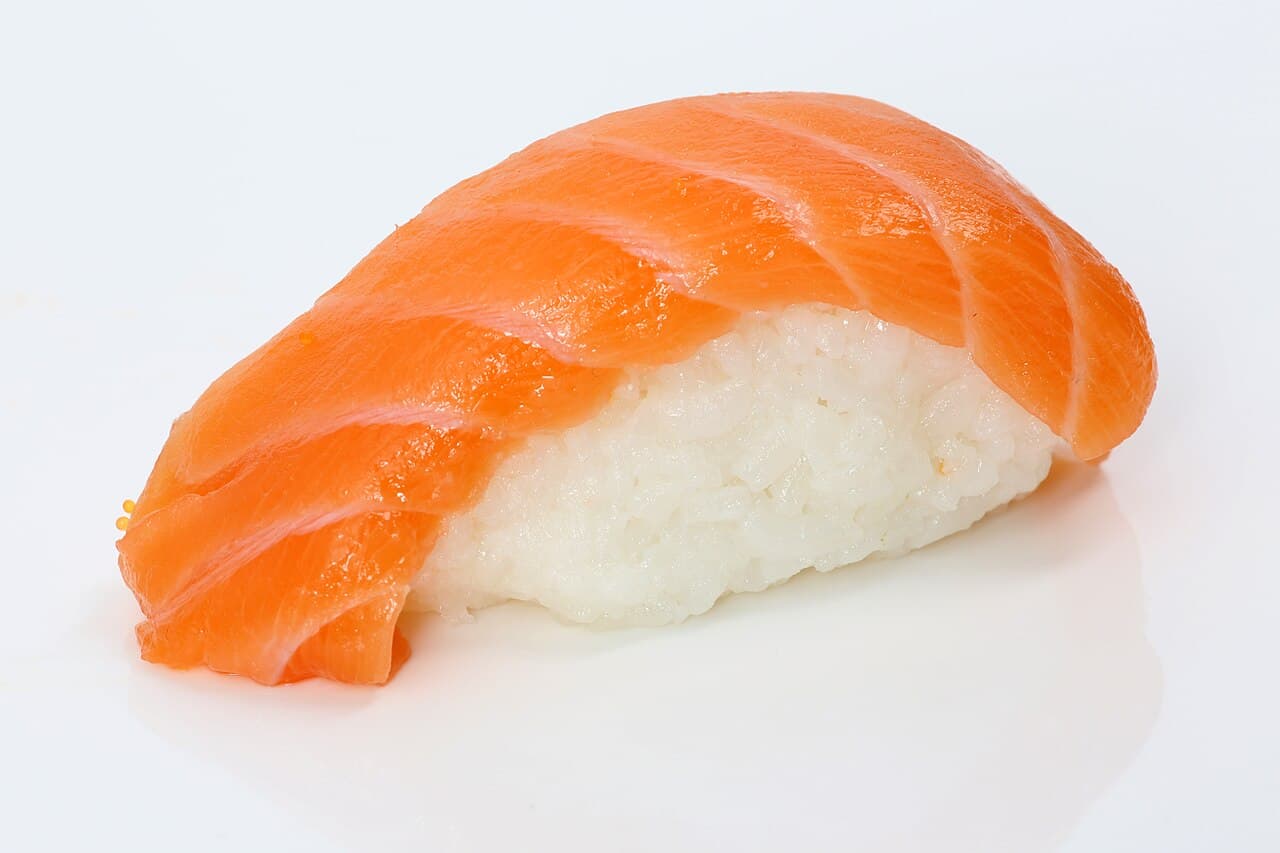
Edomae nigiri course — soy sauce to fish, all halal-certified
Edomae sushi near Sensō-ji, on the Japan Halal Foundation register at two stars: every dish is halal, and alcohol is served as drinks under JHF's rules that keep it out of the food. JHF's entry notes a prayer space that the shop's own site does not mention — ask when you book.
- Halal
- Pescatarian
- Date
- Anniversary
Gyumon Halal Ramen Asakusa: Wagyu Broth, No Pork
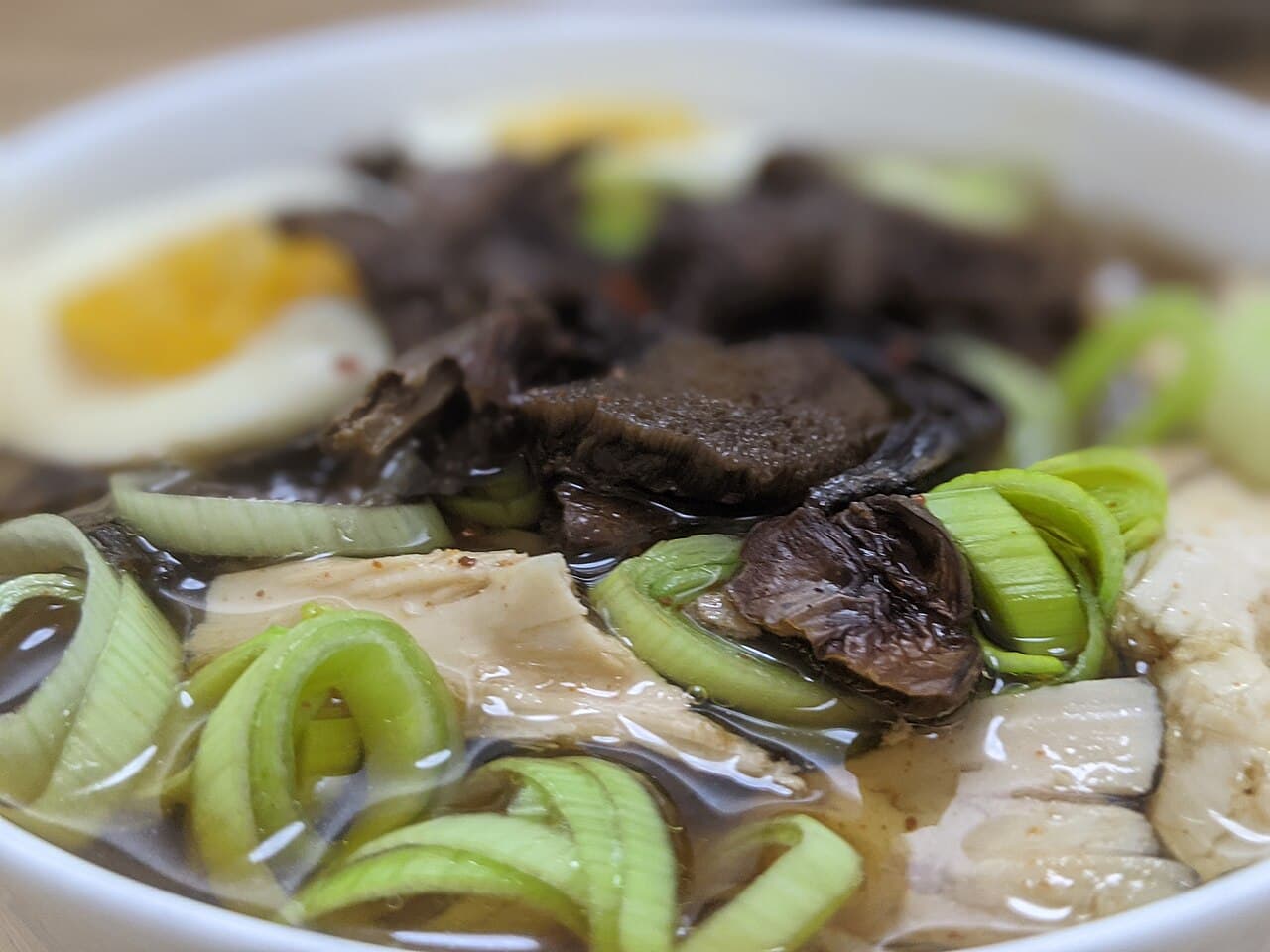
Pork-free wagyu beef ramen (broth from 20+ wagyu cuts & seasonings)
Gyumon Halal Ramen Asakusa is a halal-certified, pork-free wagyu ramen kitchen.
- Halal
- Casual
- Solo
Sources
FAQ
- Can I get a fully halal-certified meal at a ryokan?
- Almost never. A handful of ryokan advertise Muslim-friendly menus, but third-party certification is rare because kitchens share equipment and seasonings. Treat every ryokan as friendly, not certified, and confirm your no-pork, no-alcohol request in writing before arrival.
- Is temple shojin cuisine automatically halal?
- It is meat- and fish-free, which removes the biggest concerns, but it is not automatically halal. Many temples add mirin or a little cooking sake to simmered dishes, so ask them to leave both out when you book your shukubo stay.
- What should I pack for rural stays?
- Carry backups: dates, nuts, instant halal meals, and konbini onigiri (read the labels for pork or alcohol-based seasoning). Rural areas have thin halal options, so stock up in a city like Tokyo before you head out.