
Dietary guide
Is Dashi Gluten-Free in Japan? The Hidden-Gluten Trap Explained
© Sakurai Midori / CC BY-SA 3.0, via Wikimedia Commons · CC BY-SA 3.0
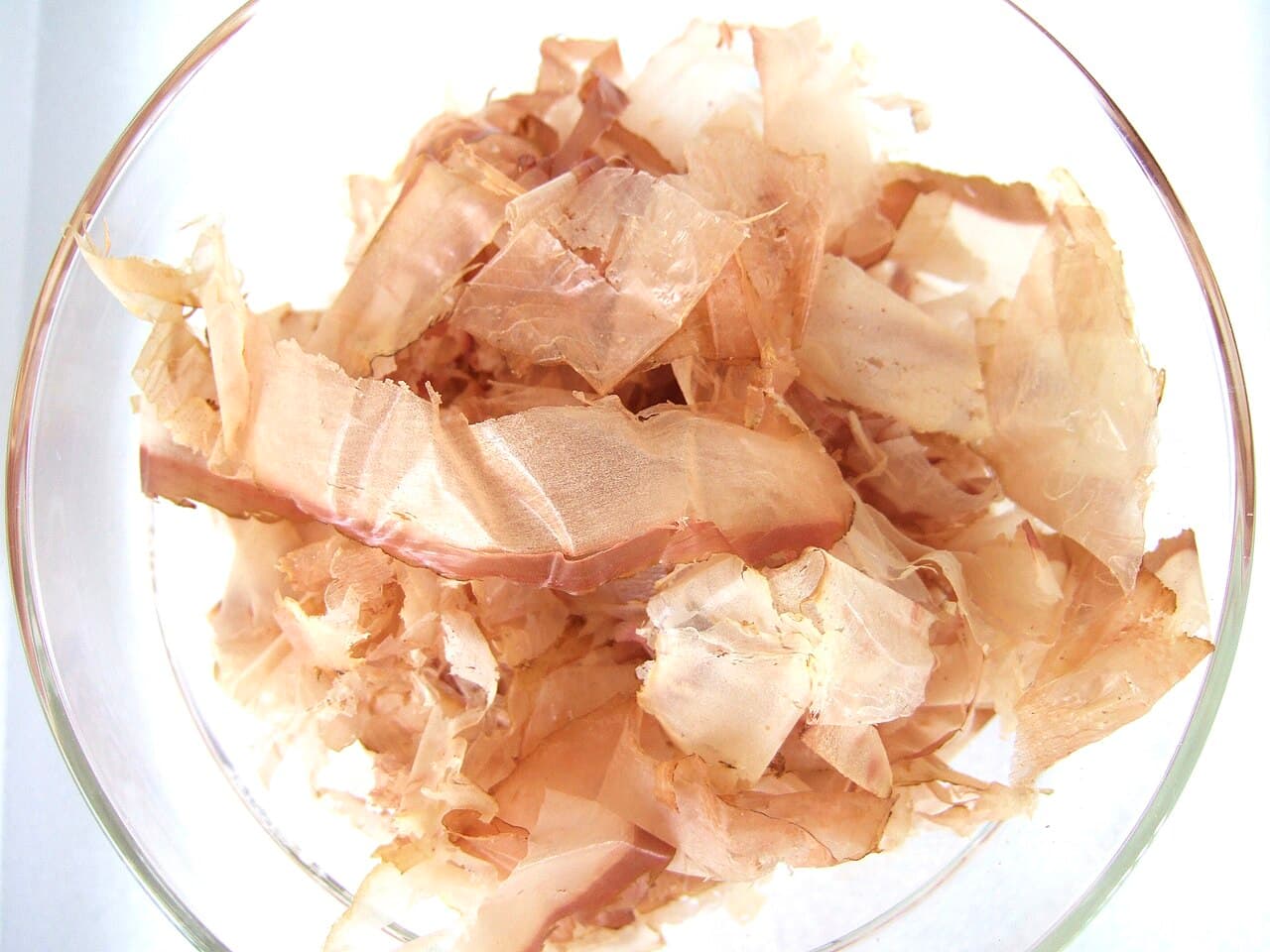
Pure dashi made only from kombu (kelp), katsuobushi (bonito flakes), niboshi (dried sardines) or dried shiitake is naturally gluten-free — but most of the dashi you actually meet in Japanese restaurants and packaged soup bases is not, because soy sauce and wheat-derived seasonings are stirred in. If you have celiac disease, dashi is the trap that catches people who already know to avoid soy sauce and ramen, because it hides inside food that looks plain and "safe."
The short answer
Dashi is a base stock, not a single fixed recipe. In its purest form — kelp and/or dried fish simmered in water — it contains zero gluten. The problem is that "dashi" in everyday Japanese cooking usually means a seasoned liquid, and the seasoning is almost always soy sauce (shoyu) and/or mirin. Standard Japanese soy sauce is brewed from roughly equal parts soybean and wheat, so the moment it enters the pot, your dashi is no longer gluten-free.
Why dashi is the #1 hidden-gluten trap in Japan
Dashi is the flavor backbone of Japanese home and restaurant cooking. It is poured into miso soup, used to simmer vegetables and fish (nimono), folded into rolled omelette (tamagoyaki), whisked into savory custard (chawanmushi), and used as the broth for udon, oden and hot pots. None of these dishes look like they contain wheat. A bowl of clear-ish miso soup or a neat block of tamagoyaki reads as naturally safe — which is exactly why so many gluten-free travelers get caught. The gluten is dissolved in the liquid, invisible and untasteable.
Which dashi is safe? A quick reference
| Dashi / soup base | Typical ingredients | Gluten status |
|---|---|---|
| Kombu dashi (kelp only) | kelp, water | Safe — naturally gluten-free |
| Katsuo / awase dashi (homemade) | bonito, kelp, water | Safe only if no soy sauce added |
| Niboshi dashi | dried sardines, water | Safe — naturally gluten-free |
| Hondashi & granule dashi | bonito powder, MSG, lactose, salt | Usually lists no wheat, but not certified GF; may contain milk — check label |
| Mentsuyu / shirodashi (liquid bases) | dashi + soy sauce + mirin | Contains wheat (via soy sauce) |
| Restaurant miso soup, nimono, oden | dashi + soy sauce | Usually contains gluten |
Where the wheat actually hides
There are three separate culprits, and it helps to name them:
- Soy sauce (shoyu). The big one. Almost all restaurant dashi for soups, simmered dishes and noodle broths has soy sauce added for color and savoriness. This is the same wheat source discussed in our guide to whether soy sauce is gluten-free in Japan.
- Mentsuyu and shirodashi. These bottled concentrates are literally dashi pre-mixed with soy sauce and mirin. They are the default "dashi" in countless home kitchens and casual eateries — and they always contain wheat unless the label says otherwise.
- Granulated dashi (Hondashi and similar). Pure bonito granules generally do not list wheat, so they are not the main danger — but they are not certified gluten-free, some products add a soy-sauce or wheat-derived powder, and many contain lactose/milk, which matters if you have other restrictions. Treat them as "check the label," not "automatically fine."
Because dashi is the shared base, the same hidden gluten flows into miso soup. We cover that specific dish in is miso soup gluten-free in Japan.
How to read a Japanese dashi label
Here is the good news for packaged products: Japan legally requires the eight major allergens — including wheat — to be declared on prepackaged food. So you do not need to decode every ingredient. Scan the allergen line (原材料 / アレルギー表示) for the single character 小麦 (komugi = wheat). If it is listed, the product is not safe; if you see soy sauce (醤油) in the ingredients, assume wheat unless it specifically says gluten-free. Certified gluten-free (グルテンフリー) shirodashi and pure kombu-dashi powders do exist in Japanese supermarkets and online.
What to say at a restaurant
Restaurant dashi is rarely labeled, so you have to ask — and "no soy sauce" is the key question, not just "no wheat."
- 「この出汁に醤油は入っていますか?」 — Kono dashi ni shōyu wa haitte imasu ka? — "Does this dashi contain soy sauce?"
- 「小麦アレルギーです。醤油・みりん・小麦の入っていない出汁はありますか?」 — Komugi arerugī desu. Shōyu, mirin, komugi no haitte inai dashi wa arimasu ka? — "I have a wheat allergy. Do you have dashi made without soy sauce, mirin, or wheat?"
- Ask specifically for 昆布だし (kombu dashi) — kelp-only stock is your most reliable gluten-free base.
Because staff may not know that ordinary soy sauce contains wheat, a printed allergy card is far safer than a spoken question. Build one before you travel using our gluten-free Japan travel guide.
The bottom line
Don't fear dashi — understand it. The stock itself is one of the cleanest umami sources on earth. What you are avoiding is the soy sauce and mentsuyu poured into it. Ask for kombu dashi, read the 小麦 line on any package, and carry an allergy card, and you can enjoy miso soup, simmered dishes and clear broths across Japan with confidence. (Ingredient and product notes accurate as of 2026; always confirm the specific product or restaurant.)
Sources
FAQ
- Is dashi gluten-free?
- Pure dashi is gluten-free. If it is made only from kombu (kelp), katsuobushi (bonito), niboshi (dried sardines) or shiitake and water, it contains no wheat. The catch is that most restaurant and bottled dashi has soy sauce or mentsuyu added, and standard Japanese soy sauce is brewed with wheat — so that seasoned dashi is not safe for celiacs.
- Does Hondashi contain gluten or wheat?
- Standard Hondashi bonito granules generally do not list wheat as an ingredient, so they are usually not the main gluten danger. However, they are not certified gluten-free, some regional formulations add soy-sauce or wheat-derived powder, and many contain lactose (milk). Always read the allergen label for 小麦 (wheat), and if you are highly sensitive, choose a certified gluten-free or kombu-only dashi.
- Is the dashi in miso soup gluten-free?
- Often not. Most restaurant miso soup is built on dashi that has soy sauce added, and the miso paste itself can be barley- or wheat-based. Even when the miso is rice-based, the dashi seasoning can carry hidden wheat. Ask whether the dashi contains soy sauce and request kombu dashi and rice miso to make it safer.
- How do I ask for gluten-free dashi in Japan?
- Ask specifically about soy sauce, not just wheat, because staff may not know shoyu contains wheat. Say "Kono dashi ni shōyu wa haitte imasu ka?" (Does this dashi contain soy sauce?) and request "kombu dashi" (kelp-only stock). A printed Japanese allergy card listing wheat, soy sauce and mirin is far safer than speaking, since these are the three hidden sources.
- Is kombu dashi gluten-free?
- Yes. Kombu dashi, made from kelp steeped in water, is naturally gluten-free and is the safest dashi base to request in Japan. The only risk is if soy sauce, mentsuyu or a wheat-containing seasoning is added afterward. For packaged kombu-dashi powder, still scan the allergen line for 小麦 (wheat), since some blends include other seasonings.