
Dietary guide
Is Miso Soup Gluten-Free in Japan? A Traveller's Honest Guide
The short answer
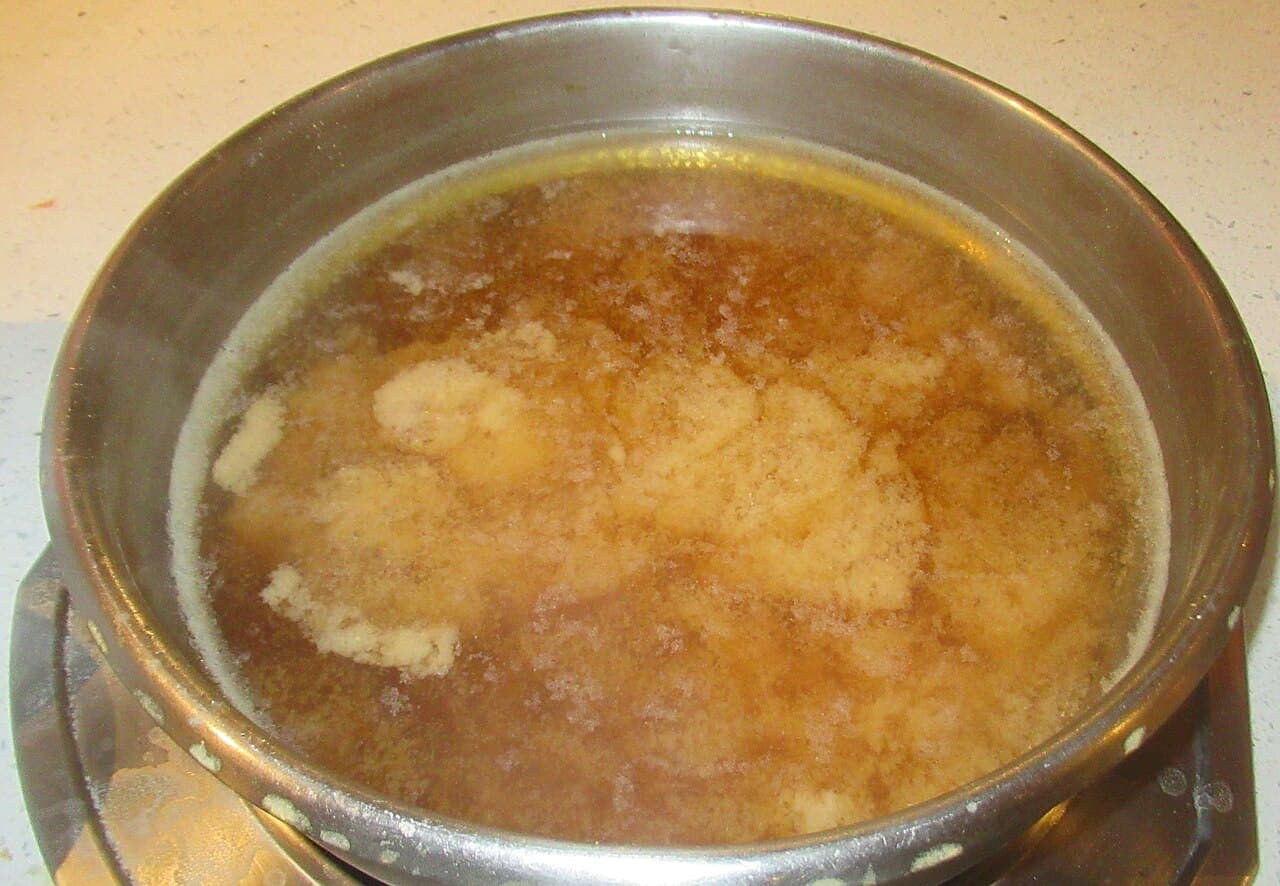
A basic bowl of miso soup is often gluten-free, but it depends entirely on two ingredients: the miso paste and the dashi stock. Get both right and it's a naturally safe, comforting bowl. Get either wrong and there's hidden wheat. That's why "usually" is the honest word, not "always."
Why the miso type matters
Rice miso (kome miso) and pure soybean miso (mame miso) are made without grains that contain gluten, so soup built on them is generally fine. Barley miso (mugi miso) uses barley — not gluten-free. The catch is that many kitchens use a blended paste (awase miso), and the barley content isn't always obvious on a menu. If you want the deeper breakdown, our companion piece on whether miso itself is gluten-free walks through each type.
The dashi trap
Homemade dashi from kombu (kelp) and katsuobushi (bonito) is naturally gluten-free. The problem is convenience: many restaurants and nearly all homes use instant dashi granules or liquid soup bases, and some of those add wheat-derived ingredients or a dash of soy sauce for depth. Because dashi is invisible in the finished bowl, this is the trap travellers miss most. Our guide to dashi explains how these stocks are actually built.
Soy sauce and cross-contamination
Regular Japanese soy sauce is brewed with wheat, so even a small finishing splash matters. Tamari is the lower-gluten alternative — but not all tamari is wheat-free, so it still needs checking. Beyond ingredients, watch for shared equipment: a bowl of miso soup ladled in a kitchen that also fries tempura or cooks udon can pick up traces. A "gluten-free option" in a mixed kitchen is not the same as a dedicated gluten-free kitchen, and if you have coeliac disease that distinction is everything.
How to eat miso soup well in Tokyo
Your safest bet is a kitchen built around the restriction. Dedicated spots like Gluten Free Cafe Little Bird in Yoyogi-Hachiman and gluten-free Cafe Komaya in Roppongi prepare Japanese comfort food, including miso soup, without shared-wheat worry. Elsewhere, a simple question — "Is this kome miso? Is the dashi just kombu and katsuo?" — clears up most bowls. Pair it with plain tofu and steamed rice for a reliably gentle meal, and see our gluten-free Tokyo guide for more addresses worth trusting.
Places we’ve confirmed
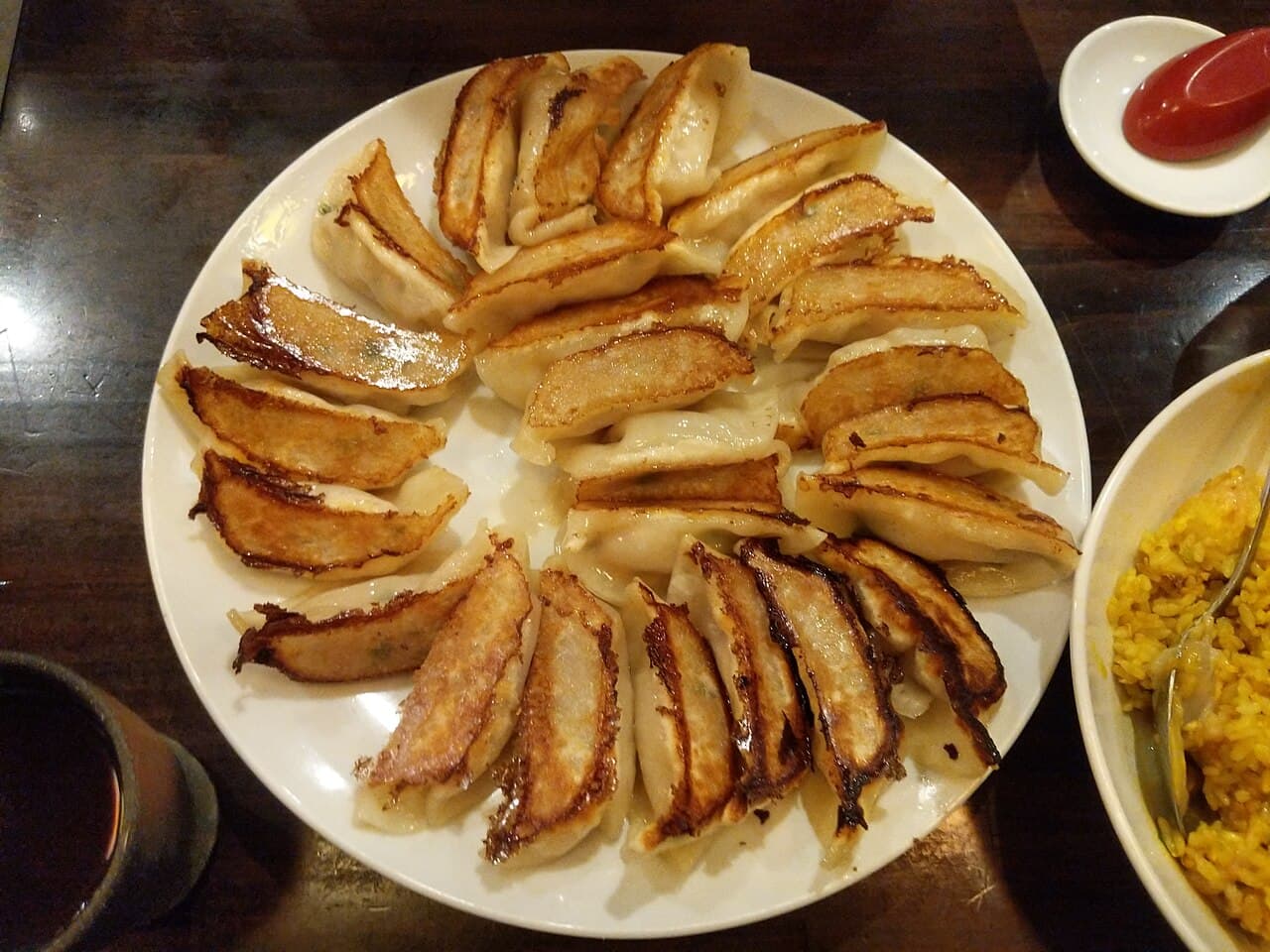
Gluten Free Cafe Little Bird
Gluten-free gyoza, karaage and yakisoba
A dedicated gluten-free cafe whose entire kitchen is wheat-free, serving GF Japanese comfort food such as gyoza, karaage, ramen and yakisoba with English-marked menus. Its Tabelog listing is currently status-undetermined, so confirm hours via its Instagram before visiting.
- Gluten-free
- Vegetarian
- Dairy-free
- Casual
- Solo
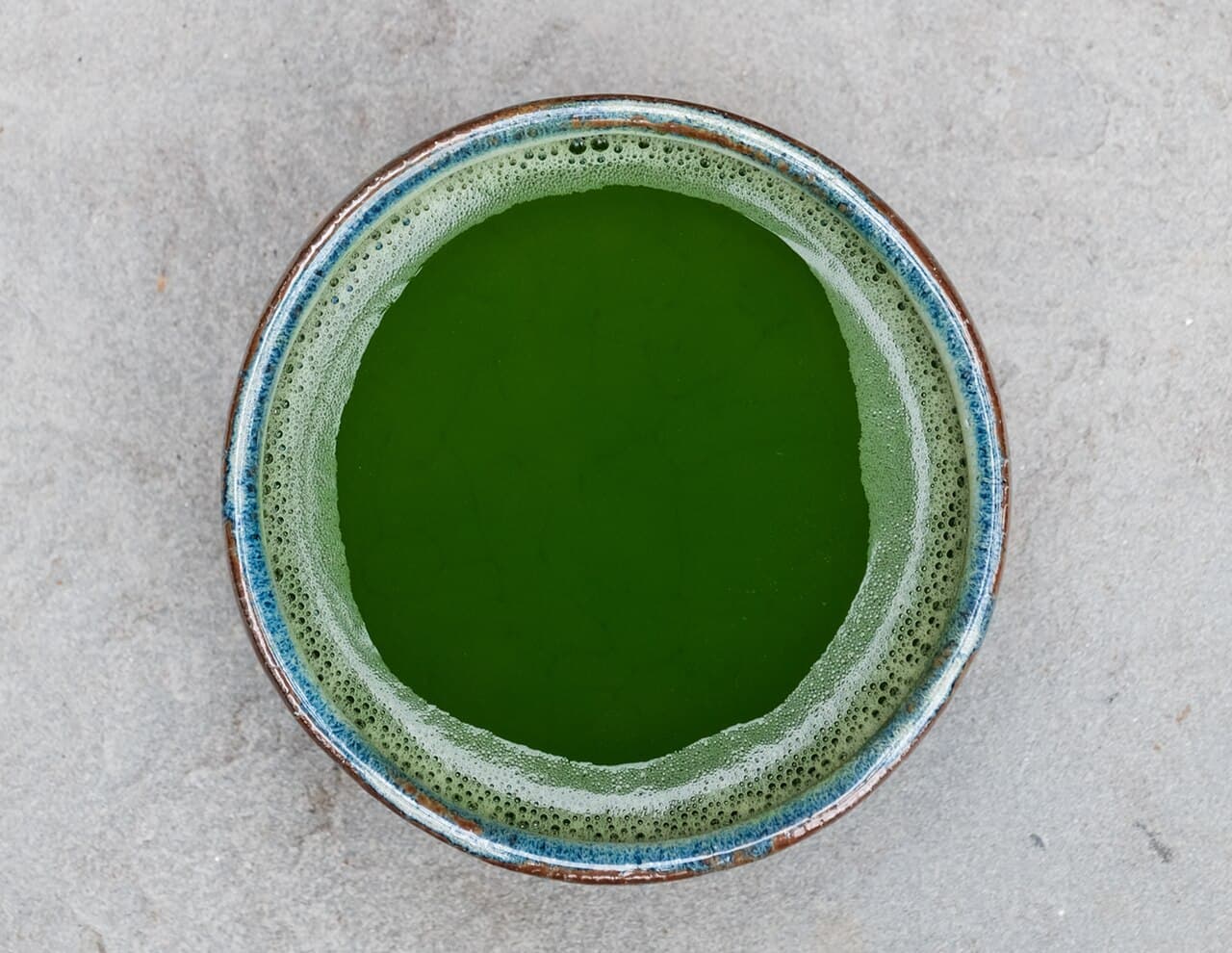
Cafe Komaya
Gluten-free cheesecake & matcha roll cake
A tiny 100% gluten-free cafe near Roppongi-itchome with English-speaking staff, chewy gluten-free lunches and a celebrated matcha roll cake.
- Gluten-free
- Casual
- Solo
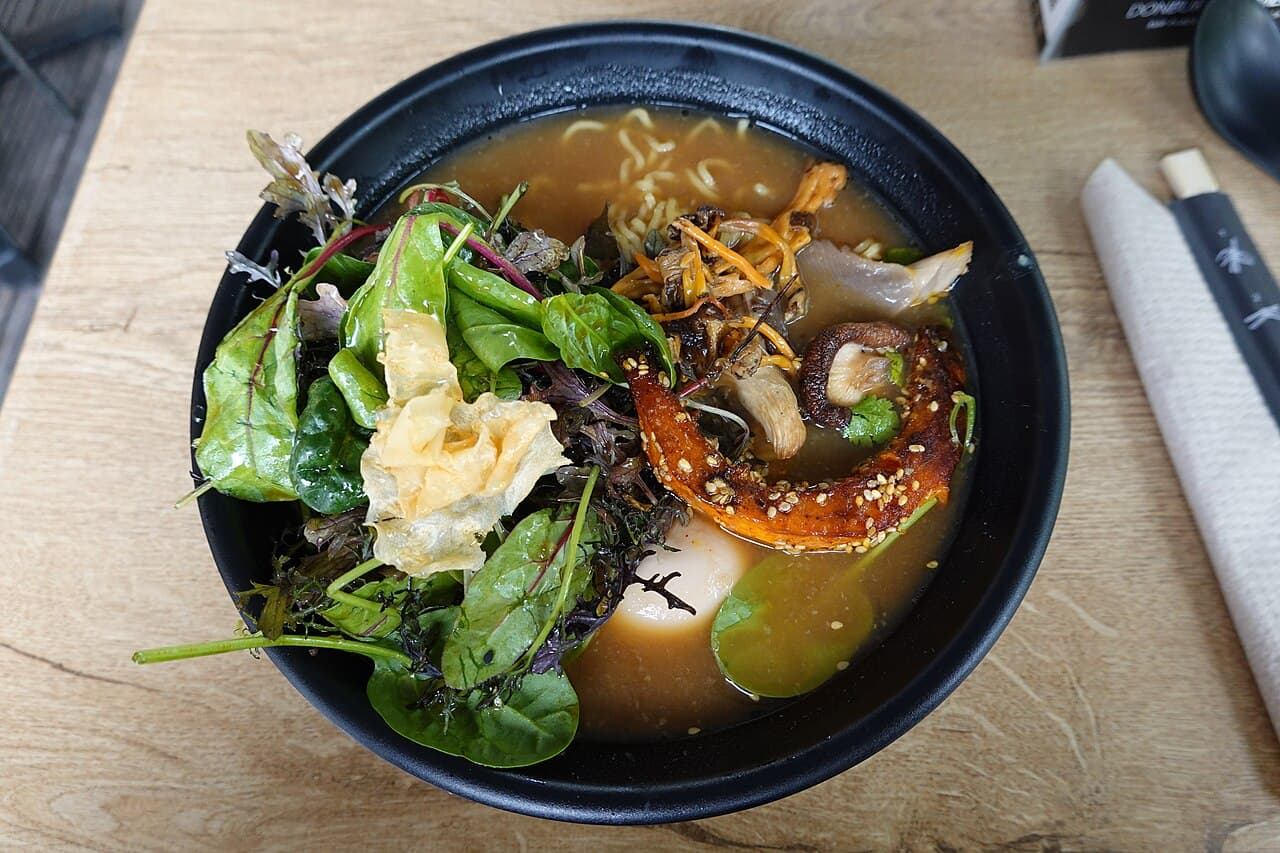
Gluten Free T's Kitchen
Rice-flour gyoza and miso-butter corn ramen
Asia's first GIG-certified gluten-free kitchen, where every dish — from rice-flour gyoza to miso-butter ramen — is safe for coeliac diners.
- Gluten-free
- Vegan
- Vegetarian
- Dairy-free
- Nut-free
- Casual
- Solo
Sources
FAQ
- Is instant miso soup gluten-free?
- Not reliably. Many single-serve packets use blended miso and dashi granules that include wheat-derived ingredients or soy sauce. Always read the label, and don't assume a convenience-store cup is safe.
- Can someone with coeliac disease eat miso soup at a normal restaurant?
- Only with real caution. Even rice-miso soup can pick up traces from shared ladles, soy sauce, or wheat-based dashi. For coeliac diners, a dedicated gluten-free kitchen is far safer than a GF option in a mixed kitchen.
- How do I ask if miso soup is gluten-free in Japanese?
- Try "Kome miso desu ka? Dashi wa konbu to katsuo dake desu ka?" — asking whether it's rice miso and whether the dashi is only kombu and bonito. That covers the two main risks.