
Dietary guide
Is Miso Gluten-Free in Japan? What to Choose (and Skip)
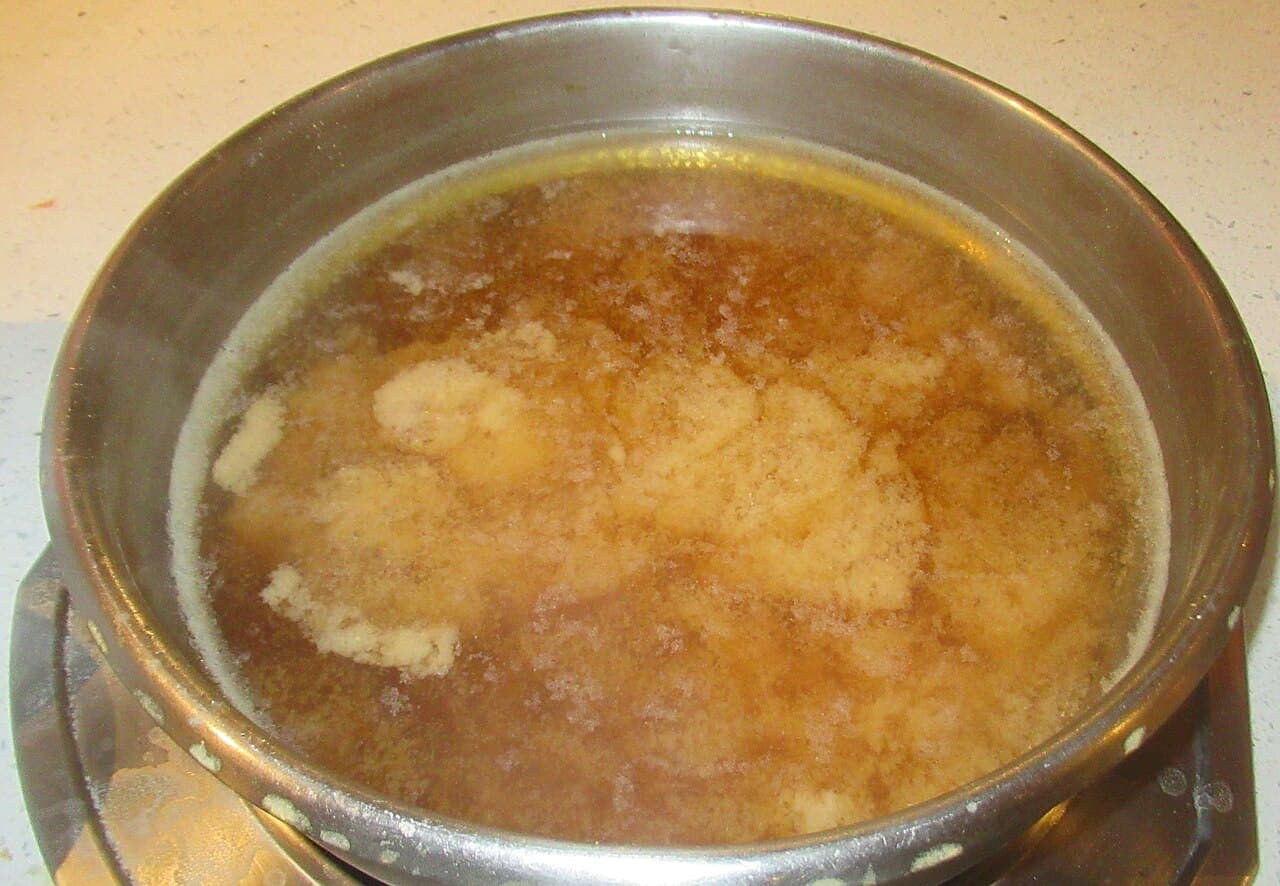
Is miso gluten-free? The honest answer is: it depends on which miso, and on what's dissolved in the bowl with it. Miso is fermented with koji, and the grain used for that koji decides everything. Get the type right and plenty of miso is safely gluten-free; get it wrong and you've eaten barley.
The koji is what matters
Miso is made from soybeans, salt, and a koji culture grown on a grain. Rice miso (kome miso) — the pale and red misos most common in Tokyo — uses rice koji and is generally gluten-free. Pure soybean miso (mame miso / hatcho miso) from the Nagoya region uses soybean koji only, with no grain at all, so it's also generally gluten-free. The one to avoid is barley miso (mugi miso), popular in Kyushu, which is fermented with barley and contains gluten. Awase (blended) miso is the trap: it can quietly include barley, so it needs checking.
At a shop or on a label, the single most useful move is to read for 麦 (mugi = barley) versus 米 (kome = rice). If it says 米味噌 you're usually fine; if it says 麦味噌 or lists 大麦, skip it.
The bowl, not just the paste
Even gluten-free miso paste can land in a not-safe bowl. Most restaurant miso soup is built on dashi, and instant or blended dashi can carry wheat. Simmered and glazed dishes often add regular soy sauce, which is brewed with wheat — so ask for tamari, and know that even some tamari contains a little wheat. This is the same wheat-in-soy-sauce issue behind is sushi gluten-free: the rice is fine, the seasoning is the risk.
Certified vs friendly
Very few Japanese miso brands are certified gluten-free, and almost no restaurant kitchen is dedicated. A vegan or plant-based cafe is often a safer bet because staff are already fluent in ingredient questions — but a gluten-free option in a shared kitchen is not the same as a gluten-free kitchen, and a shared pot or shared water can mean cross-contact. If you have celiac disease, treat "friendly" as friendly, not verified. For safer rice-based meals overall, see our gluten-free Tokyo guide and the gluten-free dietary hub.
How to eat miso well
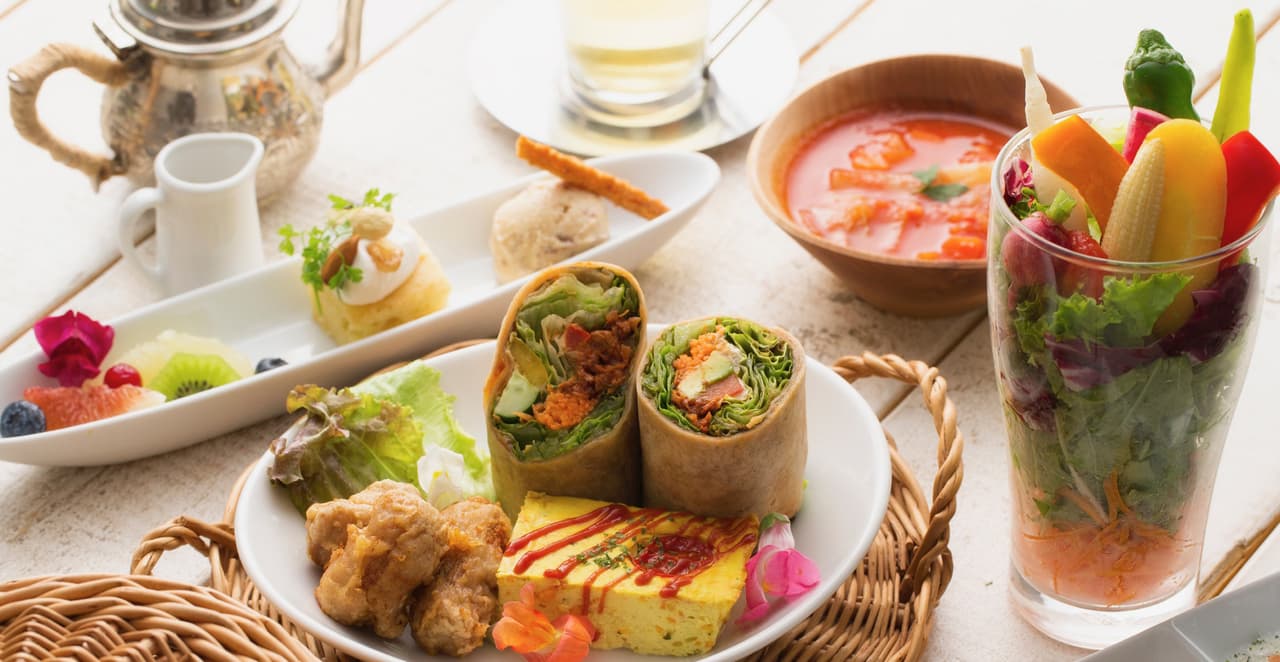
Choose kome or mame miso, ask whether the dashi and soy sauce are wheat-free, and lean on kitchens used to the question. Plant-based spots like NO OHAGI in Daikanyama specialise in vegan, rice-based wagashi (ohagi), which is naturally gluten-free, while veg-forward cafes such as Mr. Farmer in Omotesando note gluten-free options on the menu. Pair a clean bowl with tofu and rice and you'll eat well.
Places we’ve confirmed
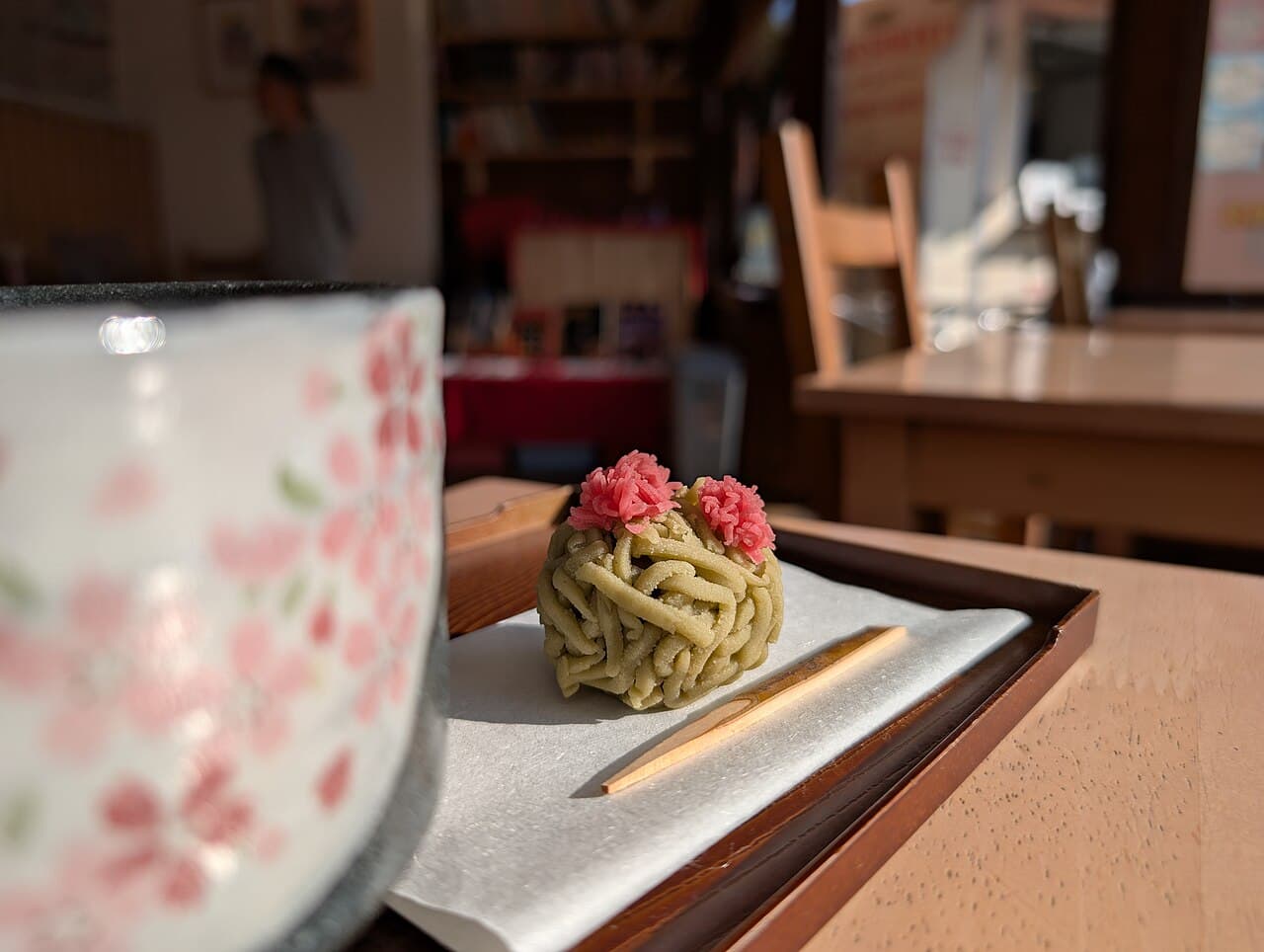
NO OHAGI
Seasonal ohagi & kuzumochi soy-milk shakes
A stylish little Daikanyama ohagi cafe where the rice-and-bean sweets and kuzumochi shakes are all gluten-free, vegan, dairy-free and free of white sugar.
- Gluten-free
- Vegan
- Dairy-free
- Casual
- Solo
Mr. Farmer Omotesando
Farmer's vegan salad & vegetable omelette
A bright Omotesando flagship where a 'field evangelist' sources produce from 100 farms, plated into vivid vegan, gluten-free and athlete bowls.
- Vegetarian
- Vegan
- Gluten-free
- Casual
- Date
AIN SOPH. Journey Shinjuku
Heavenly Vegan Pancakes
The Shinjuku birthplace of the cloud-soft 'Heavenly Vegan Pancakes' that draw queues from vegans and non-vegans alike, with gluten-free options on the same menu.
- Vegetarian
- Vegan
- Gluten-free
- Dairy-free
- Date
- Solo
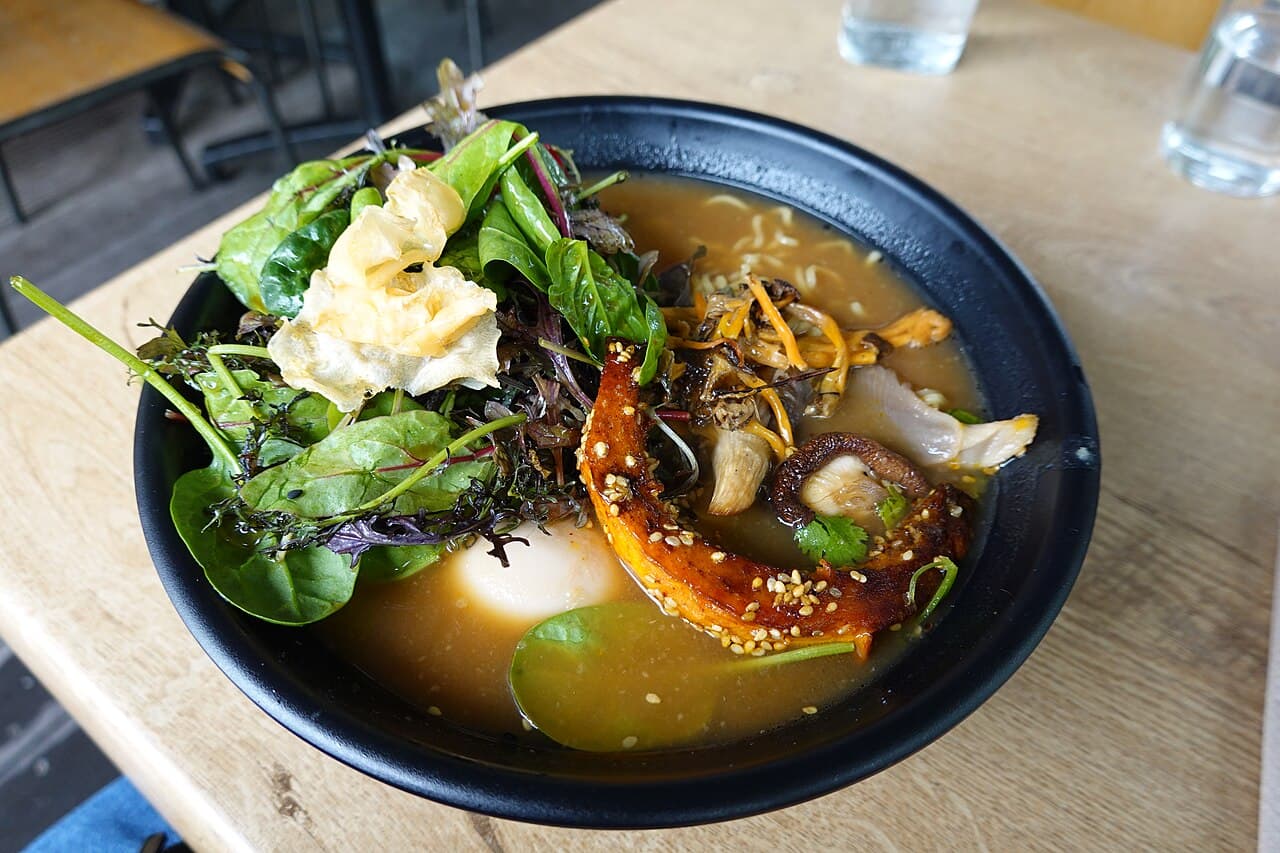
Chabuzen Shimokitazawa
Vegan curry ramen with sprouted brown rice
A tiny tatami-floored diner on the Shimokitazawa backstreets where every bowl of rich, medicinal-herb ramen is 100% plant-based and built on sprouted brown rice.
- Vegetarian
- Vegan
- Gluten-free
- Solo
- Casual
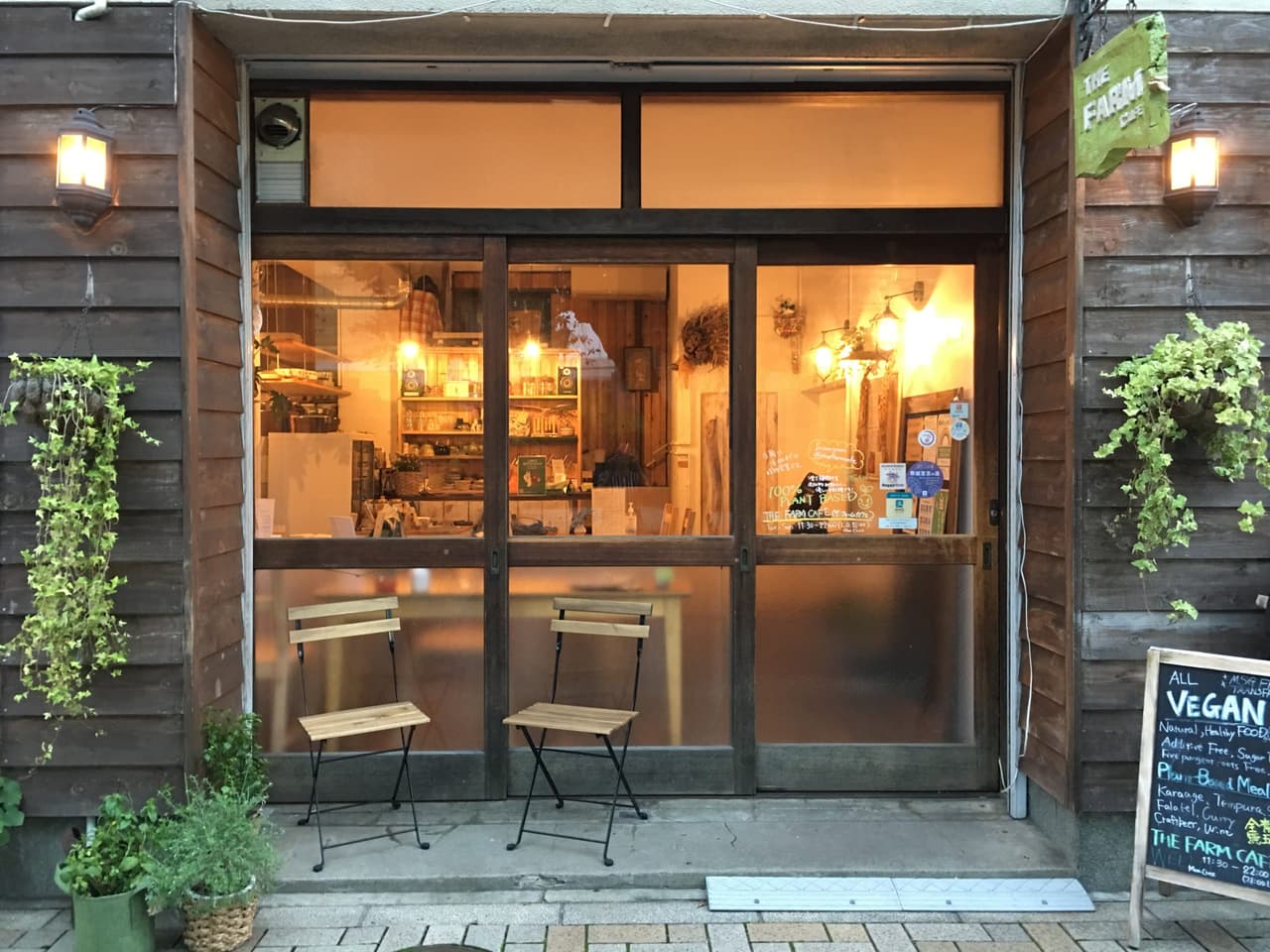
Marugoto Vegan Dining Asakusa
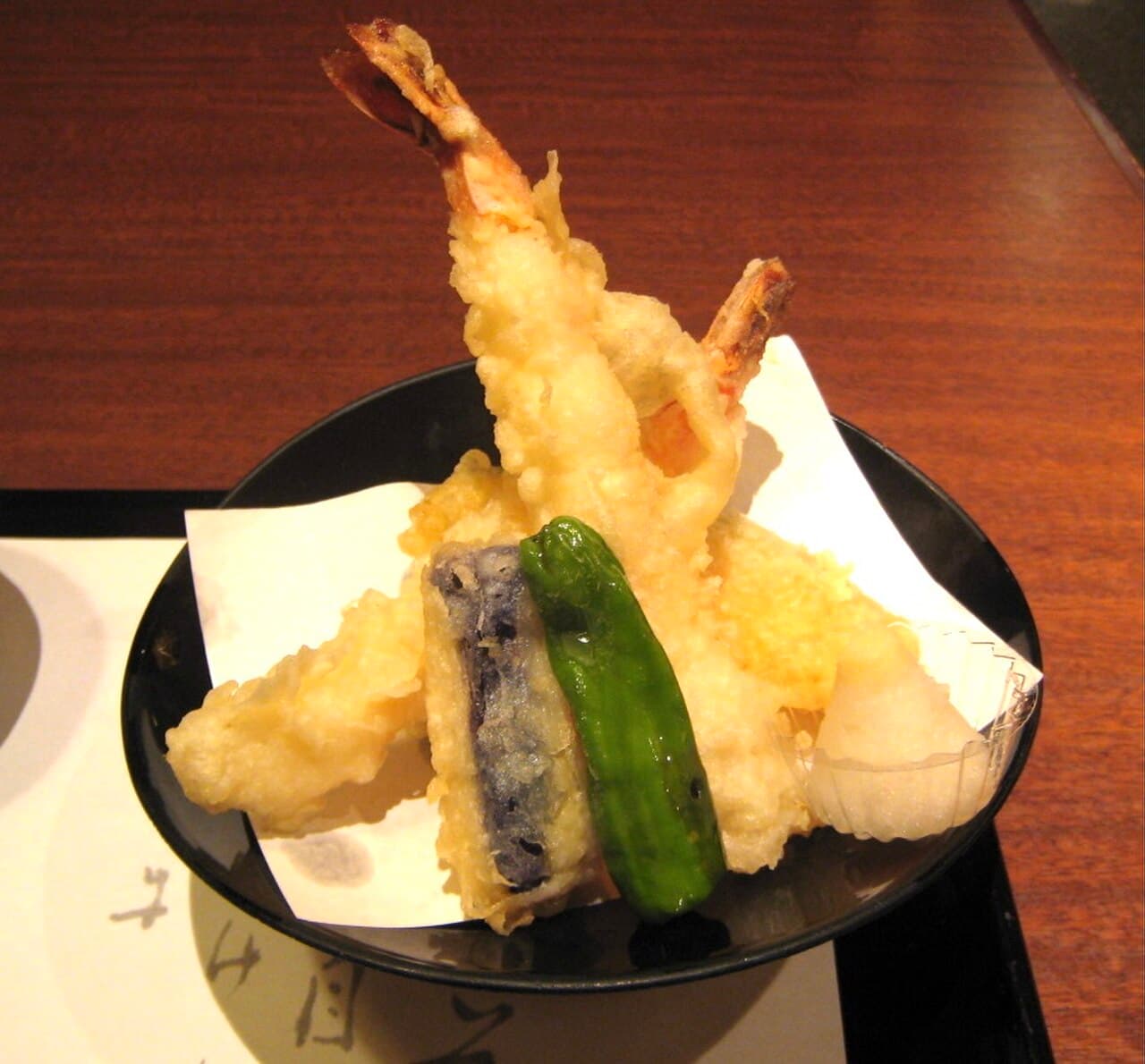
Vegan tempura, waffles and seasonal plant-based plates
A fully plant-based restaurant near Asakusa Station where every dish is vegan, additive-free and gluten-free, so it is dairy-free by definition. A per-dish allergen chart is published, so check it for nut content; we have not confirmed it is nut-free and do not tag it as such.
- Vegan
- Vegetarian
- Dairy-free
- Gluten-free
- Casual
- Solo
- Date
Sources
FAQ
- Which type of miso is gluten-free?
- Rice miso (kome) and pure soybean miso (mame/hatcho) are generally gluten-free. Barley miso (mugi) contains gluten, and blended awase miso may include barley, so check the label for 麦 (barley) versus 米 (rice).
- Is restaurant miso soup safe for celiacs?
- Not automatically. Even gluten-free miso is often dissolved in dashi or seasoned with wheat-based soy sauce, and few kitchens are dedicated. Ask whether the dashi and soy sauce are wheat-free, and treat 'gluten-free friendly' as friendly, not verified.
- Can I just use tamari instead of soy sauce?
- Tamari is the better choice because regular soy sauce is brewed with wheat, but not all tamari is wheat-free. Check the label or ask, especially if you have celiac disease.