
Dietary guide
Hidden Gluten in Japanese Food: A Celiac Traveller's Master List
The hardest part of eating gluten-free in Japan isn't the obvious bread — it's the wheat hiding in soy sauce, miso, tempura batter, curry roux and some dashi granules. Regular shoyu (soy sauce) contains wheat, so most simmered and glazed dishes are off-limits unless confirmed. Lean on naturally rice-based foods, carry tamari, and always verify shared fryers and shared pasta water.
Where wheat hides (the danger list)
- Soy sauce (shoyu) — brewed with wheat. This is the big one: it flavours teriyaki, gyoza dipping sauce, glazes, marinades and countless simmered dishes. Tamari is the lower-wheat cousin, but many tamari brands still contain some wheat — check the label. More on this in is soy sauce gluten-free in Japan.
- Miso — most is soy-and-rice based and fine, but mugi miso (barley miso) contains gluten, and some blends add barley. Ask.
- Tempura & anything fried — batter is wheat flour. Even "clean" fried items share fryer oil with breaded things. See tempura.
- Breaded katsu, korokke, menchi-katsu — panko is wheat bread.
- Curry roux — Japanese curry is thickened with a wheat-flour roux. Almost always contains gluten.
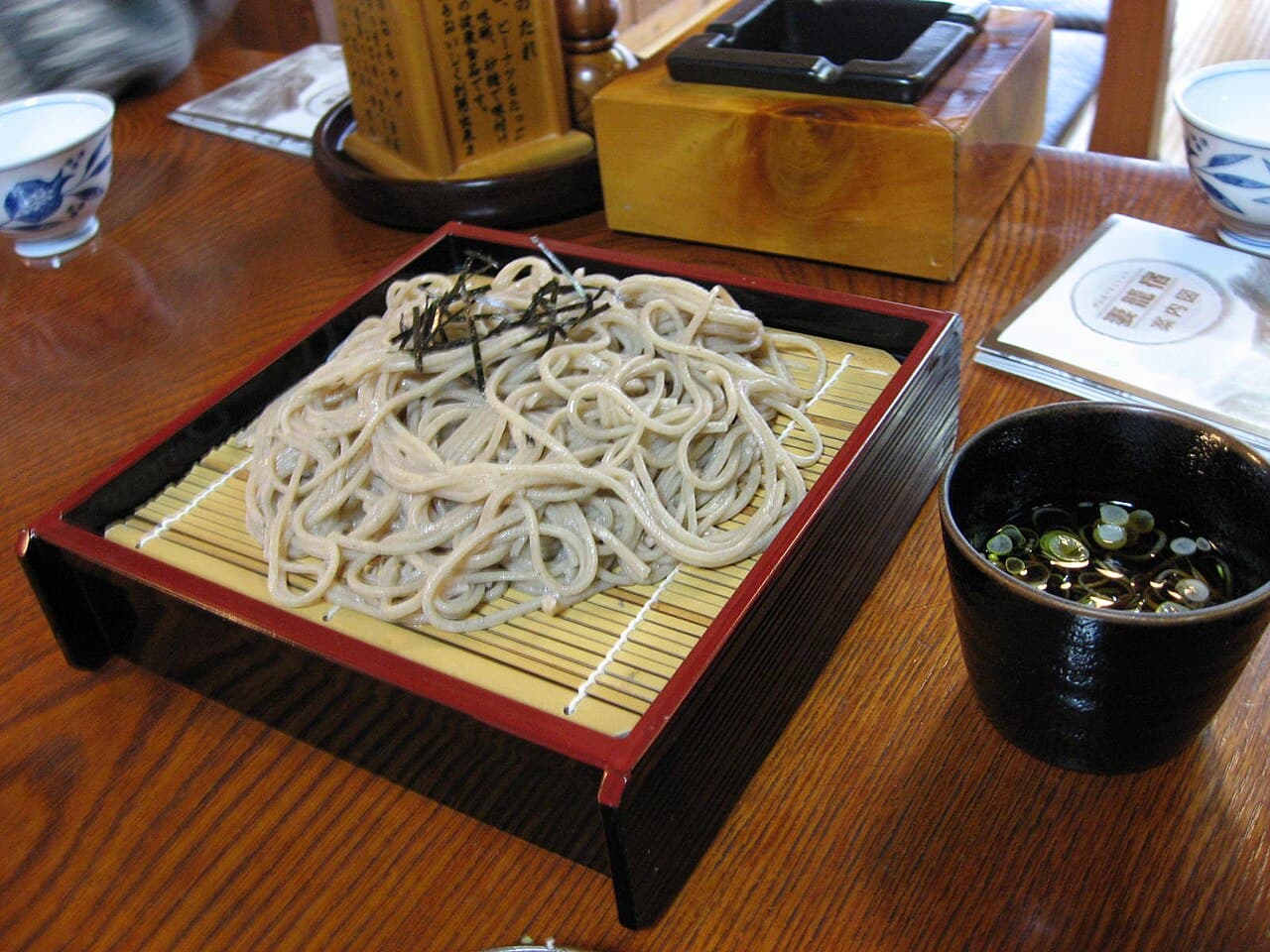
- Soba — buckwheat is naturally GF, but most restaurant soba is cut with wheat flour (ni-hachi = 20% wheat). Only 100%-buckwheat (juwari) shops are candidates, and even then the water is often shared with wheat noodles.
- Imitation crab (kani-kama) — usually contains wheat starch.
- Dashi granules & instant stocks — some contain wheat; freshly made katsuo/kombu dashi is usually safe.
- Malt vinegar, some ponzu, some mirin blends — check.
- Beer and mugi-shochu (barley shochu) — contain gluten. Rice-based sake and imo (sweet-potato) shochu are naturally GF.
Naturally gluten-free foods (the safer list)
- Plain steamed rice, onigiri (with GF filling, no soy glaze)
- Sashimi (bring your own tamari — the house soy sauce is wheat)
- Yakitori cooked with shio (salt), not tare (soy glaze)
- Grilled fish seasoned with salt
- Most mochi and rice crackers (but confirm — some are soy-glazed, and cross-risk exists)
- Sake and imo-shochu
Rice is your best friend here; when in doubt, choose rice-based and salt-seasoned.
Cross-contamination: the invisible trap
There's a real difference between a dedicated gluten-free kitchen and a place offering a "GF option" from a shared fryer, shared grill or shared noodle water. For celiac disease, shared equipment is a genuine risk, not a rounding error. Ask specifically: senyō no abura desu ka? (is the oil dedicated?). We never call a place "celiac-safe" unless it's a fully dedicated GF kitchen.
Eating with more confidence
Tokyo has a small but real cluster of fully dedicated gluten-free kitchens where cross-contamination isn't a worry — worth planning your day around. For the full mapped list and neighbourhood clusters, see the gluten-free Tokyo guide and the broader gluten-free Japan travel guide, plus our gluten-free directory.
Japan rewards preparation. Learn the danger list, carry tamari, favour rice, and confirm shared equipment — and you can eat genuinely well.
Places we’ve confirmed
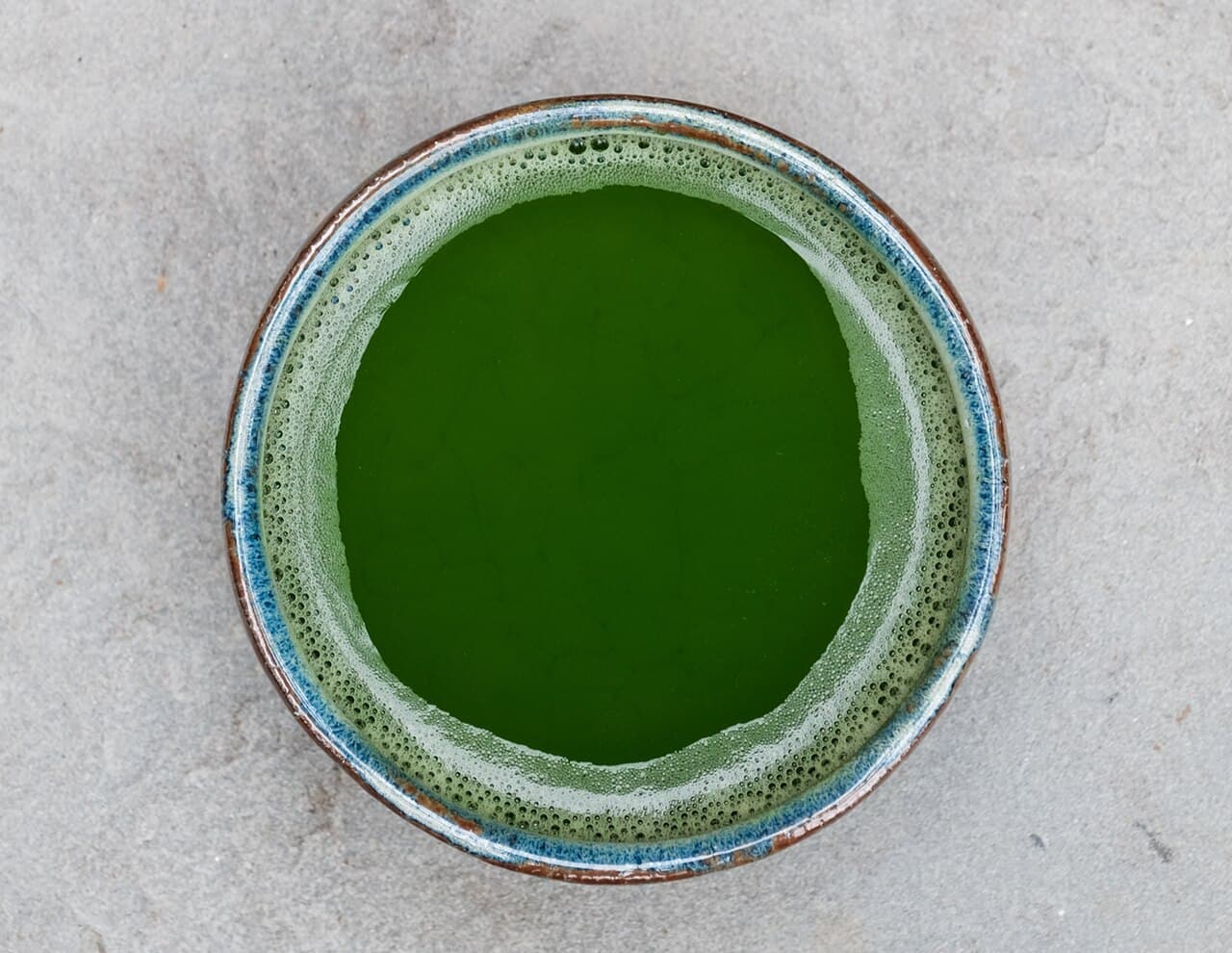
Cafe Komaya
Gluten-free cheesecake & matcha roll cake
A tiny 100% gluten-free cafe near Roppongi-itchome with English-speaking staff, chewy gluten-free lunches and a celebrated matcha roll cake.
- Gluten-free
- Casual
- Solo
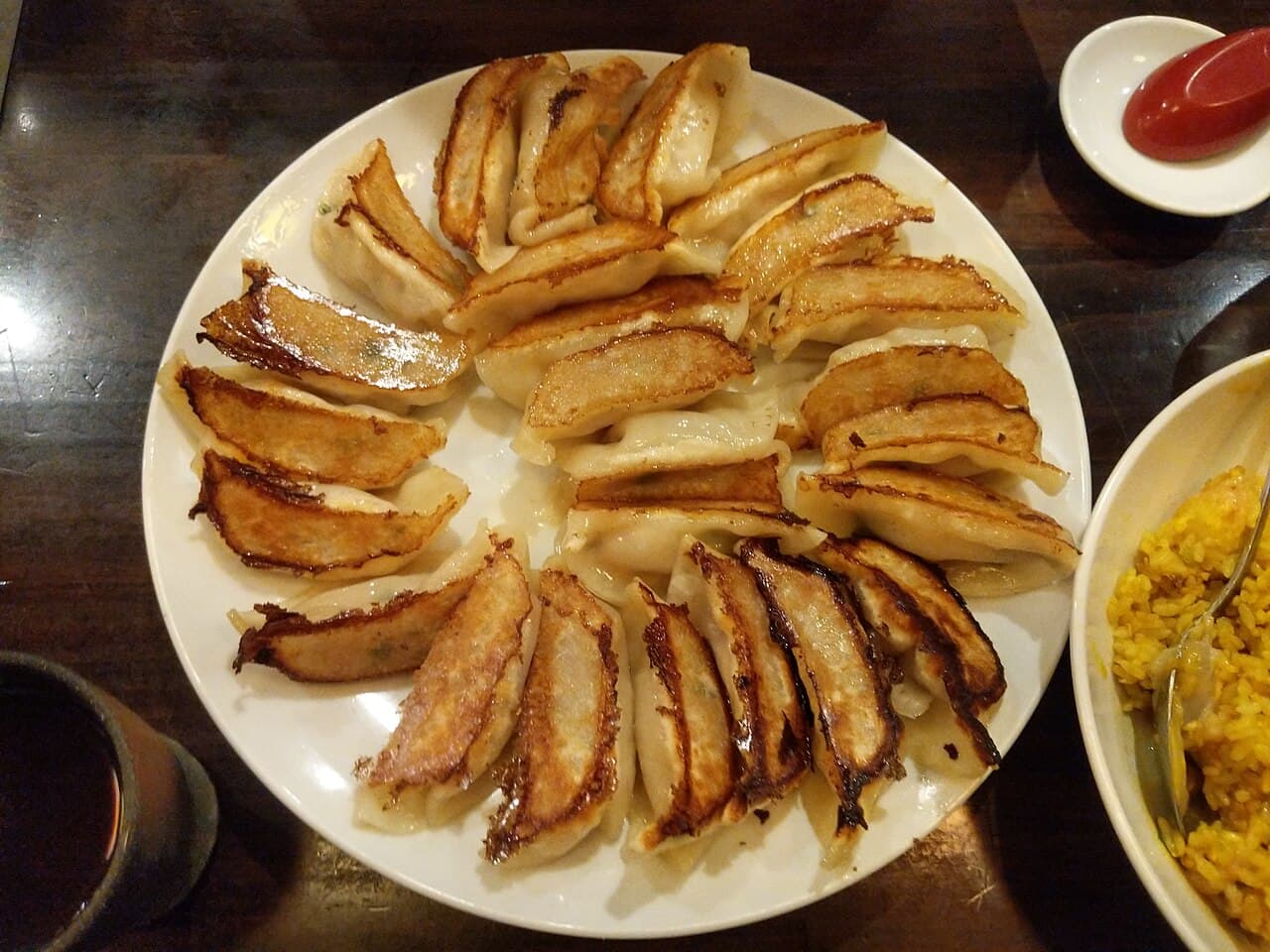
Gluten Free Cafe Little Bird
Gluten-free gyoza, karaage and yakisoba
A dedicated gluten-free cafe whose entire kitchen is wheat-free, serving GF Japanese comfort food such as gyoza, karaage, ramen and yakisoba with English-marked menus. Its Tabelog listing is currently status-undetermined, so confirm hours via its Instagram before visiting.
- Gluten-free
- Vegetarian
- Dairy-free
- Casual
- Solo
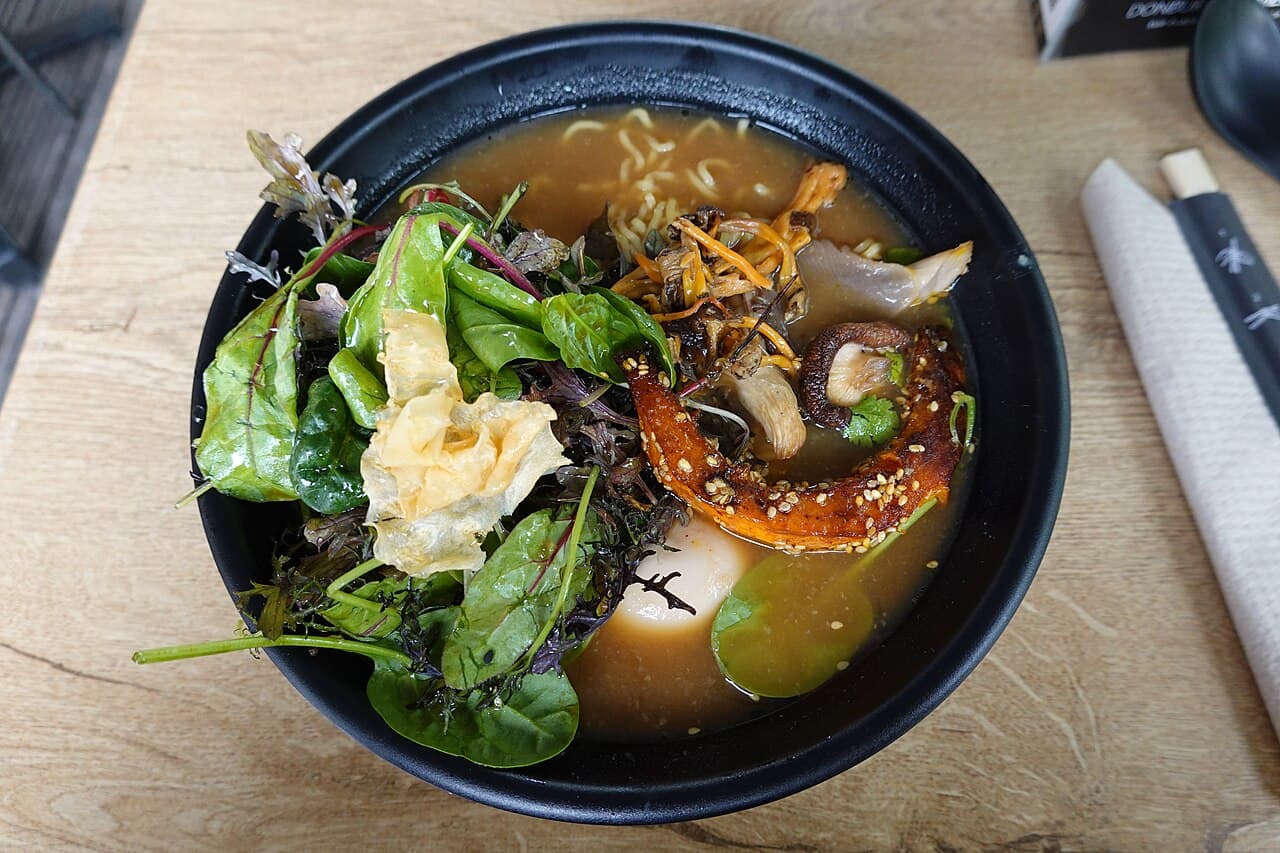
Gluten Free T's Kitchen
Rice-flour gyoza and miso-butter corn ramen
Asia's first GIG-certified gluten-free kitchen, where every dish — from rice-flour gyoza to miso-butter ramen — is safe for coeliac diners.
- Gluten-free
- Vegan
- Vegetarian
- Dairy-free
- Nut-free
- Casual
- Solo
GEN-TEN Gluten-free Bakery
Brown-rice (genmai) bread and gluten-free taiyaki
A dedicated gluten-free, rice-flour bakery counter in the basement of Shibuya Scramble Square, making breads, taiyaki and sweets with no wheat, additives or white sugar, and many items are vegan and dairy-free. It is a grab-and-go bakery rather than a sit-down meal, and as a dedicated GF facility cross-contamination risk is low though not certified celiac-safe.
- Gluten-free
- Vegan
- Dairy-free
- Casual
- Solo
Sources
FAQ
- Is Japanese soy sauce gluten-free?
- No — regular shoyu is brewed with wheat and is not gluten-free. Tamari has less wheat but many brands still contain some, so check the label or carry your own certified gluten-free tamari.
- Can celiacs eat soba in Japan?
- Usually not safely. Most soba is cut with wheat flour, and even 100%-buckwheat (juwari) shops often boil the noodles in water shared with wheat noodles, which is a cross-contamination risk for celiac disease.
- Is sushi safe for celiacs?
- Plain sashimi and rice are naturally gluten-free, but the house soy sauce contains wheat and imitation crab often has wheat starch. Bring your own tamari and skip kani-kama and tempura rolls.