
Dietary guide
Teishoku Dietary Guide: Eating a Japanese Set Meal on Any Diet
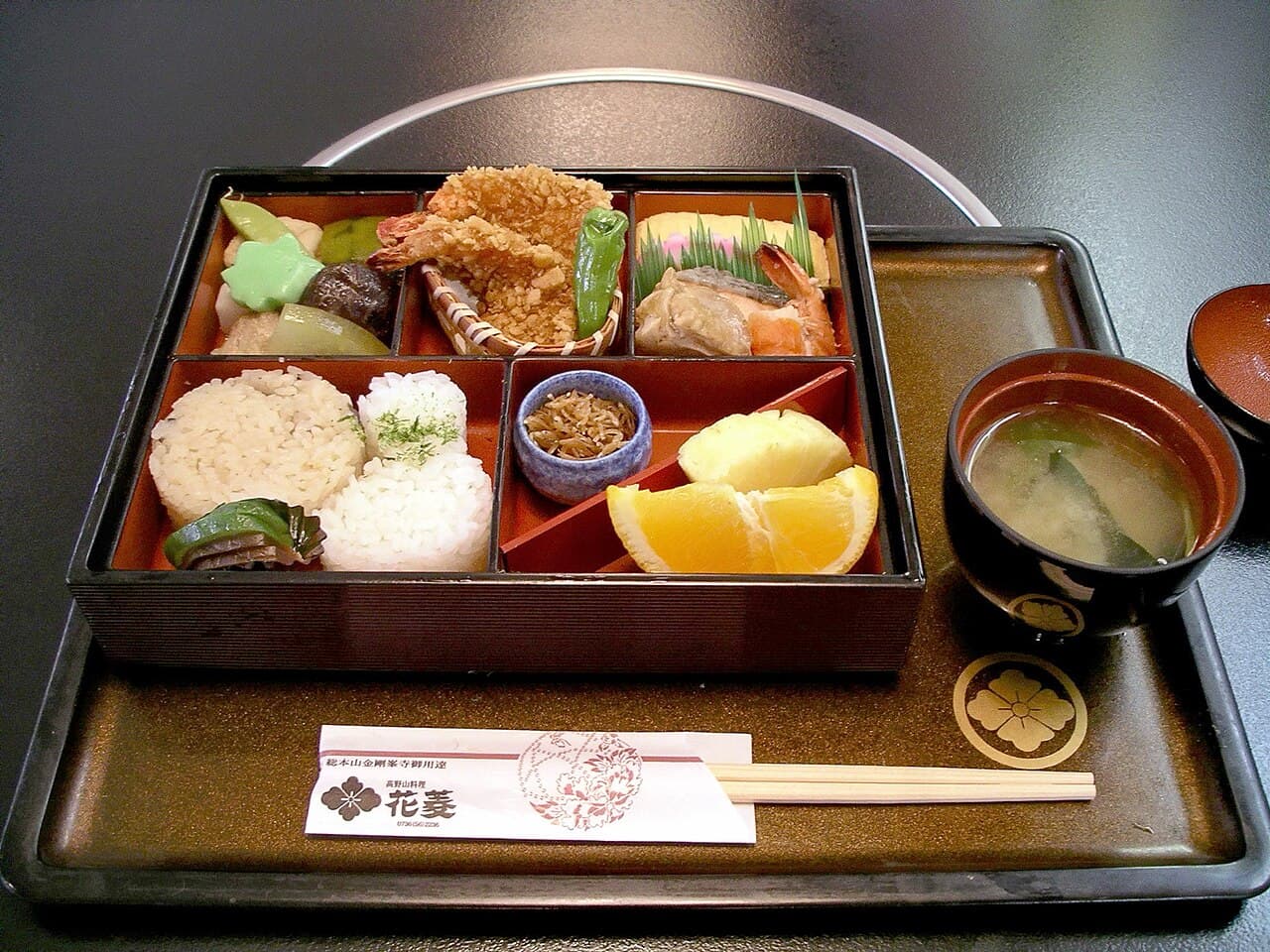
What a teishoku actually is
A teishoku (定食) is a fixed set: one main, a bowl of rice, a small bowl of miso soup, and a few pickles, often with a side. You'll see it at family diners, specialist shops, university canteens, and department-store restaurant floors. Because each element arrives separately on the tray, it's far easier to adjust than a one-bowl dish — you can skip, swap, or set aside a component without dismantling the meal.
The naturally safe core
- Plain white rice — vegan, gluten-free, and always the anchor.
- Most pickles (tsukemono) — usually just vegetables, salt, and rice bran, though some are dyed or seasoned with soy.
- Grilled fish or plain tofu mains, if you eat them, are often the least-processed choice on the menu.
The hidden traps
- Miso soup almost always contains dashi made from bonito (fish), so it isn't vegetarian by default. See is dashi vegan in Japan and our miso soup page.
- The main is usually glazed or simmered in soy sauce and mirin — and soy sauce usually contains wheat, so most teishoku mains are not gluten-free.
- Tonkatsu, tempura, and karaage are breaded and fried, often in shared oil.
- Egg turns up in unexpected places (oyakodon, tamagoyaki, some coatings).
Ordering by diet
Vegetarians and vegans: ask for the meal without the fish-based soup, and lean on tofu, simmered vegetables, and rice. Confirm the dashi honestly — many kind shops will swap in a plain soup or leave it off, but a "friendly" swap isn't a certified vegan kitchen.
Coeliacs: treat soy-glazed mains and anything breaded as off-limits unless the shop confirms a gluten-free soy sauce. Grilled fish with just salt (shioyaki) plus rice and pickles is often your safest tray, though check that nothing else is seasoned with soy. Our gluten-free Tokyo guide has more.
Muslim travellers: watch for pork, mirin and cooking sake (both contain alcohol), and hidden broth; a plainly grilled fish teishoku is usually the most navigable, but shops are rarely halal-certified — ask about seasonings.
Carry the phrases in our Japanese dietary phrases guide — a written card asking to remove the dashi or soy does more than spoken English ever will.
A format worth mastering
Because it's modular, the teishoku travels well. If a sit-down shop feels daunting, a convenience-store or department-basement bento borrows the same logic — a labelled main plus rice — and printed allergen charts make it easier to read. Master one tray and you've quietly unlocked thousands of restaurants across the country.
Sources
FAQ
- Is the miso soup in a teishoku vegetarian?
- Usually not. The dashi base is typically made from bonito (fish) flakes, so miso soup isn't vegetarian by default. Ask for it without dashi or skip it — some shops can offer a plain vegetable soup instead.
- Can I eat teishoku gluten-free?
- Often the main is glazed in soy sauce, which usually contains wheat, so always ask. A salt-grilled fish (shioyaki) set with rice and pickles is usually your safest gluten-free tray, but confirm nothing else is seasoned with soy.
- What's the easiest teishoku to order on a restricted diet?
- A plainly grilled fish set — grilled with just salt, served with rice, pickles, and a miso soup you can skip — is one of the most flexible and widely available options across diets.