
Dietary guide
Japanese Family Restaurants Dietary Guide: Eating at Saizeriya, Gusto & Co.
Family restaurants (ファミレス, famiresu) are the diner-style chains you'll see near stations and along suburban roads all over Japan. They aren't fine dining, and that's exactly why they're useful when you're tired, on a budget, or travelling with picky eaters. See Tokyo on any budget for how they fit a lean trip.
Why they work for special diets
- Allergen charts. Most large chains publish a chart listing Japan's statutory allergens (egg, milk, wheat, shrimp, crab, buckwheat, peanut and, since a recent update, walnut) plus many optional ones. It's usually online and sometimes on a tablet at the table.
- Photo & English menus. You order by picture or touchscreen, so you rarely have to explain yourself under pressure.
- Customisable plates. Sides, drink bars, salads and grilled items can often be combined into a safe meal even when no single dish is labelled for your diet.
Vegetarians & vegans
Naturally safer bets: green salads (dressing on the side), edamame, corn, fries (check the fryer), plain rice, and the ever-present drink bar. Doria and gratin are usually not vegetarian — they often lean on meat sauce and dashi (which is fish-based). A tofu or vegetable-forward plate is your friend, but confirm the soup base. Honey may appear in dressings; egg is common. Full vegans should treat these places as "assemble your own" rather than expecting a labelled vegan dish.
Coeliacs & gluten-free
Be cautious. Soy sauce, most sauces, fried items and the bread basket all contain wheat, and kitchens are not gluten-free. A GF option is not a GF kitchen. Plain grilled meat or fish, rice and simple salad are your safest route — verify against the chart. For a proper strategy, read the gluten-free Tokyo guide.
Muslim & pork-avoiding travellers
Pork hides in unexpected places: gyoza, some soups, bacon bits, and sauces. Family restaurants are not halal-certified, so treat this as pork-avoidance, not certification. Chicken, grilled fish and vegetable plates are more predictable. For certified options, see the halal Tokyo guide.
Order-by-order phrases
- "アレルギー表はありますか?" — Do you have an allergen chart?
- "豚肉は入っていますか?" — Does this contain pork?
- "ドレッシングは別にできますか?" — Can I have the dressing on the side?
Dishes worth knowing
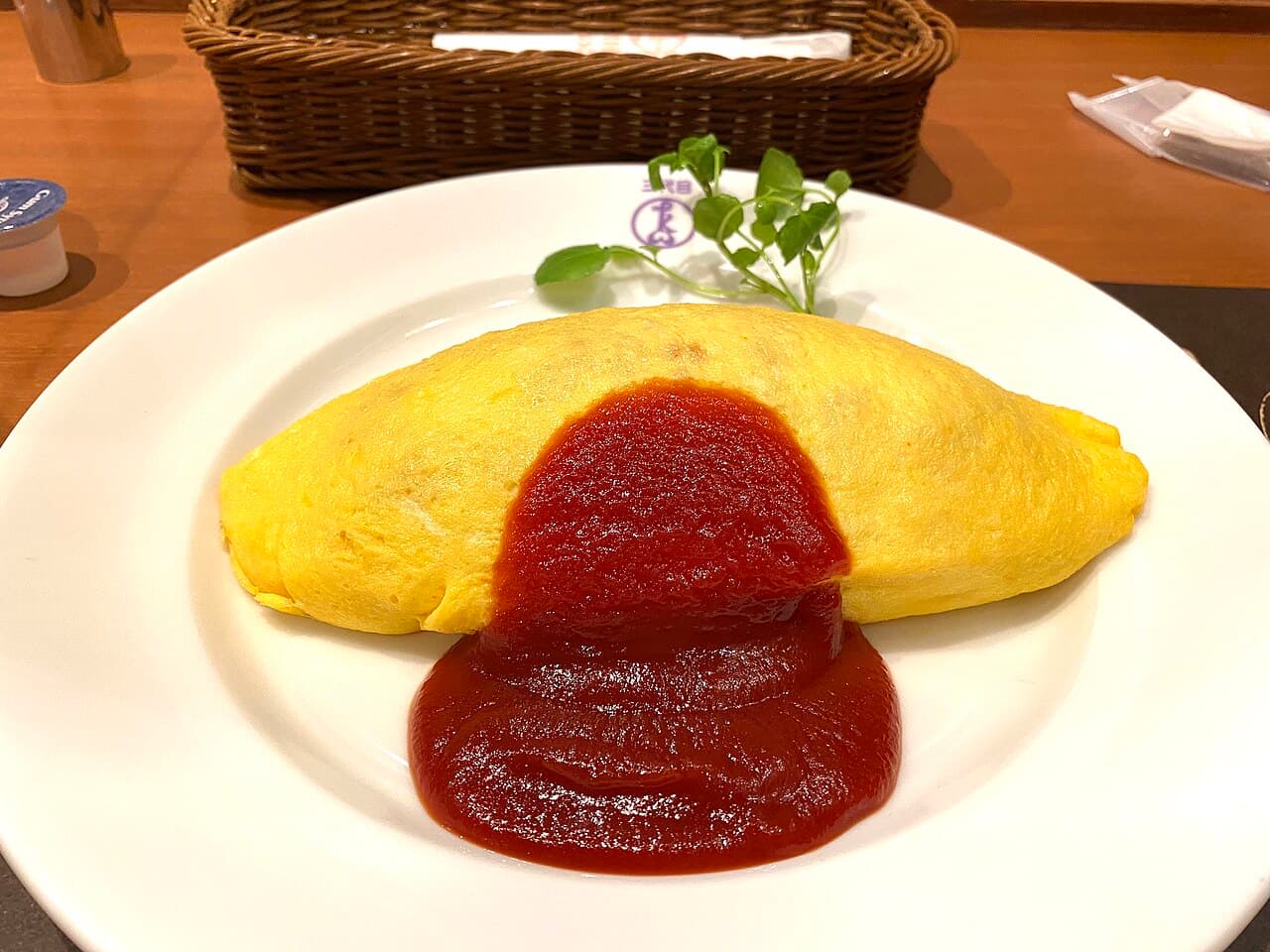
Some crowd-pleasers here are ones you'll meet everywhere: Japanese curry (often contains beef fat and a wheat-based roux — check) and omurice (a thin omelette over ketchup rice — but the rice underneath often contains chicken, so confirm before assuming it's meat-free).
The honest bottom line: family restaurants won't certify anything, but with the allergen chart in hand and a couple of phrases ready, they're one of the easiest, cheapest ways to eat a safe, calm meal anywhere in Japan.
FAQ
- Do Japanese family restaurants really have English menus?
- Many do, either as a printed English menu, a photo menu, or a multilingual tablet at the table. It varies by chain and branch, so it's worth checking, but you can almost always order by picture even where English is limited.
- Can a vegan actually eat at Saizeriya or Gusto?
- You can assemble a meal — salads, edamame, corn, fries, plain rice — but expect to build it yourself rather than find a labelled vegan dish. Watch for egg, dashi and honey, and confirm the fryer isn't shared with meat.
- Are family restaurants safe for coeliacs?
- Treat them as low-risk options, not gluten-free kitchens. Soy sauce, sauces and fried foods contain wheat and there's cross-contact. Plain grilled meat or fish with rice, checked against the allergen chart, is the safest route.