
Dietary guide
Yakiniku Gluten-Free: How to Eat Japanese BBQ Safely
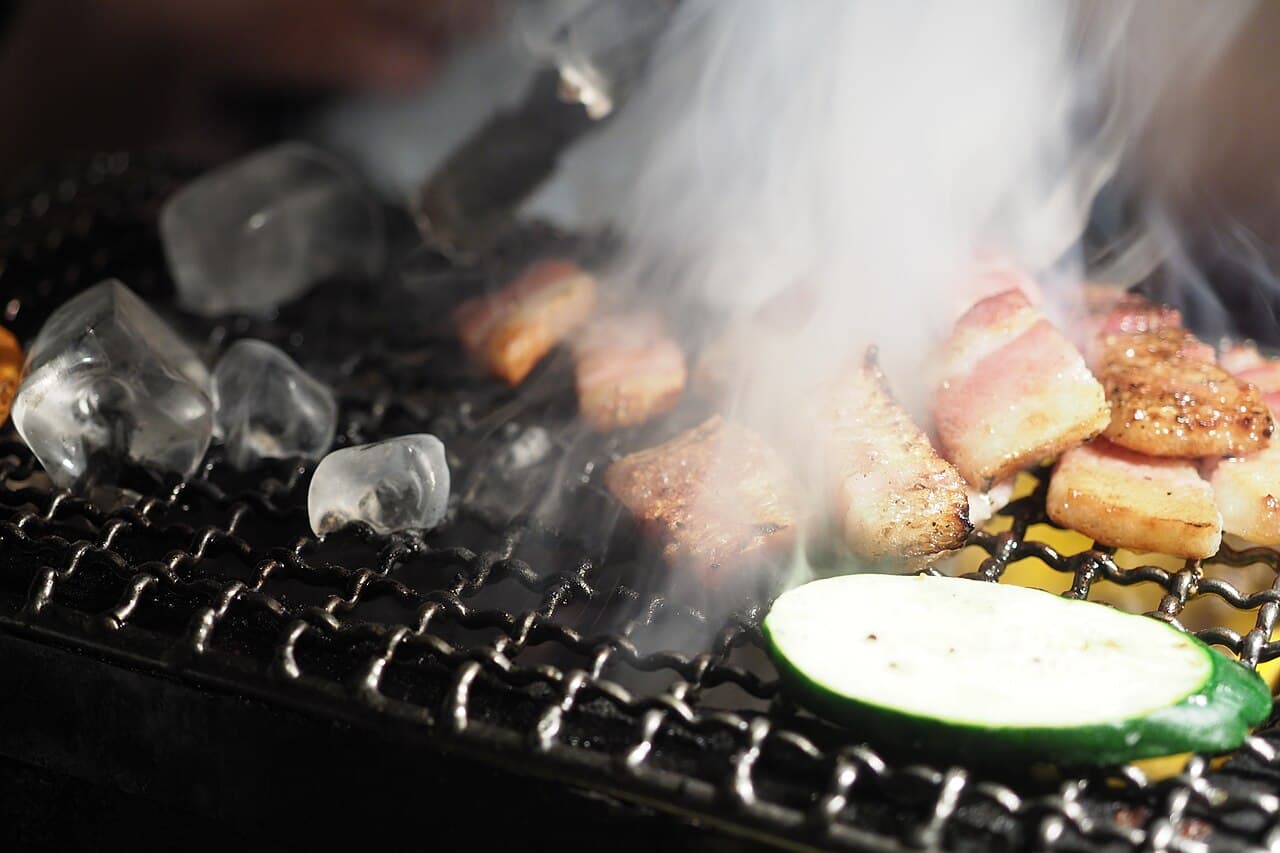
Yakiniku (Japanese BBQ) gluten free is very doable: order shio (salt) cuts instead of tare (soy-sauce marinade), skip pre-marinated meats, and ask for a clean grill. Salt-grilled wagyu is a safe, delicious default. Watch the dipping tare, the ponzu, and wheat-noodle reimen on the sides. Rice is your friend; the soy sauce is the enemy.
The good news: at its heart, yakiniku is just meat and fire. You grill it yourself, so you control what touches your food. The risk isn't the beef — it's the seasoning around it.
Why yakiniku can work for gluten-free
Regular Japanese soy sauce is brewed with wheat, and yakiniku's signature tare marinade is soy-sauce based. That single fact drives every decision here. But most menus offer the same cuts two ways: tare (marinated) or shio (just salt, sometimes with a little sesame oil and pepper). Choose shio and a huge amount of the menu opens up. See our is soy sauce gluten free in Japan explainer for the wheat details.
Order this (naturally safer)
- Shio cuts — salt-grilled tongue (tan-shio), harami, karubi, plain wagyu. Ask "shio de" (with salt).
- Plain unseasoned meats grilled and dipped in lemon, salt, or wasabi.
- White rice and most plain vegetables (garlic, mushrooms, corn, kabocha).
- A fresh section of grill or a new mesh — grease from a neighbour's tare transfers.
Watch out for (the traps)
- Tare — the house dipping sauce and marinades: assume wheat unless told otherwise.
- Pre-marinated meats (aji-tsuke karubi, pork belly in sauce) — skip these.
- Reimen / naengmyeon — the cold noodle side is usually wheat. So is ramen-style closers.
- Ponzu — often gluten-free, but it can contain soy sauce, so confirm.
- Shared grill and tongs — cross-contamination from a marinated cut on the same surface.
- Dashi, egg, honey in dips and side dishes if you also avoid those.
What to say
Bring an allergy card in Japanese. Two useful lines: "Komugi arerugii ga arimasu" (I have a wheat allergy) and "Shio de yaite kudasai" (please season with salt only). Ask them to bring a clean grill mesh before you start.
The honest limits
Most yakiniku restaurants are gluten-friendly, not certified. A shared grill means we can't call any of them "celiac-safe" without checking — coeliacs should ask directly about a fresh grill and separate tongs. For fully dedicated kitchens, our gluten-free Tokyo guide and the gluten-free hub list certified spots. And since sauces trip people up everywhere, our is teriyaki gluten free in Japan note is worth a glance.
Order shio, keep the grill clean, and salt-grilled wagyu will do the rest.
Sources
FAQ
- Is the tare sauce at yakiniku gluten-free?
- Usually no. The classic tare marinade and dipping sauce are soy-sauce based, and regular Japanese soy sauce contains wheat. Order shio (salt) cuts instead, and dip in lemon, salt, or plain wasabi.
- Can a coeliac eat at a normal yakiniku restaurant?
- Often yes, with care — order salt-grilled meats and skip marinades. But standard yakiniku places aren't certified and use a shared grill, so ask for a fresh grill mesh and separate tongs. If you need full certainty, choose a dedicated gluten-free restaurant.
- What's a safe default dish to order?
- Salt-grilled wagyu or tan-shio (salt tongue) with white rice. Say 'shio de' (with salt) and avoid the wheat-noodle reimen side. Confirm ponzu is soy-free before using it.