
Dietary guide
Is Soba Gluten-Free in Japan? The Honest Answer (Juwari vs Nihachi)
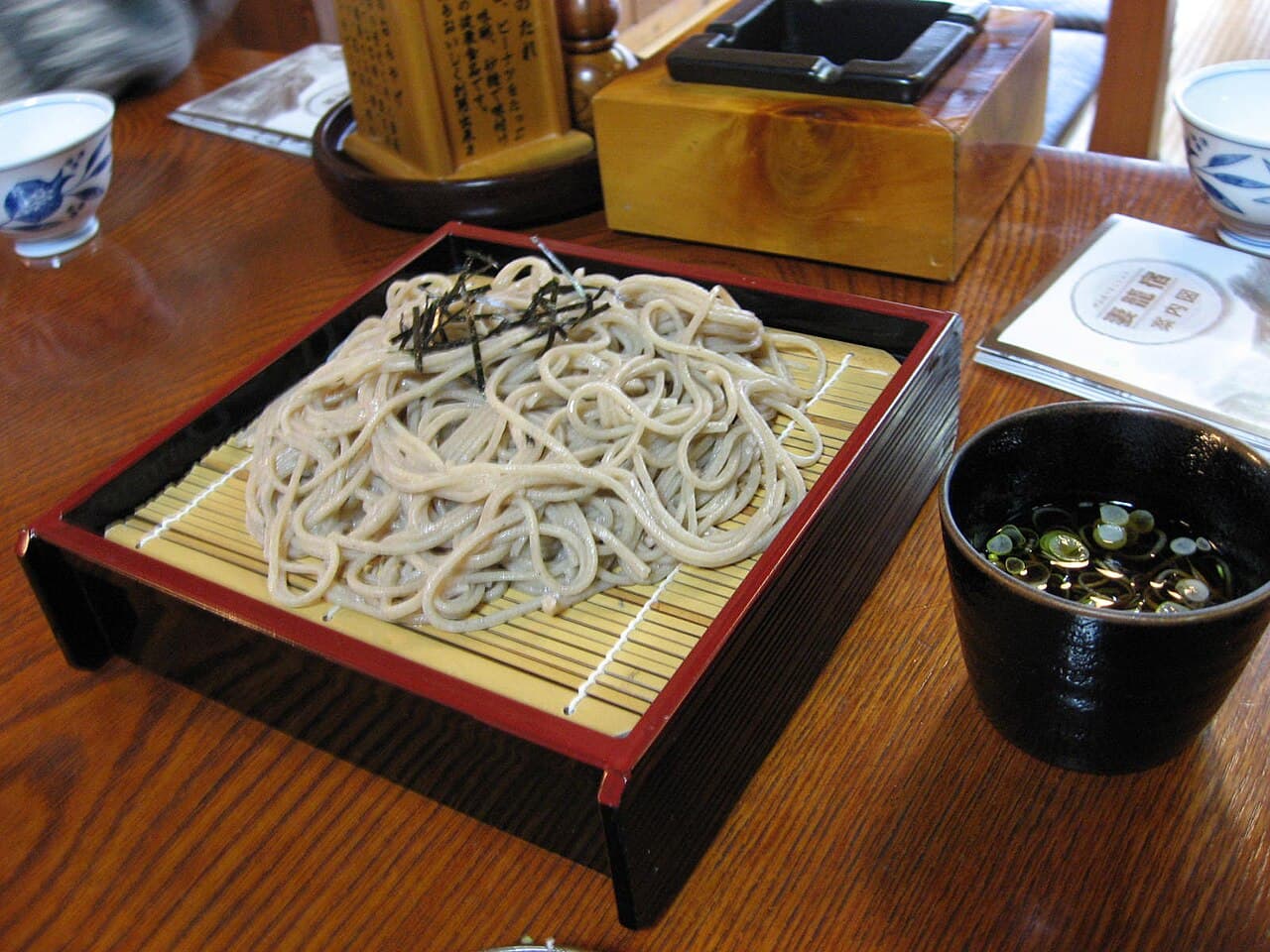
The short answer: it depends on the flour
Buckwheat is a seed, not a grain, and contains no gluten. So in theory a bowl of soba should be safe. In practice, most soba you will meet in Tokyo is nihachi — literally "two-eight," 80% buckwheat to about 20% wheat flour, blended in as a binder to make the dough easier to cut and pleasantly springy. Some shops use even more wheat. That wheat is exactly what a gluten-free diner cannot have.
The version you want is juwari (十割), 100% buckwheat. It has a rougher, nuttier bite and a shorter, more fragile strand — and far fewer shops make it, because it is harder to work. When you see "十割" on the sign or the menu, that is your signal.
Even juwari has two hidden traps
Ordering juwari is only half the job. Two things still catch people out:
The broth. The dipping sauce (mentsuyu) and hot soup are built on soy sauce, and ordinary Japanese soy sauce is brewed with wheat. Ask for tamari, and know that even some tamari contains a little wheat — so "gluten-free soy sauce" is not automatic. If the shop can't confirm, eat the noodles with salt or grated daikon instead of the standard tsuyu.
The water. A shop that also serves udon — a pure wheat noodle — often boils both in the same pot. That shared water carries enough gluten to matter for anyone sensitive. And the tempura on top is battered in wheat flour, full stop. This is a classic GF-option-versus-GF-kitchen distinction, and it is why we never call a friendly soba shop "celiac-safe" unless a dedicated setup is verified.
Where to eat soba (and buckwheat) with more confidence
For genuine handmade juwari, Tamawarai in Jingumae is a well-regarded 100%-buckwheat house; Juwari Soba Tokyo Basso near Bakurocho makes its name on the same 100% promise. Confirm the broth and pot at either.
If you want a kitchen with no wheat in the building at all, Cafe Komaya in Roppongi runs fully gluten-free, and Gluten Free Cafe Little Bird near Yoyogi-Hachiman is a dedicated GF Japanese cafe (gyoza, sweets). For a wheat-free carb fix, GEN-TEN Gluten-free Bakery in Shibuya bakes with brown rice.
How to eat well
Learn one phrase: "Juwari desu ka?" (Is this 100% buckwheat?). Then ask two follow-ups — is the tsuyu wheat-free, and do you boil udon in the same water? Rice-based dishes are your reliable fallback. For the wider map, see our gluten-free Tokyo guide, the is sushi gluten-free explainer, gluten-free ramen in Tokyo, and the full gluten-free directory.
Places we’ve confirmed
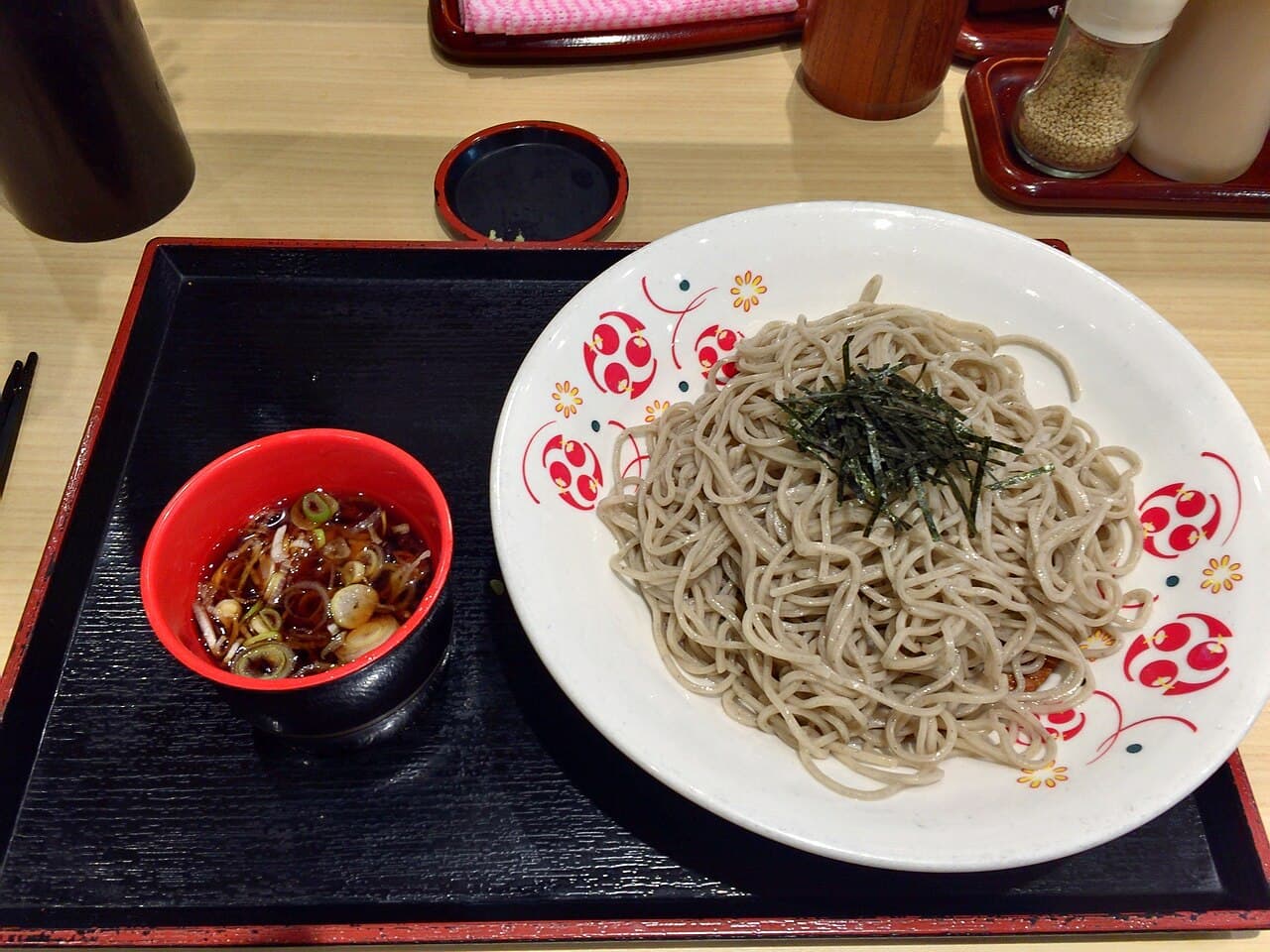
Tamawarai
Juwari (100% buckwheat) soba, stone-milled in-house daily
A Michelin-starred soba sanctuary where the chef grows and hand-mills his own Ibaraki buckwheat into pure 100% juwari noodles — the closest a coeliac traveller comes to trustworthy Tokyo soba.
- Gluten-free
- Vegetarian
- Solo
- Date
Juwari Soba Tokyo Basso
Three styles of juwari soba (inaka, sarashina, dattan)
A specialist serving juwari (100% buckwheat) soba with no wheat flour, so the noodles themselves are naturally gluten-free. Note the standard dipping sauce/soba-yu and a shared kitchen mean it is not certified celiac-safe; confirm the tsuyu if you are highly sensitive.
- Gluten-free
- Casual
- Solo
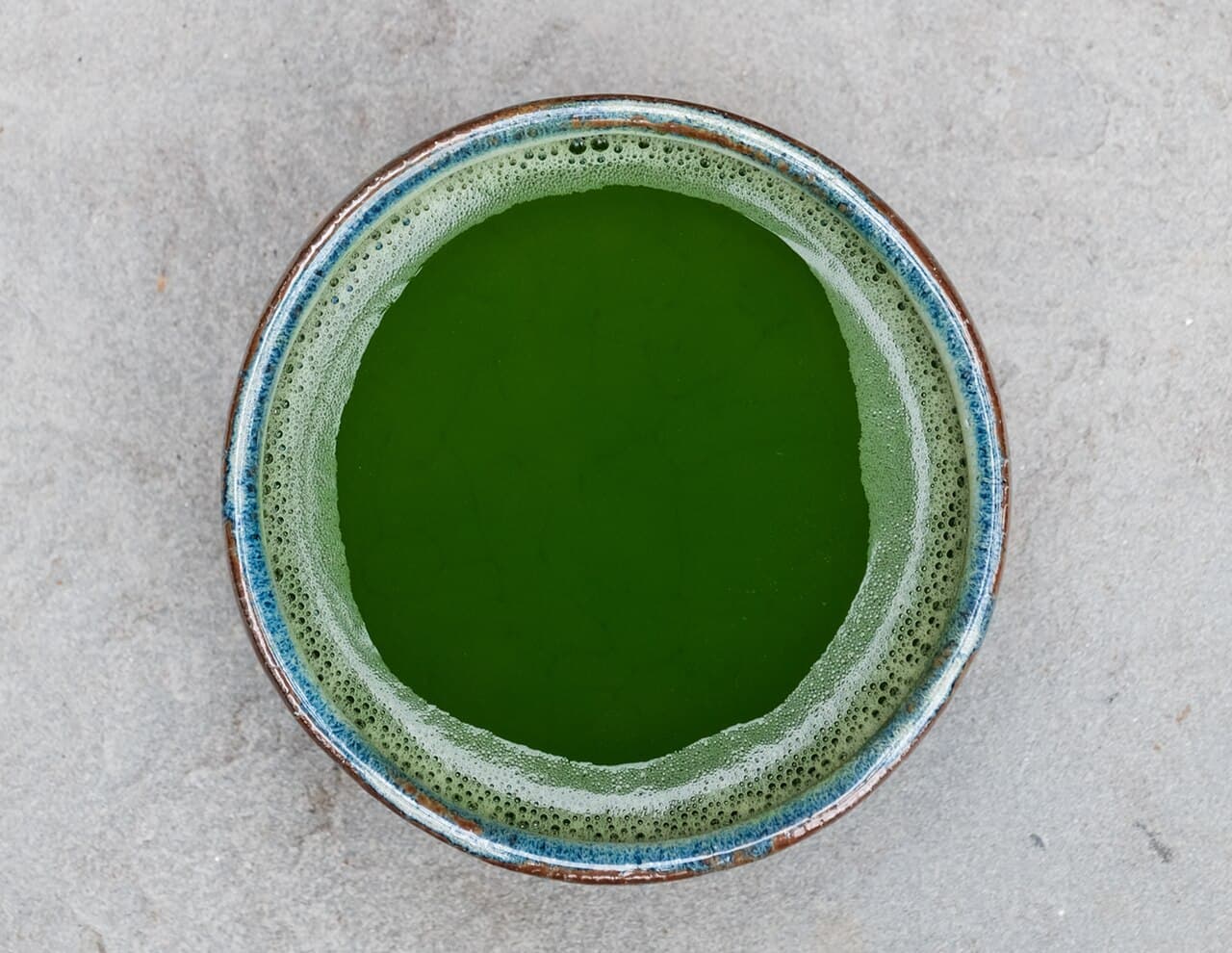
Cafe Komaya
Gluten-free cheesecake & matcha roll cake
A tiny 100% gluten-free cafe near Roppongi-itchome with English-speaking staff, chewy gluten-free lunches and a celebrated matcha roll cake.
- Gluten-free
- Casual
- Solo
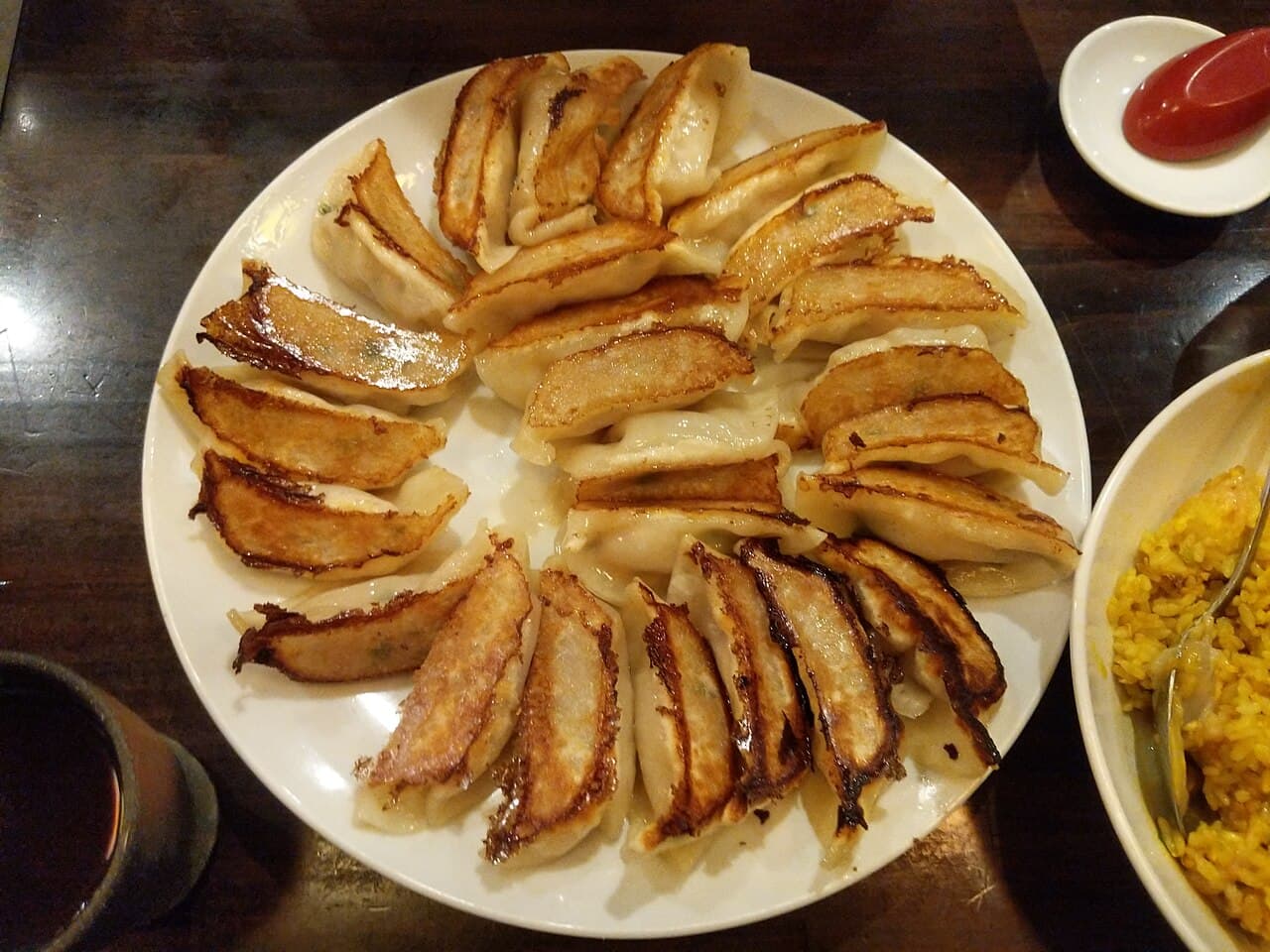
Gluten Free Cafe Little Bird
Gluten-free gyoza, karaage and yakisoba
A dedicated gluten-free cafe whose entire kitchen is wheat-free, serving GF Japanese comfort food such as gyoza, karaage, ramen and yakisoba with English-marked menus. Its Tabelog listing is currently status-undetermined, so confirm hours via its Instagram before visiting.
- Gluten-free
- Vegetarian
- Dairy-free
- Casual
- Solo
GEN-TEN Gluten-free Bakery
Brown-rice (genmai) bread and gluten-free taiyaki
A dedicated gluten-free, rice-flour bakery counter in the basement of Shibuya Scramble Square, making breads, taiyaki and sweets with no wheat, additives or white sugar, and many items are vegan and dairy-free. It is a grab-and-go bakery rather than a sit-down meal, and as a dedicated GF facility cross-contamination risk is low though not certified celiac-safe.
- Gluten-free
- Vegan
- Dairy-free
- Casual
- Solo
Sources
FAQ
- What is the difference between juwari and nihachi soba?
- Juwari (十割) is 100% buckwheat and contains no wheat, so the noodle itself is gluten-free. Nihachi is roughly 80% buckwheat and 20% wheat flour used as a binder — that wheat makes it unsafe for a gluten-free diet.
- How do I ask if soba is gluten-free in Japanese?
- Ask "Juwari desu ka?" (十割ですか?) to check it is 100% buckwheat. Then confirm the dipping broth is wheat-free and that they don't boil udon in the same water — those are the two most common sources of gluten.
- Is soba broth (mentsuyu) gluten-free?
- Usually not. Mentsuyu is built on soy sauce, and standard Japanese soy sauce is brewed with wheat. Tamari is a better bet, but some tamari still contains a little wheat, so ask — or eat the noodles with salt or grated daikon instead.