
Dietary guide
Is mochi gluten-free? Yes, with three exceptions
The short answer
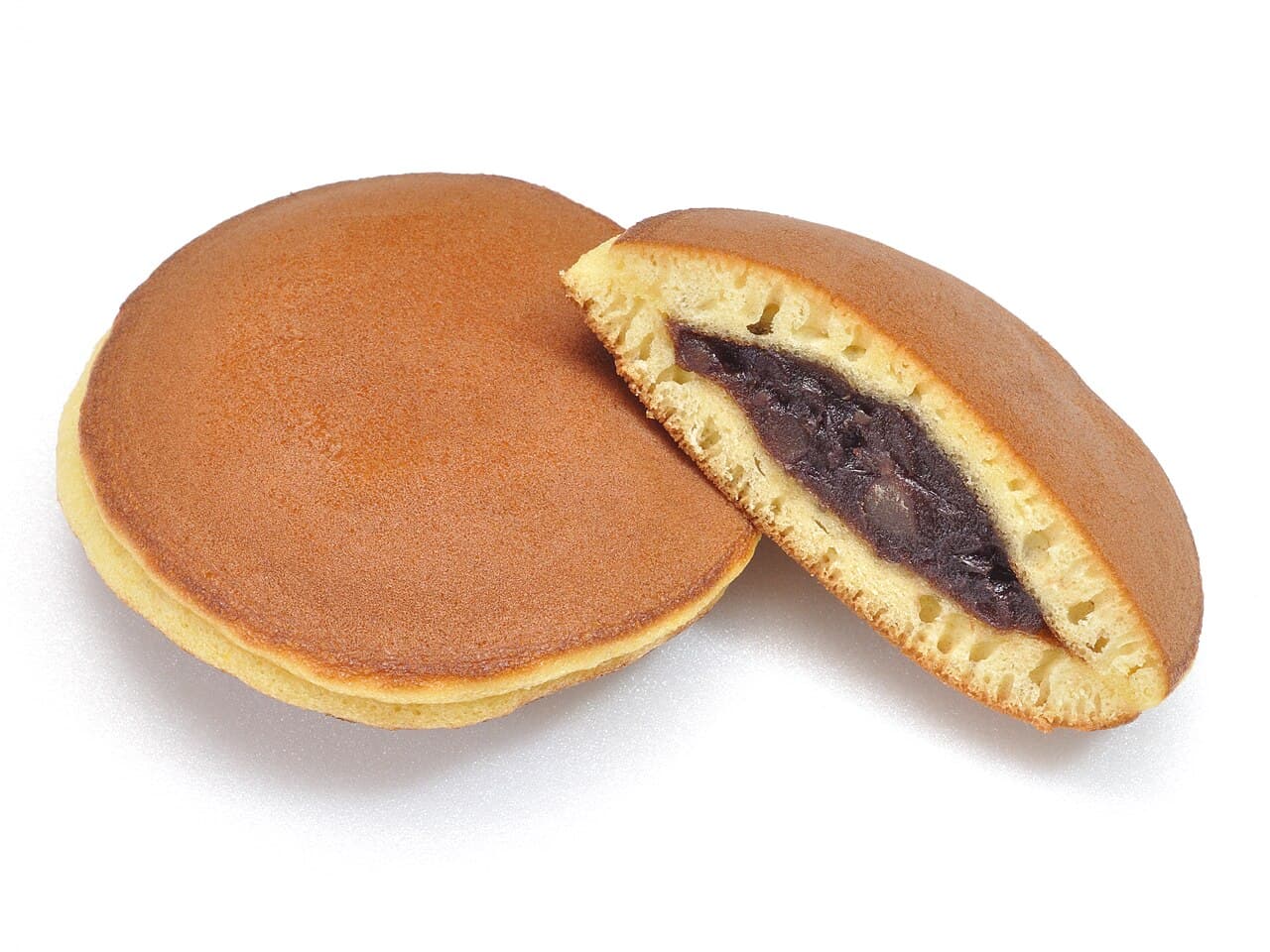
Good news for the sweet tooth: plain mochi is gluten-free. It is pounded from mochigome (short-grain glutinous rice), and despite the confusing English name, "glutinous" describes the sticky, stretchy texture — not the protein gluten, which rice does not contain. Daifuku (mochi stuffed with sweet red bean), kinako-dusted mochi and most wagashi built on rice are naturally safe for coeliacs.
The three exceptions to know
- Soy-sauce glazes. Mitarashi dango and any savoury soy glaze are made with wheat-brewed soy sauce — so a skewer of grilled mochi in shiny brown sauce is not gluten-free.
- Kanto-style kuzumochi. Confusingly, the kuzumochi (久寿餅) sold in eastern Japan, including around Tokyo, is traditionally made from fermented wheat starch, not rice or kudzu — definitely not gluten-free. Kansai kuzumochi made from kudzu starch is fine.
- Cross-contamination. Mochi dusted with shared flour, or made in a kitchen that also handles wheat sweets, can pick up traces. For strict coeliacs this matters.
Where to eat it safely
Dedicated gluten-free and vegan wagashi cafes (our picks below) make ohagi, daifuku and warabi-mochi in wheat-free kitchens. Warabimochi (from bracken starch) and shiratama (rice flour) dumplings are naturally gluten-free too. See our gluten-free Tokyo guide for the wider map. Recipes vary, so confirm the glaze and the kitchen with staff when it matters.
Places we’ve confirmed
NO OHAGI
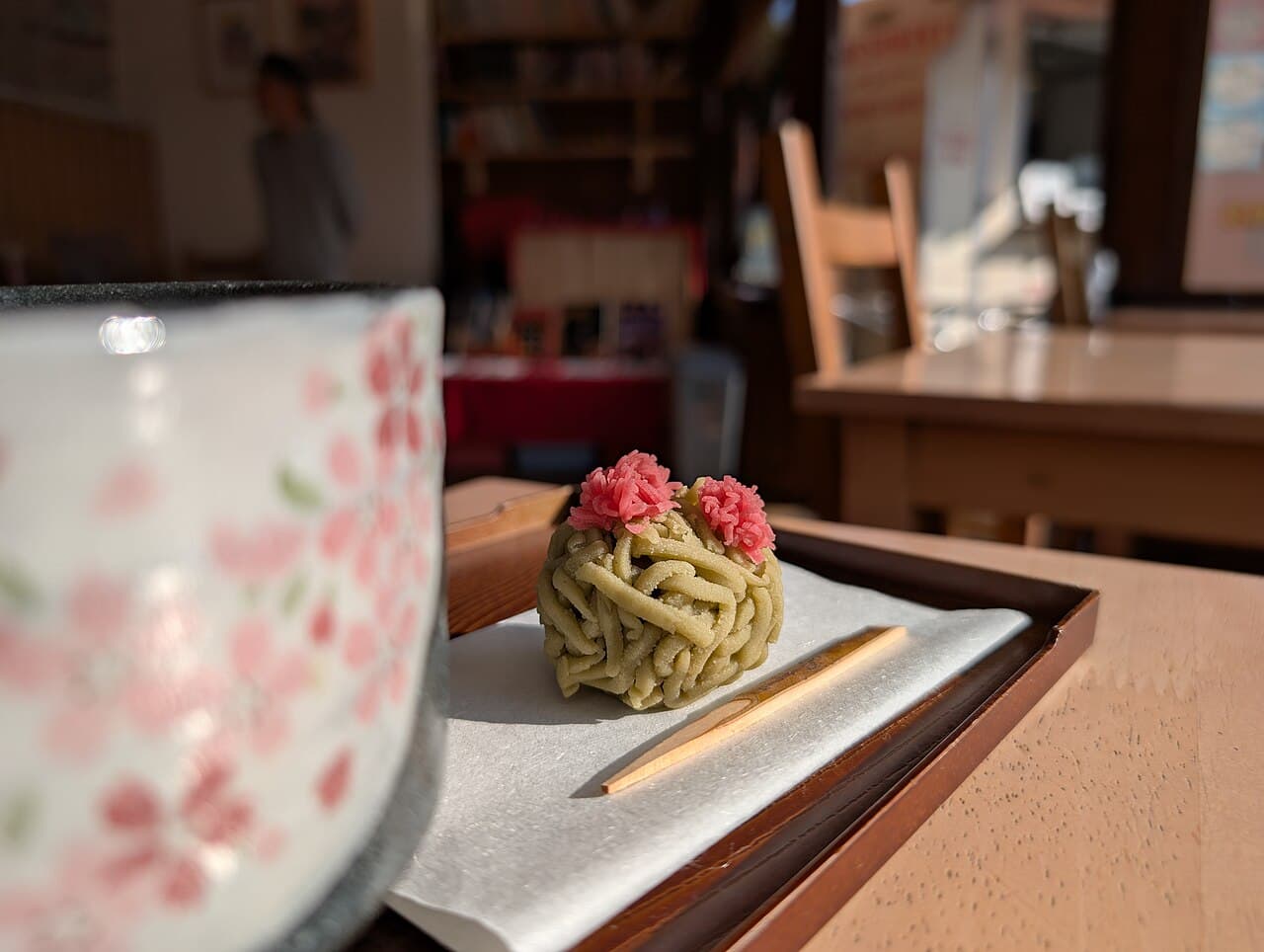
Seasonal ohagi & kuzumochi soy-milk shakes
A stylish little Daikanyama ohagi cafe where the rice-and-bean sweets and kuzumochi shakes are all gluten-free, vegan, dairy-free and free of white sugar.
- Gluten-free
- Vegan
- Dairy-free
- Casual
- Solo
premium SOW
Plant-based gluten-free Mont Blanc & rice-flour gelato
A French-style Daikanyama patisserie where every cake, doughnut and scoop of gelato is fully vegan and gluten-free, built on rice flour and plant milk.
- Gluten-free
- Vegan
- Dairy-free
- Casual
- Date
FAQ
- Why is mochi called 'glutinous' if it's gluten-free?
- 'Glutinous' here means sticky — it describes the texture of the rice, not the protein gluten. Glutinous (mochi) rice contains no gluten at all.
- Is kuzumochi gluten-free?
- It depends on the region. Kanto/Tokyo-style kuzumochi is made from fermented wheat starch and is not gluten-free; Kansai kuzumochi from kudzu starch is.