Dietary guide
Is mochi gluten-free? Yes, with three exceptions

The short answer
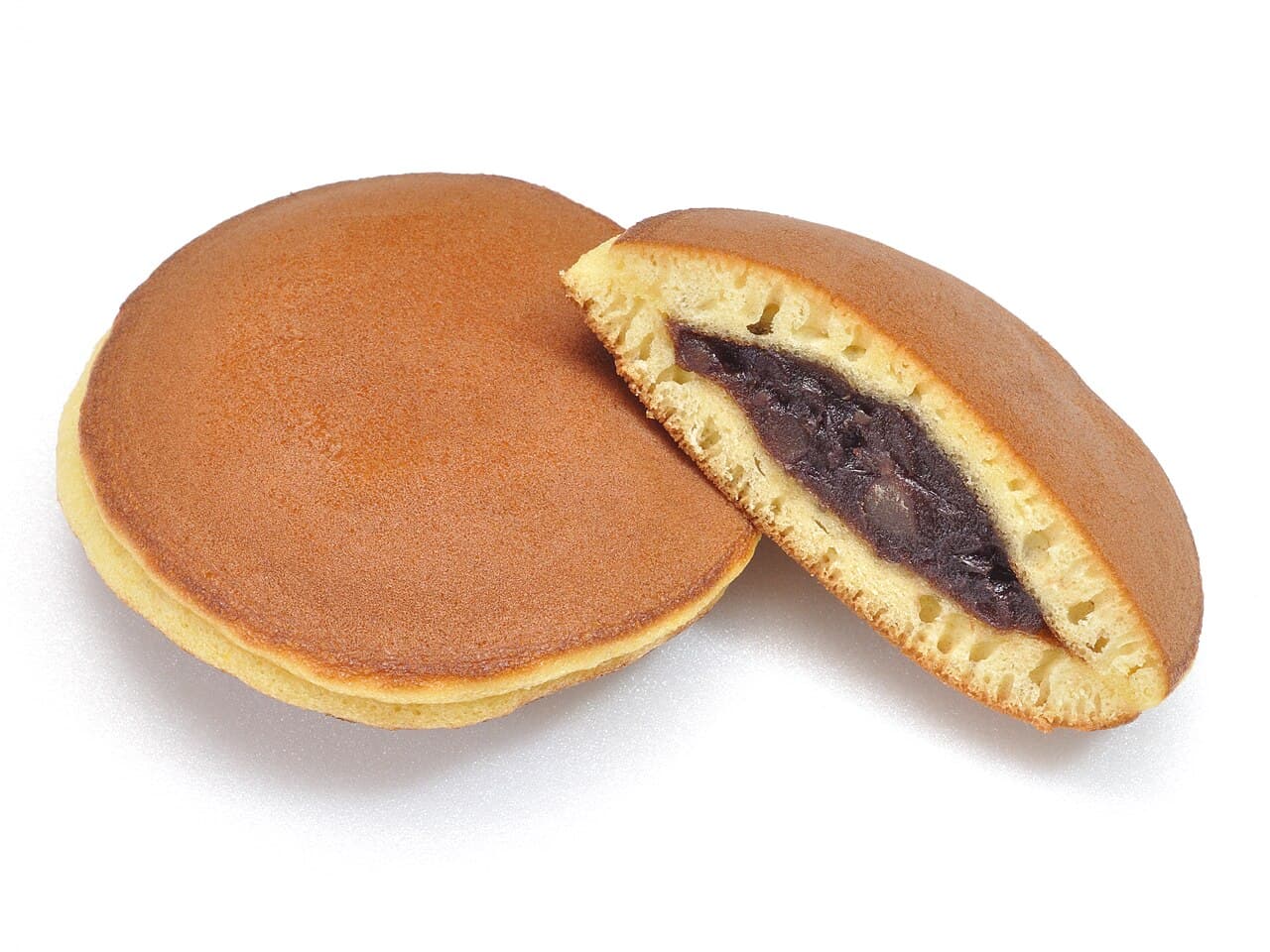
Good news for the sweet tooth: plain mochi is gluten-free. It is pounded from mochigome (short-grain glutinous rice), and despite the confusing English name, "glutinous" describes the sticky, stretchy texture — not the protein gluten, which rice does not contain. Daifuku (mochi stuffed with sweet red bean), kinako-dusted mochi and most wagashi built on rice are naturally safe for coeliacs.
The three exceptions to know
- Soy-sauce glazes. Mitarashi dango and any savoury soy glaze are made with wheat-brewed soy sauce — so a skewer of grilled mochi in shiny brown sauce is not gluten-free.
- Kanto-style kuzumochi. Confusingly, the kuzumochi (久寿餅) sold in eastern Japan, including around Tokyo, is traditionally made from fermented wheat starch, not rice or kudzu — definitely not gluten-free. Kansai kuzumochi made from kudzu starch is fine.
- Cross-contamination. Mochi dusted with shared flour, or made in a kitchen that also handles wheat sweets, can pick up traces. For strict coeliacs this matters.
Where to eat it safely
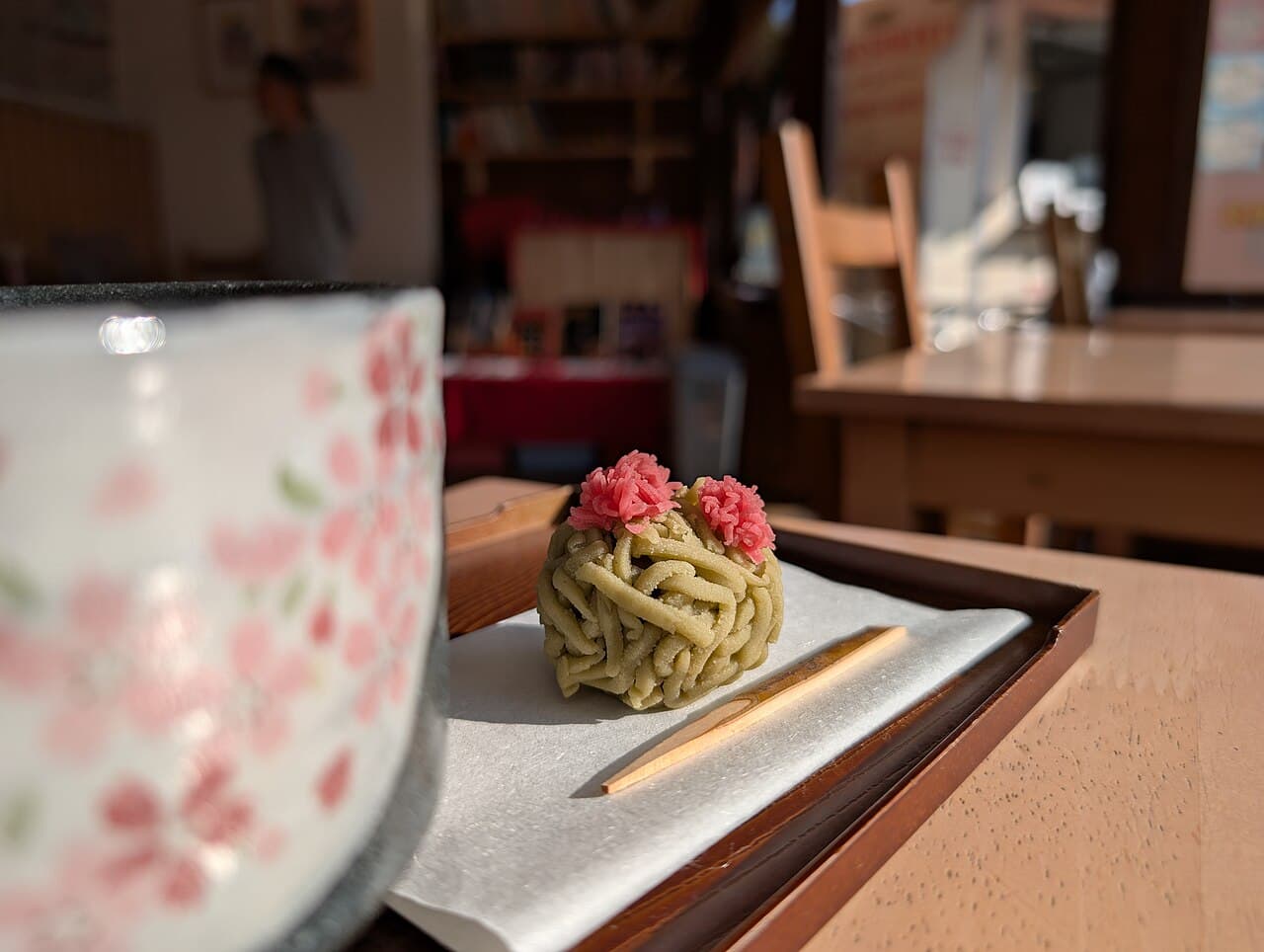
Dedicated gluten-free and vegan wagashi cafes (our picks below) make ohagi, daifuku and warabi-mochi in wheat-free kitchens. Warabimochi (from bracken starch) and shiratama (rice flour) dumplings are naturally gluten-free too. See our gluten-free Tokyo guide for the wider map. Recipes vary, so confirm the glaze and the kitchen with staff when it matters.
我们已确认的餐厅
premium SOW
植物无麸质蒙布朗与米粉意式冰淇淋
代官山一家法式风格的西点店,每款蛋糕、甜甜圈与每一勺意式冰淇淋都完全纯素且无麸质,以米粉与植物奶制成。
- 无麸质
- 纯素
- 无乳制品
- 休闲
- 约会
FAQ
- Why is mochi called 'glutinous' if it's gluten-free?
- 'Glutinous' here means sticky — it describes the texture of the rice, not the protein gluten. Glutinous (mochi) rice contains no gluten at all.
- Is kuzumochi gluten-free?
- It depends on the region. Kanto/Tokyo-style kuzumochi is made from fermented wheat starch and is not gluten-free; Kansai kuzumochi from kudzu starch is.