
Dietary guide
Is Gyoza Halal? A Muslim Traveller's Guide to Japan's Dumplings
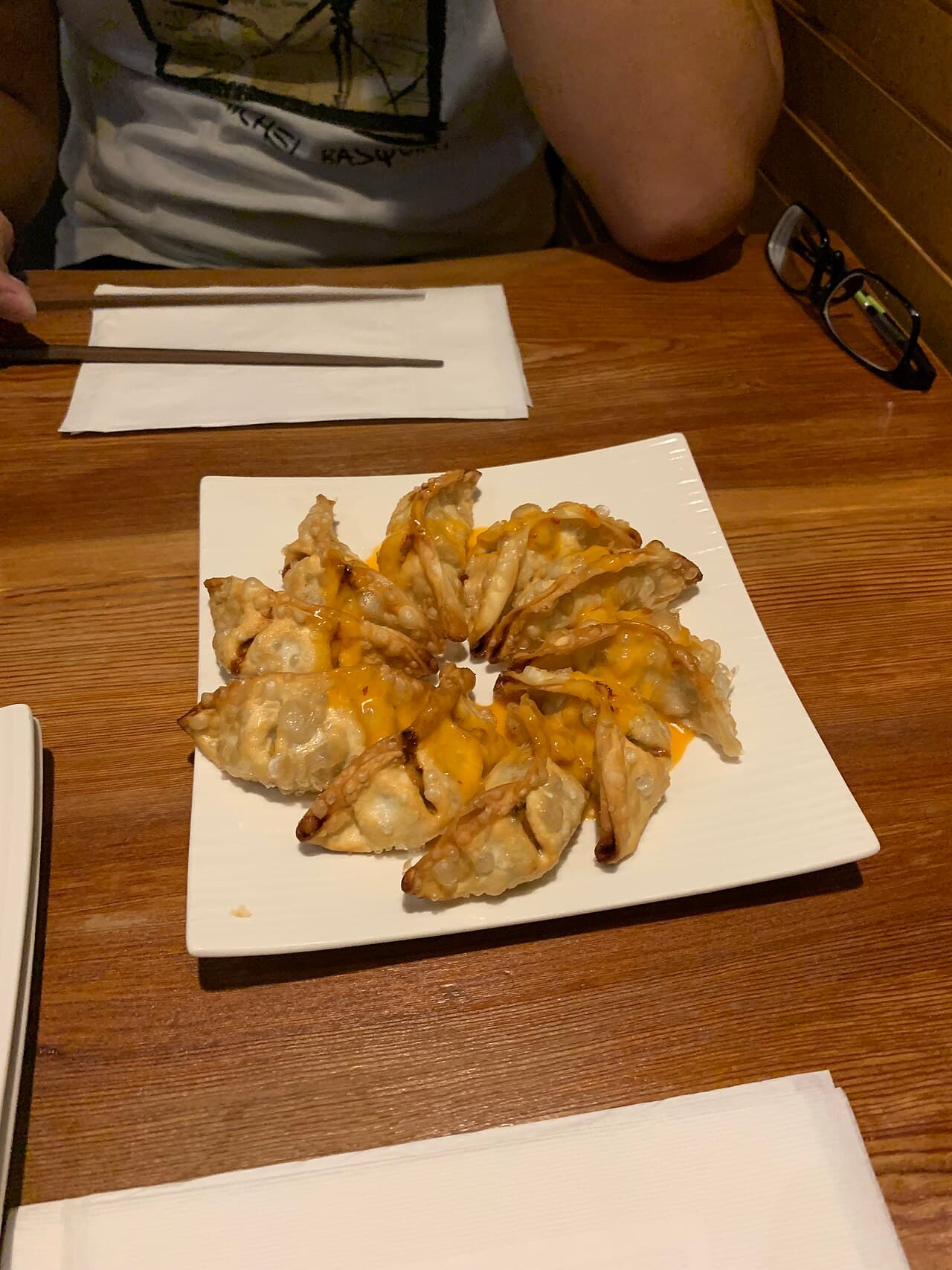
Why standard gyoza isn't halal
Walk into any Japanese izakaya or ramen shop and the gyoza on the menu are almost certainly pork. Minced pork with garlic, chives and cabbage is the default filling nationwide, and it's frequently seasoned with a little cooking sake or mirin — both alcohol-based. Even a "vegetable" gyoza is often bound with pork or chicken fat for richness. So the meat is the first problem, and the seasoning is the quiet second one.
The wrapper is not the issue. Gyoza skins are simply wheat flour, water and salt — no lard, no gelatine in the standard version. If only the filling and the pan were as clean.
The shared-pan trap
Here's the honest catch even careful travellers miss: the pan. Gyoza are pan-fried, and in a busy kitchen the same skillet or flat-top cooks pork dumplings all day. A chicken or veg gyoza cooked on that surface picks up pork residue. This is exactly the same problem you'll meet with ramen broth and shared fryers — see our companion piece on whether ramen is halal. If observance matters to you, ask whether the halal items are cooked on a separate surface.
Certified vs Muslim-friendly
This distinction is everything. Certified halal means a third-party body has audited the ingredients and kitchen. Muslim-friendly (or "pork-free, alcohol-free") is a self-declared kitchen doing its best — usually trustworthy, but not audited. Halal gyoza in Japan almost always falls in the second camp: chicken or vegetable dumplings at Muslim-friendly Chinese restaurants and izakaya, sometimes near halal ramen counters. Treat "friendly" as good, not guaranteed, and confirm the pork and alcohol details yourself.
Where to find halal-friendly gyoza
Dedicated halal gyoza specialists are rare, so your best route is a Muslim-friendly restaurant that also does dumplings, or a halal Chinese kitchen. Tokyo has a growing cluster of these — our halal Tokyo guide and the broader tips for Muslim travellers map the reliable ones. You can also browse everything on our halal dietary page.
How to eat gyoza well
Two useful phrases: butaniku nashi (no pork) and osake nashi (no alcohol). Ask if the filling is chicken or vegetable, whether mirin or sake is used, and whether they're fried on a shared pan. When a kitchen answers clearly and cheerfully, that's usually a good sign. And if gyoza doesn't work out today, a bowl of certified halal chicken ramen is rarely far away — Japan's Muslim-friendly scene has come a long way.
Read the label: the Japanese that decides it
Gyoza is defined by its filling, and the default filling is pork. These are the words that tell you which kind is in front of you.
| Japanese | Rōmaji | What it tells you |
|---|---|---|
| 豚肉 | butaniku | Pork — the standard filling. |
| 豚脂 / ラード | buta-abura / rādo | Pork fat or lard, in the filling or the pan. |
| 野菜餃子 | yasai gyōza | Vegetable gyoza — the version worth asking for. |
| 海老餃子 | ebi gyōza | Shrimp gyoza. |
| 料理酒 | ryōrishu | Cooking sake, commonly mixed into the filling. |
| ゼラチン | zerachin | Gelatin, often pork-derived, in some frozen products. |
What to say at the counter
Showing this on a screen works as well as saying it — staff read it faster than they parse spoken English.
豚肉は食べられません。野菜だけの餃子はありますか?
Butaniku wa taberaremasen. Yasai dake no gyōza wa arimasu ka?
“I cannot eat pork. Do you have vegetable-only gyoza?”
Sources
FAQ
- Can I eat gyoza in Japan as a Muslim?
- Standard gyoza is pork and often seasoned with sake or mirin, so it isn't halal. Look instead for chicken or vegetable gyoza at Muslim-friendly or halal Chinese restaurants, and confirm they aren't fried on a shared pork pan.
- Is chicken gyoza automatically halal?
- No. Chicken gyoza avoids pork, but it may still contain cooking sake or mirin, and it's often fried on the same surface as pork dumplings. Ask about alcohol and the cooking pan before assuming it's halal.
- What's the difference between certified halal and Muslim-friendly gyoza?
- Certified means a third party audited the ingredients and kitchen. Muslim-friendly is a self-declared pork- and alcohol-free kitchen — usually trustworthy but not audited, so verify the details yourself.