
Dietary guide
Shabu-Shabu & Sukiyaki Gluten-Free: How to Eat Hot Pot Safely in Japan
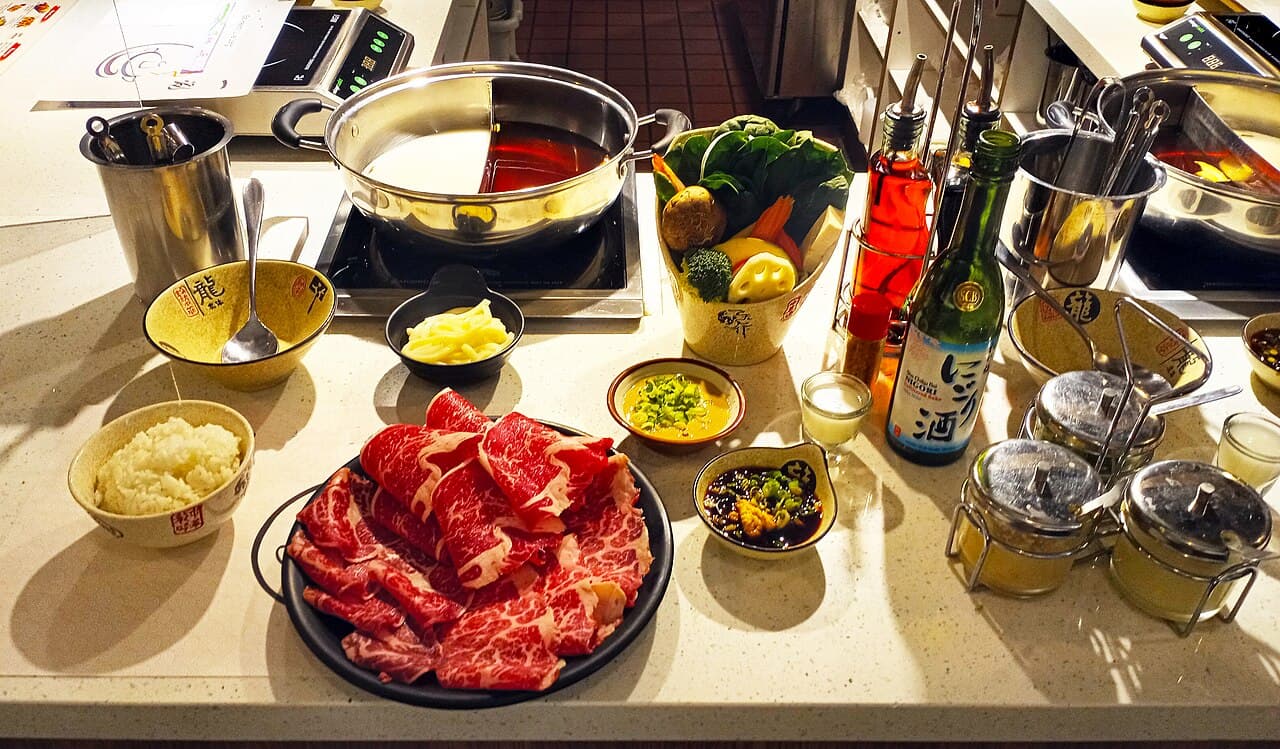
Here's the short version: for gluten-free, choose shabu-shabu over sukiyaki. A plain kombu (kelp) broth is naturally gluten-free — the real traps are the dipping sauces, a shared pot, and the noodle finish. Dip in salt-and-citrus; many sesame sauces and ponzu are blended with wheat soy sauce, so check first if you're strict, and skip the udon course. Sukiyaki's warishita sauce is wheat soy sauce plus mirin, so it's much harder.
Why shabu-shabu beats sukiyaki
In shabu-shabu, you cook thin meat and vegetables in a nearly plain broth and control the flavour yourself through the dip. That's exactly what you want on a gluten-free diet — you decide what touches your food. Sukiyaki works the opposite way: the meat simmers in warishita, a pre-made sauce of soy sauce, mirin and sugar. Regular soy sauce is brewed with wheat, so unless the kitchen makes a tamari-based version for you, sukiyaki is off the table. (More on that in is soy sauce gluten-free in Japan?.)
Usually safe
- Plain kombu / kelp broth — the classic shabu-shabu base
- The meat and vegetables themselves — thin-sliced beef or pork, cabbage, mushrooms, negi, tofu
- Salt, grated daikon, and yuzu/citrus as a simple, self-controlled dressing
Traps — ask or avoid
- Sesame (goma) sauce — often blended with soy sauce, dashi or mirin, so don't assume it's wheat-free; confirm the ingredients or ask for salt instead
- Ponzu — often thinned with soy sauce; fine-ish but not for strict celiacs
- Any soy-based dipping sauce or warishita — wheat
- The udon or ramen finish — pure wheat; ask for rice (zosui) instead
- Gyoza, fried tofu, imitation crab, and processed balls dropped into the shared pot
- A shared broth at the table — even a kelp base picks up soy and wheat as others dip
Exactly what to order and say
Ask for a kombu broth, no soy or warishita, and dip in salt (use a sesame sauce only after confirming it's soy-free). A useful line: "Shōyu wa komugi ga haitte imasu ka?" (Does the soy sauce contain wheat?) and "Komugi arerugī desu — konbu dashi de onegai shimasu" (I have a wheat allergy — kombu broth, please). For the finish, ask for zosui (rice porridge) rather than udon.
The honest limits
Most shabu-shabu restaurants are gluten-friendly, not certified gluten-free. Dashi may contain trace bonito seasonings, the same tongs touch everyone's food, and staff may not grasp cross-contamination. If you have celiac disease, treat a shared pot as a real risk and don't assume "celiac-safe." When you want a fully controlled meal, a dedicated gluten-free kitchen is safer than a hot-pot chain — see our gluten-free Tokyo guide and the gluten-free diet page. Curious what's in the broth itself? Is dashi vegan in Japan? unpacks the base.
Done right, shabu-shabu is one of the easiest sit-down Japanese meals to eat gluten-free — warm, generous, and mostly in your own hands.
Sources
FAQ
- Can I eat sukiyaki gluten-free at all?
- Rarely, without special arrangement. The warishita sauce is built on wheat-brewed soy sauce plus mirin, so unless the kitchen prepares a tamari-based version for you, sukiyaki isn't a safe default. Shabu-shabu with a plain kombu broth is the much easier choice.
- Is ponzu safe for celiacs?
- Usually not for strict celiacs. Most ponzu is thinned with regular (wheat) soy sauce. It's fine for gluten-sensitive diners who tolerate trace amounts, but if you need to be strict, dip in salt with grated daikon and citrus instead.
- What about the noodles at the end?
- Skip the udon and ramen finish — both are wheat. Ask for zosui, a rice porridge made in the leftover broth, which is naturally rice-based and usually the safer close to the meal.