
Dietary guide
Hidden Pork and Alcohol in Japanese Food: A Halal Guide
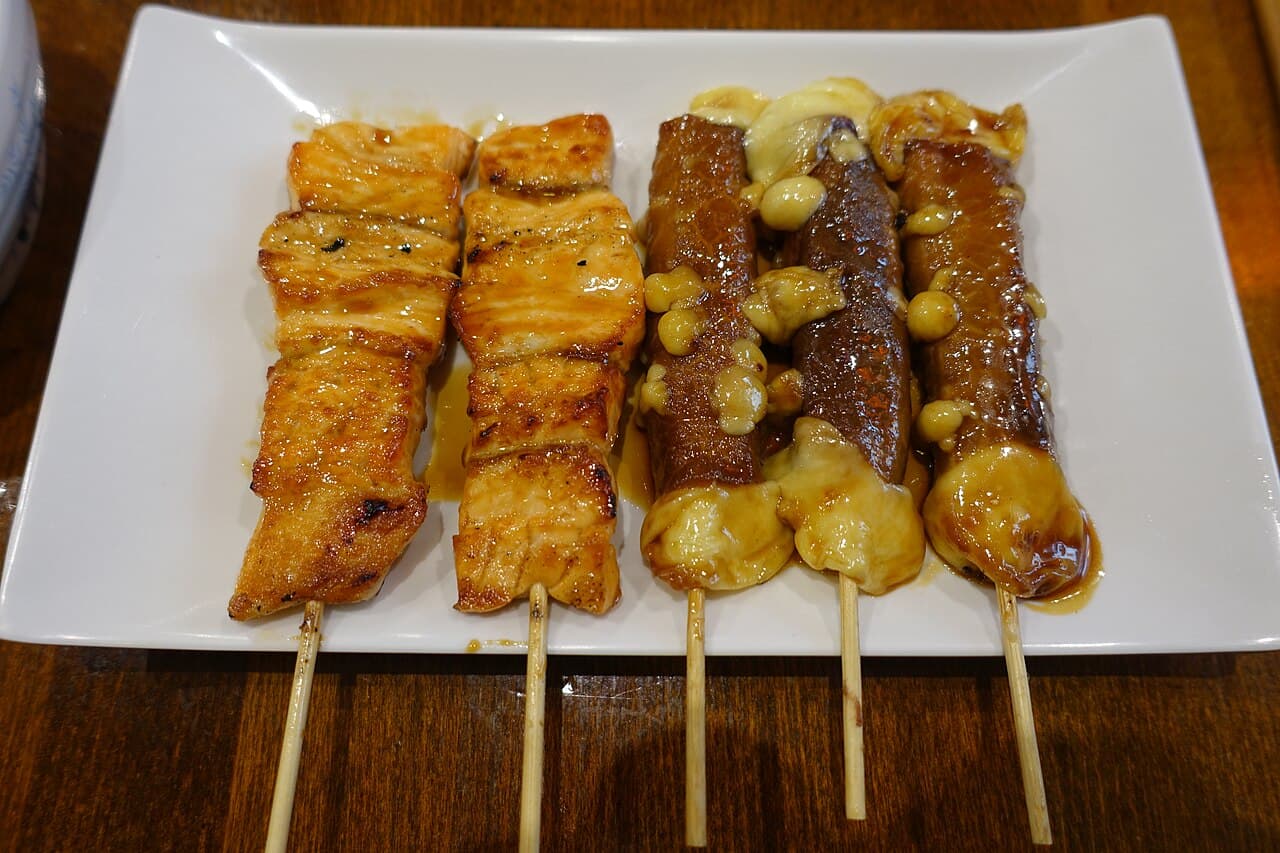
The traps are mostly invisible. In Japan, pork and alcohol hide in everyday cooking: lard in ramen and fried rice, pork broth and gelatin, and above all mirin and cooking sake in almost every glazed or simmered dish. Read labels for 味醂 and 料理酒, ask before you order, and lean on certified halal restaurants or naturally simple foods.
Japanese cuisine feels light and vegetable-forward, which is exactly why it catches Muslim travellers off guard. The issue is rarely a slab of pork on the plate — it's the seasoning and the stock underneath everything.
Where alcohol hides
The biggest surprise is that alcohol is a cooking ingredient, not just a drink. It usually doesn't burn off completely.
- Mirin (味醂) — sweet rice wine in teriyaki, nimono (simmered dishes), tare glazes, and many sauces. See our note on whether mirin is halal.
- Cooking sake (料理酒) — added to fish, meat, and vegetable dishes for aroma.
- Ryorishu / sake in tare — the glaze on grilled eel, yakitori, and gyudon often contains both.
- Some soy sauces, marinades, and even a few breads and desserts include alcohol.
Where pork hides
- Lard (ラード / 豚脂) — ramen broths, fried rice, gyoza, and many stir-fries.
- Pork broth (豚骨 / tonkotsu) — and pork bits in mixed stocks.
- Gelatin (ゼラチン) — gummies, mousse, panna cotta, some yoghurts and jellies; often pork-derived.
- Emulsifiers in bread — shortening or additives that may be pork-based; hard to verify.
- Katsuobushi & dashi — not pork, but fish-based; a concern if you avoid non-halal fish stock, and it hides in miso soup, tamagoyaki, and dressings.
- Oyster sauce — shellfish, sometimes with alcohol.
Naturally safer choices
No dish is guaranteed, but these tend to be simpler to clear:
- Plain sushi and sashimi (skip the eel and anything glazed).
- Grilled or steamed fish seasoned with just salt (shioyaki).
- Onigiri with salmon or umeboshi — check the label.
- Fresh fruit, edamame, plain rice, tofu.
- Certified halal ramen and yakitori at dedicated Muslim-friendly shops.
Certified vs. Muslim-friendly
This distinction matters. A certified restaurant holds third-party halal certification. A Muslim-friendly or "pork-and-alcohol-free" place makes an honest effort but isn't certified — shared fryers, grills, or stock can remain a question. Neither is wrong; just know which you're getting, and never assume "100% halal" without a certificate on the wall. Our halal Tokyo guide and halal Japan travel guide list options, and the halal dietary page collects verified venues.
Phrases to confirm
- Kono ryori ni buta-niku wa haitte imasu ka? — Does this contain pork?
- Mirin ya ryorishu wa tsukatte imasu ka? — Do you use mirin or cooking sake?
- Butaniku to arukooru nashi de dekimasu ka? — Can you make it without pork and alcohol?
Convenience stores and chains vary by branch, so read the current allergen chart rather than trusting memory. With a little label-reading and a few phrases, Japan opens up beautifully — and the certified shops are genuinely good.
Places we’ve confirmed
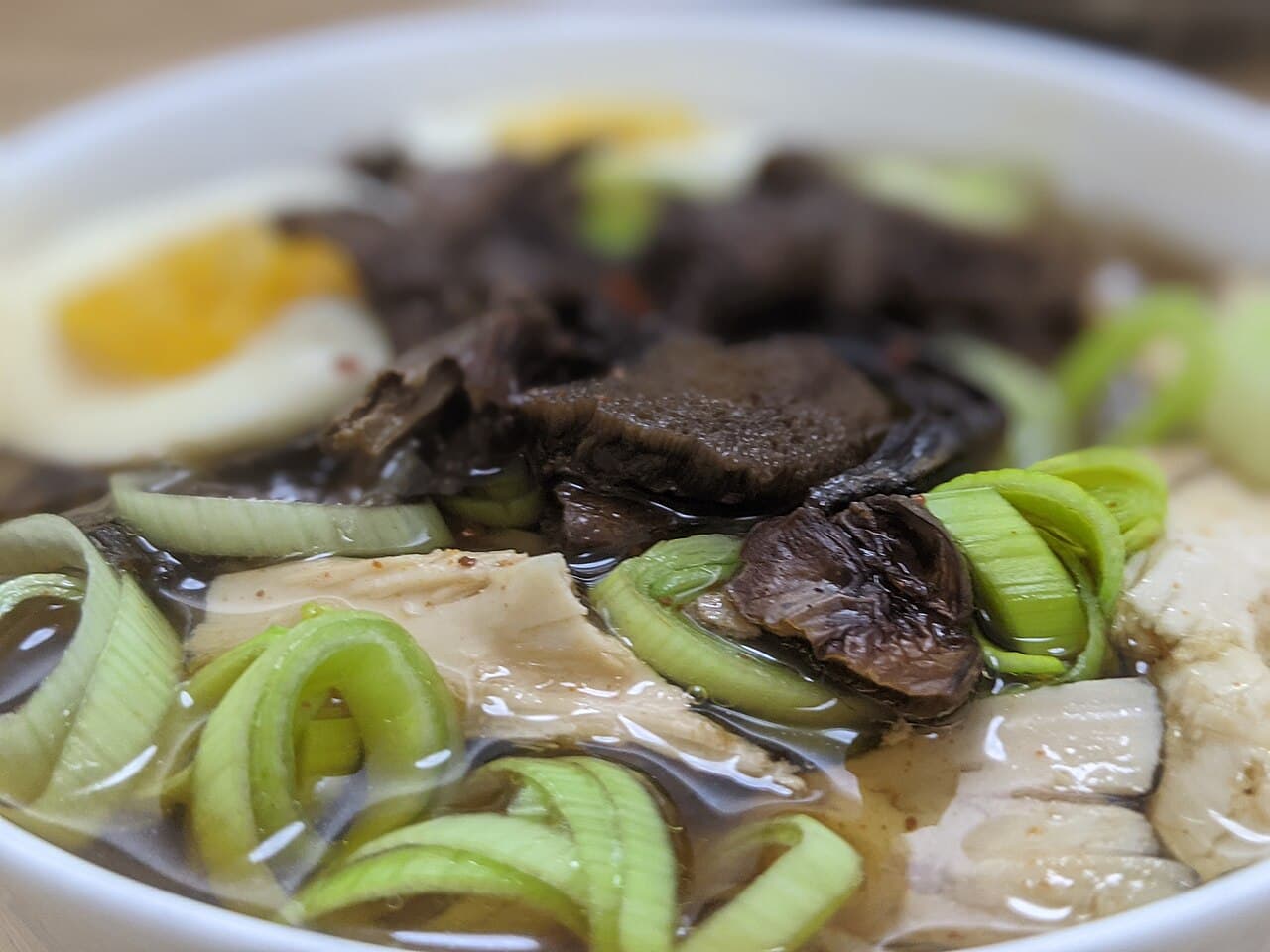
Gyumon Halal Ramen Asakusa: Wagyu Broth, No Pork
Pork-free wagyu beef ramen (broth from 20+ wagyu cuts & seasonings)
Gyumon Halal Ramen Asakusa is a halal-certified, pork-free wagyu ramen kitchen.
- Halal
- Casual
- Solo
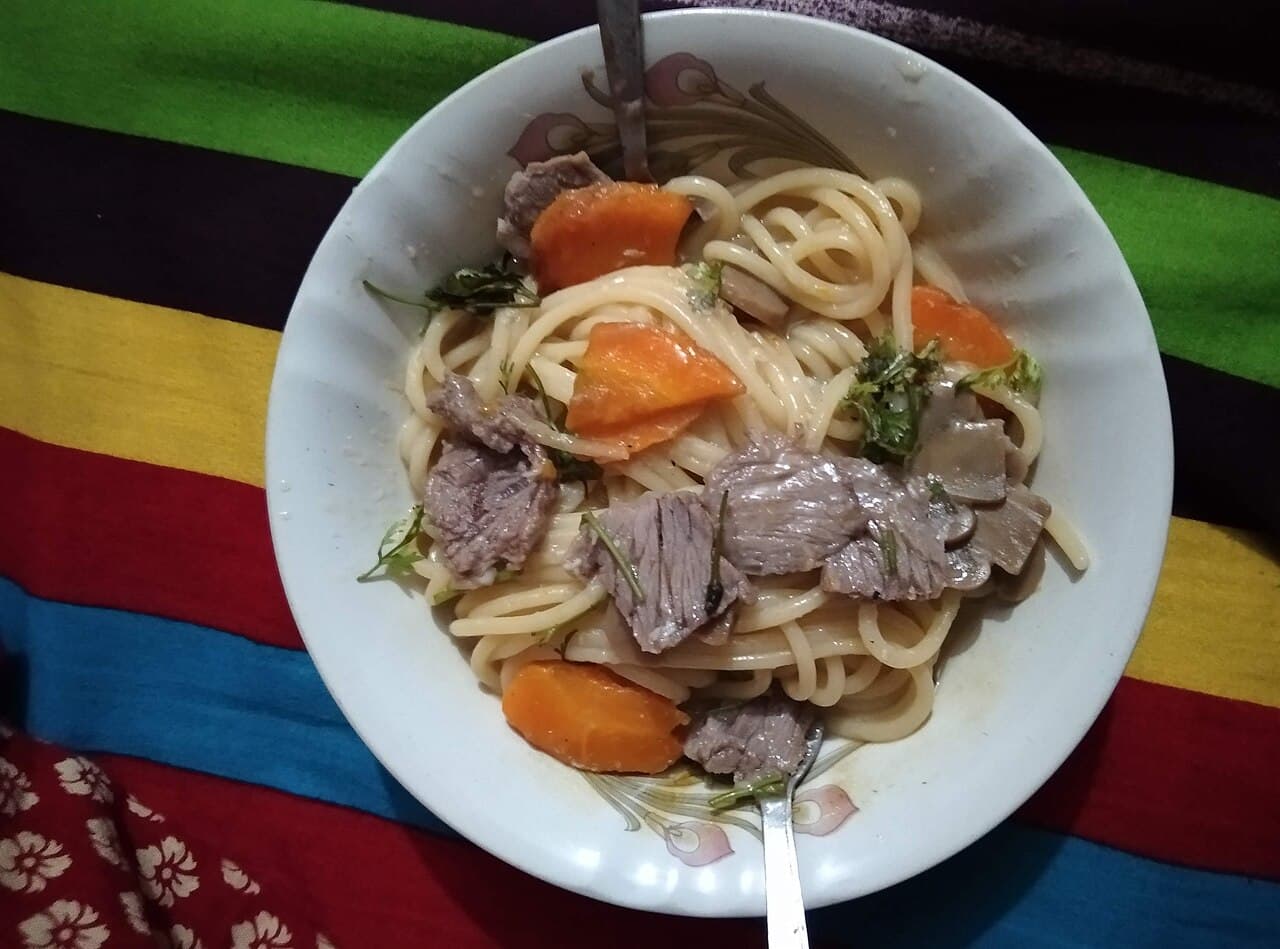
Ayam-Ya Okachimachi
Spicy shoyu chicken ramen
A Sri Lankan-Muslim owner's wholly halal-certified ramen shop where collagen-rich chicken broth meets a fiery soy-sauce kick, steps from Assalaam Mosque.
- Halal
- Solo
- Casual
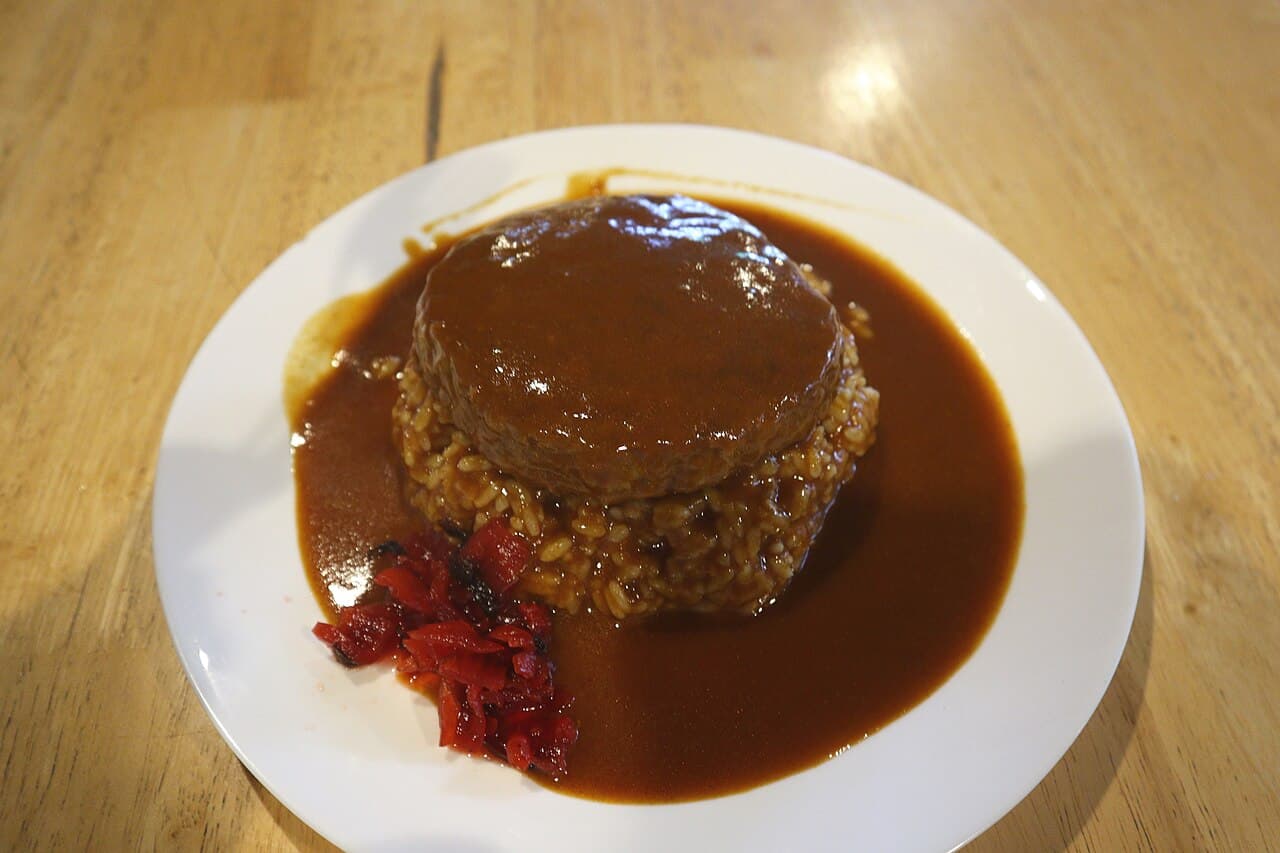
CoCo Ichibanya Halal Akihabara — Permanently Closed
Customisable Japanese curry rice with halal toppings; pick your rice size and spice level
Permanently closed. CoCo Ichibanya's halal-certified Akihabara branch and its Shinjuku sister shop shut during the 2020 pandemic and have not reopened — as of 2026 there is no halal-certified CoCo Ichibanya in Japan. For halal Japanese curry and other options, see our halal fast-food chains guide and halal Tokyo guide.
- Halal
- Solo
- Casual
Sources
FAQ
- Is mirin really a problem if it's cooked?
- For most observant Muslims, yes. Mirin is an alcoholic rice wine, and cooking does not reliably remove all of it. It appears in a huge range of everyday dishes like teriyaki, nimono, and tare glazes, so it's worth confirming before you order.
- Can I trust a restaurant that says 'pork-free'?
- It's a good sign, but 'pork-free' or 'Muslim-friendly' is not the same as certified halal. Shared fryers, grills, alcohol-based seasonings, or non-halal dashi may still be present. Ask specifically about mirin, cooking sake, and lard, and look for third-party certification if that matters to you.
- What can I safely grab at a convenience store?
- Plain onigiri (salmon or umeboshi), fresh fruit, edamame, and unseasoned nuts are usually simple options, but menus vary by branch. Always read the current allergen and ingredient label, since gelatin, lard, and alcohol can appear in unexpected items.