
Dietary guide
Is Yakitori Gluten-Free? A Traveller's Honest Guide in Japan
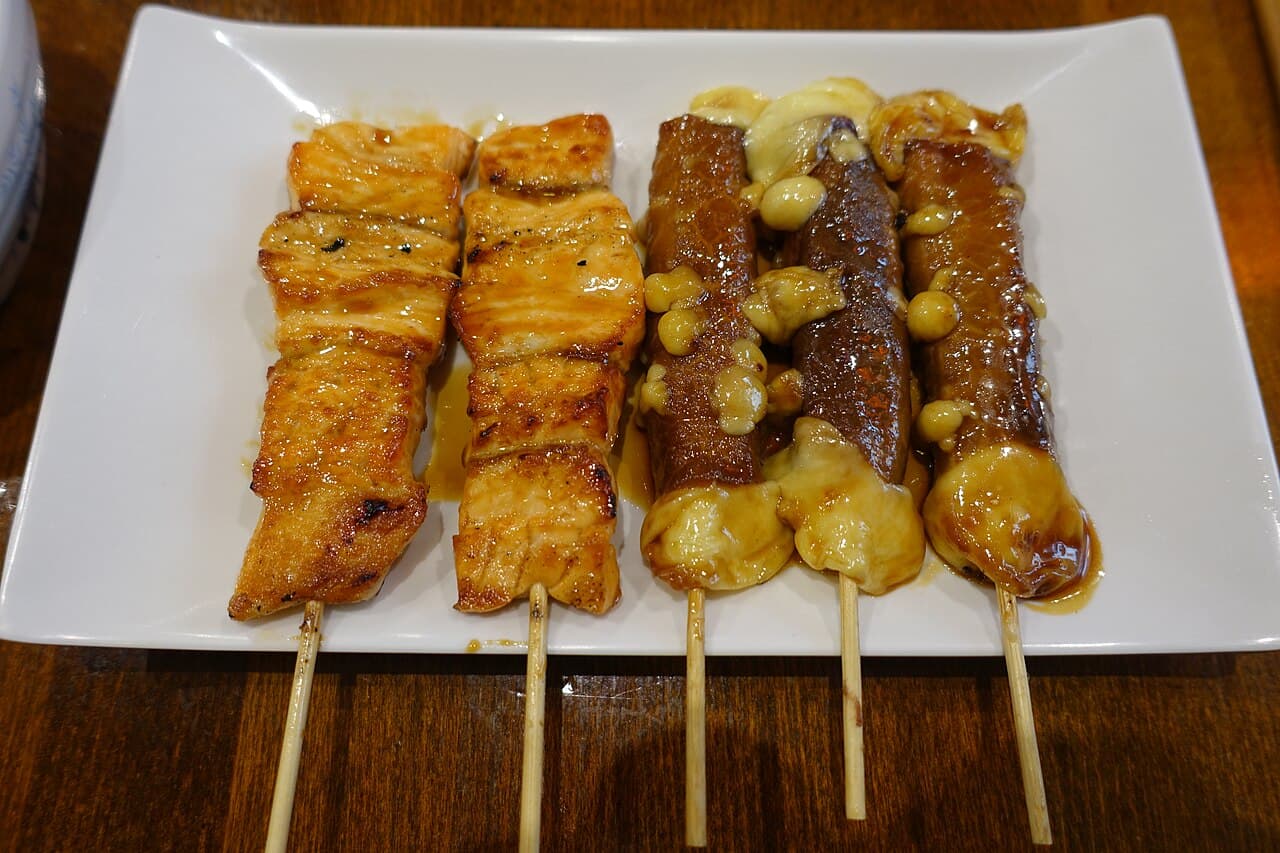
Partly. Yakitori grilled with just salt (shio) is naturally gluten-free — it's chicken, a bamboo skewer and salt. The catch is the sweet glaze (tare), a soy-sauce-based sauce made with wheat, so tare-basted skewers are not gluten-free. Order shio, ask about the tsukune binder, and mind the shared grill. Shio yakitori is a reliable gluten-free order.
Shio vs. tare: the whole story
Every yakitori shop offers two seasonings. Shio (salt) is exactly what it sounds like — the skewer is seasoned with salt and grilled over charcoal, nothing else. That's the gluten-free order. Tare is the glossy, sweet-savoury glaze the skewers are repeatedly dipped into, and it's built on regular soy sauce, which in Japan is brewed with wheat. Tare belongs to the same family as teriyaki: delicious, but wheat-based. When in doubt, say "shio de onegaishimasu" — salt, please.
The traps even shio can hide
Plain salted chicken thigh (momo) or thigh-and-leek (negima) is your cleanest bet. But a few items sneak wheat in:
- Tsukune (meatballs) often use a breadcrumb or flour binder — ask, or skip it.
- Tare basting brush: at busy shops a single brush touches every skewer, so a "shio" order can pick up tare residue. Ask them to plate yours separately.
- The shared grill carries drippings from tare skewers. For a wheat allergy this matters; for a mild preference, less so.
- Liver, gizzard, skin are usually fine with salt, but pre-marinated items are not.
This is the honest line between a gluten-free option and a dedicated gluten-free kitchen. A regular yakitori-ya can serve you a clean shio skewer, but it is not a dedicated gluten-free kitchen — cross-contact from the shared grill and brush is real. Communicate clearly; most cooks are happy to help once they understand.
If you want zero worry
For a fully controlled meal, a dedicated kitchen beats a careful order. Tokyo has genuine gluten-free spots — including gluten-free kushiage (battered, fried skewers) that scratch the same skewer-and-beer itch without wheat. They're the safer move on a coeliac trip. See our full gluten-free dining directory for verified kitchens.
How to eat yakitori well
Sit at the counter, order shio across the board, and treat the meal as a conversation: name your dish, confirm no tare, ask about tsukune. Pair it with rice, edamame and a drink, and you have a classic izakaya night that happens to be gluten-free. Yakitori rewards the diner who asks — and the skewers taste just as good with salt.
Places we’ve confirmed
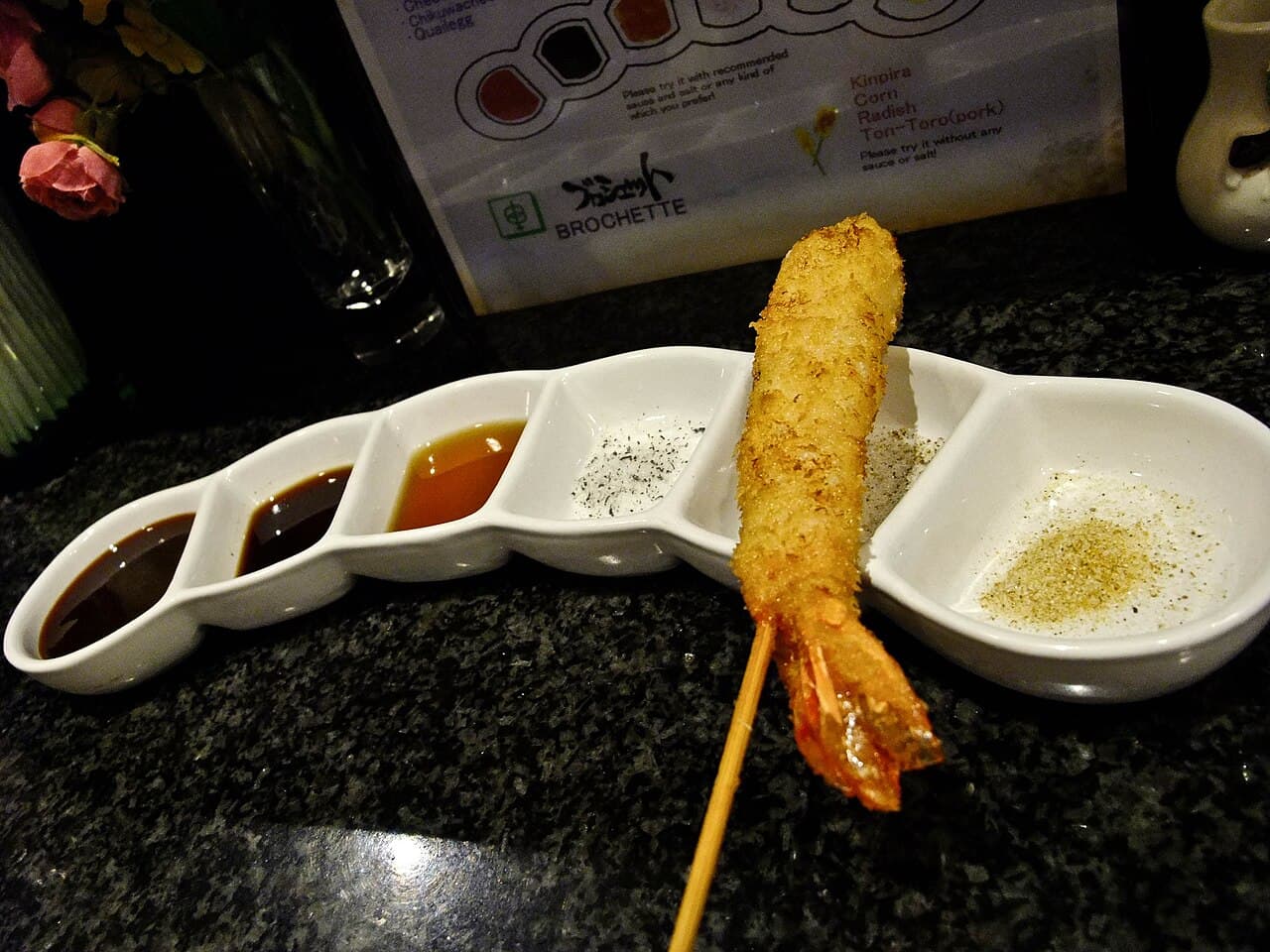
Gluten-Free Kushiage Su
Rice-flour kushiage omakase course
A reservation-only Ginza counter where an entirely gluten-free kushiage omakase is fried in rice oil with rice-flour breadcrumbs — a rare safe haven for coeliacs.
- Gluten-free
- Date
- Anniversary
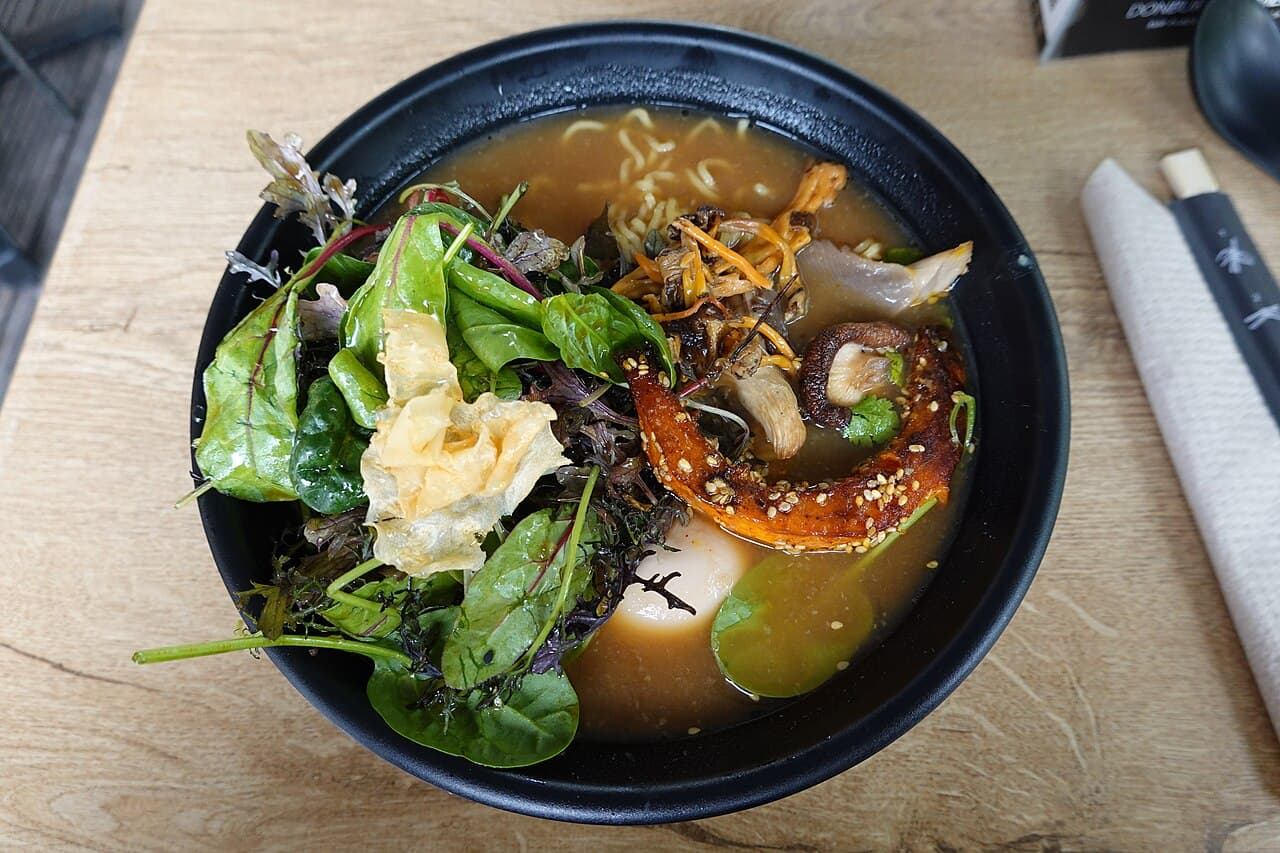
Gluten Free T's Kitchen
Rice-flour gyoza and miso-butter corn ramen
Asia's first GIG-certified gluten-free kitchen, where every dish — from rice-flour gyoza to miso-butter ramen — is safe for coeliac diners.
- Gluten-free
- Vegan
- Vegetarian
- Dairy-free
- Nut-free
- Casual
- Solo
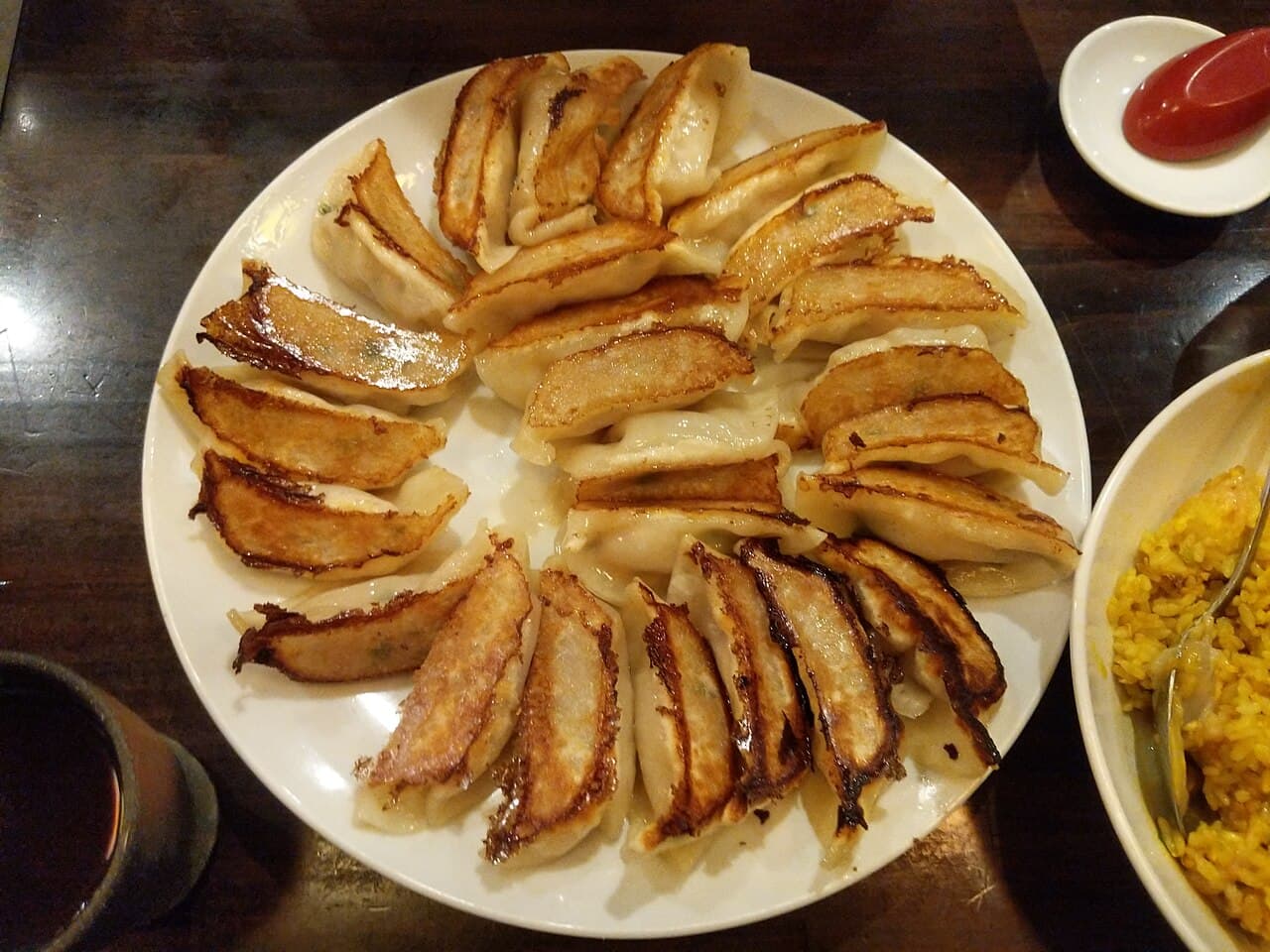
Gluten Free Cafe Little Bird
Gluten-free gyoza, karaage and yakisoba
A dedicated gluten-free cafe whose entire kitchen is wheat-free, serving GF Japanese comfort food such as gyoza, karaage, ramen and yakisoba with English-marked menus. Its Tabelog listing is currently status-undetermined, so confirm hours via its Instagram before visiting.
- Gluten-free
- Vegetarian
- Dairy-free
- Casual
- Solo
Sources
FAQ
- Can I just order all my yakitori with salt to stay gluten-free?
- Mostly yes. Salt (shio) skewers skip the wheat-based tare entirely. Ask them to avoid the shared tare brush, and check that tsukune meatballs don't use a flour or breadcrumb binder.
- Is a normal yakitori restaurant safe for coeliac disease?
- It can serve a gluten-free order, but it isn't a dedicated gluten-free kitchen. The shared charcoal grill carries tare drippings, so cross-contact is possible. For a coeliac trip, a dedicated gluten-free kitchen is the safer choice.
- How do I say 'salt, not sauce' in Japanese?
- Say "shio de onegaishimasu" (salt, please) and "tare nashi" (no sauce). Most yakitori cooks understand the request and are happy to plate your skewers separately.