
Dietary guide
Is Sake Gluten-Free? A Coeliac's Honest Guide to Japan's Rice Wine
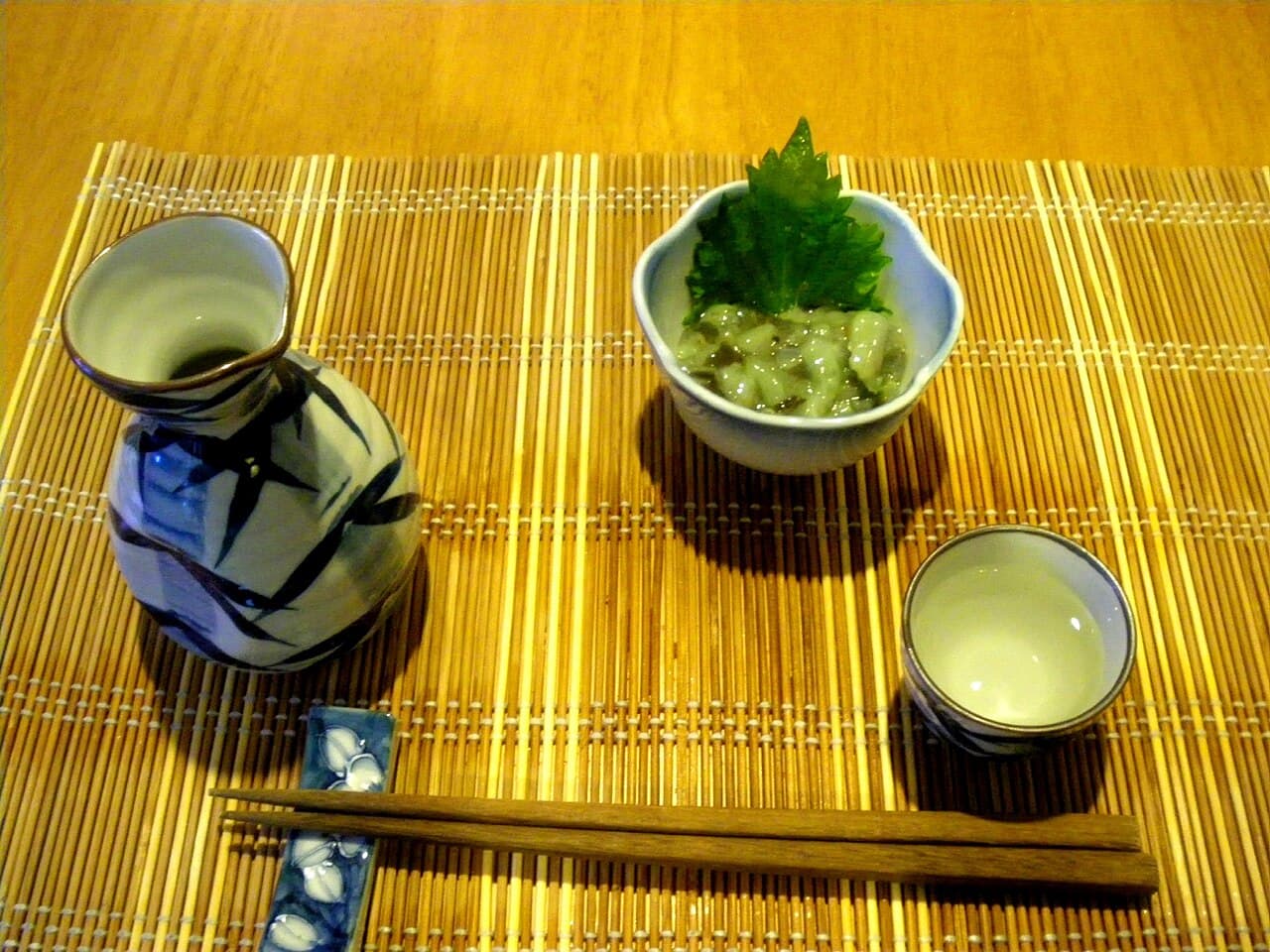
The short answer
Yes. Pour a glass of proper Japanese sake — called nihonshu — and you're drinking fermented rice, nothing more. The four ingredients are rice, water, koji (a benign mold that converts starch to sugar) and yeast. None of them is a gluten grain, so a plain bottle of junmai sake is, for practical purposes, gluten-free. Most people managing coeliac disease drink it without trouble.
That said, "essentially gluten-free" is not the same as "certified gluten-free," and the honest editor's job is to point at where the exceptions live.
Why sake is naturally safe
Gluten comes from wheat, barley and rye. Sake's fermentation runs entirely on rice starch broken down by koji — a completely different process from beer, which relies on malted barley. There is no wheat in the mash, no barley in the tank. This is why rice-based drinks and dishes tend to be the safest corner of a Japanese menu, the same logic that makes plain rice, sashimi and mochi reliable (though sushi has its own soy-sauce trap).
Where the caveats actually hide
- Flavoured and dessert sake. Yuzu sake, plum (umeshu) liqueurs and some sweetened bottles add other ingredients; read the label or ask.
- Nigori. Cloudy, unfiltered nigori is still just rice — but dessert-style nigori can be blended with additives, so check.
- "Sake" that isn't sake. Cheap cooking sake and some fortified products can include additives. Stick to junmai (rice-only) if you want the cleanest answer.
- The table around the drink. The bigger risk is rarely the sake — it's the soy sauce beside it. Regular shoyu is brewed with wheat. Ask for tamari, and know even some tamari contains a little wheat. This is the heart of our gluten-free Tokyo guide and the gluten-free dietary page.
Sake vs. shochu vs. beer — don't mix them up
This trips up a lot of travelers. Beer is not gluten-free — it's malted barley. Mugi shochu is barley shochu; while distillation strips out most protein, sensitive coeliacs often skip it. Rice or sweet-potato shochu is the safer pick. Our Japanese drinks guide walks through the whole shelf.
How to drink well
Order junmai sake, keep it unflavoured, and pair it with rice-forward, tamari-aware kitchens. Vegetable-led spots like Mr. Farmer Omotesando mark GF options clearly, and dedicated gluten-free wagashi cafes such as NO OHAGI let you finish the meal sweet without worry. Say "guruten furii" and "komugi nashi" (no wheat) — most staff will meet you halfway.
Places we’ve confirmed
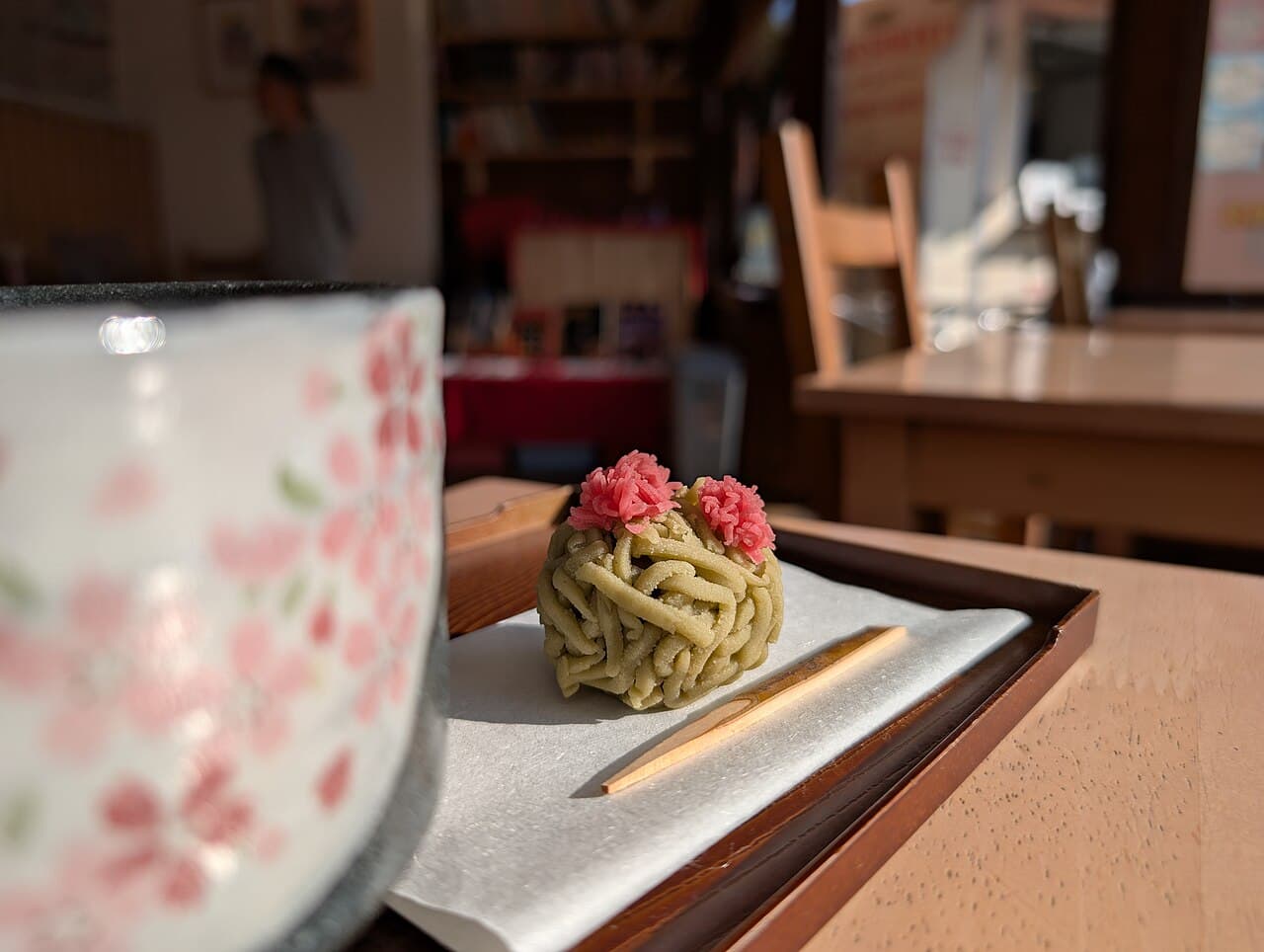
NO OHAGI
Seasonal ohagi & kuzumochi soy-milk shakes
A stylish little Daikanyama ohagi cafe where the rice-and-bean sweets and kuzumochi shakes are all gluten-free, vegan, dairy-free and free of white sugar.
- Gluten-free
- Vegan
- Dairy-free
- Casual
- Solo
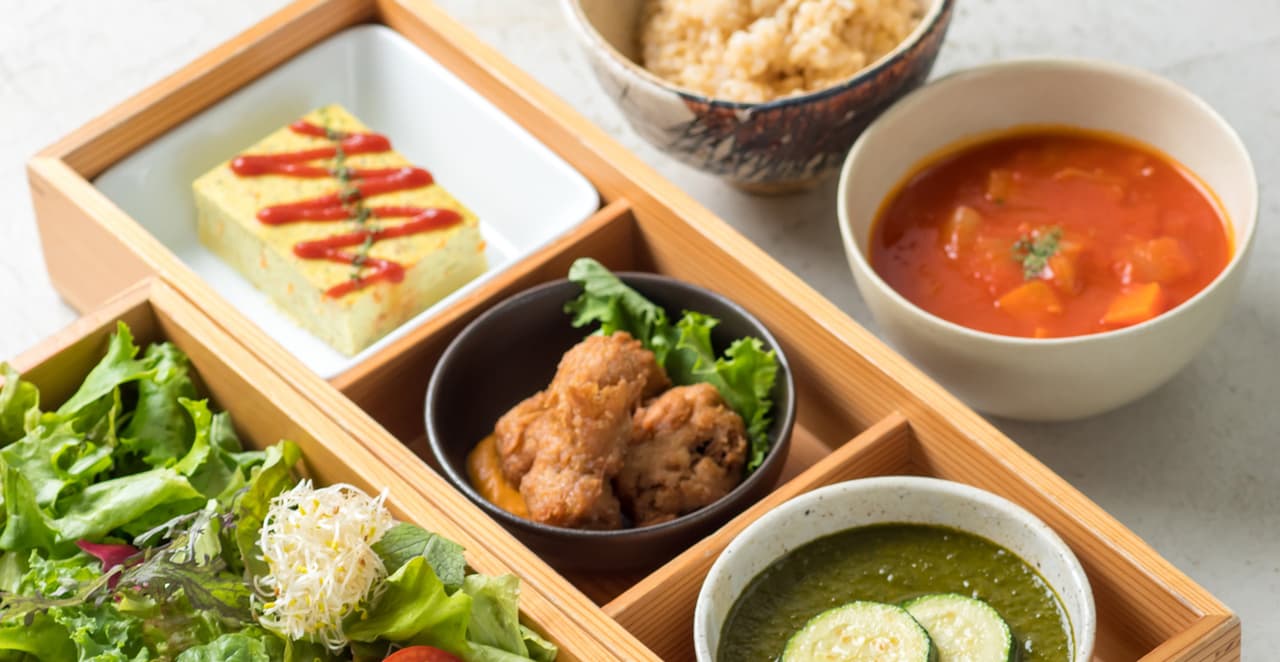
Mr. Farmer Omotesando
Farmer's vegan salad & vegetable omelette
A bright Omotesando flagship where a 'field evangelist' sources produce from 100 farms, plated into vivid vegan, gluten-free and athlete bowls.
- Vegetarian
- Vegan
- Gluten-free
- Casual
- Date
AIN SOPH. GINZA
Vegan pudding & seasonal vegetable course
AIN SOPH.'s flagship spreads across four Ginza floors, where a ground-floor patisserie of vegan pudding gives way to refined plant-based courses upstairs.
- Vegan
- Vegetarian
- Dairy-free
- Gluten-free
- Date
- Anniversary
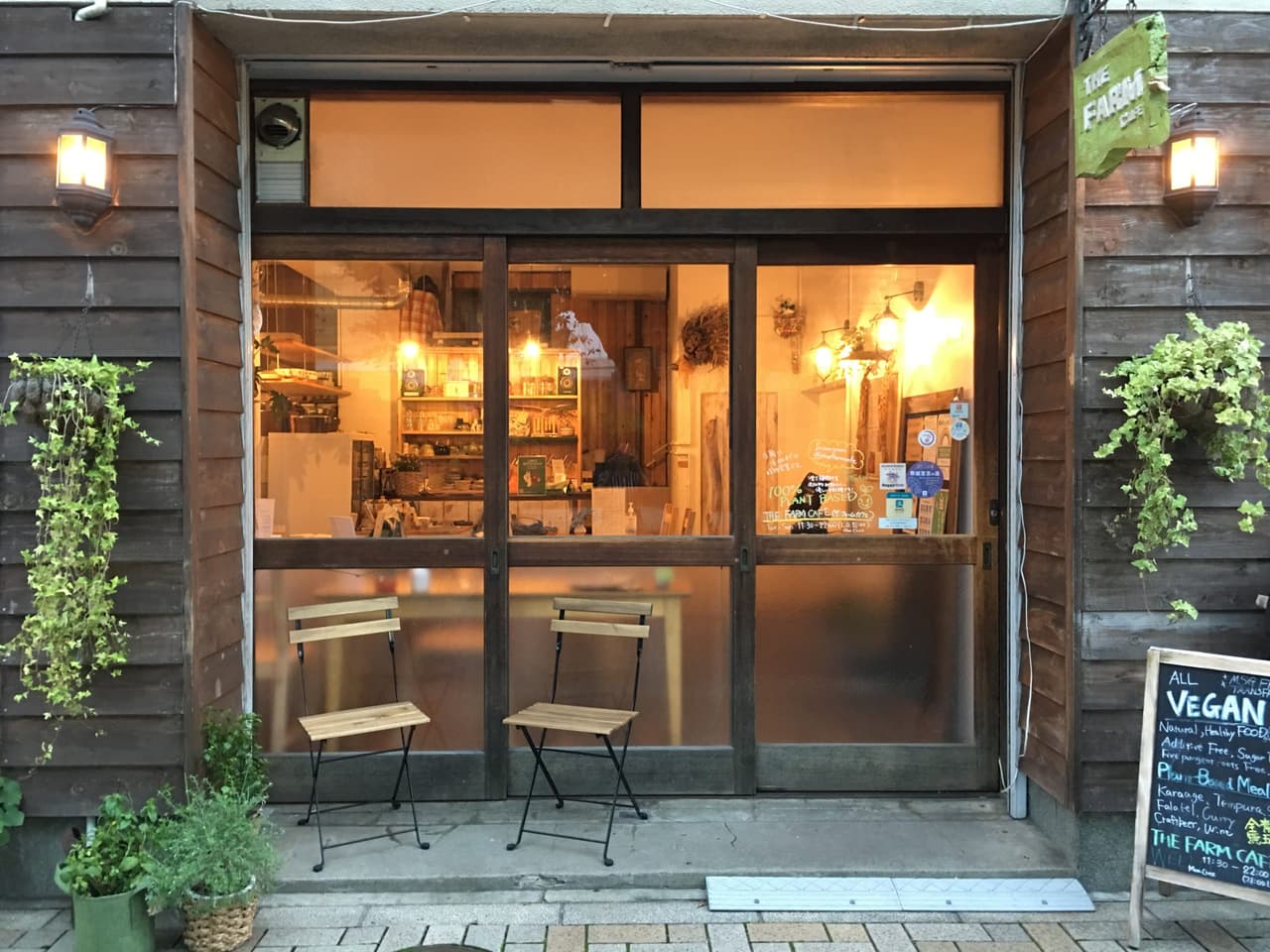
Marugoto Vegan Dining Asakusa
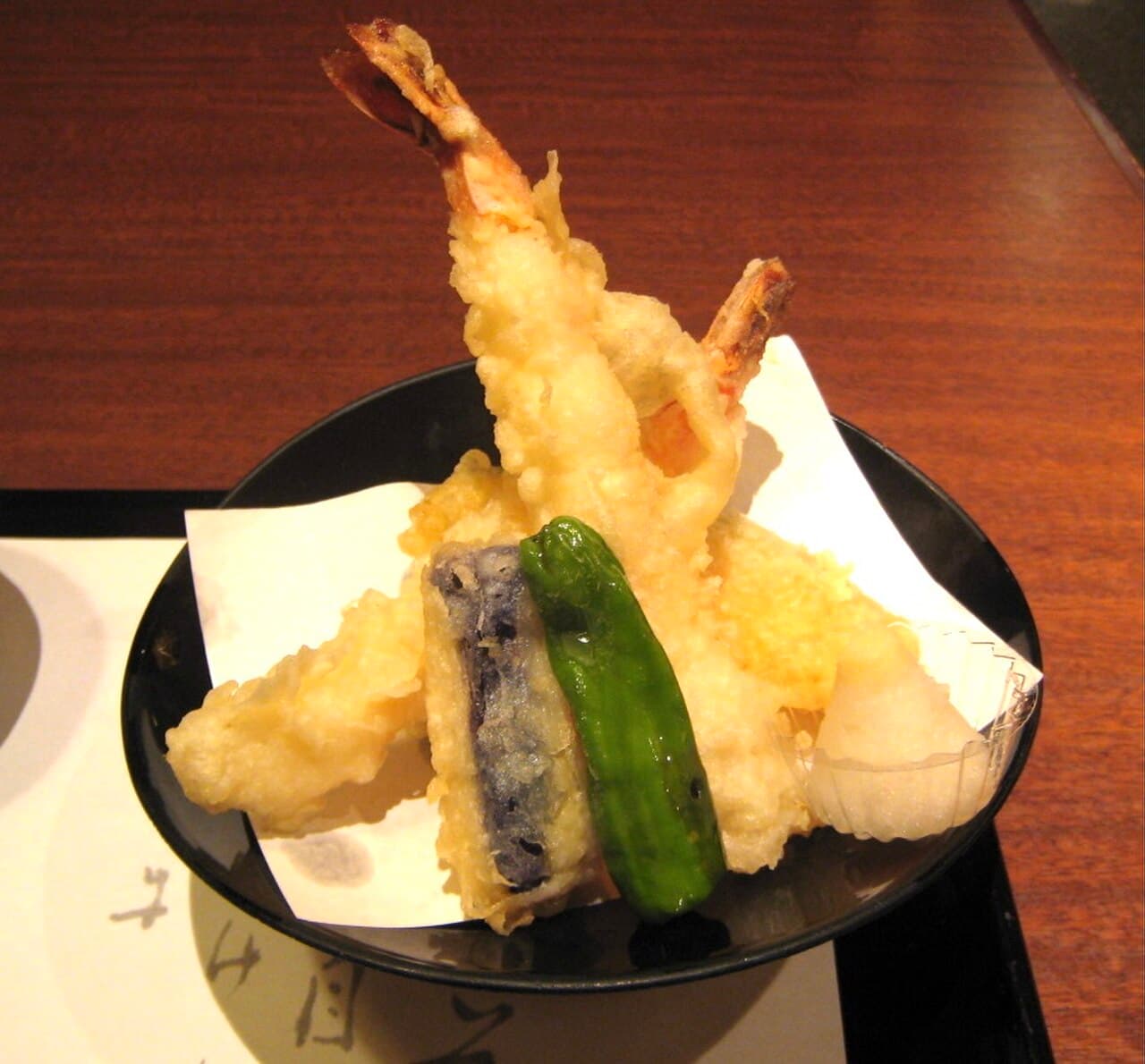
Vegan tempura, waffles and seasonal plant-based plates
A fully plant-based restaurant near Asakusa Station where every dish is vegan, additive-free and gluten-free, so it is dairy-free by definition. A per-dish allergen chart is published, so check it for nut content; we have not confirmed it is nut-free and do not tag it as such.
- Vegan
- Vegetarian
- Dairy-free
- Gluten-free
- Casual
- Solo
- Date
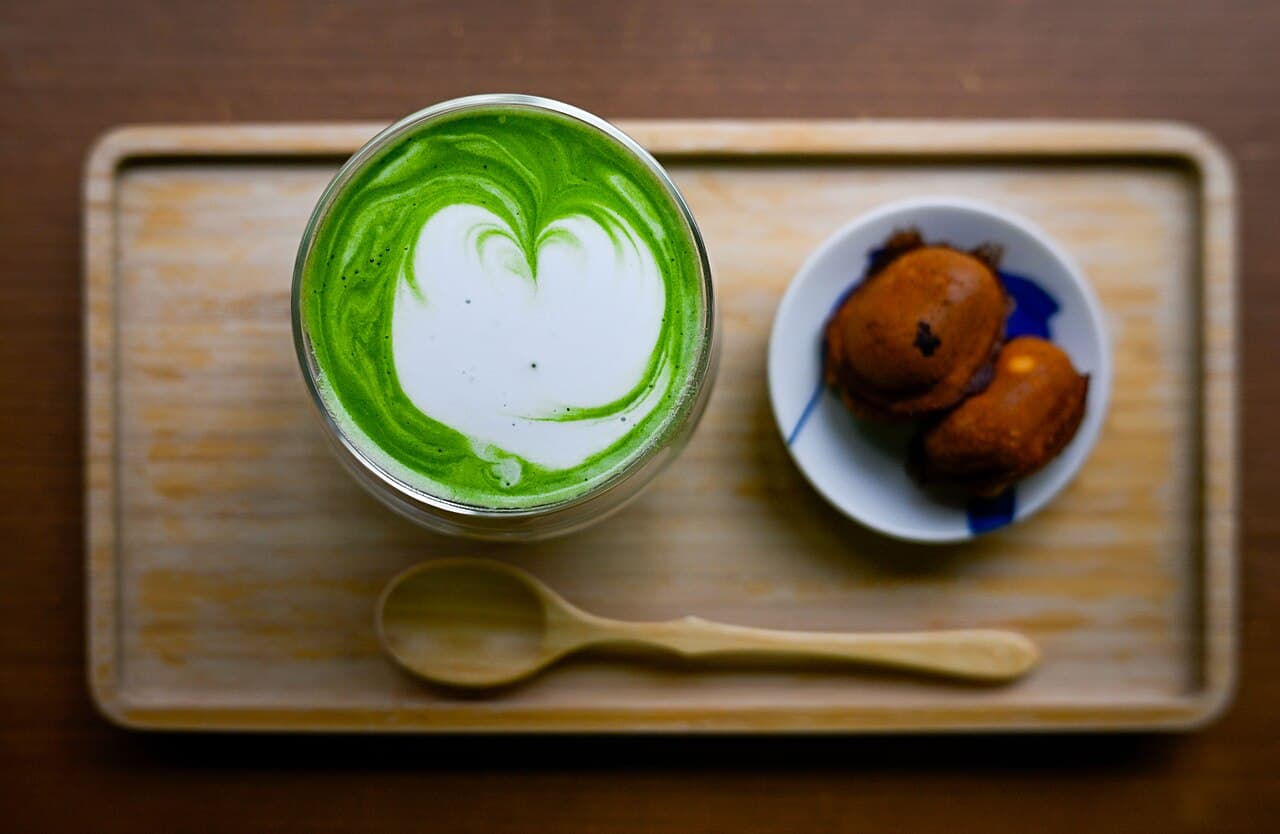
HealthyTOKYO CBD Cafe Shinjuku Marui Honkan
Gluten-free vegan lasagna and CBD-infused vegan sweets and drinks
An English-friendly, 100% vegan cafe in the basement of Shinjuku Marui Honkan from CBD/vegan pioneer HealthyTOKYO — paninis, quiche, gluten-free lasagna and CBD-infused sweets, all free of meat, fish, egg and dairy. Easy for foreign visitors.
- Vegan
- Gluten-free
- Casual
- Solo
Sources
FAQ
- Is sake safe for people with coeliac disease?
- Most coeliacs tolerate pure nihonshu well because it's brewed only from rice, water, koji and yeast, with no gluten grains. It isn't certified gluten-free, though, so if you're highly sensitive choose junmai (rice-only) sake and avoid flavoured or liqueur bottles.
- Is nigori (cloudy) sake gluten-free?
- Plain nigori is still just unfiltered rice sake, so it's gluten-free. Check dessert-style or flavoured nigori, which can be blended with added ingredients.
- Is shochu gluten-free like sake?
- Rice and sweet-potato shochu are gluten-free. Mugi (barley) shochu is distilled from barley — distillation removes most protein, but sensitive coeliacs often avoid it to be safe.