
คู่มือเมือง
กินเกียวโตครั้งแรก: เมืองสงบที่เป็นมิตรกับสายพืช
ทำไมเกียวโตจึงเป็นเมืองที่ง่าย
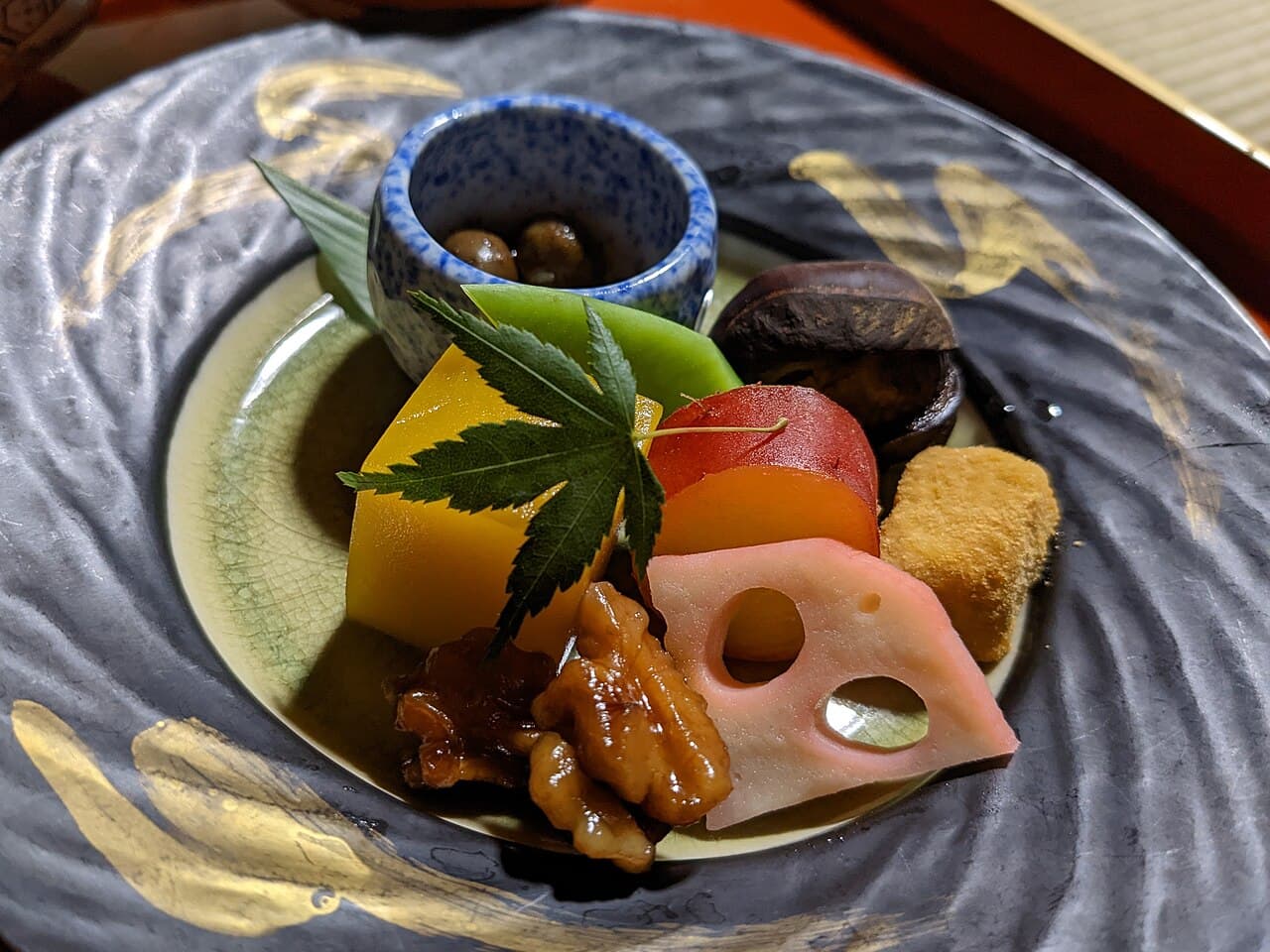
เกียวโตสร้างวัฒนธรรมอาหารรอบวัดพุทธ และประวัติศาสตร์นั้นยังปรากฏบนจาน โชจินเรียวริ—อาหารวัดที่มอบการปรุงมังสวิรัติอันประณีตครั้งแรกให้ญี่ปุ่น—และความหลงใหลของเมืองใน เต้าหู้และยูบะ ทำให้การกินเน้นพืชที่นี่เป็นประเพณีอย่างแท้จริง ไม่ใช่การปรับตัวสมัยใหม่ จังหวะก็ช่วยด้วย: เกียวโตเงียบกว่าโตเกียว ระยะทางเดินหรือนั่งรถบัสสั้น ๆ ถึง และครัวคุ้นเคยกับลูกค้าที่ใส่ใจ กับดักเดียวที่ต้องจำเหมือนทั่วญี่ปุ่นคือ ดาชิที่ทำจากปลาโบนิโต (คัตสึโอะ) แม้แต่จาน 'ผัก' ก็อาจแช่อยู่ในน้ำซุปปลา จึงต้องยืนยันเสมอ
ที่กิน
เริ่มจากของจริง: Shigetsu ห้องอาหารมังสวิรัติเซนที่วัดดูแลภายใน วัดเทนริวจิ ในอาราชิยามะ (มิชลินบิบกูร์มองด์) น้ำซุปเป็นคอมบุและชิตาเกะ ไม่ใช่โบนิโตเลย—วีแกนเคร่งเพียงยืนยันไข่และน้ำผึ้งตอนจอง สำหรับมื้อค่ำ Tousuiro เป็นร้านไคเซกิเต้าหู้ริมน้ำระดับหรูใจกลางเกียวโต มีเมนูภาษาอังกฤษครบและคอร์สวีแกนที่ไม่มีปลาโดยเฉพาะ (ขอเซ็ต 'Rokuhara'—คอร์สเต้าหู้มาตรฐานน่าจะใช้ดาชิโบนิโต) ร้านราเมงเฉพาะทางสองแห่งครอบคลุมสายอาหารที่ยุ่งยากกว่า: Gion Soy Milk Ramen Uno Yukiko ใช้เส้นแป้งข้าวและซีอิ๊วปลอดกลูเตน เป็นหนึ่งในชามที่ปลอดกลูเตนและไม่มีปลาที่ไว้ใจได้ที่สุดของเกียวโต (ผู้ป่วยเซลิแอคควรยืนยันการปนเปื้อนข้ามโดยตรง) ส่วน Towzen ในชิโมงาโมที่เงียบสงบเป็นวีแกนล้วนตั้งแต่ปี 2018 ด้วยน้ำซุปคอมบุและน้ำนมถั่วเหลืองที่สะอาด นักเดินทางมุสลิมมี Ayam-Ya Karasuma เคาน์เตอร์ราเมงไก่ที่ได้รับการรับรองฮาลาลจากบุคคลที่สาม พร้อมห้องละหมาดและเมนูภาษาอังกฤษ
วางแผนวันของคุณ
จัดกลุ่มตามย่าน: อาราชิยามะ (Shigetsu วัด ป่าไผ่) สำหรับครึ่งวันทางตะวันตก; กิออนและคิยามาจิ (Uno Yukiko, Tousuiro) สำหรับใจกลางและตอนเย็น; คาราสุมะสำหรับมื้อกลางวันฮาลาลที่ได้รับการรับรองแบบเร็ว ๆ หลายร้านปิดกลางสัปดาห์และบางร้านเปิดเฉพาะมื้อกลางวัน จึงเช็ควันและเวลาก่อนออกเดินทาง และกรองไดเรกทอรีเป็น เกียวโต เพื่อวางเส้นทาง
ร้านที่เรายืนยันแล้ว
Shigetsu (Tenryu-ji)
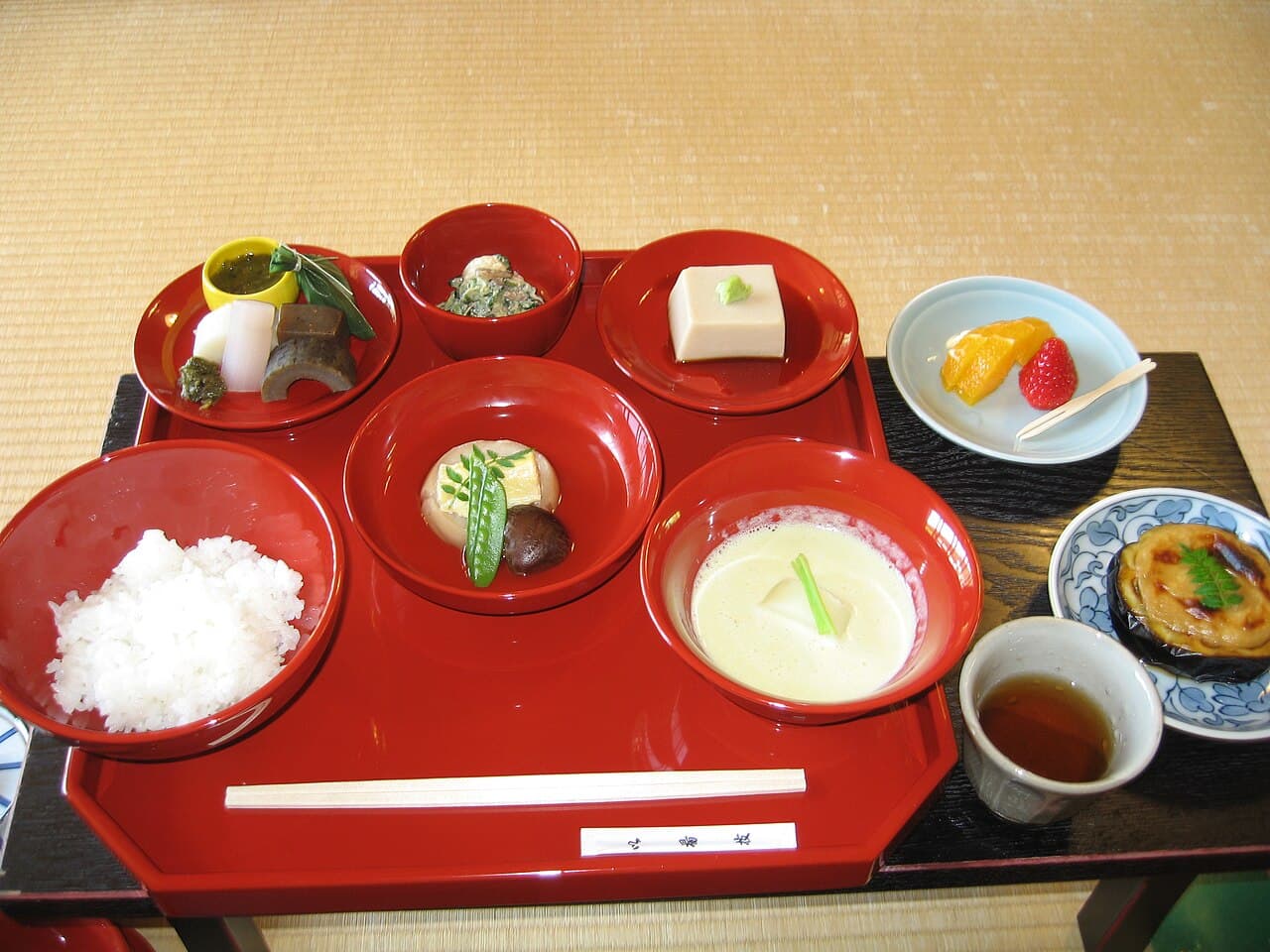
ชุดโชจินหลายคอร์สตามฤดูกาลเสิร์ฟในเครื่องเขิน
ร้านอาหารเจเซนที่วัดดำเนินการภายในวัดเทนริวจิ หนึ่งในวัดเซนที่ยิ่งใหญ่ของอาราชิยามะ (Michelin Bib Gourmand เกียวโต-โอซากา 2025) เสิร์ฟเป็นชุดหลายคอร์สตามฤดูกาลในเครื่องเขิน โชจินดั้งเดิมใช้คอมบุและเห็ดหอมแทนดาชิปลา จึงไม่มีน้ำซุปโบนิโตะ เมนูไม่ได้ระบุไข่หรือน้ำผึ้งต่อสาธารณะ วีแกนเคร่งครัดควรยืนยันตอนจอง มีค่าเข้าชมสวนเพิ่มจากค่าคอร์ส
- มังสวิรัติ
- วีแกน
- ปลอดนม
- เดท
- วันครบรอบ
- สบายๆ
- ห้องส่วนตัว
Tousuiro Kiyamachi
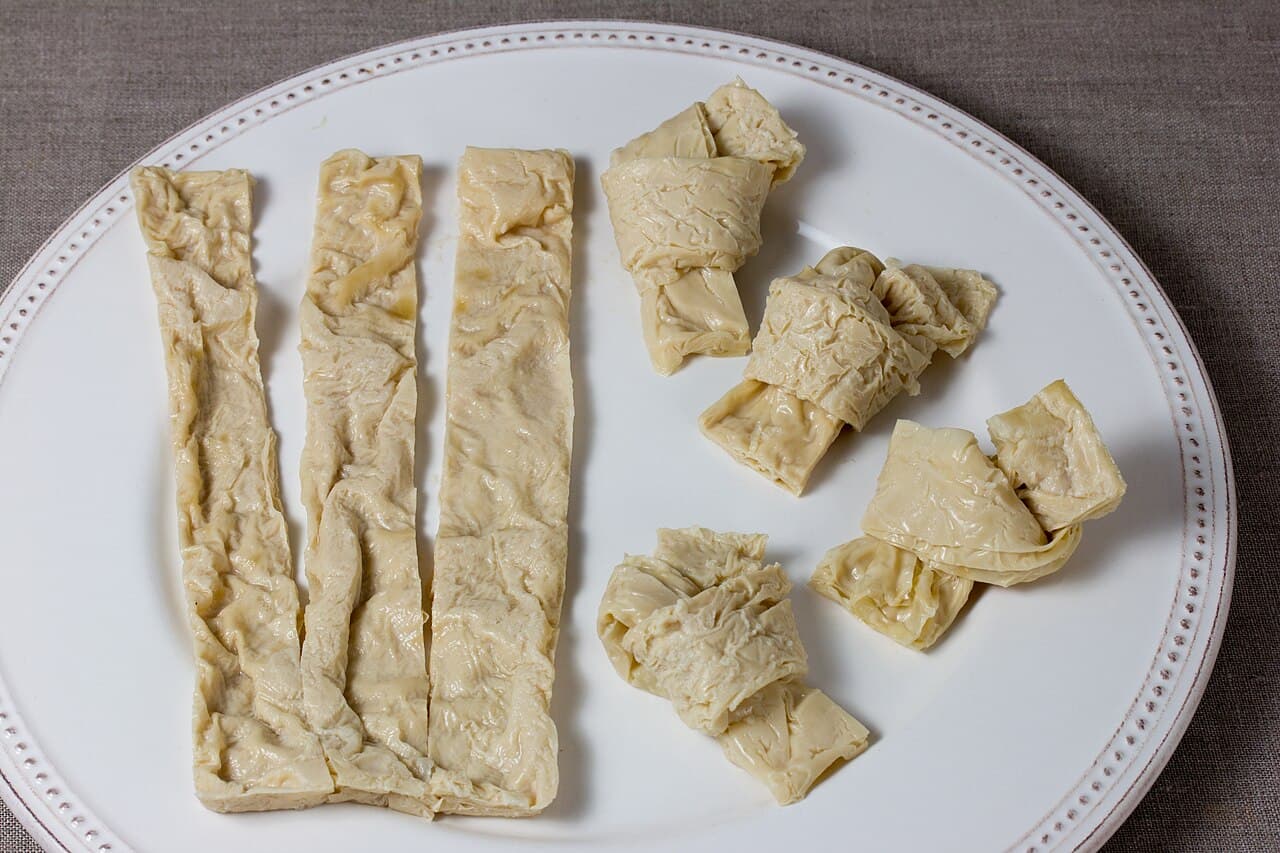
เต้าหู้โอโบโระเนื้อเนียนและยูบะในมื้อหลายคอร์สตามฤดูกาล
ร้านเต้าหู้ไคเซกิริมแม่น้ำระดับหรูใจกลางเกียวโต เสิร์ฟเต้าหู้โอโบโระเนื้อเนียนและยูบะแบบหลายคอร์สตามฤดูกาล พร้อมเมนูภาษาอังกฤษครบและที่นั่งริมแม่น้ำหน้าร้อน (คาวายุกะ) มีคอร์สวีแกนไร้ปลาโดยเฉพาะ ("โรคุฮาระ") ไม่มีเนื้อ หอย ไข่ นม หรือปลา — แต่ต้องสั่งคอร์สนั้นโดยเฉพาะ เพราะคอร์สเต้าหู้มาตรฐานน่าจะใช้ดาชิโบนิโตะ
- เพสคาทาเรียน
- มังสวิรัติ
- วีแกน
- ปลอดนม
- เดท
- วันครบรอบ
- ธุรกิจ
- ห้องส่วนตัว
Gion Soy Milk Ramen Uno Yukiko
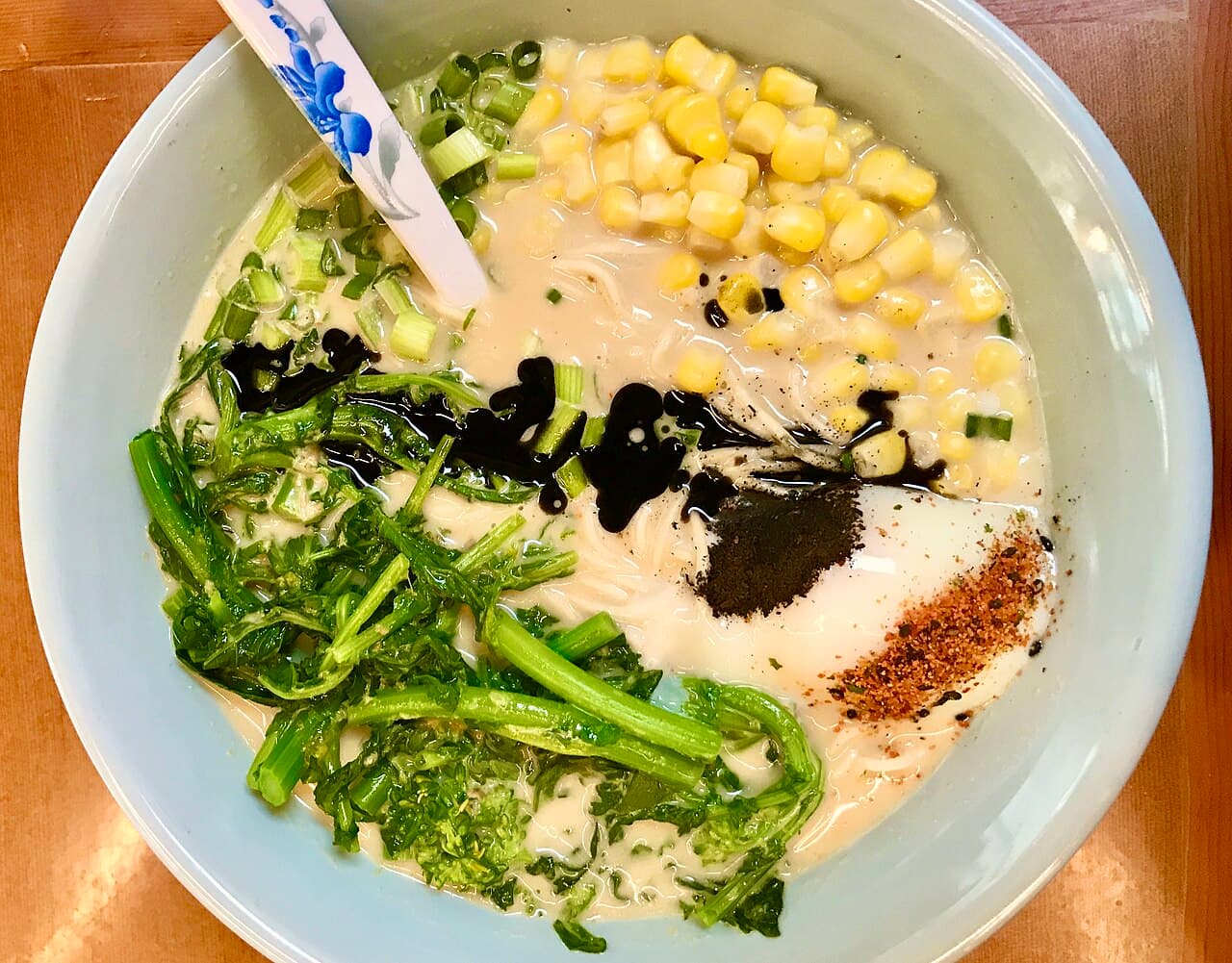
ราเมงนมถั่วเหลืองเข้มข้นกับเส้นแป้งข้าวและซีอิ๊วปลอดกลูเตน
ผู้เชี่ยวชาญราเมงวีแกนและปลอดกลูเตนในกิอง ดำเนินการโดยปาติสซิเยร์ยูกิโกะ อูโนะ ใช้เส้นแป้งข้าวและสาหร่ายคอมบุกับซีอิ๊วปลอดกลูเตนในน้ำซุปนมถั่วเหลือง — หนึ่งในตัวเลือกราเมงปลอดกลูเตนไร้ดาชิปลาที่เชื่อถือได้ที่สุดของเกียวโต ข้ออ้าง "ครัวเฉพาะ" ที่หนักแน่นที่สุดมาจากรายการของบุคคลที่สามมากกว่าตัวร้าน ผู้แพ้กลูเตนควรยืนยันมาตรการปนเปื้อนข้ามกับพนักงานโดยตรง
- วีแกน
- มังสวิรัติ
- ปลอดกลูเตน
- ปลอดนม
- สบายๆ
- มาคนเดียว
- เดท
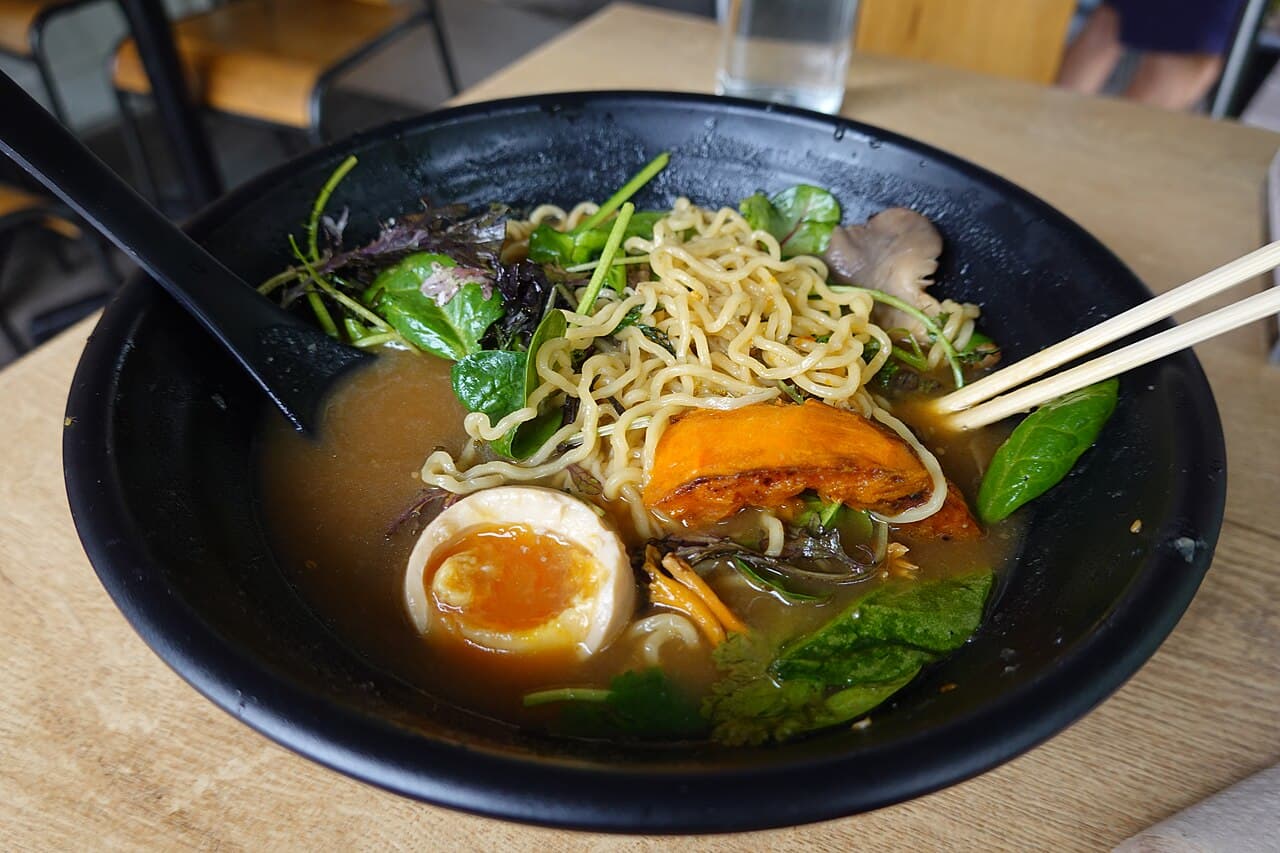
Towzen (Mamezen)
ราเมงนมถั่วเหลืองเข้มข้นกับน้ำซุปคอมบุและถั่วเหลือง (ไม่มีดาชิปลา)
ร้านราเมงนมถั่วเหลืองวีแกนล้วนเล็กๆ ในชิโมงาโมะอันเงียบสงบ วีแกนตั้งแต่ปี 2018 ด้วยน้ำซุปคอมบุและนมถั่วเหลืองเข้มข้นไร้ดาชิปลาโดยสิ้นเชิง — หนึ่งในตัวเลือกราเมงวีแกนเคร่งครัดที่สะอาดที่สุดในเกียวโต ทั้งยังเลี่ยงผักฉุนห้าชนิดของพุทธ (หัวหอมและกระเทียม) เส้นมีข้าวสาลีจึงวีแกนแต่ไม่ปลอดกลูเตน ปิดกลางสัปดาห์ ควรเช็กวันก่อนไป
- วีแกน
- มังสวิรัติ
- ปลอดนม
- สบายๆ
- มาคนเดียว
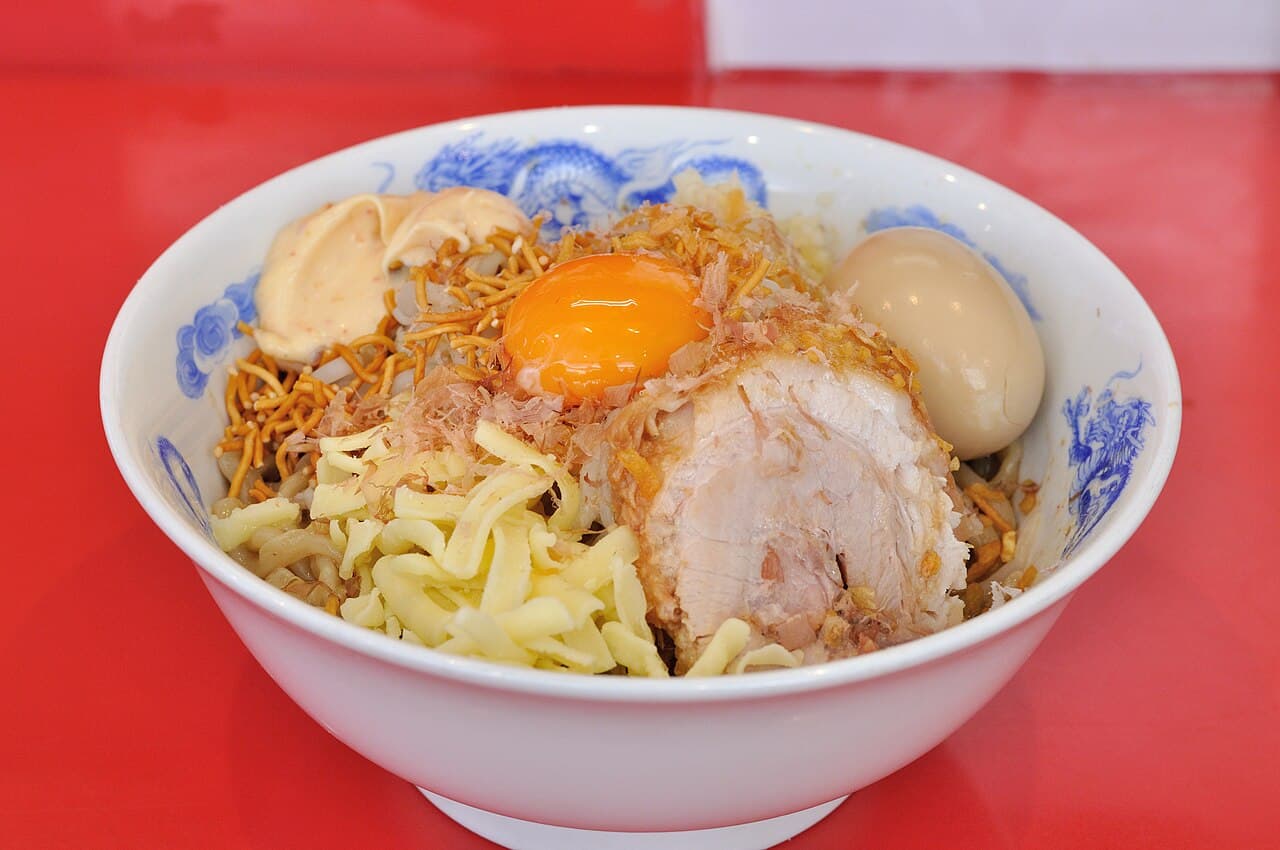
Ayam-Ya Karasuma
ราเมงไก่โชยุเผ็ดกับวัตถุดิบที่ตรวจสอบฮาลาล
เคาน์เตอร์ราเมงไก่ฮาลาลใกล้คาราสุมะ/ชิโจ จากเครือ Ayam-Ya รับรองฮาลาลจากบุคคลที่สาม (โดย Malaysia Halal Corporation) ปลอดหมูและแอลกอฮอล์ทั้งหมด พร้อมที่เก็บและภาชนะฮาลาลแยก เมนูภาษาอังกฤษ และห้องละหมาด เป็นร้านเปิดเฉพาะมื้อกลางวันและปิดกลางสัปดาห์ ควรเช็กเวลาก่อนไป
- ฮาลาล
- มาคนเดียว
- สบายๆ
คำถามที่พบบ่อย
- เกียวโตเป็นมิตรกับมังสวิรัติมากกว่าโตเกียวจริงไหม?
- สำหรับการกินเน้นพืช ใช่—อาหารวัด (โชจินเรียวริ) และประเพณีเต้าหู้/ยูบะของเกียวโตทำให้มื้อมังสวิรัติหลายคอร์สเป็นส่วนหนึ่งของวัฒนธรรมท้องถิ่น ไม่ใช่คำขอพิเศษ สิ่งเดียวที่ต้องยืนยันทุกที่คือดาชิปลาโบนิโต ซึ่งอาจแอบอยู่ในจานผัก
- หาอาหารฮาลาลในเกียวโตได้ไหม?
- ได้ แม้ตัวเลือกจะน้อยกว่าโตเกียว Ayam-Ya Karasuma เป็นร้านราเมงไก่ที่ได้รับการรับรองฮาลาลจากบุคคลที่สาม พร้อมห้องละหมาดและเมนูภาษาอังกฤษ ยืนยันเวลาก่อนไป เพราะจริง ๆ แล้วเปิดเฉพาะมื้อกลางวันและปิดกลางสัปดาห์