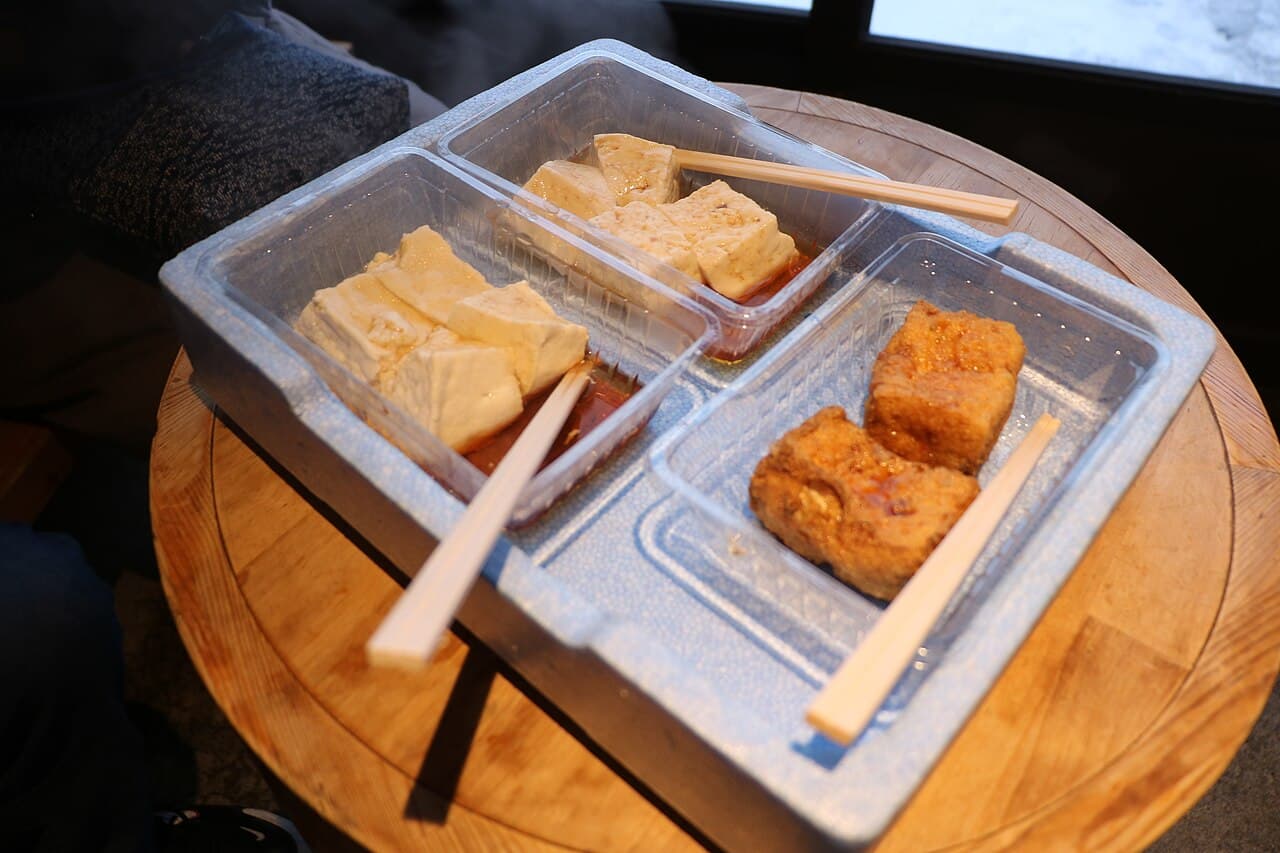
대두의 솜씨——비단결 같고, 감칠맛 나며, 무궁무진한.
어떤 음식인가
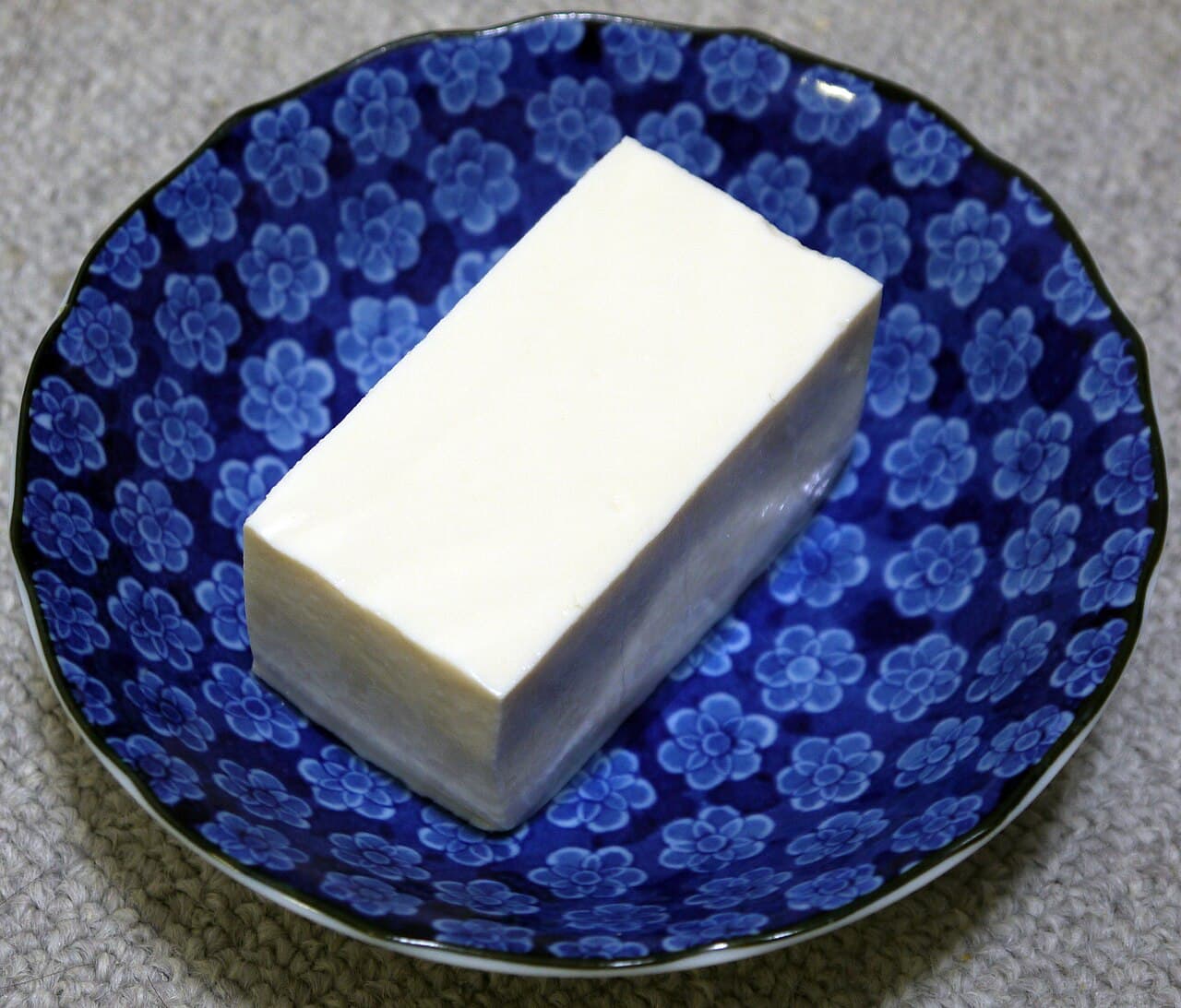
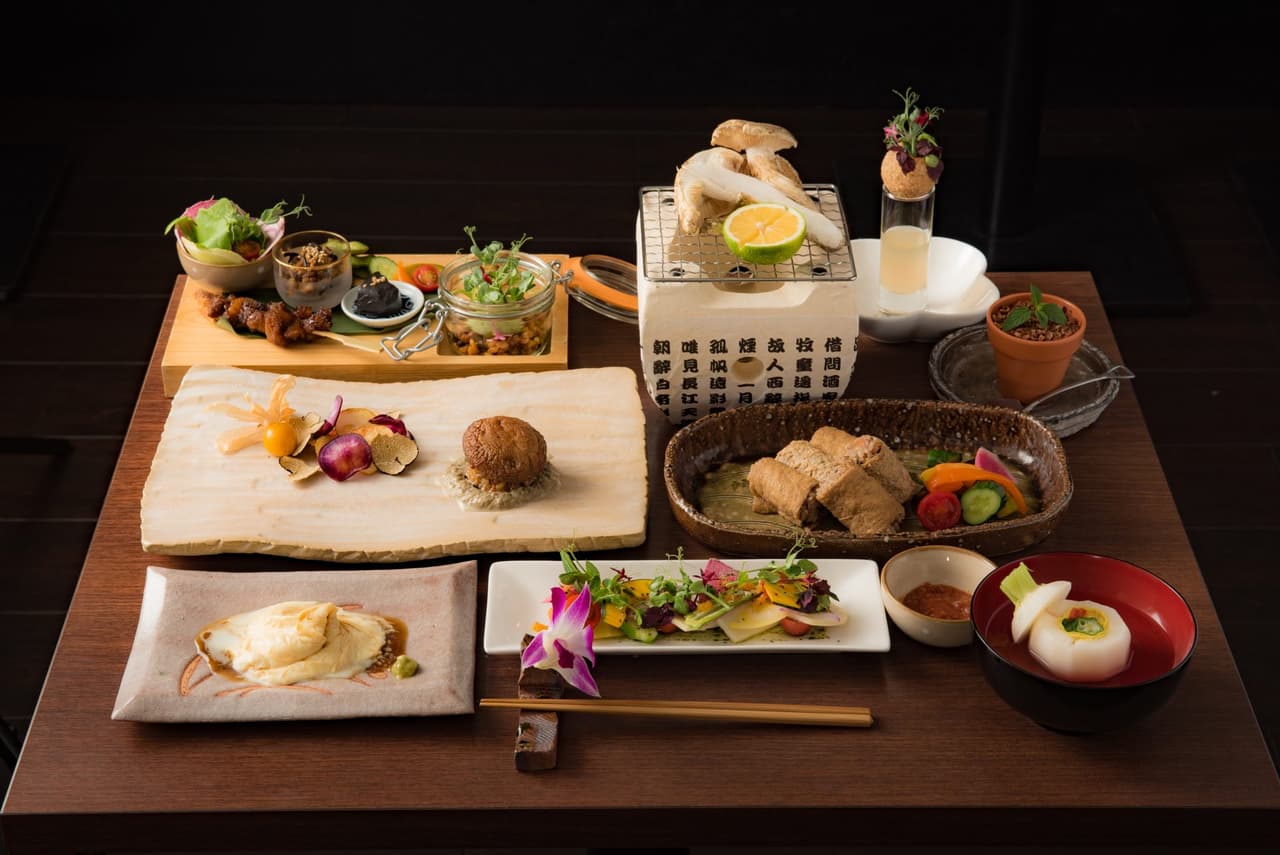
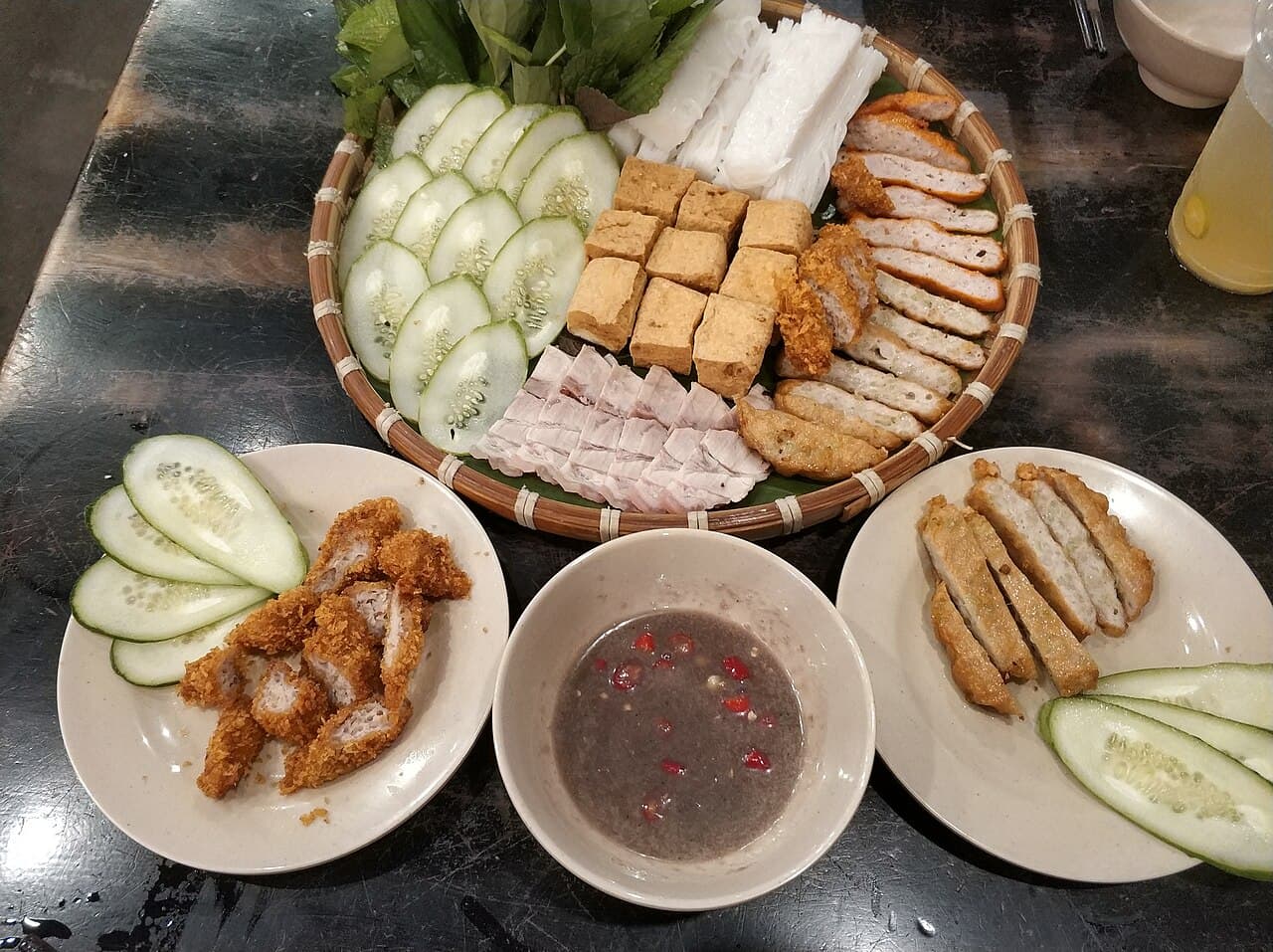
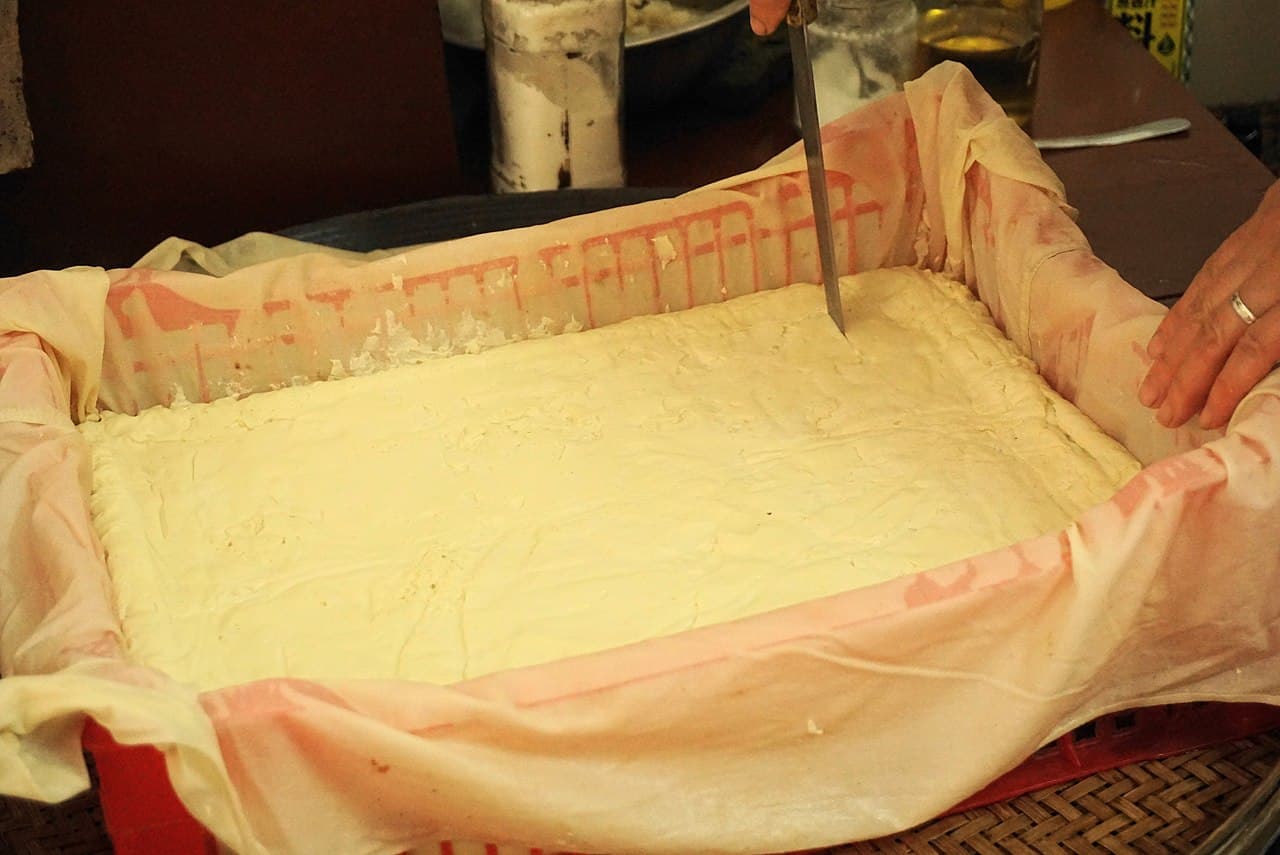
두부는 신선한 대두 응고물이고, 유바(yuba)는 따뜻한 두유에서 떠올린 섬세한 막입니다. 고기 대체품을 훨씬 넘어, 장인의 두부는 그 자체로 하나의 요리입니다——유도후(yudofu, 콤부 국물에 끓인), 아게다시(agedashi, 살짝 튀긴), 히야얏코(hiyayakko, 차게 낸), 혹은 비단결 같은 키누고시(kinugoshi).
무엇을 의미하는가
두부는 불교와 함께 전해져 사찰과 가정 요리 모두에 핵심이 되었습니다. 두부 전문점은 물·대두·타이밍을 다른 이가 와인에 쏟는 진지함으로 다룹니다——소박한 재료를 예술로 끌어올립니다.
무엇이 훌륭한가
즐거움은 순수함입니다: 깨끗한 대두의 단맛, 커스터드처럼 부드러운 식감, 좋은 간장 몇 방울이나 생강 한 점. 위로가 되고, 가볍고, 조용히 깊습니다.
무엇을 주문할까
- 유도후(콤부 전골)
- 아게다시도후(살짝 튀김)
- 유바 사시미
- 고마도후(참깨 두부)
특별한 식단을 위한
식물성이며 단백질이 풍부합니다. 순수 두부는 글루텐 프리지만, 소스(간장)는 보통 밀이 들어가니——타마리를 요청하세요.
자주 묻는 질문
- 두부와 유바(Tofu & yuba)은(는) 무엇인가요?
- 대두의 솜씨——비단결 같고, 감칠맛 나며, 무궁무진한.
- 두부와 유바(Tofu & yuba)은(는) 베지테리언·비건·할랄·글루텐프리가 가능한가요?
- 식물성이며 단백질이 풍부합니다. 순수 두부는 글루텐 프리지만, 소스(간장)는 보통 밀이 들어가니——타마리를 요청하세요.
레시피와 조리법은 매장마다 다를 수 있어 본 안내는 일반적인 참고용입니다. 확실하지 않은 경우 주문 전 매장에 직접 확인해 주세요. 미리 알려두면 안심입니다.