
뉴스
미슐랭 가이드 도쿄 2026: 무엇이 바뀌었고, 여행자가 실제로 예약할 수 있는 식당
짧은 버전
2025년 9월 25일 공개된 미슐랭 가이드 도쿄 2026은 다시 도쿄를 세계에서 가장 별이 많은 도시로 만들었습니다: 별 160개 식당—3스타 12곳, 2스타 26곳, 1스타 122곳. 헤드라인은 새 3스타 하나, 2스타 승격 셋, 지속가능성 그린 스타 하나, 그리고 97세 장어 명인에게 주어진 멘토 셰프 어워드입니다. 이 식당들 대부분은 예약이 극도로 어려우니—아래에서 여행자가 현실적으로 예약할 수 있는 스타 및 에디터스 초이스 공간도 짚어드립니다.
새 3스타: Myojaku
유일한 3스타 승격은 2022년에야 문을 연 일본 요리 카운터 Myojaku입니다. 셰프는 교토와 도쿠시마에서 요리했고 독립하기 전 도쿄의 1스타 레스토랑에서 11년간 헤드 셰프를 지냈습니다—가이드 최고 영예로의 빠른 상승입니다. 아주 작은 예약제 공간이니, 한 자리를 방문 중 단 한 번의 이벤트로 여기고 즉흥 방문은 삼가세요.
새 2스타 셋, 그린 스타 하나
세 곳이 2스타로 올랐습니다: Nishiazabu Sushi Shin(스시), Hakuun과 Ensui(둘 다 일본 요리로, 후자는 다시와 숯불에 기반). 미슐랭은 또한 지속가능성에 대한 새 그린 스타를 쓰키지의 Trois Visages에 수여했는데, 자연 농법으로 채소와 허브를 직접 기르고 음식물 쓰레기를 줄이려 노력하는 프렌치 주방입니다—재료의 출처를 신경 쓰는 손님에게 유용한 표시입니다.
가장 인간적인 이야기: 97세 장어 명인
멘토 셰프 어워드는 1스타 장어집 Nodaiwa Azabu-Iikura Honten의 5대 주인 Kenjiro Kanemoto에게 돌아갔습니다—97세로, 세계에서 가장 나이 많은 현역 미슐랭 인정 셰프이며 지금은 가문의 6대와 7대를 가르치고 있습니다. 여행자에게 반가운 소식: Nodaiwa는 테이스팅 메뉴 요새가 아니라 우나기 전문점이라, 이곳에서의 숯불 장어 점심은 도쿄의 미슐랭 식당에서 먹기 더 예약하기 쉬운 방법 중 하나입니다.
현실적으로 예약할 수 있는 별
Nodaiwa 외에도, 우리 디렉터리의 여러 스타 또는 에디터스 초이스 공간은 몇 달을 기다리지 않고 예약을 받습니다: Ginza Kojyu(세련된 가이세키), Tempura Kondo(유명한 채소 튀김), Hakkoku(에도마에 스시 플래그십), Ise Sueyoshi(따뜻하고 영어 친화적이며 식이 요청을 잘 처리하는 가이세키 카운터). 도쿄 명단 밖의 특별한 밤으로는 Kagurazaka Ishikawa가 이 도시에서 가장 찬사받는 가이세키 중 하나입니다. 각 매장의 공식 또는 Tabelog 링크로 예약하고, 예약 시 식이 필요를 밝히며, 정시에 도착하세요—이 카운터들은 리듬으로 돌아갑니다.
여행자로서 별을 읽는 법
별은 주방의 신호이지 서비스의 약속이 아닙니다. 이 공간들 중 할랄 인증이거나 엄격한 비건 식단을 갖춘 곳은 드무니, 당일 밤이 아니라 예약 시 필요를 확인하세요. 그리고 도시의 나머지도 기억하세요: 도쿄의 깊이는 별 없는 라멘, 소바, 튀김에 있고, 그 요리는 못지않게 진지할 수 있습니다.
확인된 맛집
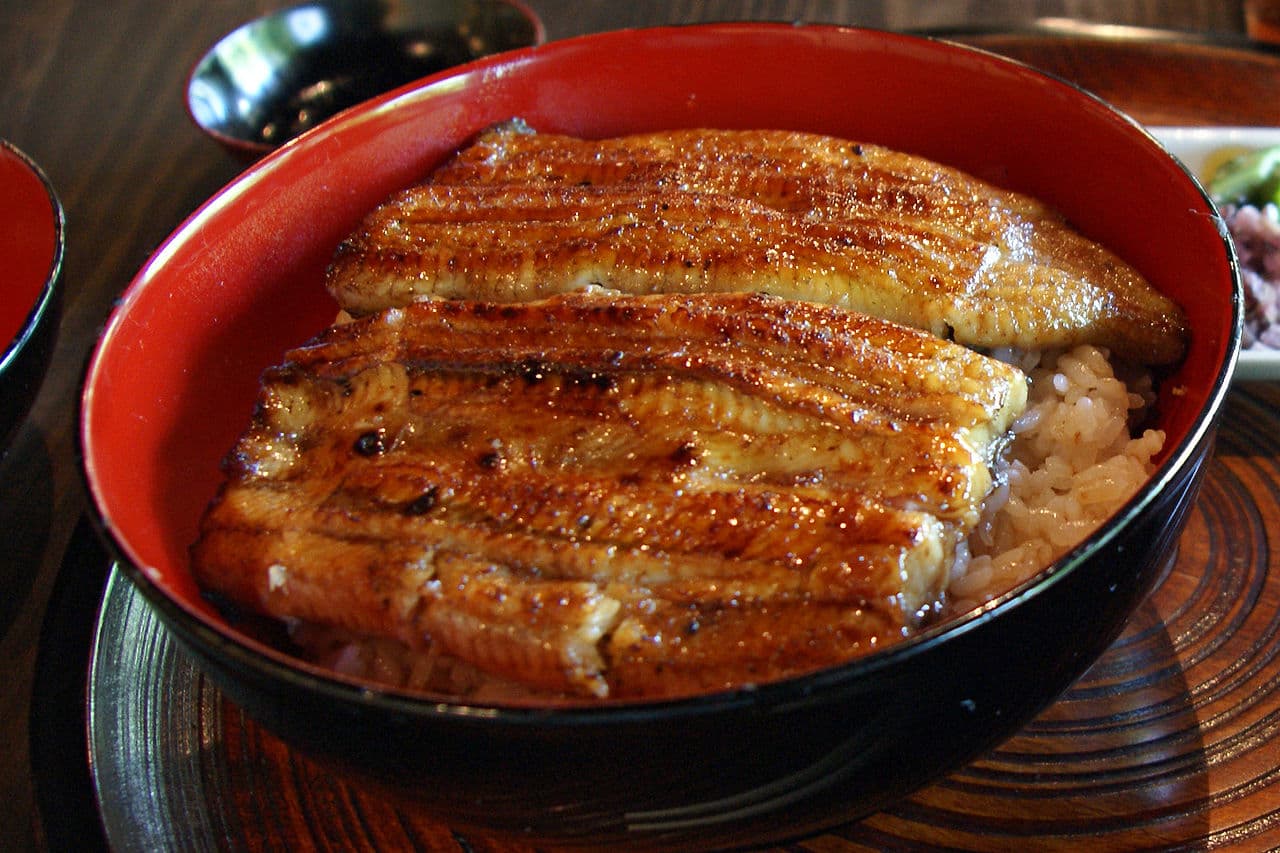
Nodaiwa Azabu-Iikura
우나주 — 에도마에 장어를 찐 뒤 숯불에 구운 덮밥
200년 넘는 역사의 미쉐린 스타 장어집. 5대째 장인이 에도마에 장어를 찌고 숯불에 구워 입에서 녹는 식감으로 완성한다.
- 페스코
- 기념일
- 비즈니스
Ginza Kojyu
제철 오마카세: 이세 새우구이, 은어, 장어, 전복
270년 된 노송나무로 깎아낸 오쿠다 도루 셰프의 미쉐린 2스타 카운터. 사계절을 흠잡을 데 없는 긴자 가이세키로 응축한다.
최종 확인 2026년 7월- 기념일
- 비즈니스
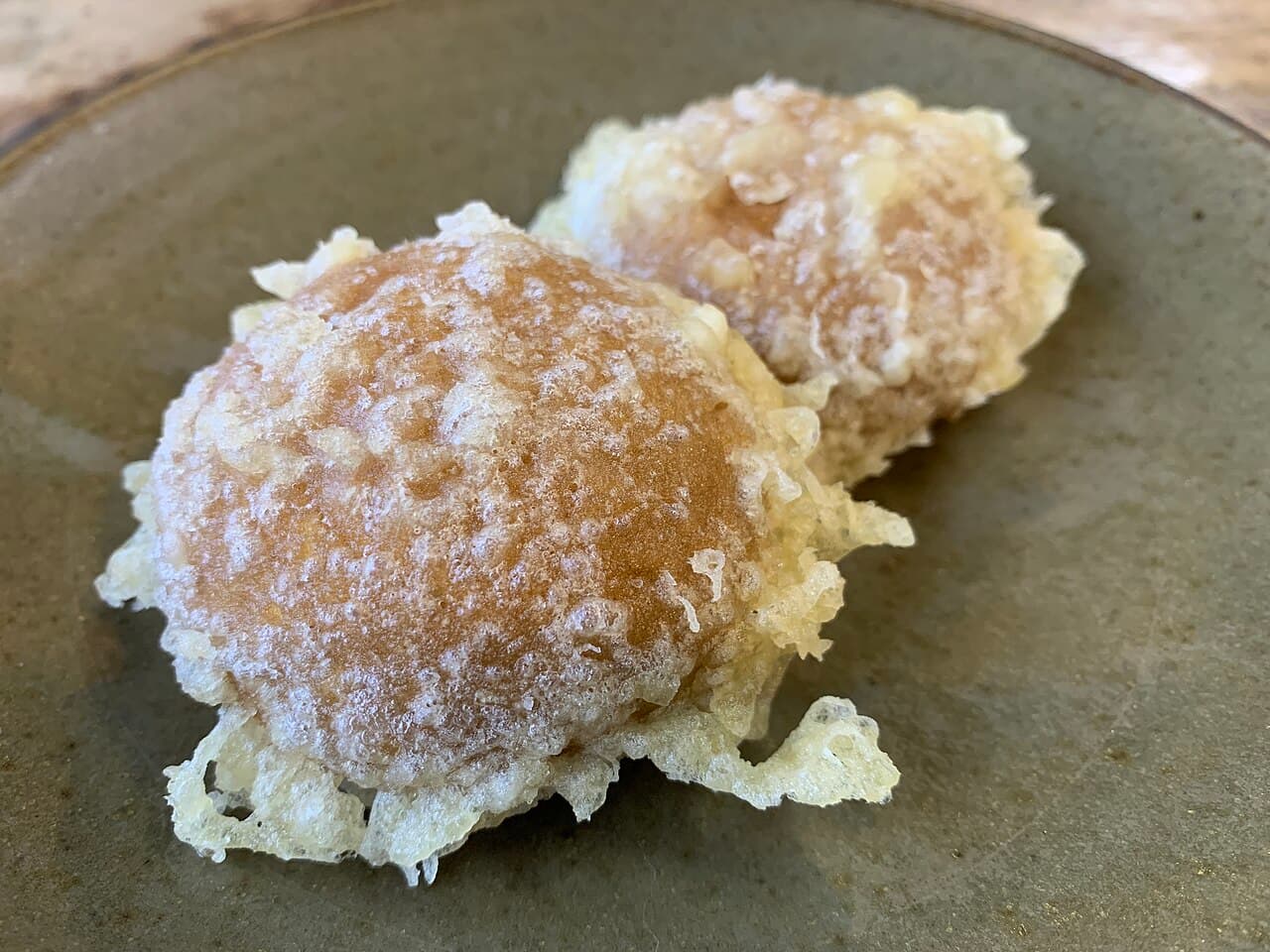
Tempura Kondo
채 썬 당근 가키아게와 새우·붕장어 텐푸라
유난히 가벼운 튀김과 대표 메뉴 채 썬 당근 가키아게로 유명한 미쉐린 2스타 긴자 텐푸라 카운터. 코스가 해산물과 채소(고기 무사용)로만 구성돼 자연스레 페스카테리언에 맞지만, 밀가루 반죽이라 글루텐프리는 아니다.
- 페스코
- 기념일
- 비즈니스
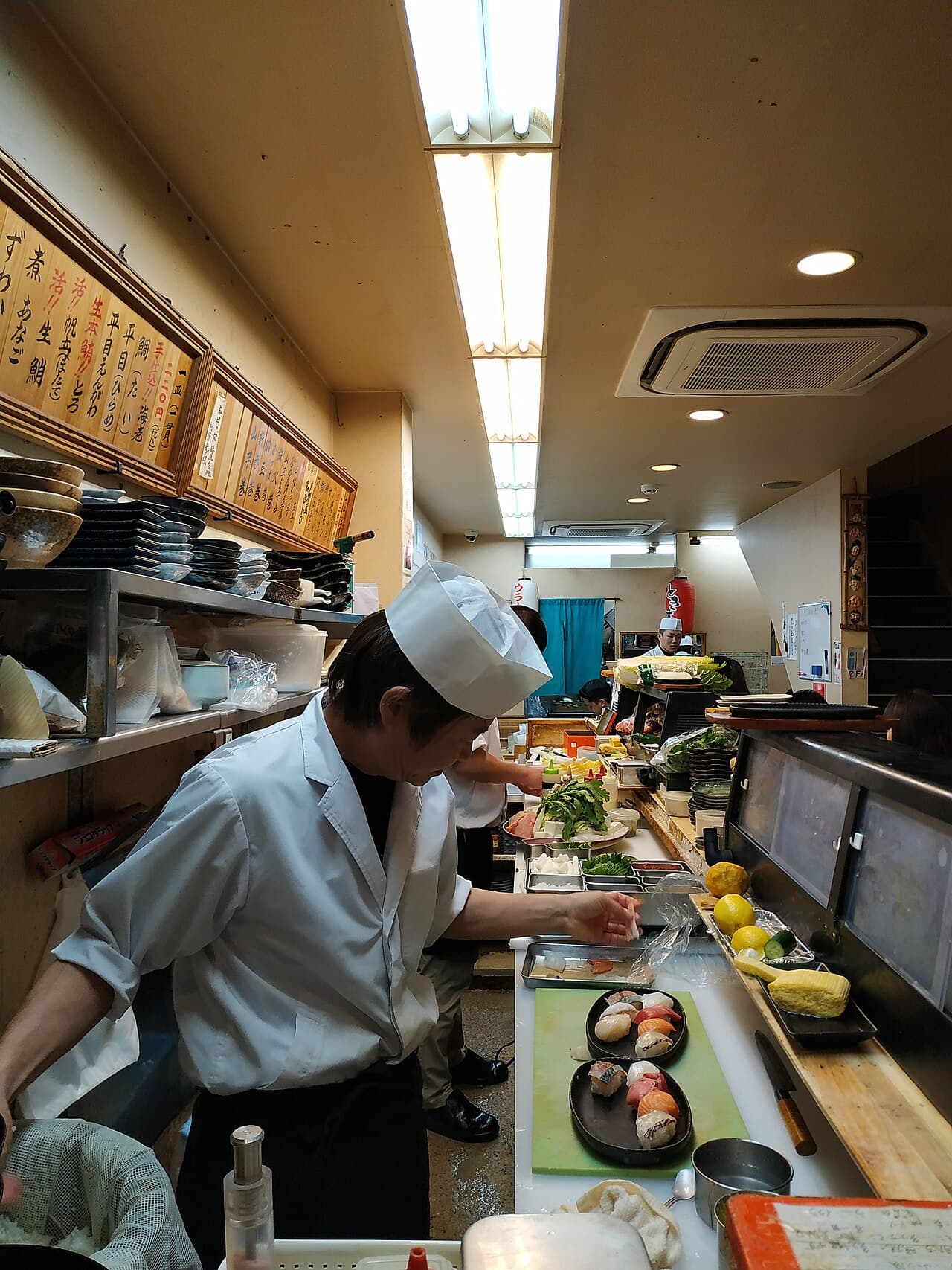
Hakkoku
숙성 참치 니기리 코스 (약 25점)
숙성 참다랑어를 선보이는 니기리 전용 코스로 호평받는 긴자 에도마에 스시 카운터(사토 히로유키 셰프). 해산물과 밥뿐인 스시라 자연스레 페스카테리언에 맞지만, 간장·식초 탓에 글루텐프리는 아니다. 카드만 받으며 예약은 약 두 달 전부터 열린다.
- 페스코
- 기념일
- 데이트
- 비즈니스
Ise Sueyoshi
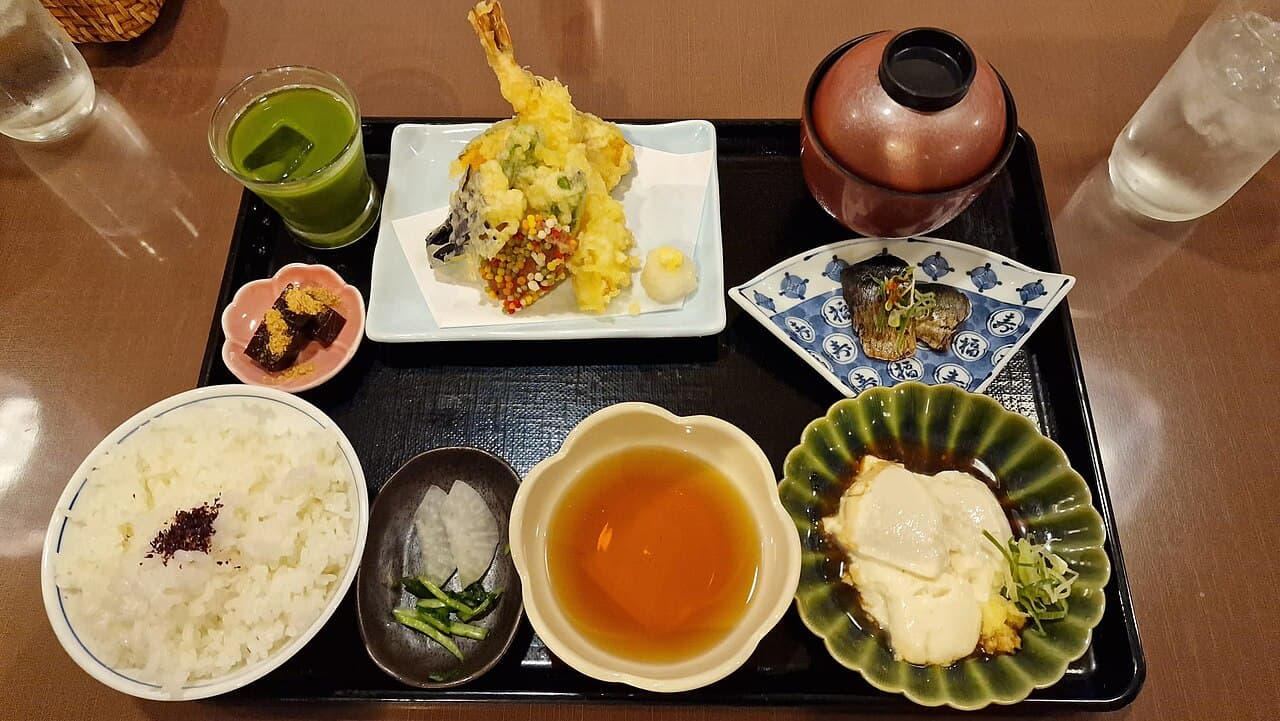
제철 미에현 가이세키 코스 (요청 시 할랄 버전)
니시아자부의 카운터식 가이세키 레스토랑. 사전 요청 시 돼지고기·알코올·미림을 쓰지 않는 전용 코스를 낸다. 무슬림 프렌들리이자 돼지고기·알코올 무첨가(공식 인증은 아님)이며, 할랄 코스는 약 일주일 전에 예약할 것.
- 할랄
- 채식
- 비건
- 기념일
- 비즈니스
- 프라이빗 룸
Kagurazaka Ishikawa
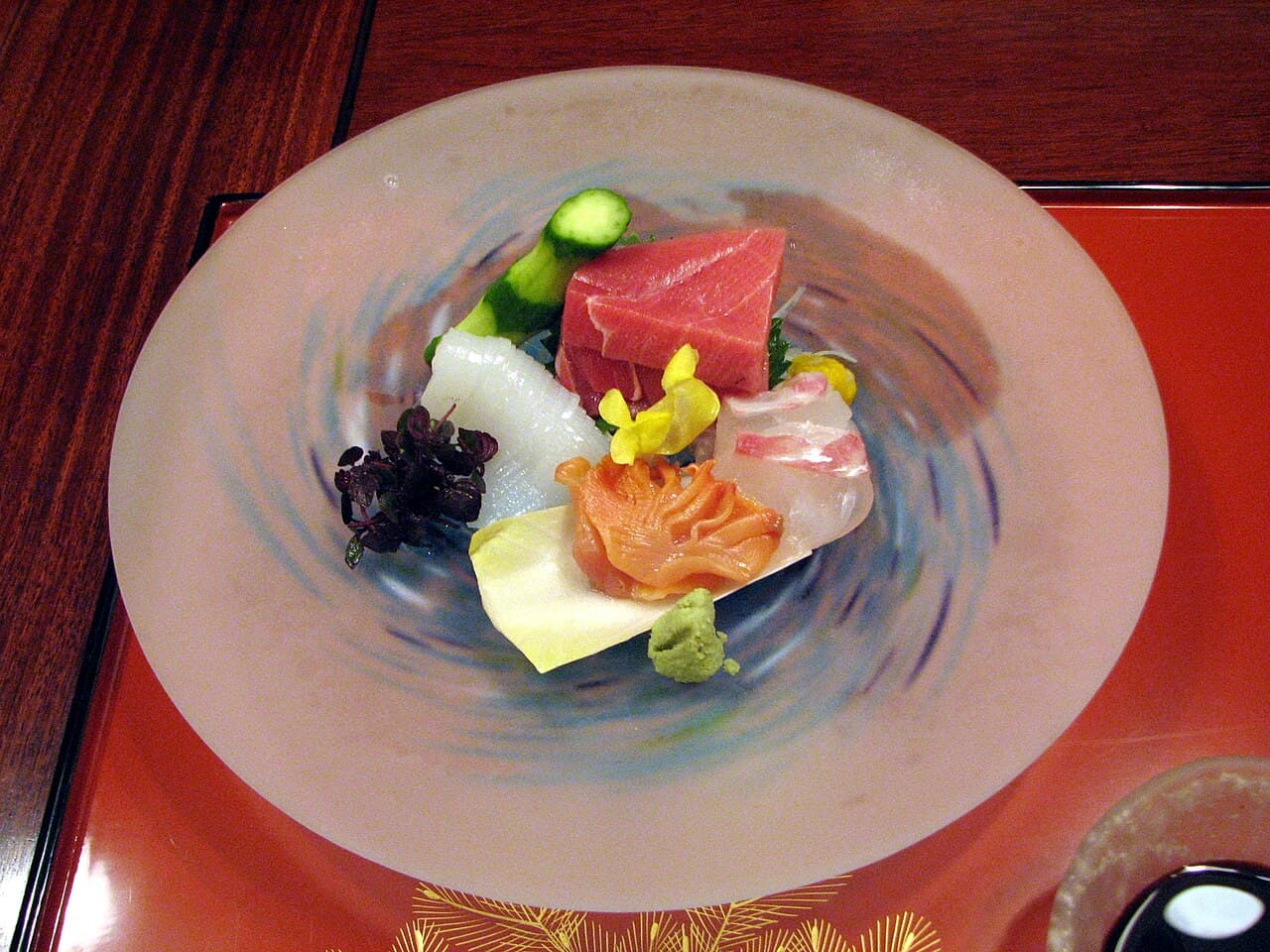
제철 가이세키 코스, 명물 트러플 소바
제철 오마카세 코스를 내는 미쉐린 3스타 가구라자카 가이세키 레스토랑. 가이세키는 전통적으로 고기·다시가 들어가므로, 페스카테리언(해산물·무육) 메뉴는 미리 요청해 직접 확인해야 한다. 글루텐프리는 아니다.
- 페스코
- 기념일
- 비즈니스
- 프라이빗 룸
Sources
자주 묻는 질문
- 방문객이 예약하기 가장 쉬운 도쿄의 미슐랭 스타 레스토랑은?
- 1스타 공간 중 Nodaiwa Azabu-Iikura 같은 우나기(장어) 전문점이 더 접근하기 쉬운 편입니다—긴 테이스팅 메뉴가 아니라 집중된 장어 식사를 내므로 점심 자리는 카운터 스시나 가이세키 명소보다 잡기 쉽습니다. 해당 페이지로 예약하고 정시에 도착하세요.
- 미슐랭 가이드 도쿄 2026에서 새로운 점은?
- 도쿄는 별 160개 식당을 유지했습니다(3스타 12, 2스타 26, 1스타 122). Myojaku가 3스타로; Nishiazabu Sushi Shin, Hakuun, Ensui가 2스타로 올랐고; Trois Visages가 새 그린 스타를 받았으며; Nodaiwa의 97세 장어 명인 Kenjiro Kanemoto가 세계에서 가장 나이 많은 현역 미슐랭 인정 셰프로서 멘토 셰프 어워드를 받았습니다.